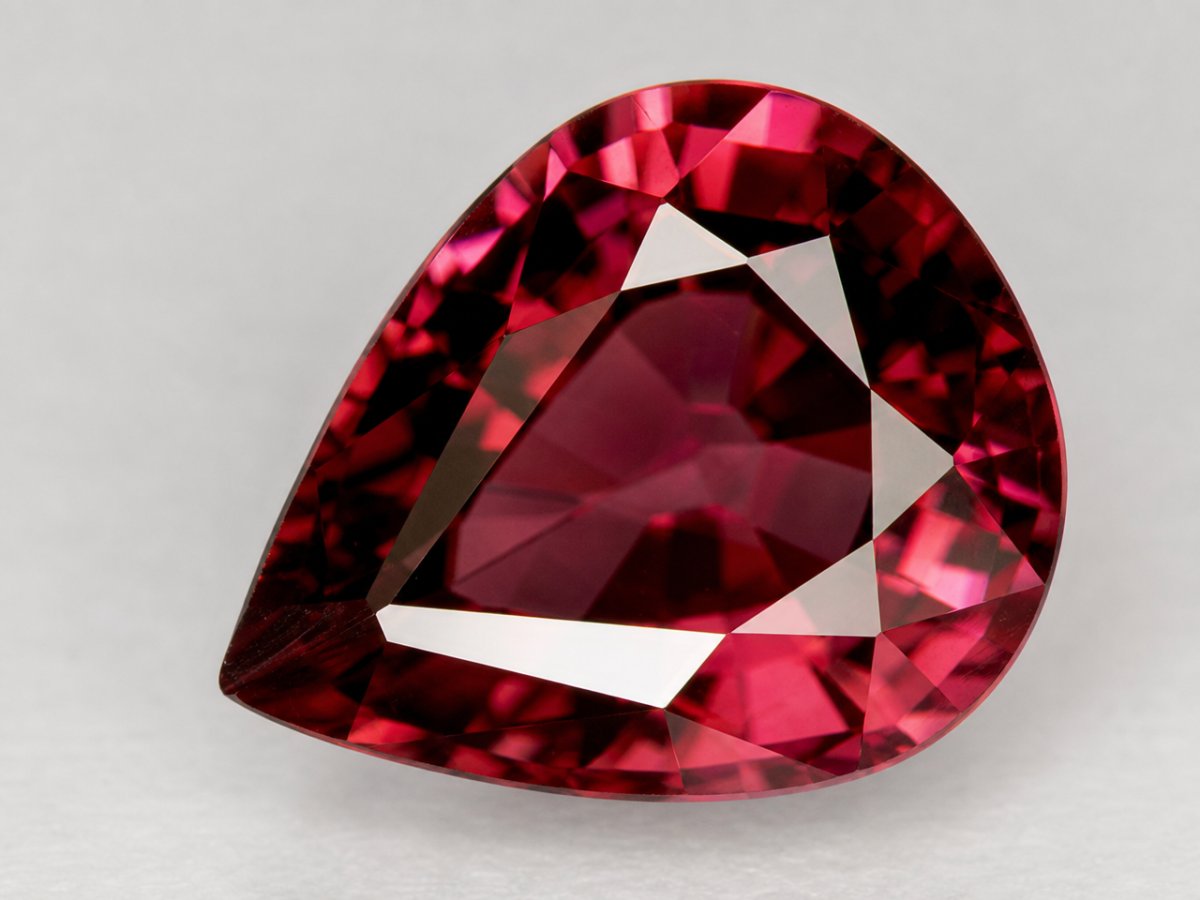


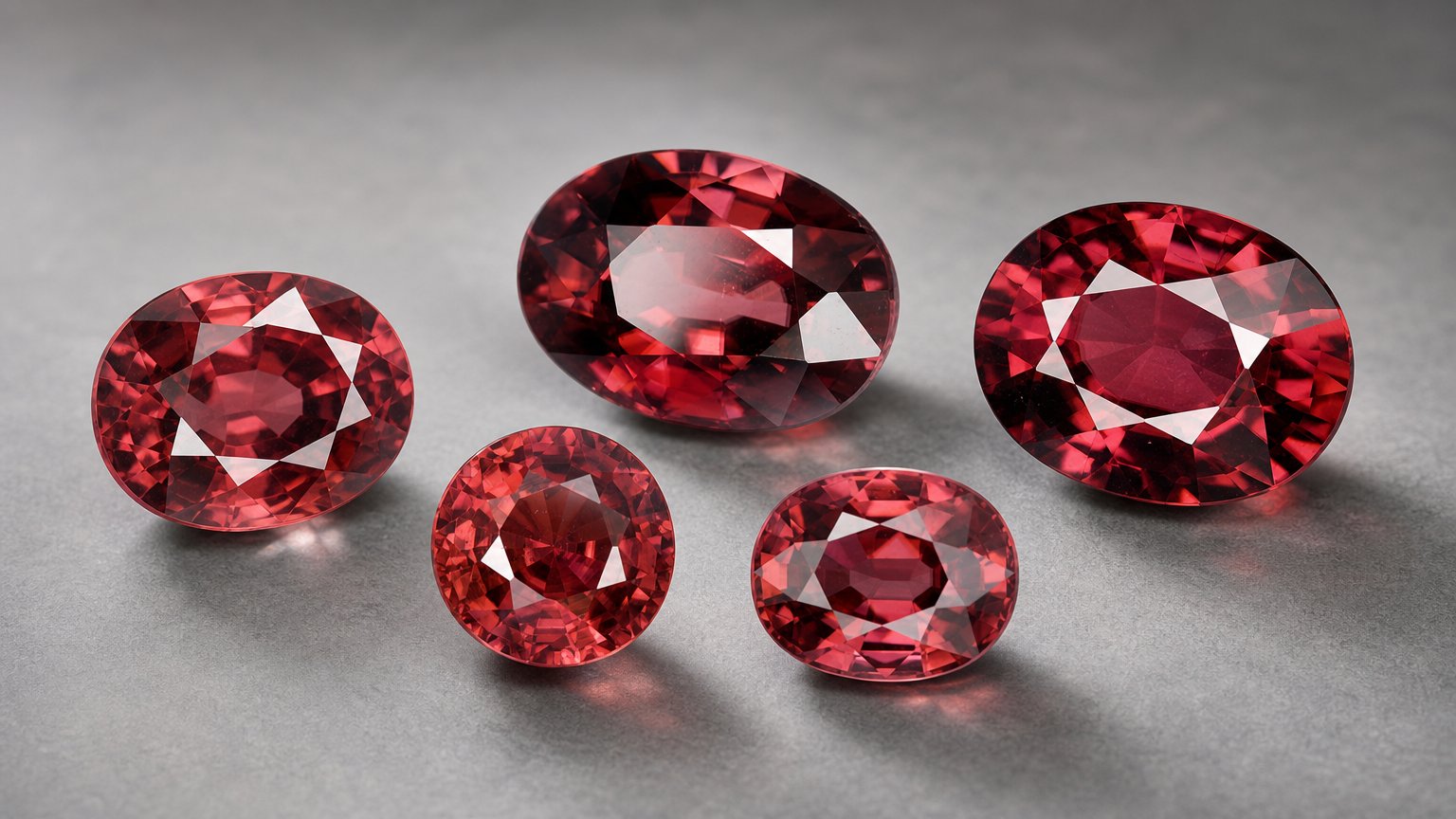
Red zircon is a natural zircon variety valued for its red color, lively brilliance and suitability for many jewelry styles. For buyers, the most important decisions are color preference, cut quality, clarity, treatment disclosure and whether the gem is durable enough for the intended setting.
Zircon should not be confused with cubic zirconia. Natural zircon is a gemstone species with the chemical formula ZrSiO₄, while cubic zirconia is a different material. When buying red zircon, clear identification and treatment information help ensure that you know exactly what you are purchasing.
What Is Red Zircon?
Red zircon is a red variety of the mineral zircon. It has a tetragonal crystal system and is known gemologically for its relatively high refractive index of 1.810-2.024. In practical terms, this means a well-cut stone can show strong brightness and sparkle.
Red zircon has a specific gravity of 3.90-4.73, so it can feel relatively dense for its size compared with some other gemstones. This is more useful for gem identification than for everyday buying, but it is one of the properties gemologists may use when confirming a stone.
Color and Appearance: What to Look For
Color is the first feature most buyers notice. Since this variety is defined by its red body color, choose the tone and saturation that best suits the jewelry design. Some buyers prefer a vivid, lively red that stands out in a ring or pendant, while others may prefer a slightly deeper or softer red for a more understated look.
View the gemstone under different lighting conditions when possible. A red zircon that looks attractive in both daylight-style and indoor lighting is usually easier to enjoy in everyday wear. Avoid judging color from a single overly bright light source, because strong lighting can make many faceted gems appear livelier than they will look in normal conditions.
Cut, Shape and Brilliance
Cut quality matters greatly in red zircon because the gem's high refractive index can produce excellent brilliance when the facets are well proportioned. Faceted cuts are the most common choice, with diamond cuts and step cuts also seen. A good cut should show even brightness, balanced proportions and no distracting windowing through the center of the stone.
Round and oval shapes are especially common and practical because they work well in many jewelry settings. Octagon and pear shapes are also popular choices, while cushion, square and trillion shapes can be attractive for more distinctive designs. Cabochons may be available, but buyers seeking maximum sparkle will usually focus on faceted stones.
Clarity and Visual Cleanliness
For most jewelry buyers, the key clarity question is simple: does the stone look clean and attractive to the unaided eye? Minor internal features may be acceptable if they do not interfere with brilliance, color or durability. In faceted red zircon, inclusions that are obvious in the center of the gem or that reduce sparkle are more noticeable than small features near the edge.
If buying online, examine magnified photos and read the description carefully. Magnification often makes inclusions look more prominent than they appear in real life, so balance close-up inspection with the stated size of the gemstone.
Treatments and Disclosure
Red zircon may be untreated, and untreated stones are an important category for buyers who prefer gems with no enhancement. Heat treatment is also associated with zircon and may be encountered. Irradiation is another possible treatment, though it is less prominently associated with red zircon than untreated material or heat treatment.
The best buying practice is to ask for clear treatment disclosure before purchase. Treatment status can affect buyer preference and long-term confidence, so reputable sellers should identify whether a stone is untreated or treated when that information is known.
Origins of Red Zircon
Red zircon is associated with several gem-producing sources, with Cambodia and Tanzania especially important. Myanmar and Sri Lanka are also known origins, while Madagascar and Thailand may also be associated with red zircon.
Origin can be interesting for collectors, but most jewelry buyers should prioritize beauty, cut, clarity, size and treatment disclosure over origin alone. A fine-looking red zircon from any recognized source can be a good choice if it meets your quality and design needs.
Durability and Everyday Wear
Red zircon has a Mohs hardness of 6.5-7.5. This makes it suitable for many types of jewelry, but it should be worn with reasonable care, especially in rings and bracelets that are more exposed to knocks and abrasion.
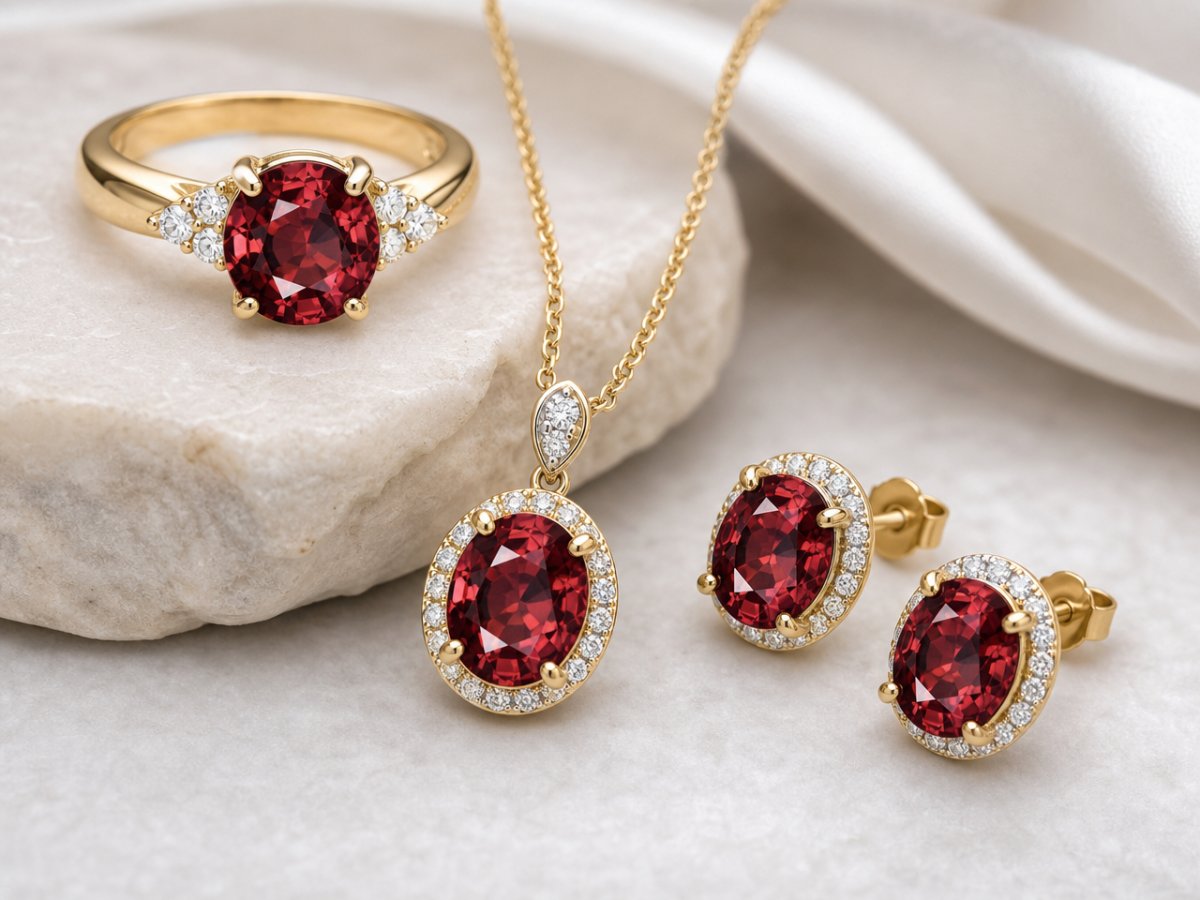
For rings, protective settings are a sensible choice, particularly if the piece will be worn often. Earrings, pendants and necklaces are generally lower-impact uses and can be excellent ways to show red zircon's color and brilliance. Statement rings can be beautiful, but they should be treated as jewelry that deserves mindful wear rather than rough daily use.
Best Jewelry Uses for Red Zircon
Red zircon works well in rings, especially when the design protects the stone and suits its size. It is also a strong option for earrings and pendants, where the gem can display sparkle with less risk of impact. Necklaces and bracelets are possible, but bracelet designs should consider the greater chance of contact with hard surfaces.
For jewelry designers, red zircon can provide a vivid focal point in both classic and modern settings. Round and oval faceted stones are versatile for calibrated designs, while pear, octagon or trillion shapes can create a more individual look.
Practical Buying Checklist
- Color: Choose a red tone you enjoy in normal lighting, not only under strong display lights.
- Cut: Look for lively brilliance, balanced proportions and no obvious window through the center.
- Clarity: Favor stones that appear clean and attractive to the unaided eye.
- Treatment: Confirm whether the gem is untreated, heat treated or otherwise treated.
- Shape: Round and oval are versatile; octagon, pear, cushion, square and trillion shapes offer different design possibilities.
- Jewelry use: Choose protective settings for rings and bracelets; earrings and pendants are lower-risk options.
- Identification: Make sure the stone is sold as natural zircon, not cubic zirconia.
Buying Red Zircon from GemSelect
When comparing red zircon at GemSelect or elsewhere, use the gemstone photos, measurements, carat weight, shape, cutting style and treatment information together. A slightly smaller stone with better color and cut may be more satisfying than a larger stone with weak brilliance or distracting inclusions.
The most confident purchase is one where the appearance matches your design goal and the essential details are clearly disclosed. Focus on the gemstone that looks right for the jewelry you plan to create or wear.
Summary
Red zircon is a natural zircon gemstone with appealing red color and the potential for strong brilliance. The best choice depends on color, cut quality, eye-visible clarity, treatment disclosure and the intended jewelry setting. For rings and bracelets, durability and protection are especially important; for earrings and pendants, red zircon can be enjoyed with fewer wear concerns.