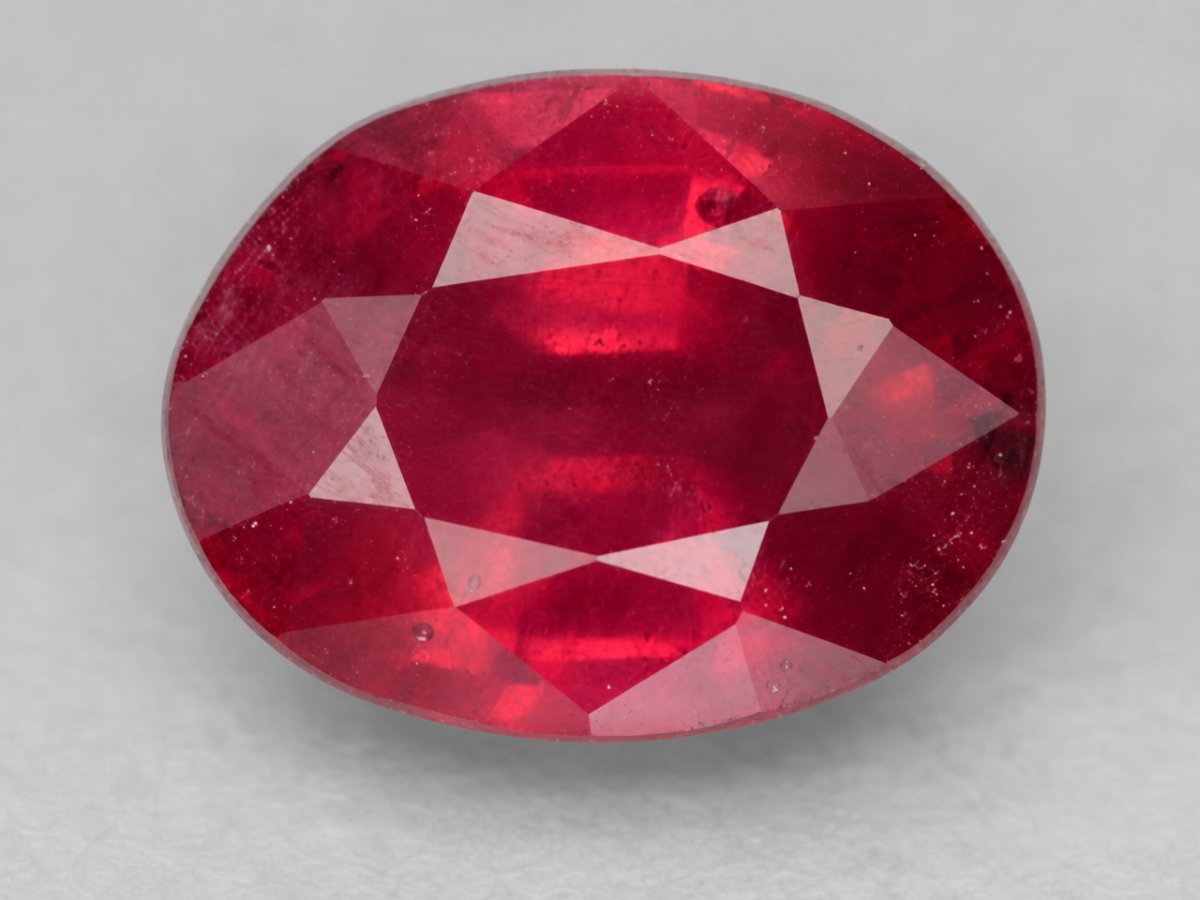


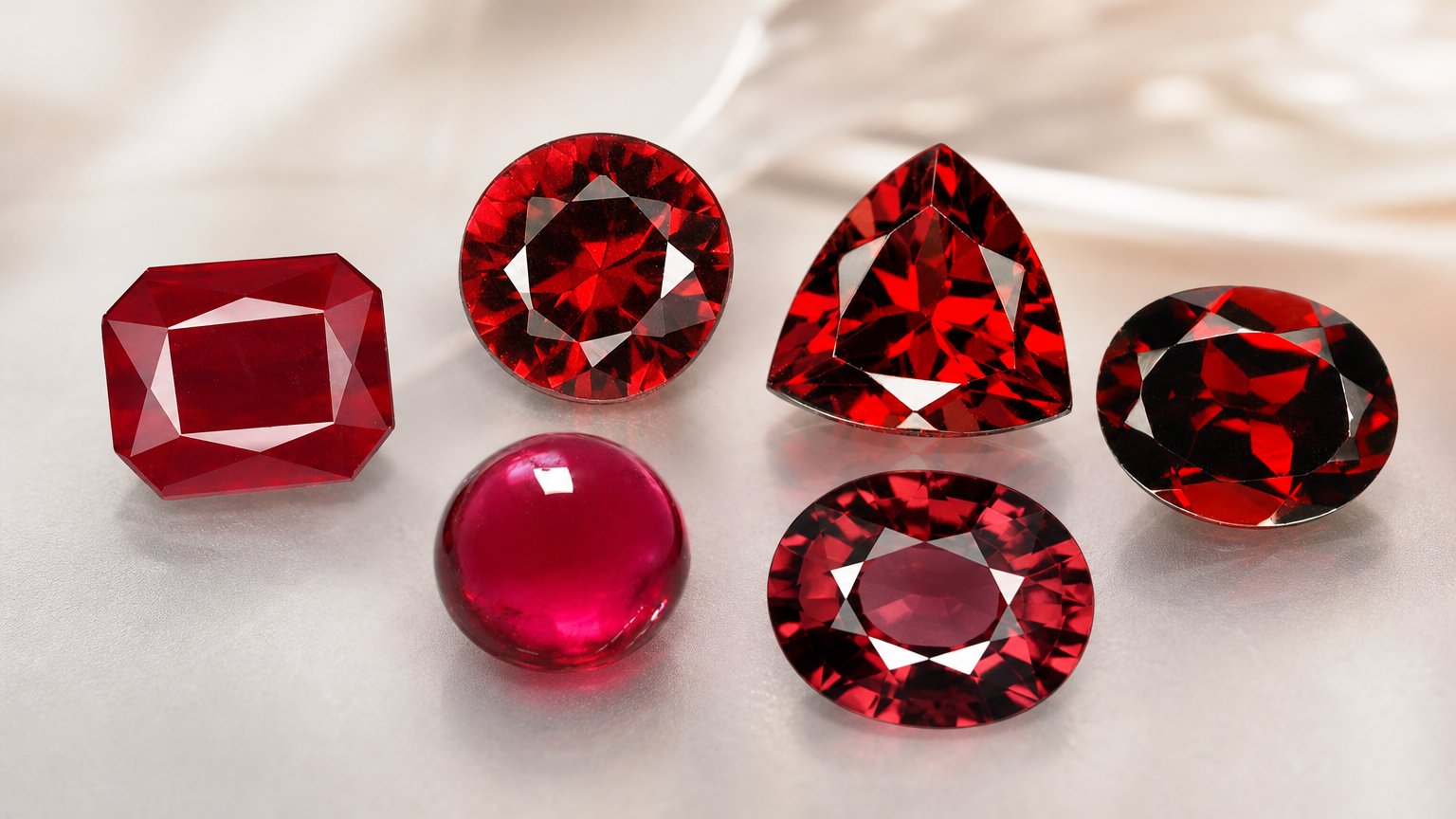
A red engagement ring can feel classic, dramatic, romantic or boldly modern depending on the gemstone and setting. The most important choice is not simply finding a red stone, but finding a natural loose gemstone with the right balance of color, durability, size, clarity, treatment disclosure and price for the way the ring will be worn.
Ruby remains the traditional high-durability red gemstone for engagement rings, but it is not the only serious option. Red spinel, several types of garnet, rubellite tourmaline and red zircon can all create beautiful rings when selected and set appropriately. The best choice depends on whether the priority is maximum durability, vivid red color, brilliance, a larger face-up size, or a more unusual design.
Red Is Not One Color
In gemstones, red can mean vivid pure red, deep crimson, raspberry red, pinkish red, purplish red, orangish red, burgundy, wine red or very dark red. Ruby is often judged most highly when it shows a strong, vivid red; the trade term "pigeon blood" is sometimes used for exceptionally vivid ruby color, but buyers should focus on the actual appearance and any laboratory description rather than the phrase alone.
Three color factors matter when comparing red gemstones:
- Hue: the basic color direction, such as pure red, pinkish red, purplish red or orangish red.
- Tone: how light or dark the stone appears.
- Saturation: the strength or intensity of the color.
A very dark red gemstone may look rich under bright lighting but nearly black in a dim room. This is especially worth checking in larger stones and in some deep red garnets, where tone can become heavy. When buying online, compare actual photographs, measurements, cut, clarity and treatment information rather than relying on the gemstone name or carat weight alone.
Durability: Hardness Is Important, But Not Everything
The Mohs scale measures resistance to scratching. It does not fully describe engagement-ring durability. Toughness, cleavage, brittleness, inclusions, cut style and the amount of protection provided by the setting also matter. A gemstone with good hardness can still chip if struck sharply, while a slightly softer gemstone can perform well if worn with care in a protective design.
Engagement rings are exposed to more daily contact than pendants or earrings. For frequent wear, ruby and red spinel are generally the strongest red choices. Garnet and tourmaline can be suitable, but they call for more thoughtful setting and care. Red zircon is bright and attractive, but it is more vulnerable to abrasion and impact than ruby or spinel, so it is better for careful wear or protective settings.
Practical Comparison of Red Gemstones for Engagement Rings
| Gemstone | Typical red color | Mohs hardness | Everyday-wear suitability | Relative affordability | Brilliance / sparkle | Treatment considerations | Setting considerations |
|---|---|---|---|---|---|---|---|
| Ruby | Vivid red, pinkish red, purplish red, deep red | 9 | Excellent for regular wear when properly set | Fine natural ruby can be expensive, especially in strong color and good clarity | Good to very good, depending on cut and transparency | Heat treatment is common; some rubies may have more significant treatments such as filling. Review individual disclosure. | Works well in solitaire, halo, three-stone and vintage designs |
| Red Spinel | Pure red, pinkish red, orangish red, crimson | 8 | Very good for engagement rings | Often offers strong beauty and rarity without following ruby pricing exactly | Very good brilliance when well cut | Often available with little or no treatment, but check each stone's disclosure | Suitable for solitaires, halos and modern minimal settings |
| Rhodolite Garnet | Red to purplish red, raspberry, wine red | About 7 to 7.5 | Suitable with care; better with protective design for daily wear | Often attractive for larger or more colorful designs | Good brilliance, especially in lively cuts | Garnets are commonly sold untreated, but disclosure should still be reviewed | Excellent in halos, vintage rings and cluster designs |
| Pyrope Garnet | Deep red, crimson, sometimes slightly brownish or purplish red | About 7 to 7.5 | Suitable with care | Generally approachable compared with fine ruby | Moderate to good; dark stones may show less sparkle | Usually not treated; verify individual listing | Best when the cut keeps the color from looking too dark |
| Almandine Garnet | Classic deep red, burgundy, brownish red or wine red | About 7 to 7.5 | Suitable with care; darkness should be checked carefully | Often good value for deep traditional red looks | Can be attractive, but very dark stones may appear subdued | Usually not treated; verify individual listing | Works well in antique-inspired and warm-metal designs |
| Rubellite / Red Tourmaline | Pinkish red, raspberry red, purplish red | 7 to 7.5 | Suitable with more care than ruby or spinel | Can be appealing for vivid color and larger designs | Good when transparent and well cut | Treatment varies; review disclosure for heat, irradiation or other treatment information where provided | Protective prongs, bezels or halos are sensible for frequent wear |
| Red Zircon | Orangish red, reddish brown, deep red | About 6.5 to 7.5 | Best for careful wear rather than hard daily use | Can offer distinctive sparkle and color | High dispersion can give strong fire when well cut | Treatment varies by stone; check disclosure | Choose protective settings and avoid exposed high-set designs |
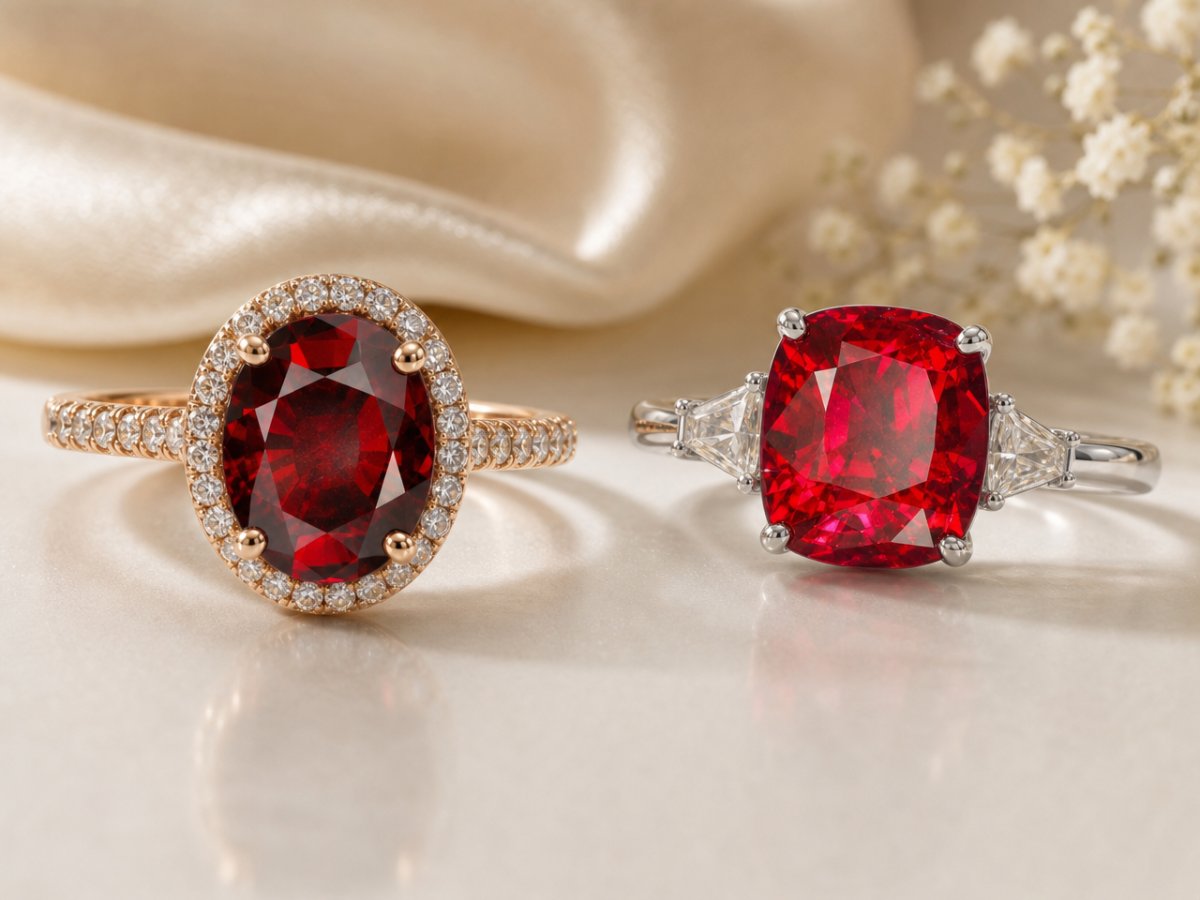
Ruby: The Classic Durable Red Engagement Gemstone
Ruby is the red variety of corundum and has a Mohs hardness of 9, making it one of the most scratch-resistant natural colored gemstones used in rings. This hardness, combined with its strong traditional association with fine jewelry, is why ruby is often the first gemstone considered for a red engagement ring.
Ruby color ranges from vivid red to pinkish red, purplish red and deeper crimson. Fine natural ruby with vivid color, good transparency and attractive cutting is rare, and that rarity is one reason top-quality stones can command high prices. Larger fine rubies are especially selective purchases; small differences in tone, saturation, clarity and treatment can make a meaningful difference in appearance and value.
Inclusions are common in natural ruby. They are not automatically a problem. For jewelry selection, it is often more useful to ask whether the ruby is eye-clean or attractively transparent, whether inclusions reduce brilliance, and whether any surface-reaching fractures could affect durability. A flawless expectation is usually unrealistic for natural ruby, especially in fine red color.
Treatment disclosure is particularly important with ruby. Heat treatment is common in the ruby market and may be accepted by many buyers when properly disclosed. Other treatments, including fracture filling or glass filling in some stones, can require different care and affect value. Always review the treatment disclosure for the individual loose ruby rather than assuming all rubies are treated the same way.
Red Spinel: Durable, Brilliant and Desirable in Its Own Right
Red spinel deserves serious consideration for engagement rings. With Mohs hardness of 8 and generally good wearability, it offers a strong practical balance for a ring that may be worn often. Fine red spinel can show vivid red, pinkish red, crimson or slightly orangish red colors, and well-cut stones can be bright and lively.
Historically, some famous red stones were believed to be rubies before gemology distinguished spinel from corundum. That history is interesting, but modern buyers should not think of spinel only as a ruby substitute. Natural red spinel has its own beauty, rarity and character. It can be an excellent choice for someone who wants a durable red gemstone with strong brilliance and a slightly less expected identity.
Spinel is often found with little or no treatment, but buyers should still check the disclosure for the specific stone. As with ruby, color and cut are critical. A well-cut red spinel can look more lively than a poorly cut stone with a famous name.
Red Garnets: The Broadest Range of Red Looks
Garnet is not a single gemstone color. The garnet family includes many red and reddish varieties, from classic dark red almandine and pyrope to brighter red material and the red-to-purplish-red tones commonly associated with rhodolite. This variety makes garnet useful for many engagement-ring styles, especially when the design calls for a rich color, a larger center stone or a vintage look.
Almandine garnet is often associated with deep red, burgundy and wine-red colors. It can look traditional and elegant, especially in yellow gold or antique-inspired settings. The main caution is darkness: some stones can appear nearly black in low light or in larger sizes.
Pyrope garnet often shows deep crimson to red tones. Like almandine, it can be beautiful, but the cut and tone should be checked carefully so the stone does not look too dark face-up.
Rhodolite garnet is commonly appreciated for red to purplish red, raspberry and wine-like colors. It can look brighter and more romantic than very dark garnet varieties, making it a strong option for halos, three-stone rings and color-rich vintage designs.
Most red garnets are harder than many decorative gemstones, but they are not as scratch-resistant as ruby or spinel. For everyday engagement-ring wear, choose a setting that protects edges and corners, and avoid wearing the ring during activities that expose it to knocks or abrasion.
Rubellite and Red Tourmaline: Vivid Pinkish-Red to Raspberry Color
Rubellite is the name commonly used for richly colored pink to red tourmaline. For engagement rings, it is especially appealing when the desired color is vivid pinkish red, raspberry red or purplish red rather than classic ruby red. Transparent, well-cut rubellite can be lively and expressive, particularly in rose gold or white-metal designs with diamond accents.
Tourmaline has a Mohs hardness of about 7 to 7.5, so it can be used in rings, but it requires more care than ruby or spinel. It is a better choice for a wearer who is comfortable removing the ring during rough work, sports, gardening or heavy cleaning. A bezel, halo or low-profile setting can help reduce exposure to impact.
Red Zircon: Bright, Fiery and Best for Careful Wear
Red zircon should not be confused with cubic zirconia. Natural zircon is a real gemstone and can show impressive brilliance and fire. Red and reddish zircon can appeal to buyers who want an unusual red gemstone with sparkle and character.
For engagement rings, zircon needs careful consideration. It is generally less forgiving than ruby or spinel and can show wear on facet edges if exposed to daily abrasion. If selected for a ring, red zircon is best in a protective setting and for someone who does not expect the ring to handle rough everyday use.
Which Red Gemstone Is Best for an Engagement Ring?
There is no single best red gemstone for every engagement ring. The right choice depends on the wearer's lifestyle, color preference, setting design and budget priorities.
- Maximum durability: Ruby is the strongest traditional red choice, with red spinel close behind as a very practical option.
- Classic vivid red: Ruby is the benchmark, especially for buyers seeking a traditional fine-jewelry appearance.
- Untreated or minimally treated options: Red spinel and many garnets are often attractive to buyers who prefer stones commonly available with little or no treatment, but always check individual disclosure.
- High brilliance: Well-cut red spinel and red zircon can be very lively; zircon offers notable fire but needs more care.
- Larger gemstone for the budget: Garnet and rubellite often allow buyers to consider a larger visual presence than fine ruby, depending on quality and availability.
- Deep traditional red: Almandine and pyrope garnet are strong candidates, provided the stone is not overly dark.
- Pinkish or purplish red: Rhodolite garnet and rubellite tourmaline are excellent directions to explore.
- Unusual or less common choice: Red spinel, rubellite and red zircon offer distinctive alternatives to a ruby-centered design.
Choosing the Right Setting for a Red Gemstone
The setting affects both appearance and wearability. A durable gemstone still benefits from a well-designed mounting, and a more delicate gemstone may become more practical with added protection.
Solitaire Rings
A solitaire places all attention on the center stone. This style works especially well for ruby and red spinel because both can handle frequent wear when properly set. For garnet, tourmaline or zircon, consider a low-profile solitaire with secure prongs that protect the corners.
Halo Settings
A halo of white diamonds or colorless gemstones increases contrast and can make a red center stone look brighter and more defined. Halos also provide a degree of edge protection, which is useful for garnet, rubellite and zircon.
Bezel Settings
A bezel surrounds the gemstone with metal, protecting the girdle and reducing the chance of chipping. It is one of the best choices for active wearers or for gemstones that need extra care. Bezel settings can also give red stones a clean modern look.
Three-Stone and Cluster Designs
Three-stone rings can pair a red center stone with diamonds, colorless sapphire, white zircon or other light accents for contrast. Cluster designs are especially useful for garnets and rubellite because smaller stones can create strong color coverage while reducing the exposure of one large center stone.
Vintage-Inspired Designs
Red gemstones suit milgrain, filigree, engraved shoulders and antique-inspired mountings particularly well. Deep garnets look traditional in these styles, while ruby and spinel give a more classic fine-jewelry impression.
Metal Color and Red Gemstones
Metal color changes how red is perceived. Yellow gold warms red gemstones and can make deep crimson, burgundy and orangish-red stones look richer. Rose gold creates a soft romantic effect, especially with pinkish red, raspberry and purplish red gems such as rubellite and rhodolite. White gold and platinum create stronger contrast and a cooler, more modern appearance.
White diamonds or colorless gemstone accents can sharpen the visual edge of a red center stone. This contrast is particularly helpful when the red gemstone has a darker tone, because bright accents can keep the overall ring from appearing too heavy.
Size, Carat Weight and Face-Up Presence
Carat weight does not translate directly from one gemstone species to another. Ruby, spinel, garnet, tourmaline and zircon have different specific gravities, and cut proportions also affect how large a stone appears from the top. A one-carat ruby will not necessarily have the same face-up dimensions as a one-carat garnet or tourmaline.
When comparing loose gemstones for a ring, dimensions are often more useful than carat weight alone. Look at the millimeter size, shape, depth, and how the stone appears in photographs. A well-proportioned stone with good spread may give better visual presence than a heavier stone cut too deep.
Clarity and Inclusions in Natural Red Gemstones
Natural red gemstones often contain inclusions. Ruby in particular is frequently included, and fine color may be valued even when the stone is not perfectly clean. Garnet and spinel can often be found with good transparency, while rubellite may show inclusions depending on the material.
For engagement rings, the most useful clarity questions are practical: Does the stone look clean to the unaided eye? Is it transparent enough to show good brightness? Do inclusions distract from the color? Are there fractures or surface-reaching features that could affect durability? A gemstone does not need to be flawless to be beautiful and wearable, but it should be appropriate for the setting and expected use.
Red Gemstones That Require More Care
Garnet, rubellite and red zircon can all make attractive engagement rings, but they should be worn with more care than ruby or spinel. Remove these rings before heavy work, exercise, gardening, household chemicals or activities where the gemstone may be struck. Protective bezels, halos, lower settings and rounded shapes can reduce risk.
Very included stones, stones with sharp corners, and high-set rings are more vulnerable regardless of gemstone type. If choosing a softer or more brittle red gemstone, discuss setting protection with the jeweler before the ring is made.
How to Compare Loose Red Gemstones Before Buying
A gemstone variety name is only the starting point. When comparing natural loose red gemstones at GemSelect or elsewhere, review the actual photographs, dimensions, color description, clarity, cut, treatment disclosure and price for each individual stone. Two rubies, spinels or garnets of the same weight can look very different in a finished ring.
For an engagement ring, choose the stone and the setting together. A vivid ruby may be ideal for a refined solitaire, a red spinel may suit a modern halo, a rhodolite garnet may shine in a vintage-inspired design, and a rubellite may be perfect when the desired color is romantic raspberry red. The best result comes from matching the gemstone's beauty with realistic expectations for wear.
Conclusion
Ruby is the classic durable red gemstone for engagement rings, but red spinel, garnet, rubellite and red zircon each offer distinct advantages. The smartest choice is the stone that fits the wearer's lifestyle, color preference and design goals. Compare individual loose gemstones carefully, pay attention to treatment disclosure and dimensions, and choose a setting that supports both beauty and long-term wearability.