


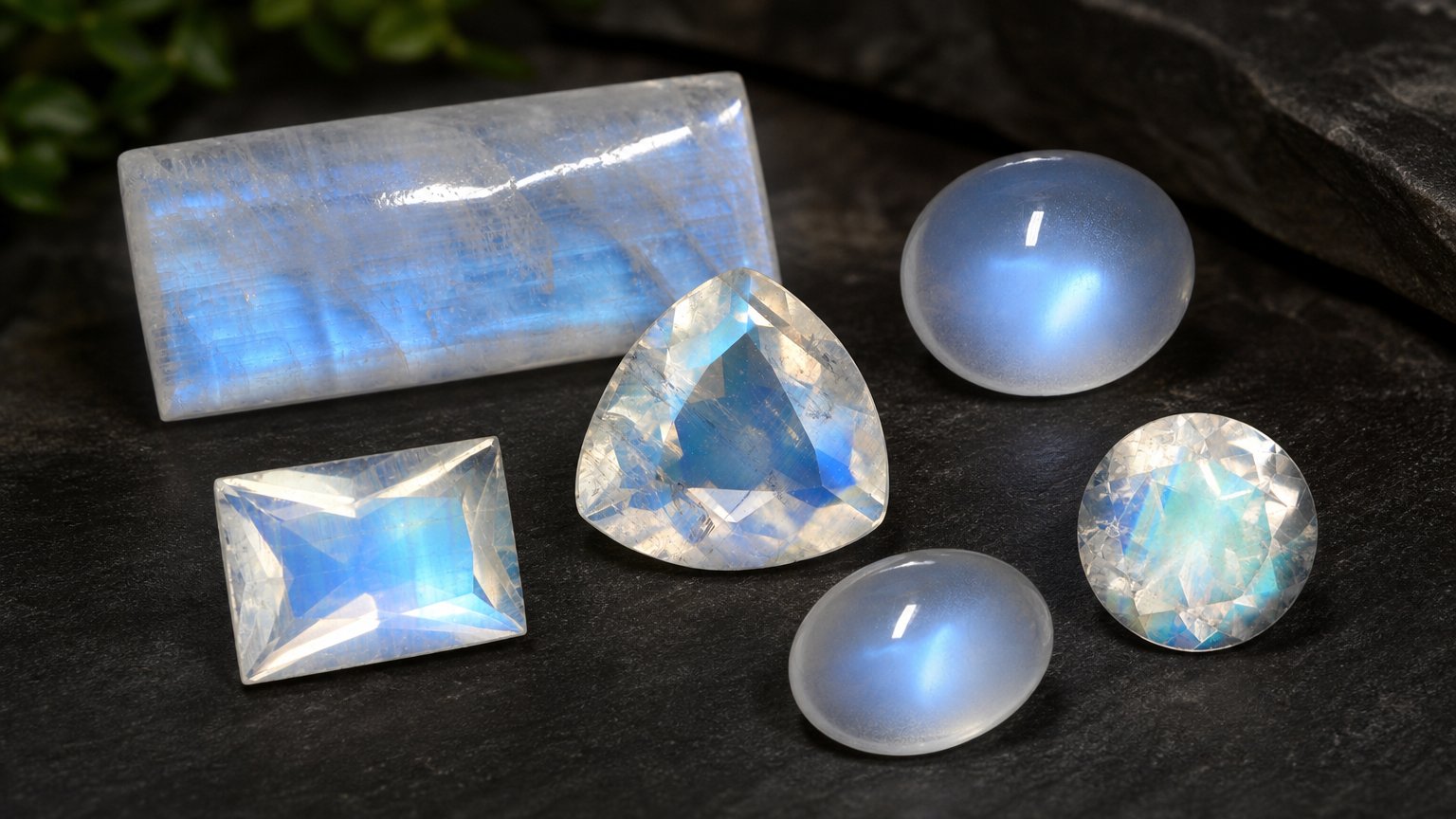
Rainbow moonstone is a feldspar gemstone valued by buyers who want a soft, luminous-looking gem with a multicolor appearance. It is especially popular in jewelry that highlights the face-up beauty of the stone, including necklaces, rings and pendants. For many shoppers, the attraction is not a single body color but the way the stone presents shifting color and light when viewed from different angles.
This buying guide explains what to look for before purchasing rainbow moonstone, including color, cut, shape, durability, treatments, origin and practical jewelry use. The goal is to help you compare stones confidently and choose a gem that suits your design, budget and wearing habits.
What Is Rainbow Moonstone?
Rainbow moonstone is a variety of moonstone and belongs to the feldspar mineral group. Its chemical formula is (Ca,Na)(Al,Si)₄O₈, and it crystallizes in the triclinic crystal system. For buyers, the most important point is that rainbow moonstone is purchased primarily for its attractive multicolor appearance and overall visual effect rather than for brilliance in the same way as diamond, sapphire or other highly faceted gems.
Because rainbow moonstone is part of the feldspar family, it should be judged with attention to both beauty and practicality. It has a Mohs hardness of 6 to 6.5, which makes it suitable for many jewelry styles but also means it benefits from thoughtful setting choices and careful wear, particularly in rings.
Color and Appearance: What Buyers Should Look For
The defining color category for rainbow moonstone is multicolor. When comparing stones, look at the gem face-up under normal lighting and move it gently to see how the colors appear from different angles. A pleasing stone should show an attractive face-up appearance, good color visibility and a balanced overall look.
Rainbow moonstone is often selected because it offers more visual movement than a plain single-color gem. However, not every stone will look the same. Some may show stronger multicolor flashes across a larger area, while others may display color in smaller zones. Personal preference matters: jewelry designers may prefer a subtle stone for an understated pendant, while collectors may choose a gem with a more dramatic visual presence.
Color Distribution
When buying, consider how evenly the multicolor effect appears across the stone. A concentrated flash can be attractive if it is well placed, especially in a ring or pendant where the center of the gem is the focus. A broader, more even display can be desirable for earrings, necklaces or matched layouts. Avoid judging a stone from only one angle; rotate it slowly and inspect it from the top and sides.
Body Appearance and Surface Quality
In addition to color, examine the surface and general clarity impression. Rainbow moonstone is commonly cut as a cabochon, so scratches, pits, chips and polishing marks can be more visible on the smooth dome. A well-polished surface helps the stone look clean and attractive in finished jewelry. If the gem is intended for a ring, pay extra attention to the girdle and edges, as these areas are more exposed during wear.
Cut Styles: Why Cabochons Are So Common
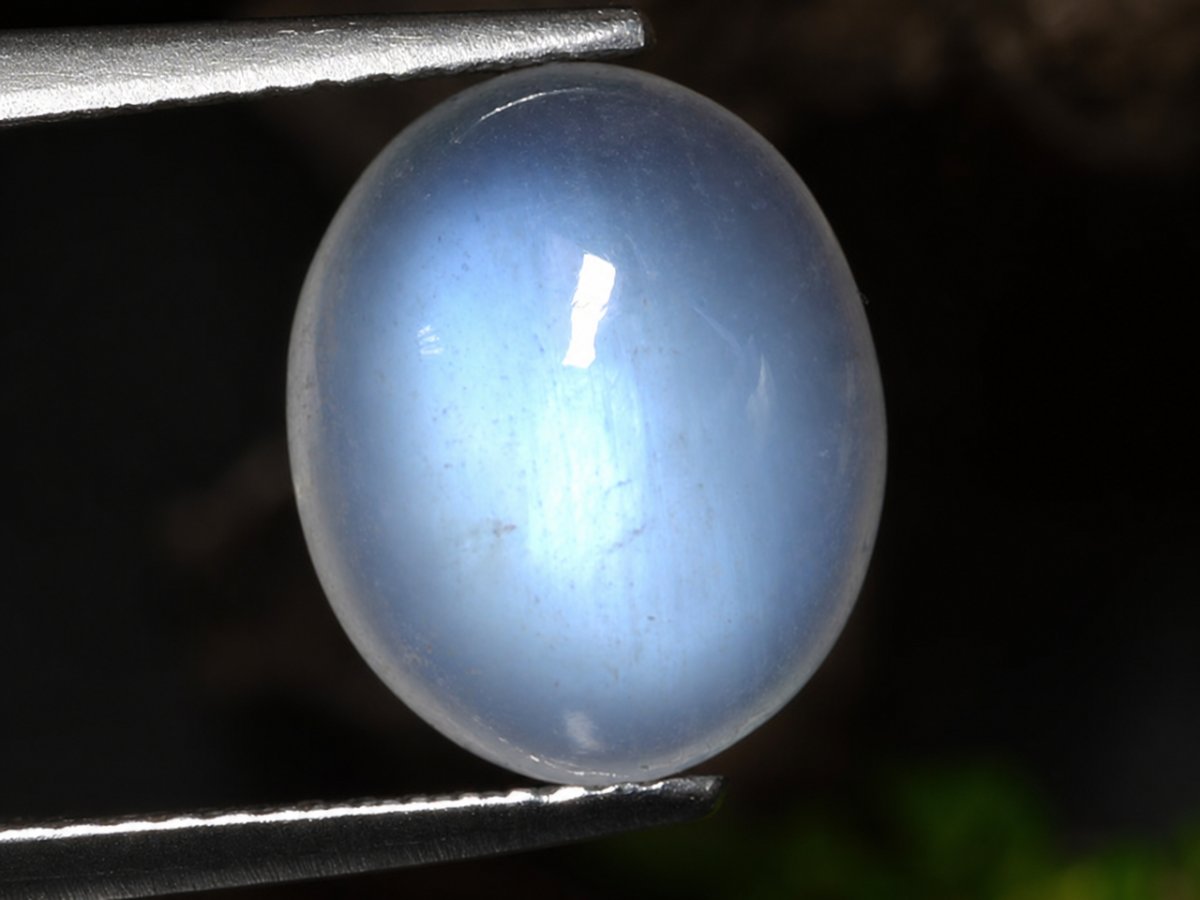
The most common cut style for rainbow moonstone is the cabochon. A cabochon has a smooth, rounded top rather than many flat facets. This style is especially suitable for gemstones where the face-up glow, color movement or surface effect is the main attraction. A good cabochon should have an appealing outline, a smooth polish and a dome that helps present the color attractively.
Faceted rainbow moonstone is also available, as are carved stones. These are less central to typical buying decisions than cabochons but can be excellent choices for certain designs. Faceted stones may suit buyers who want a more gem-like shape with flat surfaces, while carvings can be useful for artistic jewelry, collector pieces or custom work.
How to Judge a Rainbow Moonstone Cabochon
When comparing cabochons, look for symmetry, polish and visual orientation. The outline should match the stated shape, the dome should not look awkwardly flat or uneven, and the stone should display its multicolor appearance well from the viewing angle intended for jewelry. A cabochon does not need to be extremely high-domed to be attractive, but it should feel intentional and balanced.
Shapes and Sizes
Rainbow moonstone is commonly found in oval and pear shapes, both of which work well in rings, pendants and necklaces. Oval shapes are versatile and easy to set, while pear shapes offer a more elongated, elegant look. Cushion, round, marquise and fancy shapes are also seen and may be useful for designers who want a specific style or layout. Baguette and square shapes can appear as well, though they are less central to the usual rainbow moonstone selection.
When choosing size, think about the finished jewelry piece. Larger cabochons can show more of the stone’s multicolor appearance, especially in pendants or statement rings. Smaller stones may be better for earrings, accent designs or delicate necklaces. Always consider the proportions of the stone, not just carat weight, because cabochons can vary in depth and spread.
Origins of Rainbow Moonstone
Rainbow moonstone is associated with several important sources, including India and the United States. Other known origins include Madagascar, Sri Lanka, Myanmar and Tanzania. For most buyers, origin can be interesting, but the appearance and suitability of the individual gem are usually more important than the country name alone.
Do not assume that a stone is better simply because it comes from a particular origin. Instead, compare the visible qualities: multicolor appearance, cut quality, polish, shape, size and condition. If origin is important to you as a collector or for design storytelling, choose a seller that provides clear information with the stone.
Gemological Properties
Rainbow moonstone has a Mohs hardness of 6 to 6.5. Its refractive index is 1.559 to 1.573, and its specific gravity is 2.68 to 2.72. These gemological properties help identify and understand the material, but for most jewelry buyers, hardness is the most practical of these numbers.
The Mohs scale measures resistance to scratching. A hardness of 6 to 6.5 means rainbow moonstone is harder than many softer decorative materials but not as hard as quartz, topaz, sapphire or ruby. It can be worn in jewelry, but it should not be treated like a very hard everyday gemstone. The refractive index relates to how light bends within the gem, while specific gravity describes density compared with water. These values are more useful for gemological identification than for choosing a design.
Durability and Everyday Wear
Rainbow moonstone can be used in necklaces, pendants, earrings, brooches and rings, but each jewelry type exposes the gem to different levels of wear. Necklaces and pendants are often practical choices because they receive fewer knocks than rings. Earrings and brooches can also be good options for buyers who want beauty with reduced exposure to impact.
Rings require more care because hands come into contact with hard surfaces throughout the day. If you choose rainbow moonstone for a ring, consider a protective setting, careful wear and removal during activities that may scratch or strike the stone. It is a suitable gemstone for ring use, but it is best chosen with realistic expectations about care.
Care Tips for Rainbow Moonstone Jewelry
Clean rainbow moonstone gently with mild soap, lukewarm water and a soft cloth. Avoid harsh chemicals, abrasive cleaners and rough handling. Store it separately from harder gemstones to reduce the risk of scratches. For rings, inspect the setting periodically to make sure the stone remains secure.
Treatments
Rainbow moonstone is commonly associated with untreated material. For buyers, this is useful because many people prefer gems whose appearance is natural and not dependent on enhancement. When purchasing, check the product details and ask the seller if any treatment information is provided.
GemSelect clearly lists available gemstone details where relevant, including treatment information. As with any gemstone purchase, transparency is important. If a stone is described as untreated, it means the gem has not been enhanced by treatment according to the information supplied for that item.
Jewelry Uses and Design Considerations
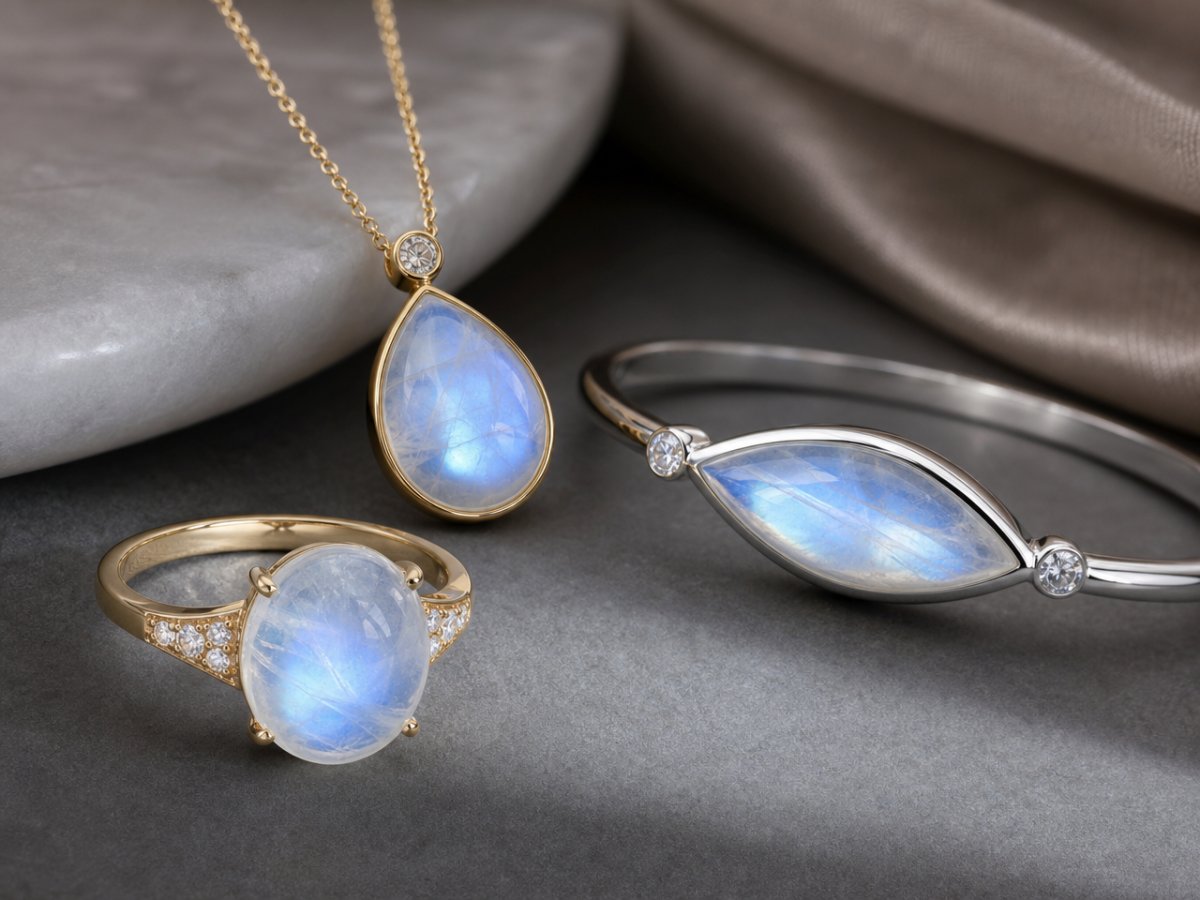
Rainbow moonstone is used in necklaces, rings and pendants, with brooches and earrings also suitable options. Its multicolor appearance makes it useful in both simple and decorative designs. A single cabochon can be the focus of a pendant, while matched stones can be used for earrings or balanced necklace layouts.
For rings, consider bezel or protective settings if the design will be worn often. Prong settings can show more of the stone but may leave edges more exposed. For pendants and necklaces, the setting can be more open because the gem is less likely to receive direct impact. Brooches offer room for larger or more artistic stones, including carvings and fancy shapes.
How to Buy Rainbow Moonstone: Practical Checklist
1. View the Stone Face-Up
Most rainbow moonstone jewelry is viewed from the top, so begin your assessment face-up. Look for attractive multicolor appearance, good polish and an appealing overall shape.
2. Rotate the Gem
Move the stone under light to understand how the color appears at different angles. A gem that looks attractive from several viewpoints may be easier to enjoy in jewelry.
3. Check the Cut Quality
For cabochons, inspect the dome, outline and polish. For faceted or carved stones, look for symmetry, clean finishing and a style that suits the intended design.
4. Choose the Right Shape
Oval and pear shapes are especially versatile. Round, cushion, marquise and fancy shapes can create a different design character. Match the shape to the jewelry style and setting.
5. Match Durability to Use
For everyday rings, choose settings and wearing habits that protect the gem. For lower-impact jewelry such as pendants, necklaces, earrings and brooches, rainbow moonstone can be easier to wear with confidence.
6. Confirm Treatment Information
Because rainbow moonstone is commonly untreated, buyers often look for clear treatment disclosure. Review the product listing before purchase.
7. Consider Origin as Supporting Information
Origin may interest collectors and designers, but it should not replace visual evaluation. A beautiful, well-cut stone is valuable to the buyer because of how it looks and performs in the intended jewelry piece.
Rainbow Moonstone as a June Birthstone
Rainbow moonstone is associated with June, making it a meaningful choice for birthstone jewelry. A pendant, necklace or ring can be selected for a June birthday, while earrings or brooches offer alternatives for those who prefer occasional-wear pieces. When buying birthstone jewelry, balance symbolism with practicality by choosing a design that fits the wearer’s lifestyle.
Summary
Rainbow moonstone is a multicolor feldspar gemstone and a variety of moonstone. Buyers should focus on face-up appearance, cabochon quality, polish, shape, durability and treatment disclosure. Cabochons are the most common and often the best way to appreciate the stone’s visual character, while faceted and carved options can be attractive for specific designs.
For jewelry, rainbow moonstone is well suited to necklaces, pendants, earrings, brooches and carefully worn rings. Its Mohs hardness of 6 to 6.5 means it should be handled with more care than harder everyday gems, especially in rings. By comparing stones under good lighting and choosing a setting appropriate to the intended use, buyers can select rainbow moonstone with confidence.
