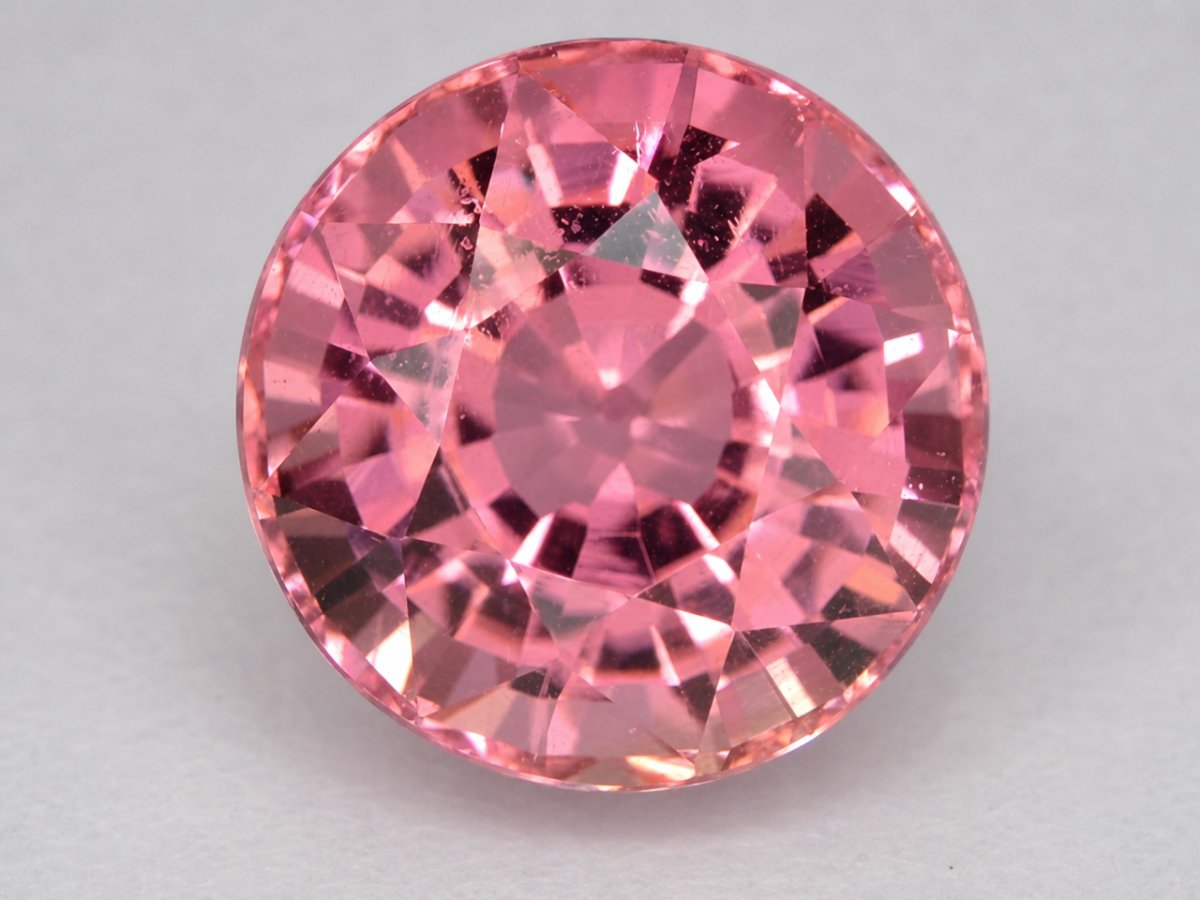


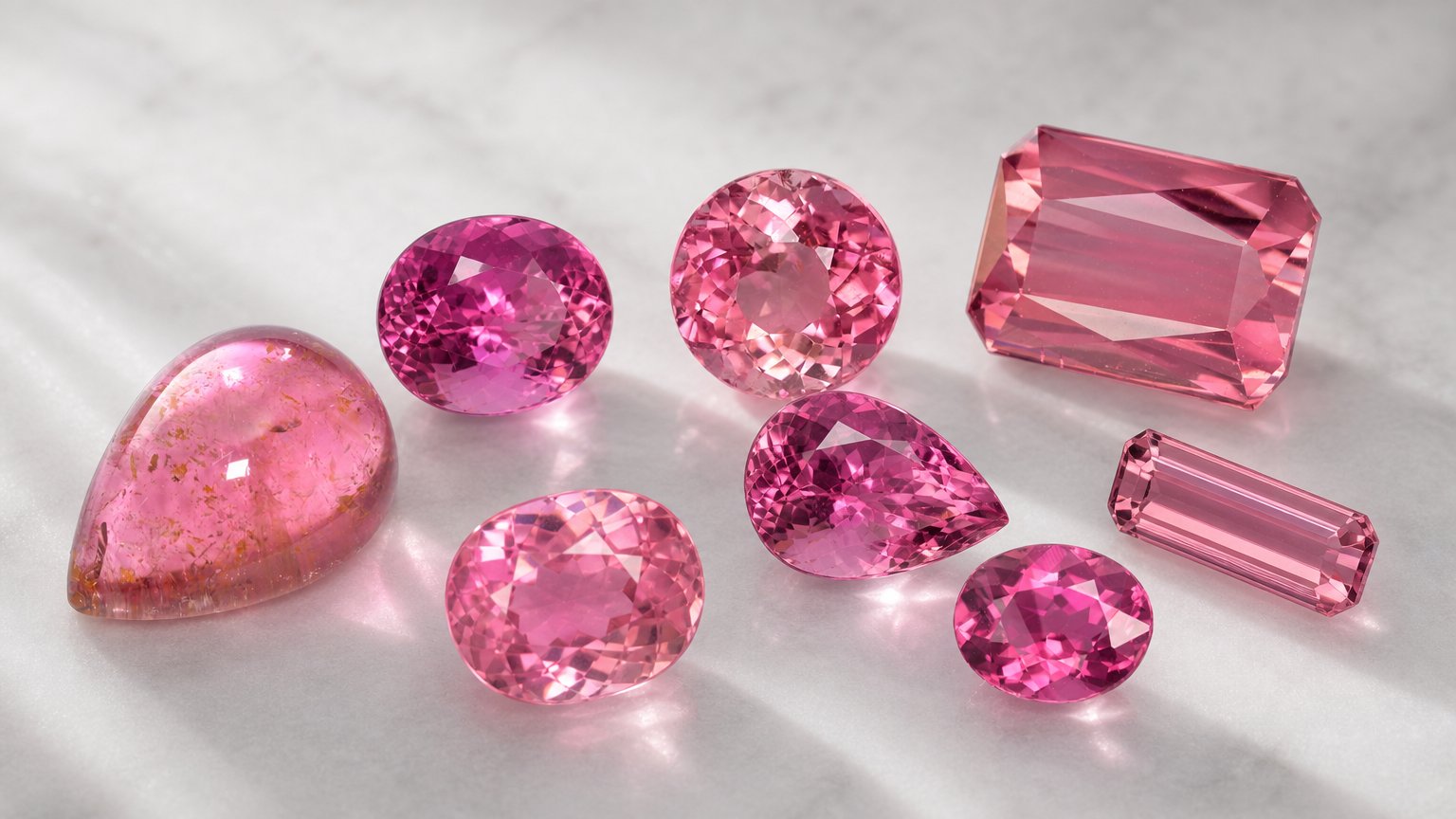
Pink tourmaline is chosen for its appealing pink color, wide jewelry versatility and connection with the tourmaline gem family. For buyers, the main questions are usually practical: which shade looks best, which cut suits the design, whether the stone is suitable for a ring or earrings, and what information should be checked before purchasing. This guide explains the key points to consider when buying pink tourmaline so you can compare gemstones with confidence.
Pink tourmaline is a variety of tourmaline associated with the mineral species elbaite. It is used in many types of jewelry, especially rings and earrings, and it is also selected for pendants, necklaces, fashion rings and engagement ring designs. It is also associated with October as a birthstone, making it a meaningful choice for personal jewelry or gifts.
What Is Pink Tourmaline?
Pink tourmaline is the pink variety within the tourmaline group, with the verified species association of elbaite. The most important identifying feature for buyers is its color: pink. Unlike gems that are commonly marketed in many color categories, pink tourmaline is purchased primarily for the beauty and suitability of its pink appearance.
When buying, it is helpful to think of pink tourmaline as both a gem material and a design element. A loose stone may look soft and romantic in one cut, brighter and more lively in another, or more architectural in an emerald cut or octagon shape. The best choice depends on the jewelry style, the wearer’s taste and how the gem will be used.
Color and Appearance: What to Look For
Color is the first consideration for most pink tourmaline buyers. Since pink is the defining color, compare stones under normal viewing conditions and look for a tone that fits your design. Some buyers prefer a delicate, lighter pink for elegant earrings or a subtle pendant. Others prefer a more saturated pink appearance for rings or statement pieces.
When judging color, look at the stone face-up, as it will be viewed in jewelry. A gem can appear different depending on its cut, depth and lighting. If you are choosing stones for a matched pair of earrings or side stones in a ring, pay close attention to how closely the pink color matches from one gem to another. Even small differences can be noticeable when stones are set side by side.
Color Consistency
For a single centerpiece, exact uniformity is not always the main priority; overall beauty matters more. For pairs, sets or multi-stone designs, consistency becomes more important. If you are buying several pink tourmalines for a bracelet, earrings or a necklace layout, compare them as a group rather than one at a time.
Personal Preference Matters
Pink tourmaline does not need to fit one narrow appearance standard to be attractive. A soft pink stone may be perfect for a classic pendant, while a stronger pink may suit a ring intended to draw attention. The most practical buying approach is to choose the color that suits the jewelry design and the wearer.
Clarity and Transparency Considerations
Clarity refers to the presence or absence of internal features and surface-reaching characteristics that may be visible in a gemstone. For buyers, the key question is simple: do any visible features affect the beauty or intended use of the stone?
Examine a pink tourmaline from the top and at slight angles. If a feature is obvious to the unaided eye and distracts from the color or sparkle, it may not be the best choice for a prominent ring or pendant. In earrings or smaller stones, minor features may be less noticeable once the gems are set. Cabochon-cut stones, where the gem is shaped and polished rather than faceted, can have a different visual character from faceted stones and should be judged for smooth polish, pleasing shape and overall appearance.
If you are buying online, use clear photos, videos where available and accurate measurements. GemSelect provides individual gemstone details that allow buyers to compare stones by appearance, size, shape and stated treatment information.
Cut Styles and Shapes
Cut has a major effect on how pink tourmaline looks in jewelry. In this guide, “cut” refers to the cutting style and proportions of the gemstone, while “shape” refers to its outline, such as oval, round or pear. Both affect the final appearance.
Faceted Pink Tourmaline
Faceted pink tourmaline is a common choice for jewelry because facets can create brightness and visual movement. Faceted stones work well in rings, earrings, pendants and necklaces. When comparing faceted stones, check that the outline is balanced, the table area looks centered and the stone has an attractive face-up appearance.
Emerald Cut and Step Cut
Emerald cut pink tourmaline is especially worth considering if you like a clean, elegant look. Emerald cuts typically have a rectangular or octagonal outline with step-like facets. Step cuts emphasize shape, symmetry and color rather than a very busy sparkle pattern. Because of their open style, buyers should pay close attention to the overall appearance and any features visible through the table.
Octagon shapes are strongly associated with pink tourmaline selections and often pair naturally with emerald or step-cut styles. They can look refined in rings and pendants and are useful when a design calls for straight lines and a polished, geometric feel.
Oval, Round and Pear Shapes
Oval, round and pear shapes are popular and versatile choices. Oval pink tourmaline can make efficient use of space in rings and pendants and often gives a graceful appearance. Round stones are easy to use in many classic jewelry settings, including earrings and rings. Pear-shaped pink tourmaline works well in pendants, drop earrings and designs that benefit from a tapered outline.
Other Shapes and Specialty Cuts
Cushion and trillion shapes are also found in pink tourmaline and can create a more distinctive design. Heart, marquise and square shapes may appeal to buyers seeking a more specific style. Portuguese cuts may be available for buyers who enjoy more complex faceting, while cabochons offer a smooth, polished look rather than a faceted one.
Size and Measurements
When buying any loose gemstone, carat weight is only part of the picture. Measurements are equally important because they tell you how large the stone will appear and whether it will fit a particular setting. Two gems with similar weight can face up differently depending on depth, outline and cutting style.
For rings, confirm the length, width and depth before selecting a setting. For earrings, consider both visual size and matching. For pendants, a larger face-up size may be desirable, but the stone should still match the design and metalwork. If you are replacing a stone in an existing setting, measurements are more important than weight.
Origins of Pink Tourmaline
Pink tourmaline is associated with several important origins. Brazil and Mozambique are especially notable origins for pink tourmaline in the verified knowledge for this guide. Afghanistan and Nigeria are also important sources, while Madagascar and Pakistan are additional known origins.
Origin can be interesting to collectors and can add context to a purchase, but it should not be the only buying factor. For most jewelry buyers, the stone’s color, cut, size, clarity appearance, treatment disclosure and suitability for the intended design are more important than origin alone. If origin is important to you, look for a seller that provides the available origin information clearly and avoid assuming origin based only on appearance.
Treatments and Disclosure
The treatment information associated with pink tourmaline in this guide is untreated. For buyers, treatment disclosure is important because it helps you understand what you are purchasing and compare gemstones more fairly.
When a gemstone is described as untreated, it means no treatment is stated for that stone. Buyers who specifically want an untreated pink tourmaline should review the listing details carefully and ask for clarification if needed. At GemSelect, treatment information is presented as part of the gemstone’s purchase details when available, helping buyers make more informed decisions.
Durability and Everyday Wear
Durability is an important consideration for any colored gemstone purchase, especially for rings. Pink tourmaline is used in rings, earrings, pendants and necklaces, but the type of jewelry affects how much wear the stone will receive.
Earrings and pendants are generally less exposed to knocks than rings, so they can be a practical choice for buyers who want to enjoy pink tourmaline with lower risk of impact. Rings, including fashion rings and engagement ring designs, are more exposed during daily activities. If choosing pink tourmaline for a ring, consider a protective setting style, avoid rough wear and remove the ring during activities that could cause impact or abrasion.
Good jewelry design helps protect the gemstone. Prongs should hold the stone securely, and exposed points on pear, marquise or trillion shapes may benefit from thoughtful setting protection. For octagon, emerald cut or step-cut stones, make sure the corners are properly supported.
Best Jewelry Uses for Pink Tourmaline
Rings
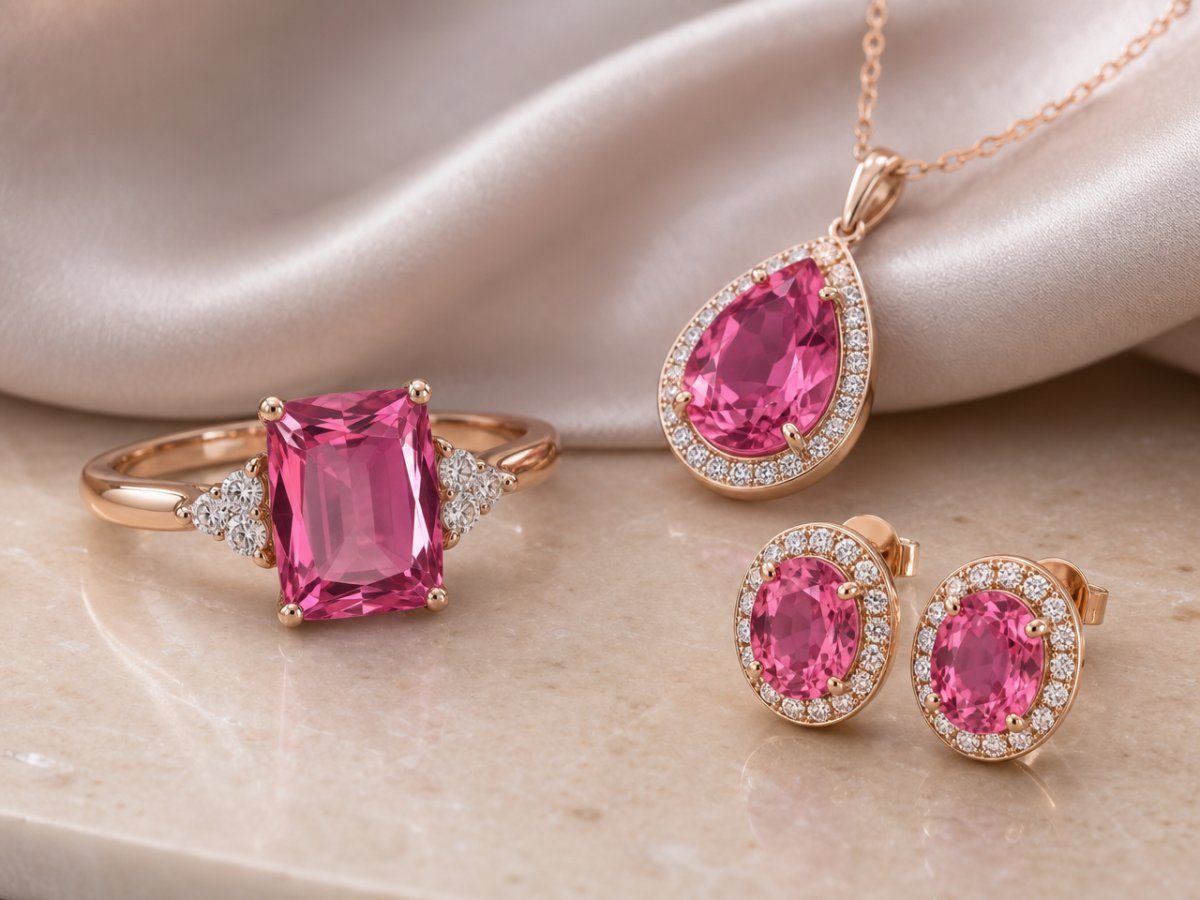
Pink tourmaline is commonly used in rings and can be selected as a center stone or accent stone. For rings, look for a balanced cut, attractive face-up color and a setting that suits the shape. Oval, round, pear and octagon shapes are all practical options depending on the design.
Engagement Rings
Pink tourmaline can be used in engagement ring designs by buyers who prefer a colored gemstone rather than a traditional clear center stone. For this use, practical setting design is especially important because engagement rings are often worn frequently. Choose the stone carefully, consider how exposed it will be, and use a jeweler who understands colored gemstone settings.
Earrings
Earrings are one of the most natural uses for pink tourmaline. Matching pairs in oval, round, pear or other balanced shapes can create a refined look. Because earrings are viewed together, matching color, size and shape is especially important.
Pendants and Necklaces
Pink tourmaline pendants and necklaces allow the color to be displayed prominently while usually receiving less impact than rings. Pear shapes can be particularly attractive in pendant designs, while oval, round and octagon shapes offer classic versatility.
How to Buy Pink Tourmaline: A Practical Checklist
1. Start with the Jewelry Design
Before comparing stones, decide how the gemstone will be used. A ring center stone, matched earrings and a pendant each have different priorities. Rings need careful setting consideration, earrings need matching, and pendants often benefit from a strong face-up appearance.
2. Choose the Pink Color You Prefer
Compare the color in the viewing position in which the stone will be worn. Decide whether you prefer a softer pink or a more vivid pink appearance. For multi-stone jewelry, compare stones together to confirm harmony.
3. Select the Shape and Cut Style
For a classic and versatile appearance, consider oval, round or pear shapes. For a more structured look, consider octagon shapes, emerald cuts or step cuts. If you prefer a smooth, non-faceted appearance, a cabochon may be suitable. Portuguese cuts and other specialty styles can offer a distinctive look when available.
4. Review Measurements, Not Only Carat Weight
Check length, width and depth, particularly if the stone is intended for a specific setting. Face-up size and proportions matter as much as weight in finished jewelry.
5. Check Clarity by Eye
Look for anything that distracts from the stone’s beauty. A feature that is barely noticeable in a pendant may be more visible in a large ring center stone. Use photos and details to make a realistic decision.
6. Confirm Treatment Information
If untreated status is important to you, check the listing information. Treatment disclosure is part of responsible gemstone buying and helps you compare options properly.
7. Consider Origin as Context
Brazil and Mozambique are especially important origins for pink tourmaline, with Afghanistan, Nigeria, Madagascar and Pakistan also associated with the gem. Origin may interest collectors, but appearance and suitability should remain central for most jewelry purchases.
Pink Tourmaline as an October Birthstone
Pink tourmaline is associated with October, which makes it a thoughtful choice for birthstone jewelry. Earrings, rings and pendants are all suitable formats for an October gift. When buying as a gift, consider the recipient’s preferred jewelry style: simple studs, a delicate pendant, a colored gemstone ring or a more expressive fashion design.
Summary
Buying pink tourmaline is mainly about balancing color, cut, shape, size, treatment disclosure and intended jewelry use. Its pink color gives it immediate appeal, while common shapes such as oval, round, pear and octagon provide many design possibilities. Emerald cuts, step cuts and faceted styles offer refined options, while cabochons provide a smoother look. Brazil and Mozambique are especially notable origins, with other known sources including Afghanistan, Nigeria, Madagascar and Pakistan.
For the most confident purchase, choose a pink tourmaline that looks attractive to you, fits the jewelry design and comes with clear information. Whether you are selecting a loose gemstone for a custom ring, a matched pair for earrings or an October birthstone pendant, careful comparison will help you find the right stone for your needs.