

Pearls have a distinctive appeal because their beauty comes from soft shine, rounded form and subtle body color rather than faceted brilliance. For buyers, the most important decisions are visual and practical: choose a color you like, a shape that suits the jewelry design, and a pearl with clear treatment disclosure and appropriate care expectations.
This guide explains the key points to check before buying pearl gemstones, including color, shape, durability, treatments, origins and jewelry suitability.
What Is Pearl?
Pearl is an organic gemstone composed mainly of calcium carbonate, with the chemical formula CaCO₃. Unlike many gemstones that are cut from mineral crystals, pearls are valued in forms that are naturally rounded, button-like, oval, pear-shaped, baroque or freeform.
Because pearls are relatively soft, they require more careful handling than harder jewelry stones. Their Mohs hardness is 2.5 to 4.5, which is an important factor when choosing how and where to wear them.
Pearl Color and Appearance
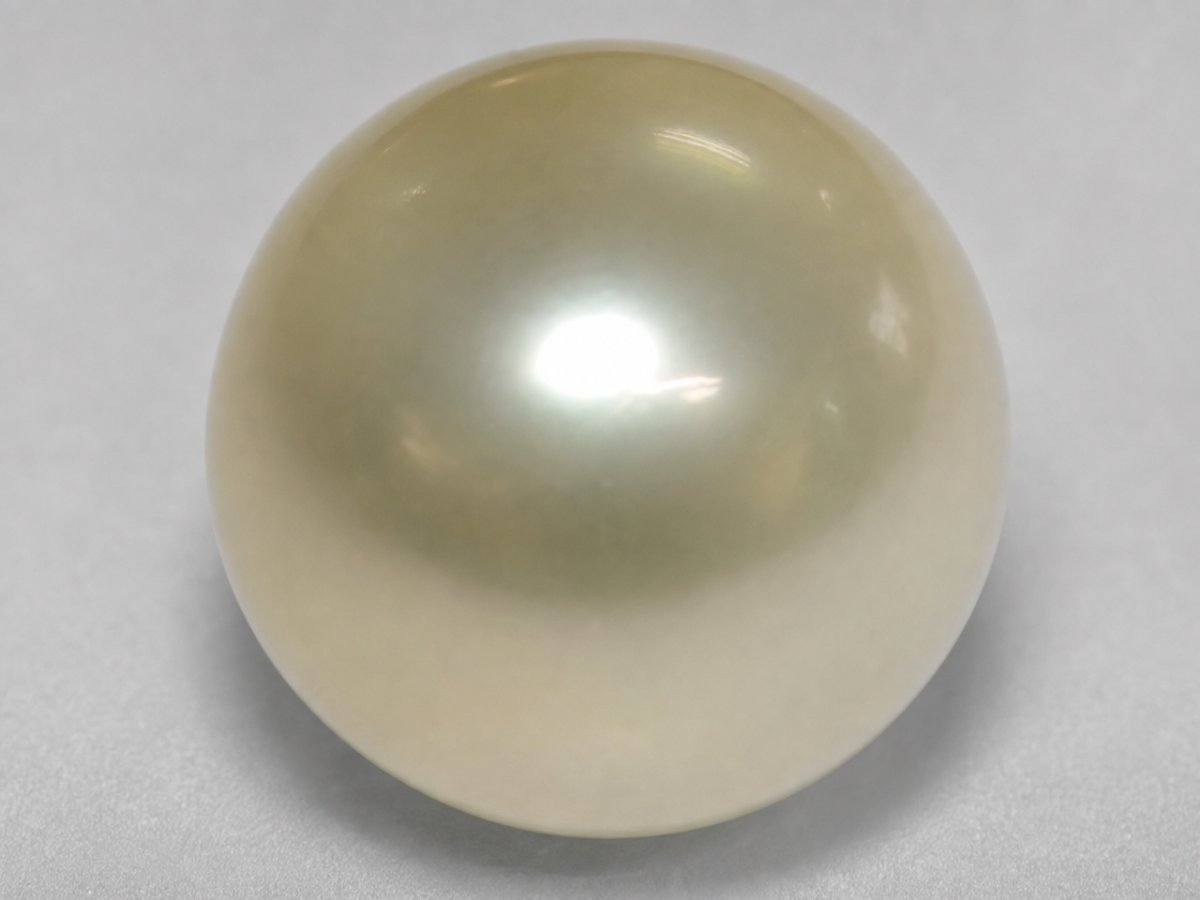
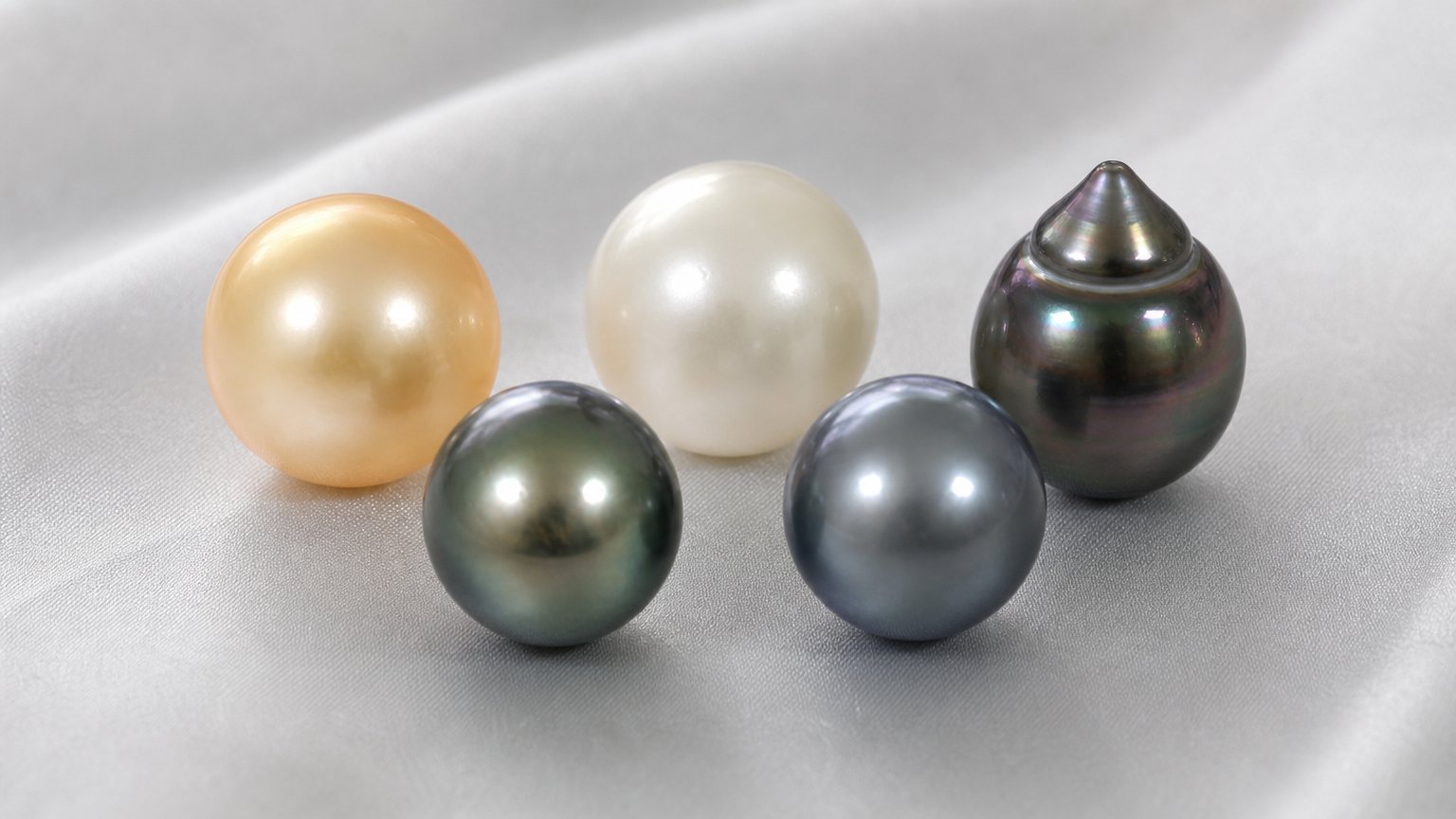
White and gray are among the most familiar pearl colors, with silver tones also widely appreciated for elegant jewelry. Pearls may also be found in black, green, pink, yellow and blue tones. When choosing color, consider the setting metal, skin tone, and whether the pearl is intended for everyday wear or a special piece.
Color preference is personal, but consistency matters when buying multiple pearls for earrings, necklaces or bracelets. For matched jewelry, compare the pearls under the same lighting and look for harmony in body color, tone and overall appearance.
Surface appearance is also important. Pearls are not judged like faceted transparent gems; instead, buyers should look at the smoothness of the surface, the evenness of the color and the quality of the shine. Minor natural surface features may be acceptable, especially in baroque or freeform pearls, but chips, obvious coating irregularities or heavy surface damage should be considered carefully.
Choosing Pearl Shape
Round or ball-shaped pearls are classic and work well in simple earrings, pendants and traditional pearl necklaces. They are often chosen when symmetry and a formal look are important.
Baroque and freeform pearls offer a more individual appearance. Their irregular shapes can be excellent for creative jewelry designs where uniqueness is part of the appeal. Button shapes can sit neatly in earrings or rings, while oval and pear shapes are attractive choices for pendants and drop earrings.
Pearl Origins
Pearls are associated with several important sources, including China, French Polynesia, Japan, Australia, Indonesia and Vietnam. Origin can be interesting for collectors and may be included in product descriptions, but for most buyers the visible quality, color, shape, treatment disclosure and suitability for the intended jewelry use are more important than origin alone.
Treatments and Disclosure
Many pearls in the market are cultured, and cultured freshwater pearls are an important category to understand when shopping. A cultured pearl is formed with human assistance rather than found entirely by chance in nature. This does not make it imitation; it is still a pearl, but the culture status should be clearly disclosed.
Pearls may also be dyed or coated. Dyed pearls can provide attractive colors, while coatings may alter appearance or surface effect. These treatments should be disclosed because they can influence care, long-term appearance and buyer expectations. When comparing pearls, check the product details carefully and buy from sellers who provide clear treatment information.
Durability and Care Considerations
Pearl has a Mohs hardness of 2.5 to 4.5, making it softer than many popular jewelry gemstones. This means pearls can be scratched by harder materials, including other gemstones and some metal surfaces. Store pearl jewelry separately in a soft pouch or lined compartment.
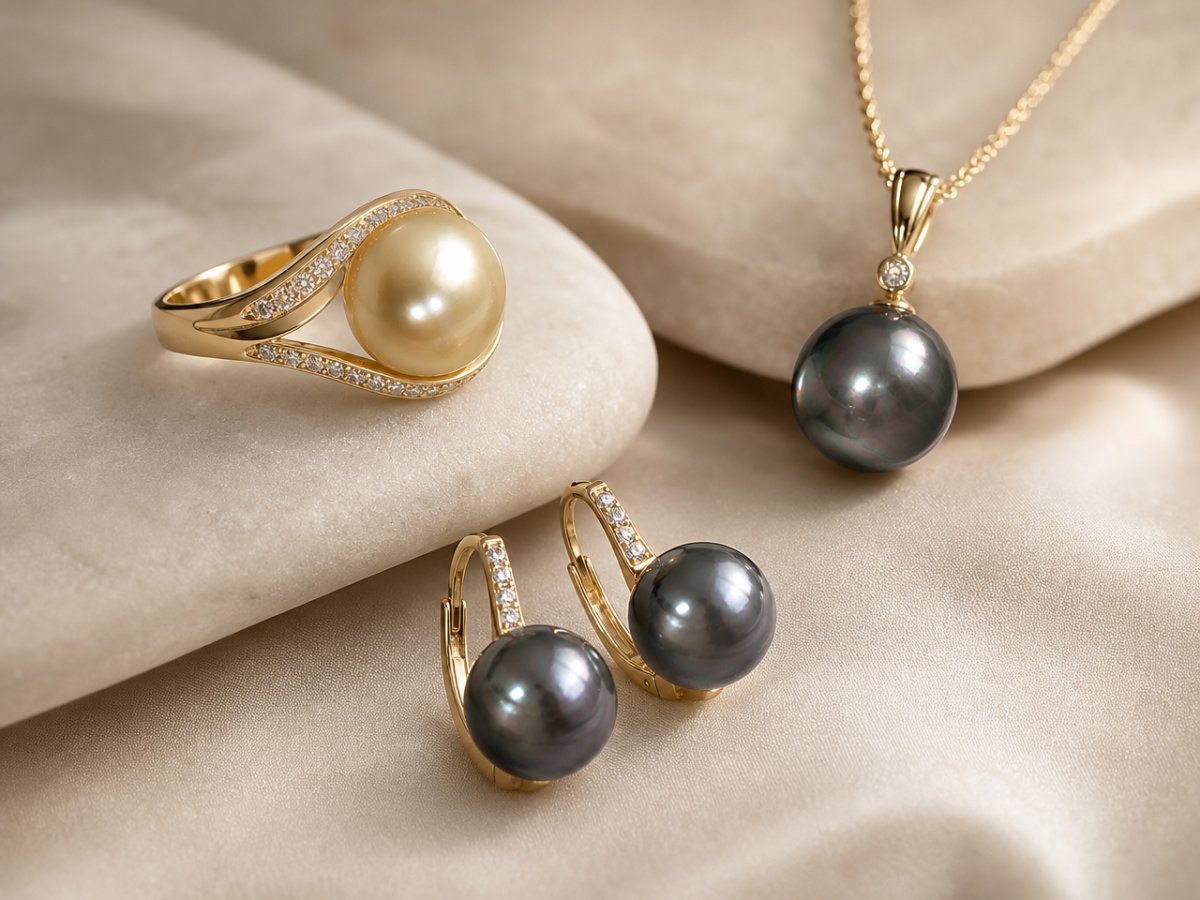
Pearls are best protected from rough wear, hard knocks and abrasive cleaning. They are especially well suited to necklaces, earrings and pendants because these jewelry types usually receive less impact than rings and bracelets. Rings, fashion rings and bracelets can be beautiful, but they need more mindful wear.
For cleaning, use gentle methods and avoid harsh abrasion. A soft cloth after wearing helps remove residues from skin contact and cosmetics. Pearls should be handled as fine jewelry rather than rugged everyday stones.
Best Jewelry Uses for Pearl
Pearl is a natural choice for necklaces, from single-pearl pendants to strands. Necklaces show pearl color and surface beautifully while keeping the gem away from the heaviest wear.
Earrings are also excellent for pearls because they protect the gem from impact while placing the pearl close to the face, where its soft glow is most noticeable. Pendants offer similar advantages.
Pearl rings and bracelets should be chosen with extra care. If you want a pearl ring, consider settings that give some protection and avoid wearing it during activities that may scratch or knock the pearl.
Practical Pearl Buying Checklist
- Choose the color first: White, gray and silver are versatile; black, green, pink, yellow and blue offer more distinctive looks.
- Match shape to design: Round pearls suit classic jewelry, while baroque and freeform pearls suit artistic or one-of-a-kind designs.
- Inspect the surface: Look for pleasing shine, even appearance and no obvious damage.
- Check treatment disclosure: Note whether the pearl is cultured freshwater, dyed or coated.
- Consider durability: Pearls are relatively soft, so necklaces, earrings and pendants are usually more practical than high-impact jewelry.
- Buy for the intended use: A pearl for occasional earrings may be chosen differently from a pearl intended for a frequently worn ring.
Gemological Properties at a Glance
| Composition | Calcium carbonate |
| Chemical formula | CaCO₃ |
| Mohs hardness | 2.5-4.5 |
| Refractive index | 1.52-1.69 |
| Specific gravity | 2.60-2.85 |
| Crystal system | Orthorhombic |
Final Buying Advice
The best pearl for you is the one that combines the right color, shape, surface appearance and wearability for your jewelry design. For long-term satisfaction, pay close attention to treatment disclosure and remember that pearl is softer than many gems. If you are buying from GemSelect, use the individual product details to compare color, shape, size, treatment and origin before making your choice.