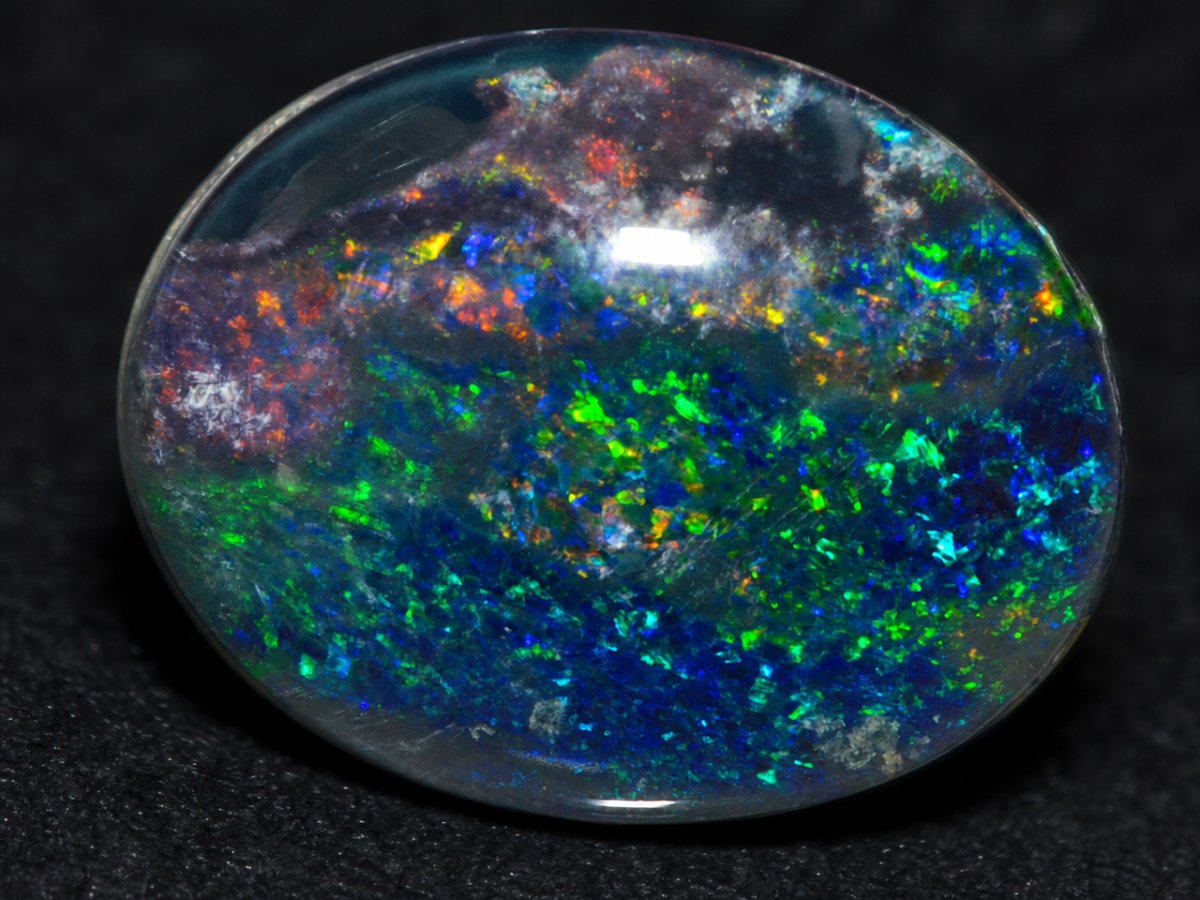


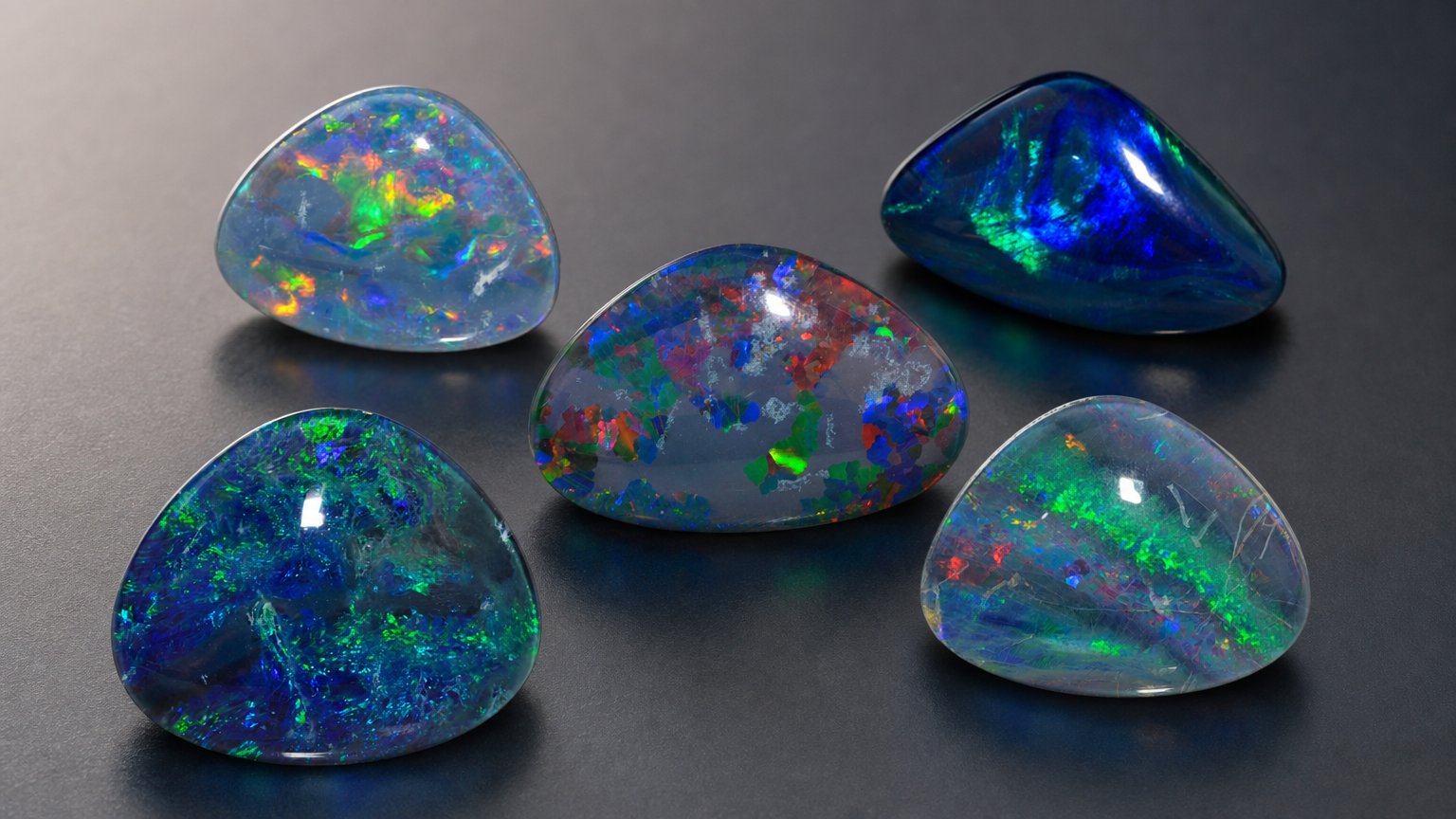
Opal triplets offer the colorful look of opal in a practical assembled gemstone format. For buyers, the most important points are appearance, construction, condition and jewelry suitability. A well-chosen opal triplet can make an attractive pendant, ring, earrings or necklace, but it should be bought with a clear understanding that it is an assembled opal product rather than a single solid opal.
This guide explains what to check before buying an opal triplet, how to judge its multicolor appearance, and which jewelry designs are best suited to its hardness and structure.
What Is an Opal Triplet?
An opal triplet is a variety of opal presented as an assembled gemstone. In practical buying terms, this means the gemstone is made from multiple layers, including an opal layer combined with supporting and protective materials. This assembled construction is a normal and important feature of opal triplets, not a hidden defect, but it should always be disclosed by the seller.
Because the opal layer is part of an assembled gem, buyers should evaluate both the beauty of the opal and the quality of the assembly. A triplet with attractive color but poor bonding, surface damage or uneven appearance may not be a good choice for long-term jewelry use.
Color and Appearance: What to Look For
Opal triplets are valued for their multicolor appearance. When comparing stones, look for colors that are easy to see face-up, balanced across the surface and pleasing in the jewelry style you have in mind. Some buyers prefer strong contrast and bold flashes of color, while others prefer a softer, more even look.
View the gemstone from several angles under normal lighting. The best choice is the stone that looks attractive in realistic conditions, not only under a bright display lamp. Also check that the visible color is not limited to one small area unless that is the design effect you want.
Cut, Shape and Size Considerations
Opal triplets are most commonly cut as cabochons. A cabochon has a smooth, rounded top rather than facets, which suits opal's colorful appearance and gives the gem a classic jewelry look.
Oval and pear shapes are especially common and versatile. Ovals are easy to set in rings, pendants and earrings, while pear shapes create an elegant drop effect for pendants and earrings. Freeform and marquise shapes can be useful for more distinctive designs. Cushion, round and square shapes are also available and may suit more structured or modern jewelry settings.
When choosing size, consider both visual impact and setting security. Larger triplets can show color beautifully in pendants and brooch-style designs, while smaller calibrated shapes may be easier for jewelers to set in earrings or rings.
Condition and Assembly Quality
Because an opal triplet is assembled, condition is one of the most important buying factors. Inspect the face of the stone for scratches, chips, cloudiness or uneven polish. Also look around the edge where the layers may be visible. The layers should appear secure and neat, without obvious separation.
For online purchases, clear photographs and accurate descriptions are important. If possible, choose a seller that identifies the stone as an opal triplet and discloses its assembled nature. GemSelect lists gemstone details to help buyers compare stones more confidently.
Gemological Properties
Opal triplet belongs to the opal family. The opal material has the chemical formula SiO₂·nH₂O and an amorphous crystal system, meaning it does not form in a regular crystal structure like many faceted gemstones.
| Gem material | Opal |
|---|---|
| Chemical formula | SiO₂·nH₂O |
| Crystal system | Amorphous |
| Mohs hardness | 5.5-6.5 |
| Refractive index | 1.370-1.470 |
| Specific gravity | 1.98-2.25 |
These properties are useful for identification and care, but for most buyers the key practical point is durability. Opal is softer than many everyday jewelry gems, so setting style and care matter.
Durability and Jewelry Suitability
With a Mohs hardness of 5.5-6.5, opal triplet should be protected from hard knocks, abrasion and rough wear. It is suitable for many jewelry designs, but some uses are safer than others.
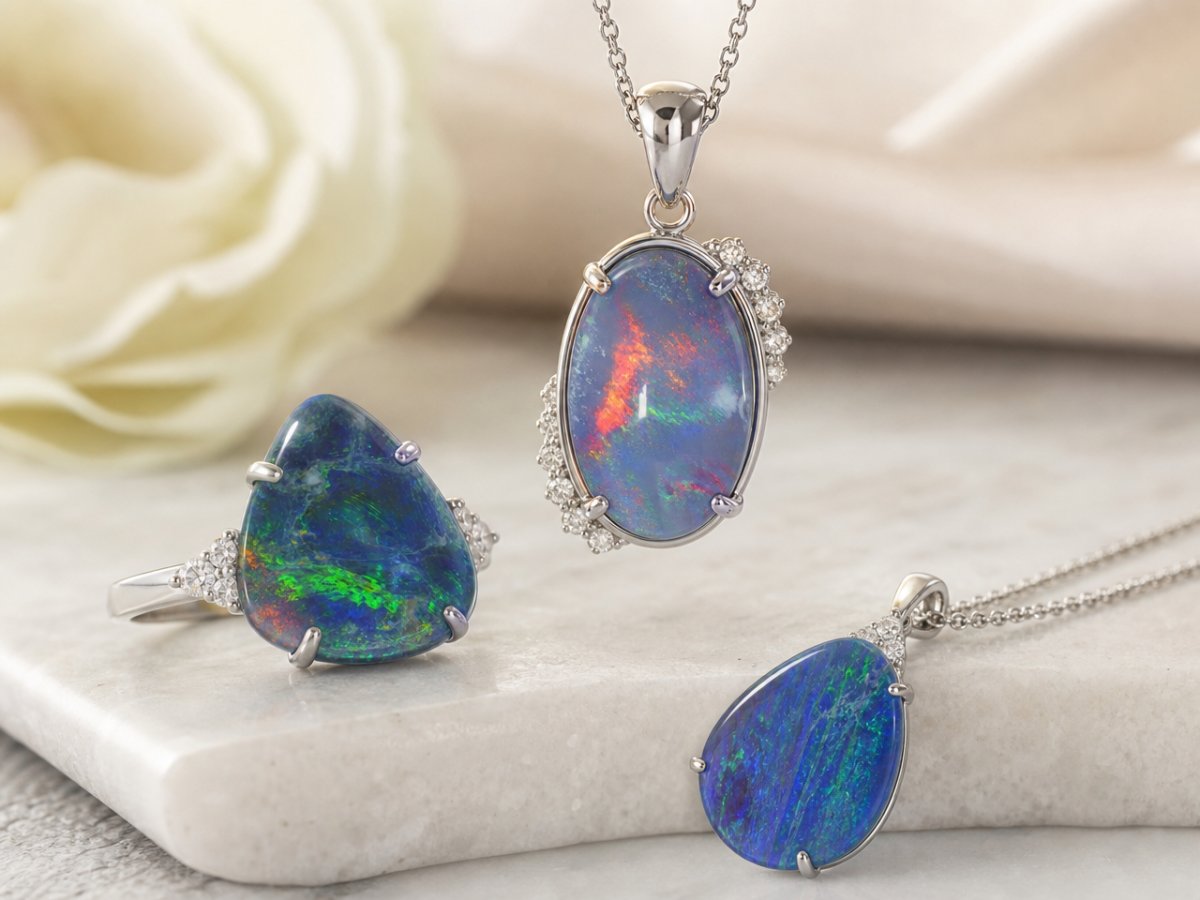
Pendants and necklaces are excellent choices because they usually receive less impact than rings or bracelets. Earrings are also a practical option, especially when the stones are securely set. Rings can be beautiful, but they should be worn with more care, especially if used as fashion rings rather than daily-wear pieces. Protective settings are recommended for rings because hands are exposed to more impact.
Bracelets place gemstones in a more vulnerable position, so an opal triplet bracelet should be designed and worn carefully. Avoid exposing opal triplet jewelry to harsh chemicals, high heat, ultrasonic cleaning or prolonged soaking, as assembled gemstones can be sensitive to conditions that may affect their layers or bonding.
Treatments and Disclosure
The key treatment category for opal triplet is assembled treatment. This is central to what the gemstone is. Buyers should not compare an opal triplet directly with a solid opal as if they were the same product. Instead, judge it within its own category: color, face-up beauty, neat assembly, surface condition and suitability for the intended jewelry use.
A trustworthy listing should clearly call the stone an opal triplet. If the description only says opal and the price, appearance or edge structure suggests an assembled stone, ask for clarification before buying.
Origin: Australia and Ethiopia
Australia is an important origin associated with opal triplet, and Ethiopia is also associated with this gemstone category. When buying a triplet, origin can be interesting, but it is usually less important than appearance, construction quality and disclosure. Since the gemstone is assembled, ask whether the stated origin refers to the opal material if origin is important to your purchase.
How to Choose the Right Opal Triplet
Start with the jewelry purpose. For a pendant, necklace or earrings, you can focus mainly on the color pattern, size and shape that best suits the design. For a ring, give more attention to setting protection, thickness, edges and overall condition.
Next, compare color face-up. Choose a stone with multicolor appearance that remains attractive from normal viewing angles. Then inspect the assembly: the top should look clean, the polish should be smooth, and the layers should not show obvious separation.
Finally, make sure the stone is correctly identified as an opal triplet. This protects your buying confidence and helps you care for the gemstone properly after purchase.
October Birthstone Appeal
Opal is associated with October, so an opal triplet can be an appealing October birthstone option for buyers who enjoy opal's multicolor look in an assembled cabochon format. For birthstone jewelry, pendants, earrings and necklaces are especially practical choices.
Summary
The best opal triplet for you is the one that combines attractive multicolor appearance, clean cabochon cutting, sound assembled construction and a jewelry design suited to opal's moderate hardness. Buy from a seller who clearly identifies the gemstone as an opal triplet, and choose settings that protect the stone from abrasion and impact.