

Moldavite is one of the most distinctive green gemstones associated with the Czech Republic. Its appeal is not only visual; many gemstone enthusiasts are drawn to the story and symbolism that surround it. As with any meaning guide, it is important to separate verified gemstone facts from later folklore, personal interpretation and modern crystal traditions.
This guide focuses on what can be responsibly said about Moldavite's meaning, cultural identity and modern significance. Where symbolic ideas are discussed, they should be understood as traditional or contemporary associations rather than scientific claims.
What Moldavite Represents Today
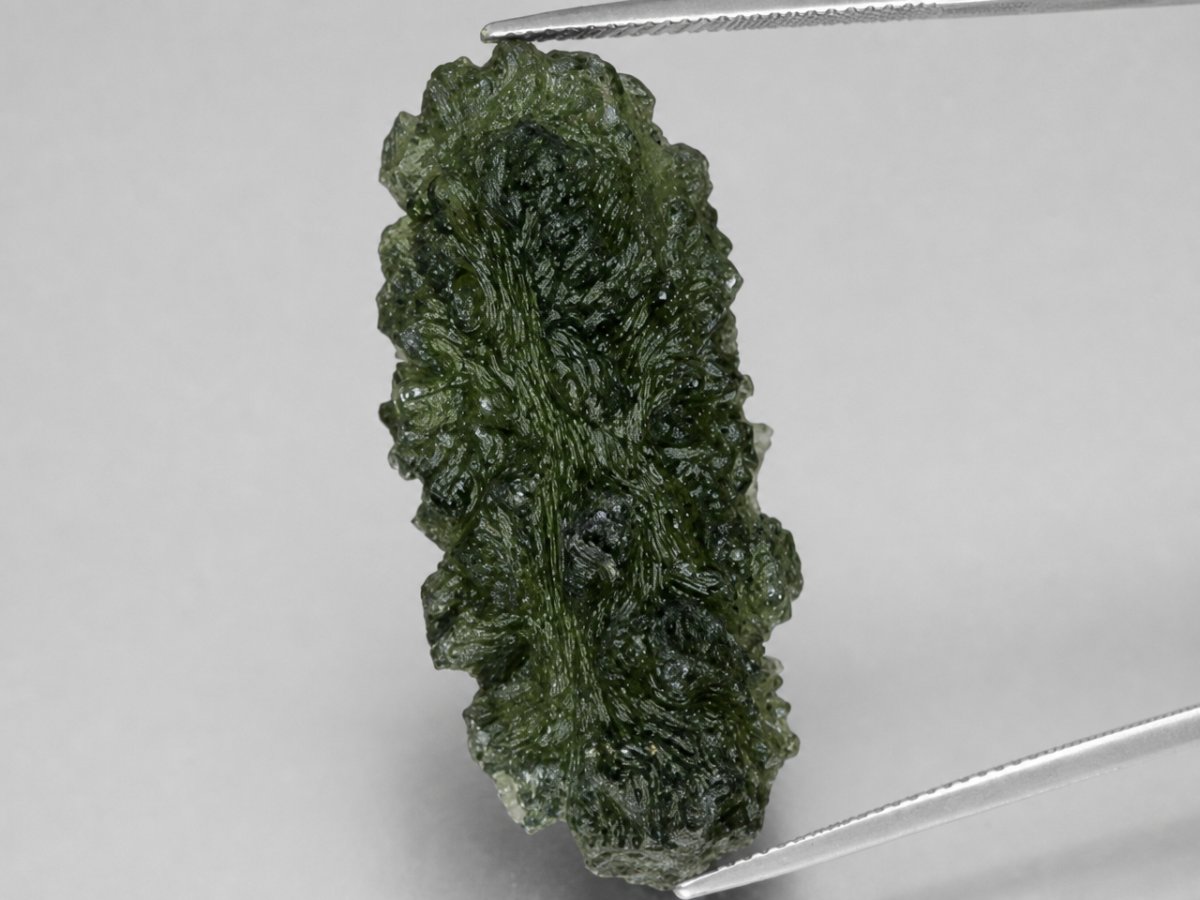
Moldavite is most often recognized for its green color and its strong connection with the Czech Republic. In modern gemstone symbolism, green gems are commonly associated with nature, renewal, freshness and growth. These are broad color associations, not proof of an ancient Moldavite tradition, but they help explain why many people view Moldavite as a gemstone with a lively, organic character.
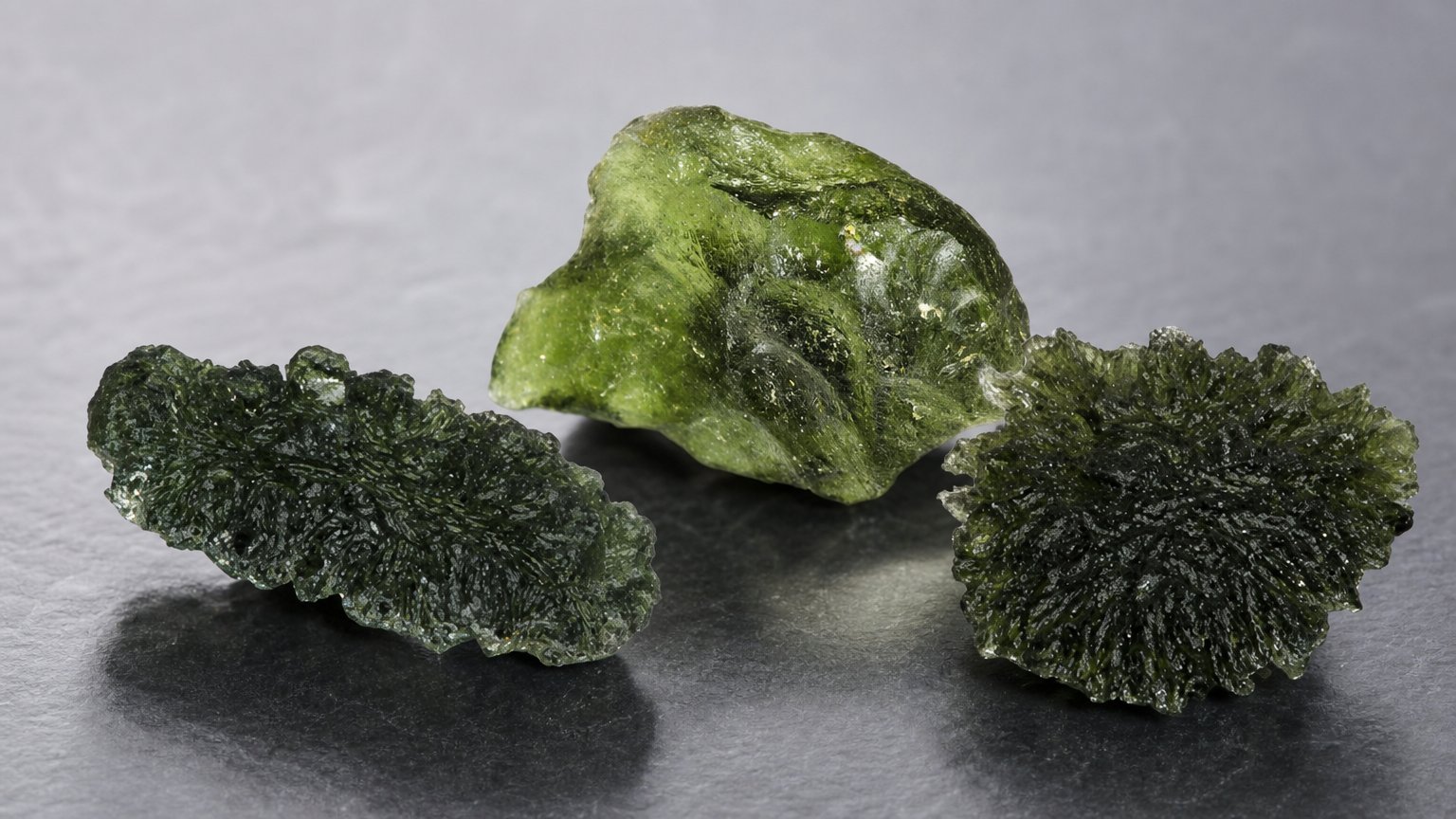
Because Moldavite is commonly found in freeform shapes and often cut as cabochons, its appearance can feel less formal and more natural than many highly standardized gems. This has contributed to a modern appreciation of Moldavite as a stone of individuality, personal meaning and connection to place.
Moldavite and Its Czech Identity
The most important verified origin for Moldavite is the Czech Republic. This geographic identity is central to how the gemstone is understood in the modern gem trade. For collectors and enthusiasts, a gemstone's place of origin often becomes part of its cultural meaning, especially when that origin is strongly associated with one gem variety.
For Moldavite, the Czech connection gives the stone a regional character. Rather than being seen as a generic green gem, it is often appreciated as a gemstone with a specific locality story. This makes Moldavite especially appealing to collectors who value gems with a distinct geographic identity.
Color Symbolism: Why Green Matters
Moldavite's green color is one of the main reasons it has developed such strong symbolic associations. Across many modern color traditions, green is linked with life, landscape, renewal and balance. When applied to Moldavite, these ideas are best understood as contemporary symbolic interpretations rather than documented historical facts.
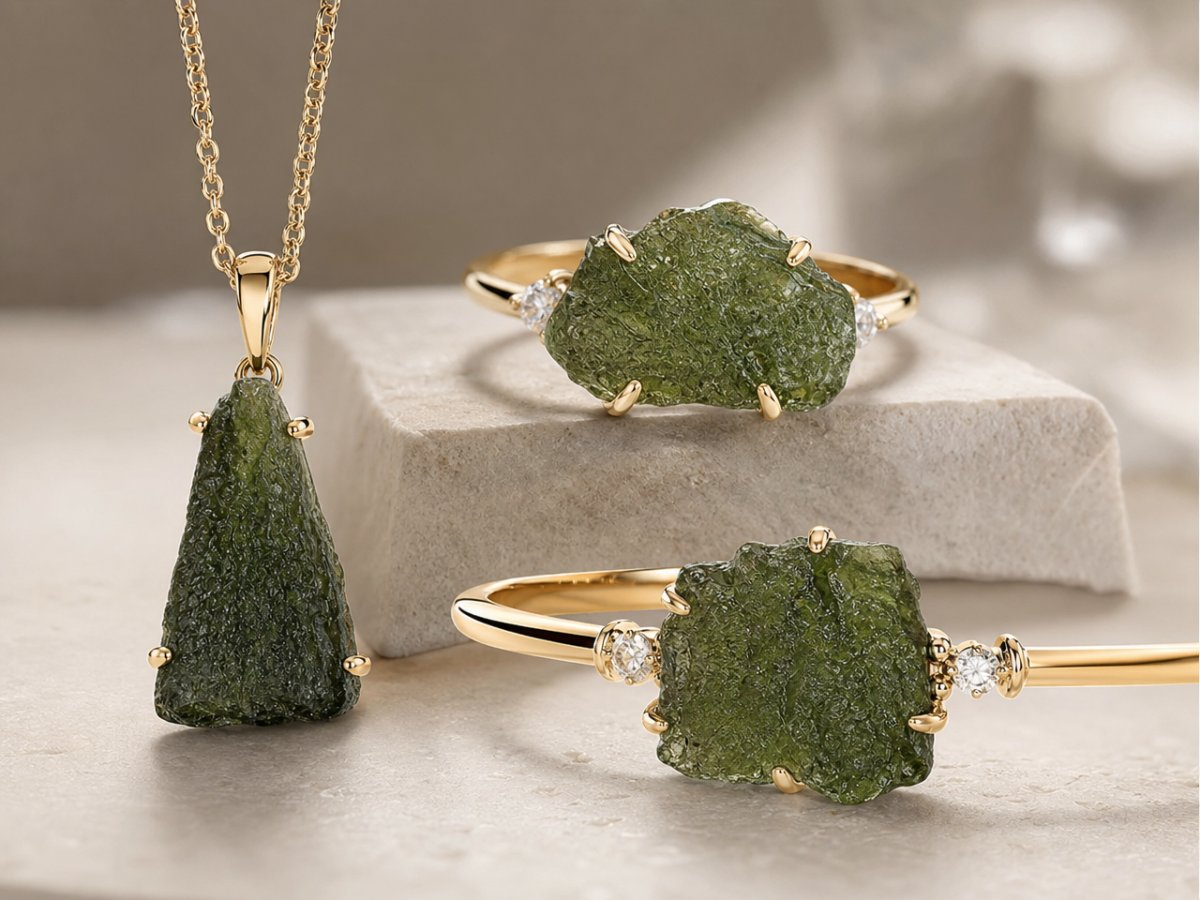
The green appearance also gives Moldavite an earthy and organic impression. For jewelry wearers, this can make the gemstone feel personal and expressive, especially in pendants or necklaces where the stone is displayed close to the body. For collectors, the color is part of the gem's identity and one of the features that makes it immediately recognizable.
Historical Perspective and Responsible Interpretation
Moldavite is frequently discussed in modern gemstone and crystal culture, but not every popular claim about its past should be treated as documented history. Meaning guides often include legends and traditional associations, yet reliable historical claims require evidence. When specific ancient uses, ceremonial roles or named historical owners are not supported, they should be treated with caution.
What can be stated with confidence is that Moldavite's modern significance comes from a combination of its green color, Czech origin, unusual appearance and untreated status. These qualities have helped shape its identity among gemstone buyers, collectors and jewelry designers today.
Folklore, Belief and Modern Crystal Traditions
Like many unusual gemstones, Moldavite has attracted symbolic and metaphysical interpretations in modern crystal traditions. Some people regard it as a stone of transformation or personal change. These ideas belong to belief-based traditions and should not be presented as scientific fact or medical guidance.
For many wearers, the meaning of Moldavite is personal. A pendant, necklace or pair of earrings may be chosen because the green color feels meaningful, because the Czech origin is important, or because the stone's freeform appearance feels unique. In this sense, Moldavite's symbolism today is often created through individual connection as much as through inherited tradition.
Untreated Character and Symbolic Value
Moldavite is commonly associated with untreated material. In a meaning and history context, this matters because many gemstone enthusiasts place symbolic value on gems that are appreciated in their natural state. Untreated gemstones are often viewed as more direct expressions of the material itself, without relying on enhancement to create their appeal.
This does not make Moldavite "better" in a mystical sense, but it does help explain why authenticity is part of its modern appeal. For collectors, untreated character can support the sense that the gem's beauty and identity come from its inherent nature.
Moldavite in Modern Gem Culture
Today, Moldavite is valued by a wide range of gemstone enthusiasts, from collectors interested in Czech-origin gems to jewelry wearers who enjoy expressive green stones. It is commonly seen in pendants, necklaces and earrings, where its color and shape can be displayed clearly. Rings and bracelets also exist, particularly for collectors or occasional-wear designs.
GemSelect presents Moldavite as a green gemstone strongly associated with the Czech Republic and commonly untreated. For readers interested in meaning and symbolism, those verified facts provide the most reliable foundation for understanding the gem's cultural appeal.
Conclusion
Moldavite's meaning is rooted in its recognizable green color, Czech origin, natural-looking forms and modern symbolic associations. While many spiritual and folklore interpretations exist, they should be understood as beliefs rather than proven historical or scientific facts. Its enduring appeal comes from the way it combines visual individuality with a strong sense of place.