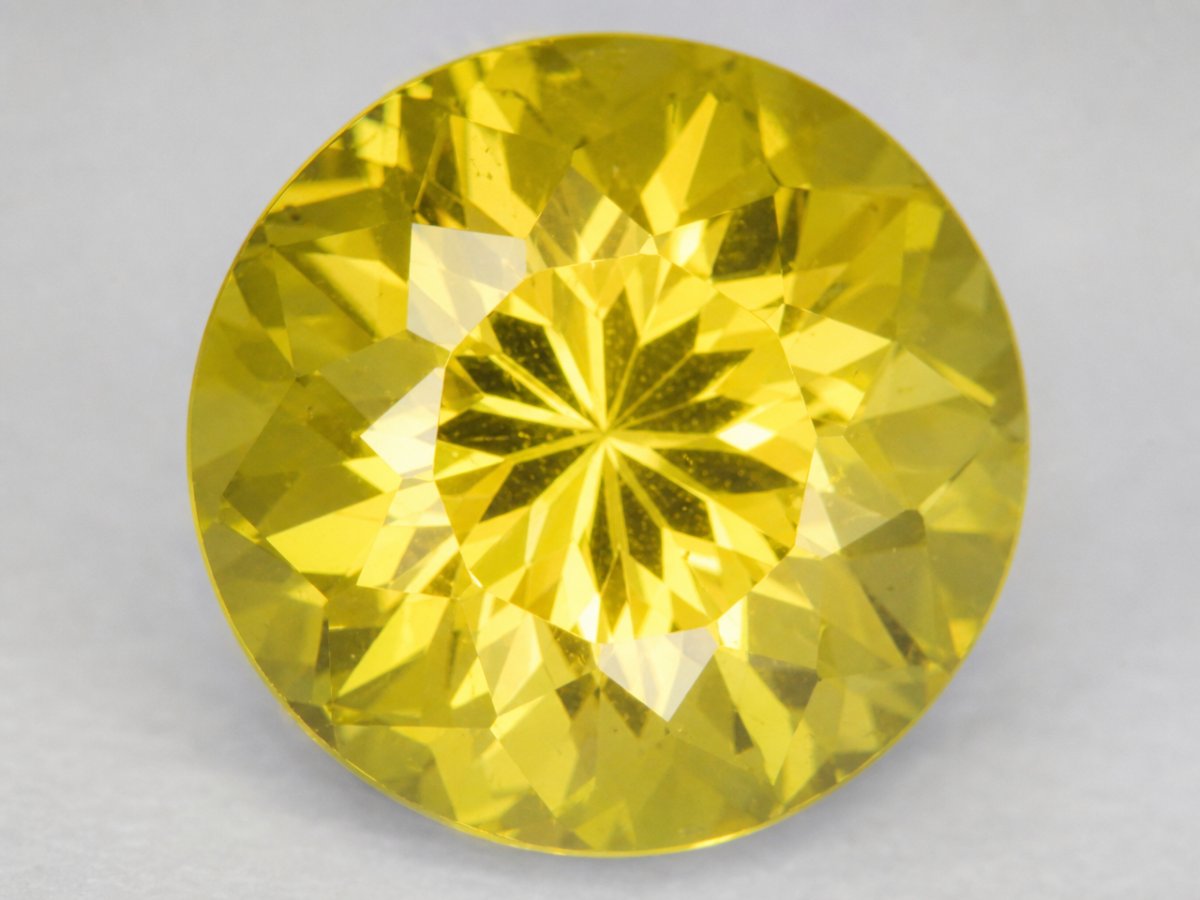


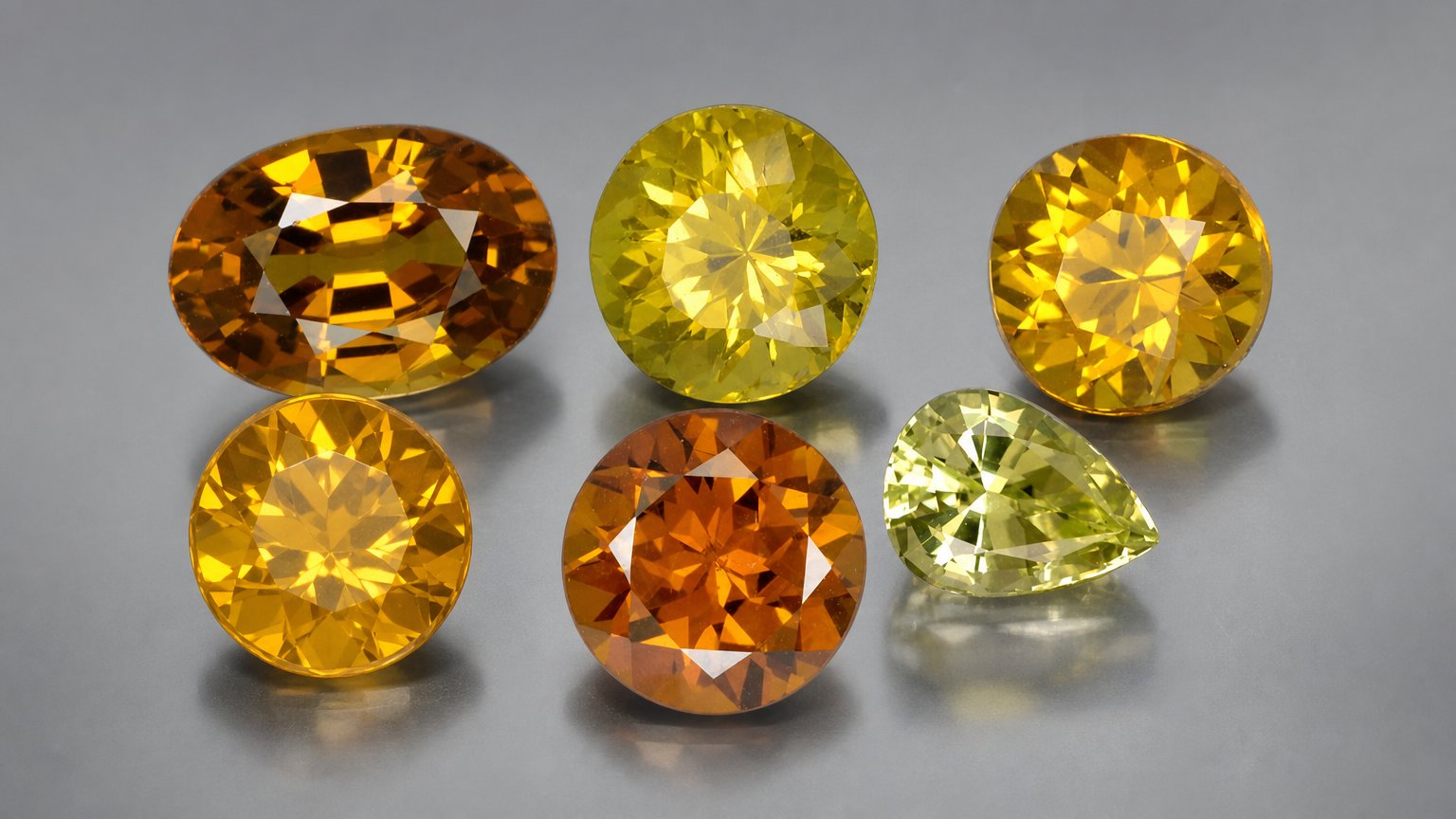
Mali garnet is a distinctive garnet variety valued by buyers who want warm, lively color in an untreated gemstone. It is most often chosen in brown, orange, champagne and yellow tones, with green also known. For jewelry designers and collectors, its appeal comes from the combination of garnet durability, attractive faceted cutting styles and its grossular-andradite composition.
This buying guide explains the main points to compare before purchasing a Mali garnet, including color, cut, clarity, durability, treatments, origin and jewelry suitability.
What Is Mali Garnet?
Mali garnet is a variety of garnet associated with both grossular and andradite garnet. Its chemical composition is a mixture of Ca₃Al₂(SiO₄)₃, the grossular component, and Ca₃Fe₂(SiO₄)₃, the andradite component. Like other garnets, it crystallizes in the cubic crystal system.
For buyers, the important point is that Mali garnet is not simply another red garnet. Its identity is closely linked to warm yellow, orange, brown and champagne colors, often cut as bright faceted stones for rings, earrings and pendants.
Color: The First Buying Decision
Color is usually the most important visual factor when choosing a Mali garnet. The best choice depends on personal taste and the intended jewelry design, but most buyers compare the stone's body color, brightness and evenness of color.
Common Mali garnet colors include brown and orange, with champagne and yellow also well represented. Green Mali garnet is known but should be evaluated carefully from actual photos or video because green gems can vary noticeably in tone and saturation.
How to Compare Mali Garnet Color
- Orange and yellow tones: These colors can give Mali garnet a bright, lively look, especially in well-cut faceted stones.
- Champagne tones: Champagne Mali garnet can be a good choice for understated jewelry or designs that need a neutral warm gem.
- Brown tones: Brown Mali garnet can suit earthy, vintage or masculine designs, especially when paired with yellow or rose gold.
- Green tones: Green examples may appeal to collectors or buyers seeking something less typical within the variety.
When shopping online, compare stones under consistent lighting whenever possible. A slightly darker stone may look elegant in a pendant but could appear less bright in a ring if the cut does not return light well.
Cut and Shape: Choose for Brilliance and Design Fit
Mali garnet is most commonly faceted, which suits its refractive index range of 1.74 to 1.89. Refractive index measures how strongly a gemstone bends light; in practical buying terms, a good cut can help the stone look lively and bright.
Common shapes include oval and round, followed by cushion and pear shapes. Octagon shapes are also seen and can be attractive for step-cut or more geometric jewelry designs.
Facet cuts are the standard choice for maximizing brilliance. Checkerboard cuts may add surface sparkle and a distinctive pattern, especially in domed or larger-looking designs. Concave cuts, Portuguese cuts and step cuts can also be found and should be chosen based on the look you prefer: concave and Portuguese cuts often emphasize light play, while step cuts create a cleaner, more architectural appearance.
Cabochon Mali garnets are less common. Choose a cabochon when you prefer a smooth, polished surface rather than sparkle, or when the stone's color and shape are more important than brilliance.
Clarity and Transparency: What to Look For
The Knowledge Snapshot does not define a special clarity grade for Mali garnet, so buyers should use practical visual evaluation. For faceted stones, look for a gem that appears clean and attractive to the unaided eye when viewed face-up. Small internal features are normal in many natural gemstones, but obvious inclusions, surface-reaching fractures or cloudy areas can reduce beauty and may affect durability in exposed jewelry.
When buying from GemSelect or any online seller, review magnified photos, face-up images and measurements. Magnification is useful for disclosure, but the most important question is how the stone looks at normal viewing distance.
Durability and Jewelry Suitability
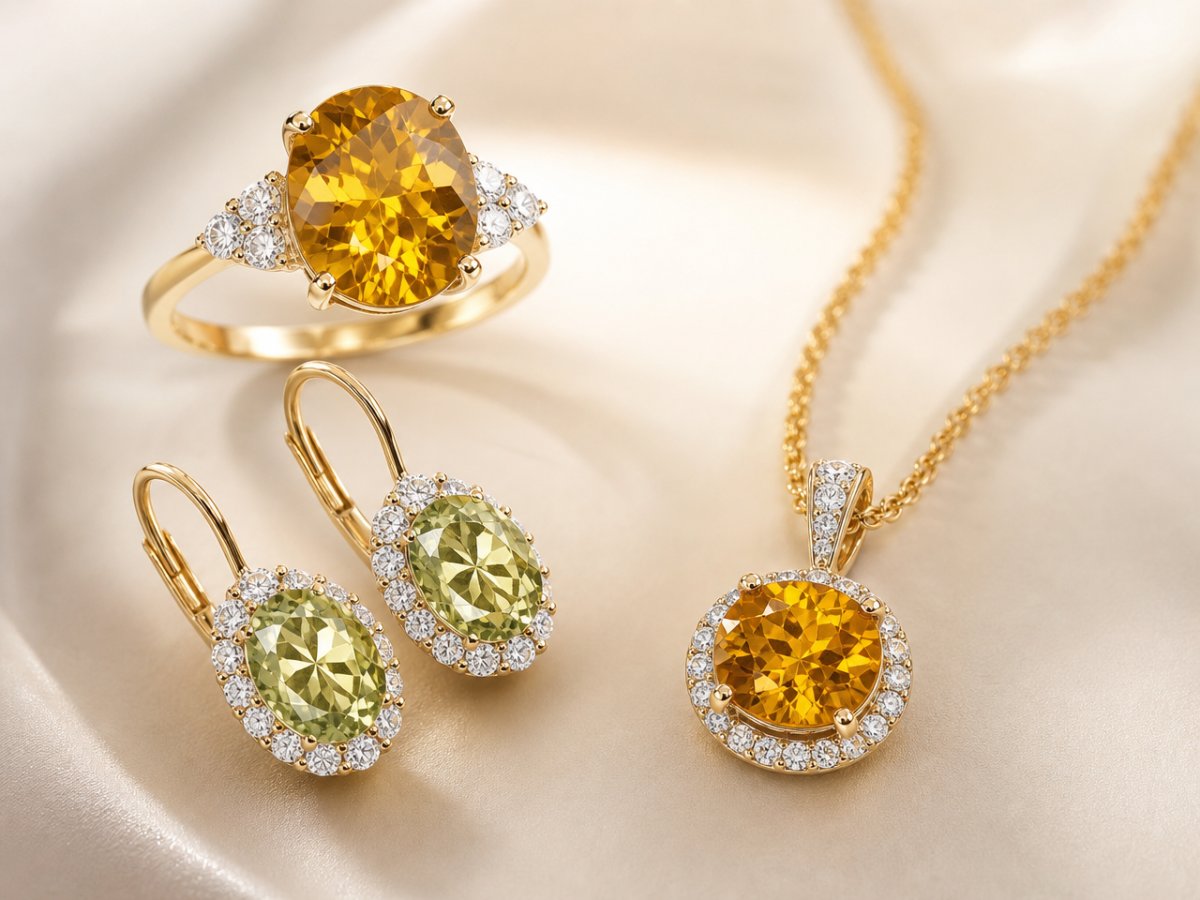
Mali garnet has a Mohs hardness of 6.5 to 7.5. That makes it suitable for many types of jewelry, including rings, earrings, pendants, necklaces and bracelets, provided the design and wear habits are appropriate.
Rings are a major use for Mali garnet, but rings receive more knocks than earrings or pendants. If the gem will be worn daily, consider a protective setting, especially for stones with pointed ends such as pear shapes. Bracelets also need care because they are exposed to frequent contact with hard surfaces.
Earrings and pendants are generally lower-risk choices because they are less likely to be struck during wear. Collector rings can be excellent for special-occasion use when the design prioritizes beauty and individuality over heavy daily wear.
Treatments and Disclosure
Mali garnet is commonly offered untreated. This is an important buying advantage for customers who prefer natural color without enhancement. Even so, treatment disclosure should always be part of a confident gemstone purchase.
Check the seller's treatment information before buying. At GemSelect, treatment status is provided on gemstone listings so buyers can compare stones with clear disclosure.
Origin: How Much Should It Matter?
Mali is the key origin associated with Mali garnet. The gemstone is also associated with Kenya, Namibia and Tanzania, but these are less central origins.
For most buyers, appearance and accurate identification should matter more than origin alone. If origin is important for your collection, keep documentation and seller information with the stone. For jewelry use, color, cut, size, durability and treatment disclosure usually have the greatest practical impact.
Gemological Properties at a Glance
| Property | Mali Garnet |
|---|---|
| Gem family | Garnet |
| Associated species | Grossular and andradite |
| Chemical formula | Mixture of Ca₃Al₂(SiO₄)₃ and Ca₃Fe₂(SiO₄)₃ |
| Crystal system | Cubic |
| Mohs hardness | 6.5-7.5 |
| Refractive index | 1.74-1.89 |
| Specific gravity | 3.55-3.88 |
| Common treatment | Untreated |
Practical Buying Checklist
- Start with color: Decide whether you prefer orange, brown, champagne, yellow or green.
- Inspect the cut: A well-cut faceted stone should look lively, not flat or overly dark.
- Check face-up appearance: Prioritize the view you will see when the gem is set in jewelry.
- Compare dimensions: Use millimeter size as well as carat weight, especially when matching stones or planning a setting.
- Match the stone to the jewelry type: Rings and bracelets need more protective settings than earrings and pendants.
- Confirm treatment status: Mali garnet is commonly untreated, but disclosure should still be reviewed.
- Consider origin appropriately: Mali is the most important origin association, but beauty and correct identification are usually more important for jewelry buyers.
Care Tips for Mali Garnet Jewelry
Because Mali garnet has good but not indestructible hardness, store it separately from harder gems and avoid harsh impact. Clean with mild soap, warm water and a soft brush. Avoid exposing jewelry to unnecessary knocks, especially in rings and bracelets.
Summary
Mali garnet is an appealing choice for buyers who want an untreated garnet in warm orange, brown, champagne or yellow tones, with green also available. Focus first on attractive color and a lively cut, then confirm clarity, dimensions, treatment disclosure and suitability for the intended jewelry. With thoughtful selection, Mali garnet can work well in rings, earrings, pendants, necklaces and carefully worn bracelets.