

Lemon quartz is a yellow variety of quartz chosen for its fresh, bright appearance and practical wearability. For buyers, the most important decisions are color preference, cut quality, treatment disclosure and how the stone will be used in jewelry. Because lemon quartz is available in many shapes and cutting styles, it can suit everything from everyday rings and earrings to larger pendants and statement designs.
This guide explains what to check before buying loose lemon quartz, with a focus on the details that affect appearance, durability and purchasing confidence.
What is Lemon Quartz?
Lemon quartz is a gemstone variety of quartz with the chemical formula SiO₂. It has a hexagonal crystal system, a refractive index of 1.544-1.553 and a specific gravity of 2.65. Like other quartz gemstones, lemon quartz has a Mohs hardness of 7, making it suitable for many types of jewelry when set and worn with reasonable care.
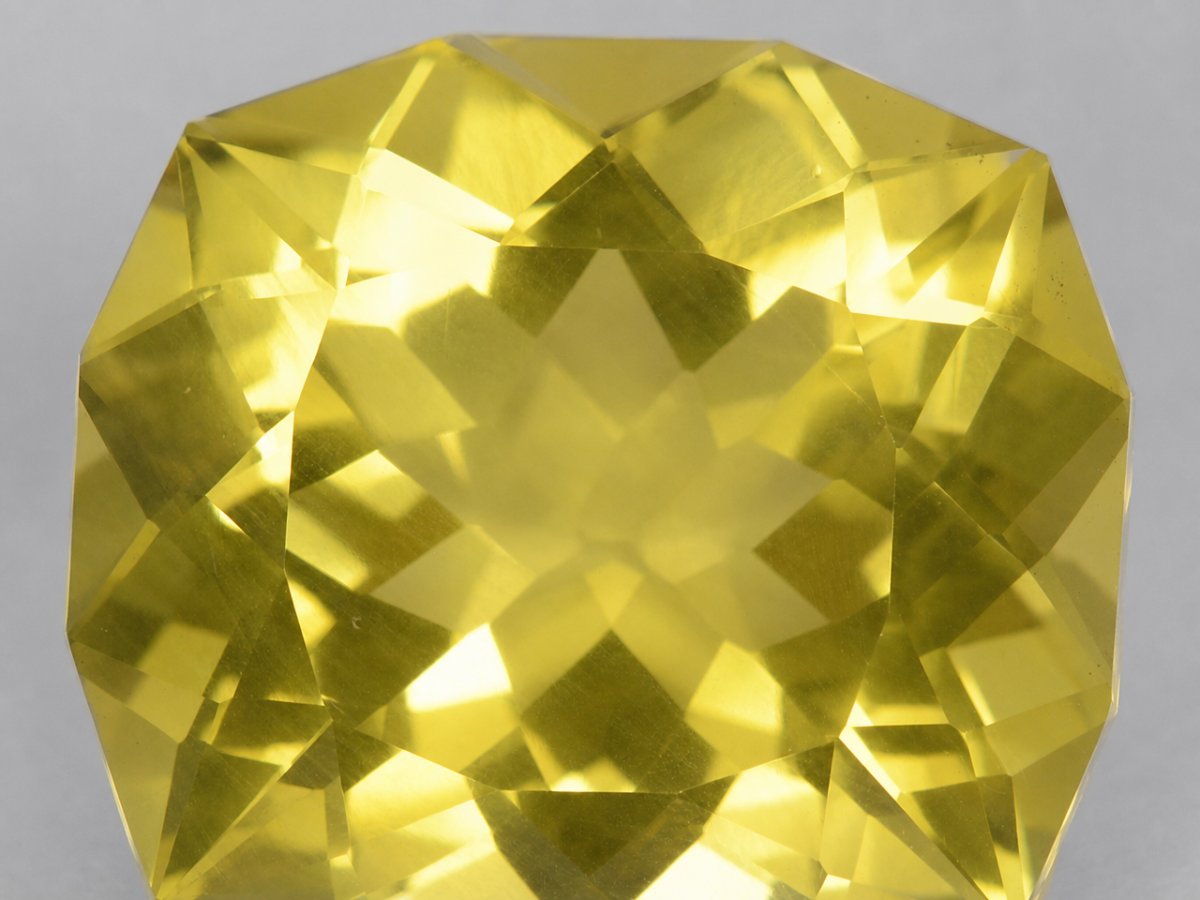
The defining feature is its yellow color. Buyers usually choose lemon quartz for a lively, sunny look rather than for rarity or complex color zoning. When comparing stones, focus on whether the yellow is attractive to you, evenly distributed and well supported by the cut.
Color and Appearance: What to Look For
Color is the first buying factor for lemon quartz. The best choice depends on personal taste, but a good stone should show a pleasing yellow face-up color without appearing dull or lifeless. View the gemstone in multiple lighting conditions if possible, because yellow gems can look different under daylight, office lighting and warm indoor light.
Even color distribution is important. Some buyers prefer a soft lemon-yellow appearance, while others want a stronger yellow. Neither preference is automatically better; the right stone is the one that gives the look you want in the finished jewelry.
Also pay attention to brightness. A well-cut lemon quartz should return light attractively across the face of the gem. If the center looks overly dark, washed out or windowed, the issue may be related to cut rather than color alone.
Clarity and Transparency
For a transparent faceted lemon quartz, clarity should be judged by what you can see with the unaided eye. Small internal features may not matter if they are not visible once the gem is set, but noticeable inclusions, cracks or cloudy areas can distract from the clean yellow appearance many buyers expect from this gem.
When shopping online, use clear photos and available videos to inspect the stone. For rings or pendant center stones, an eye-clean appearance is usually preferred. For carvings or cabochons, the overall design, surface polish and visual charm may matter more than strict transparency.
Cut Styles and Shapes
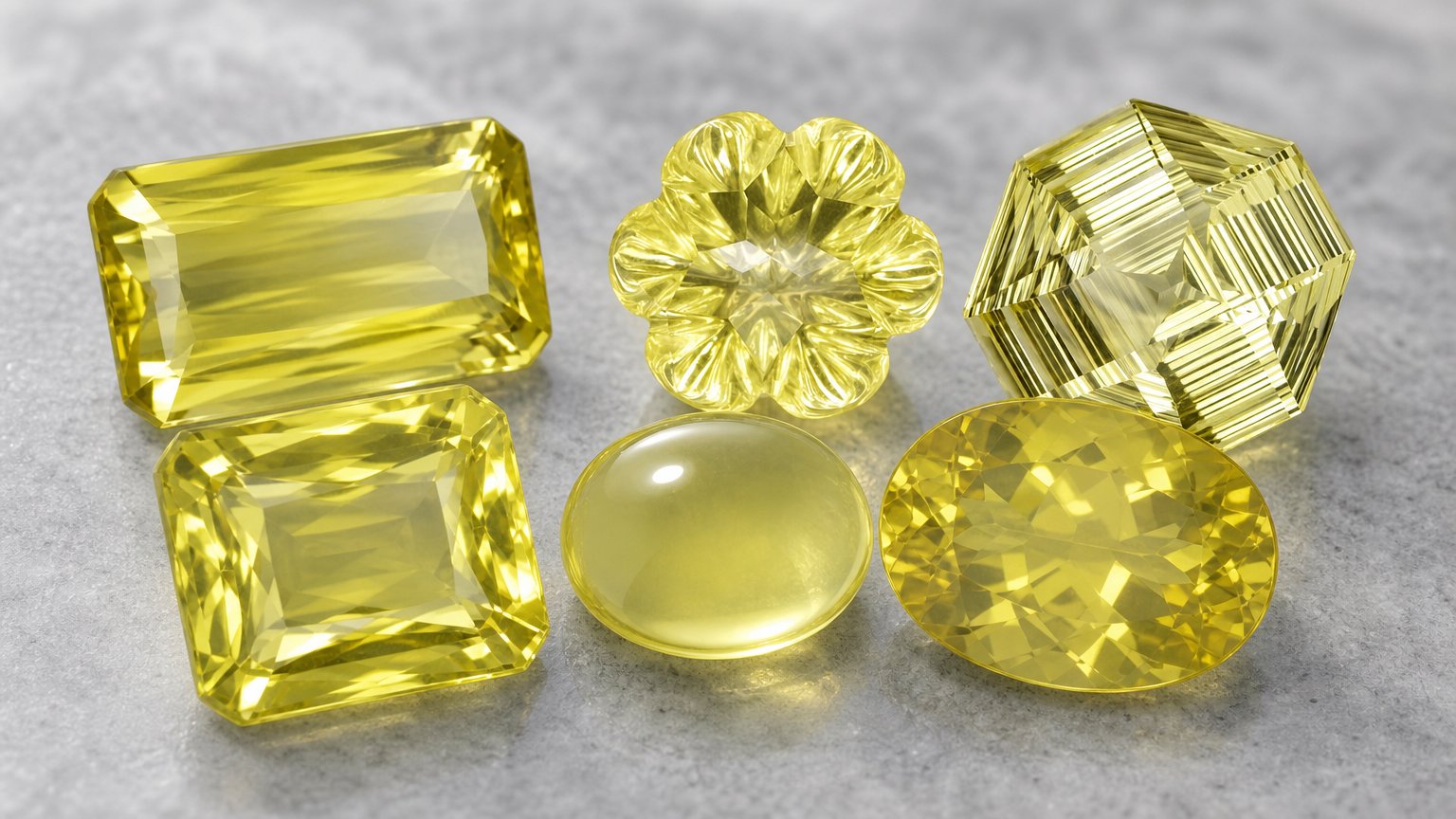
Faceted lemon quartz is the most common and important choice for buyers who want sparkle and brightness. Faceting works well with the gem's yellow color and is especially suitable for rings, earrings, necklaces and pendants.
Concave cuts are also seen in lemon quartz and can create a distinctive optical effect, adding extra flashes of light and a more modern look. Portuguese cuts may appeal to buyers who want a highly detailed faceted style. Cabochons, carvings and buff-top cuts are less conventional options, often chosen for design character rather than maximum brilliance.
Oval and round shapes are especially common and versatile. Cushion, octagon, pear and fancy shapes offer more design variety, while marquise, trillion and baguette shapes can work well in more specific jewelry layouts. Carved animal and carved flower forms are best considered as decorative or collector-style pieces where craftsmanship is a major part of the appeal.
Durability and Everyday Wear
With a Mohs hardness of 7, lemon quartz is durable enough for many jewelry uses, including rings and earrings. However, hardness does not mean indestructible. Quartz can still be chipped or scratched by harder materials, and exposed edges or points may be vulnerable to impact.
For rings, consider the setting style. A protective bezel or a design that does not leave corners overly exposed can help reduce wear. Earrings, pendants and necklaces usually experience less impact than rings, so they are often very practical choices for lemon quartz.
Clean lemon quartz with mild soap, warm water and a soft brush or cloth. Store it separately from harder gemstones to avoid scratches, and avoid harsh chemicals or unnecessary heat exposure during care.
Treatments and Disclosure
Treatment disclosure is one of the most important buying considerations for lemon quartz. Irradiation is a common treatment associated with lemon quartz, and heat treatment may also be encountered. Some stones may be sold as untreated, but buyers should not assume this without disclosure from the seller.
Treatments are not automatically negative; they are common in many gem markets and can be acceptable when clearly stated. The key is transparency. Before buying, check the product details for treatment information and keep a record of that disclosure, especially if the gem is intended for a custom jewelry project or resale.
Origins
Lemon quartz is associated with several sources, with Brazil especially important. Other known origins include Madagascar, Namibia, Uruguay and Zambia. For most buyers, origin is less important than the stone's actual appearance, cut quality, size and treatment disclosure.
If origin matters to you as a collector or designer, look for stones where origin information is provided by the seller. Avoid paying extra based only on an origin claim unless it is clearly documented and relevant to your buying purpose.
Choosing Lemon Quartz for Jewelry
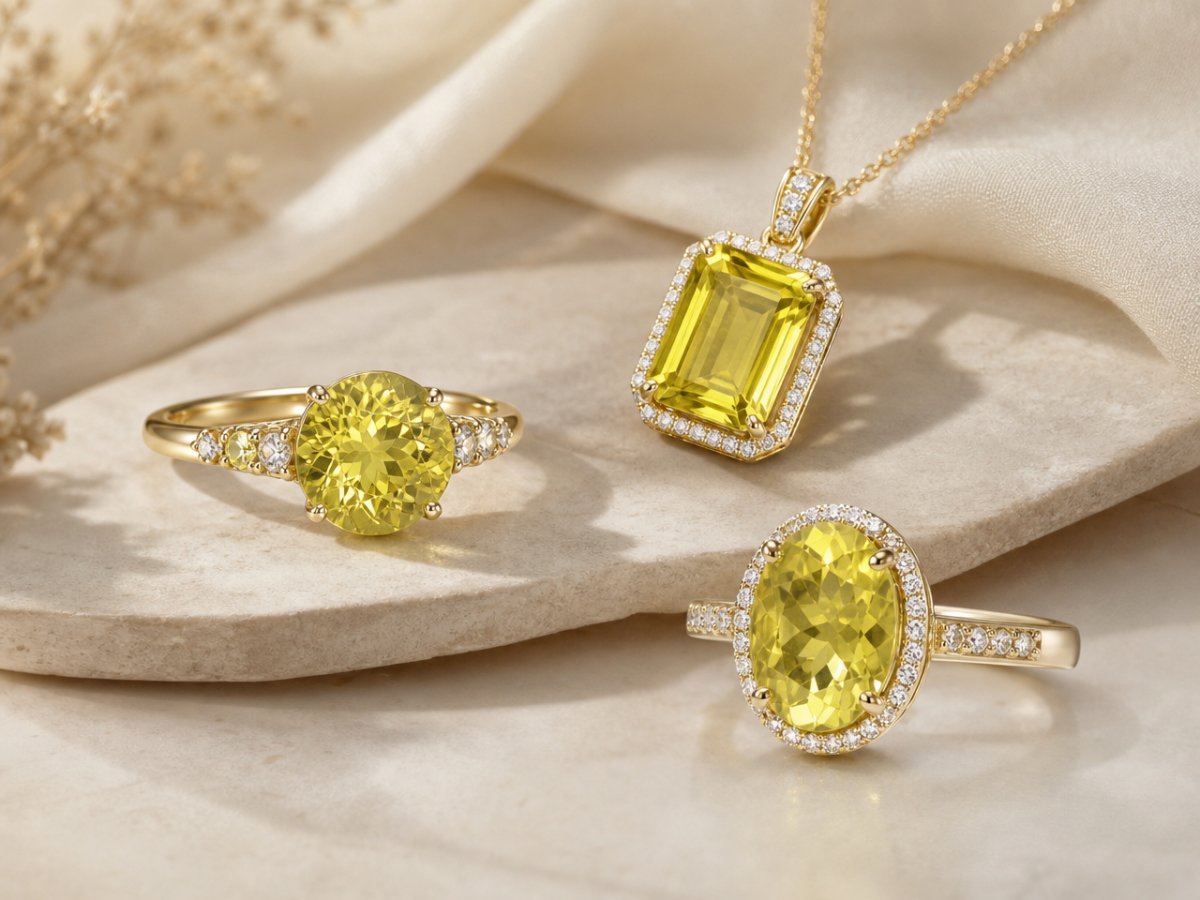
Lemon quartz is well suited to earrings and rings, two of its most common jewelry uses. Matching pairs can create bright, wearable earrings, while single faceted gems can make attractive ring center stones. For rings that will be worn often, prioritize a secure setting and a cut without fragile, overly exposed points.
Pendants and necklaces are also excellent choices because they allow the yellow color to be seen clearly while reducing the risk of hard knocks. Larger lemon quartz gems can work well in pendants or statement rings, where the color and cut can be displayed boldly. Brooches are another option for designers who want a decorative yellow accent with good visual presence.
Practical Lemon Quartz Buying Checklist
- Color: Choose a yellow tone you enjoy, and check that it appears lively rather than flat.
- Cut: Look for good brightness, balanced proportions and an attractive face-up appearance.
- Clarity: For faceted stones, inspect for eye-visible inclusions or surface-reaching features that may affect beauty.
- Treatment: Confirm whether the stone has been irradiated, heat treated or sold as untreated.
- Shape: Select oval or round for classic versatility; consider cushion, pear, octagon or fancy shapes for a more distinctive design.
- Jewelry use: For rings, consider setting protection; for earrings and pendants, prioritize color match, size and visual balance.
- Seller information: Buy from a seller that provides clear photos, measurements and treatment details. GemSelect listings are designed to help buyers compare loose gemstones by the practical details that matter.
Summary
The best lemon quartz is the stone that combines appealing yellow color, attractive cutting, suitable clarity and clear treatment disclosure for your intended jewelry design. Faceted oval and round stones are versatile choices, while concave cuts, Portuguese cuts, carvings and fancy shapes offer more individual style. With Mohs hardness of 7, lemon quartz is practical for many jewelry types, especially when set thoughtfully and cared for properly.