

Lazulite is a blue phosphate mineral chosen by buyers who want a distinctive gemstone with a rich, mineral-like appearance. It is not a mainstream jewelry stone, so choosing the right piece depends less on standardized grading and more on careful evaluation of color, cut, condition, size and suitability for the intended design.
This guide explains the main points to consider before buying lazulite, especially for collectors, jewelers and jewelry designers comparing loose stones.
What Is Lazulite?
Lazulite is a phosphate gemstone with the chemical formula MgAl₂(PO₄)₂(OH)₂. It crystallizes in the monoclinic crystal system and is known primarily as a blue gemstone material.
For buyers, the most important practical point is that lazulite is usually selected for its color and overall appearance rather than for brilliance alone. Cabochons are the most common cut, while faceted lazulite is less common and should be assessed carefully for clarity, symmetry and surface condition.
Color and Appearance: The Main Buying Factor
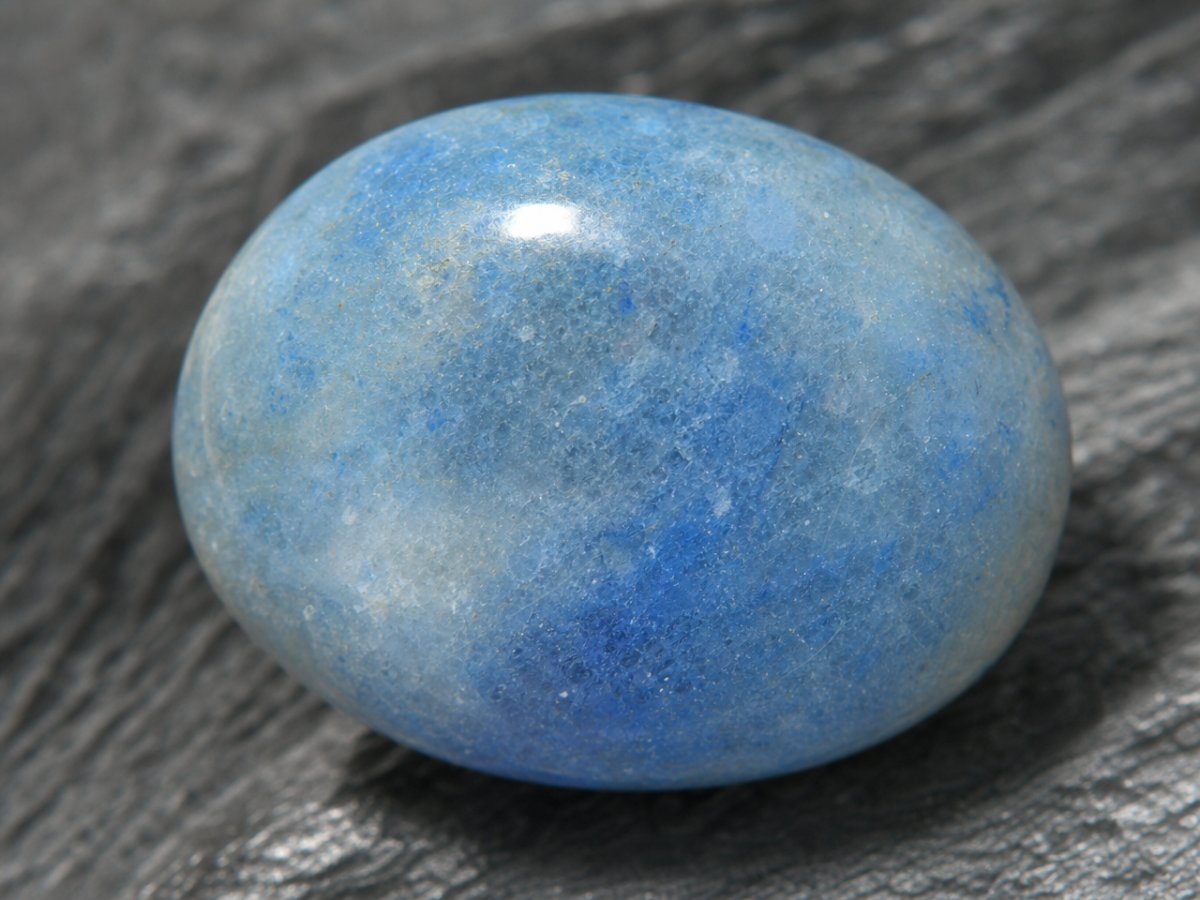
Blue is the defining color of lazulite. When comparing stones, look for a blue appearance that is attractive to you, with pleasing depth and consistency across the face of the gem.
Because lazulite is often cut as a cabochon, the surface polish, outline and visual balance of the stone matter greatly. A well-made cabochon should have a smooth dome, a clean outline and an even polish that helps the blue color show clearly.
If you are buying online, study the photos carefully. Check whether the color looks even, whether the shape suits your design and whether any visible marks, pits or surface-reaching features are acceptable for your intended use.
Cut and Shape Choices
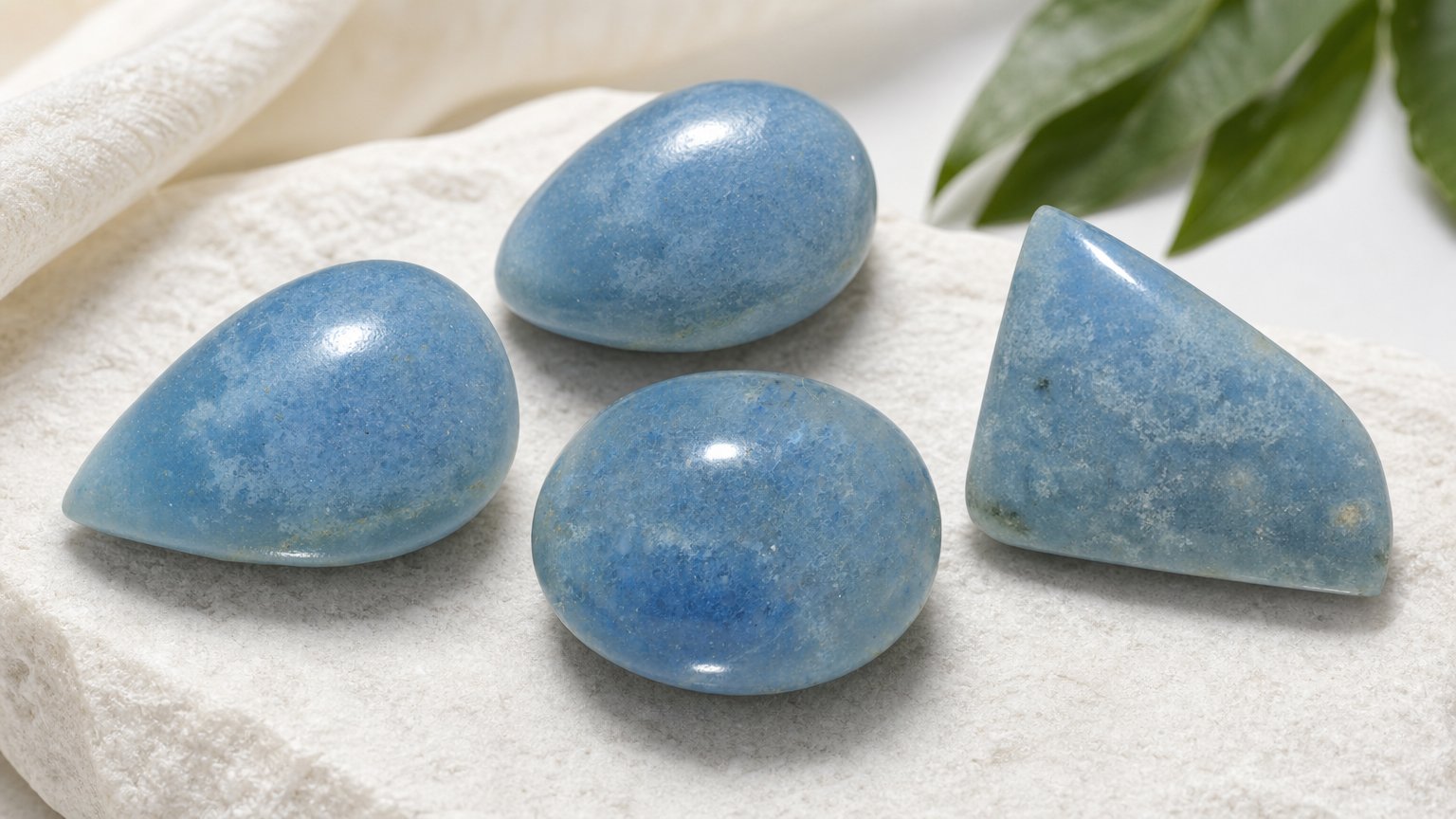
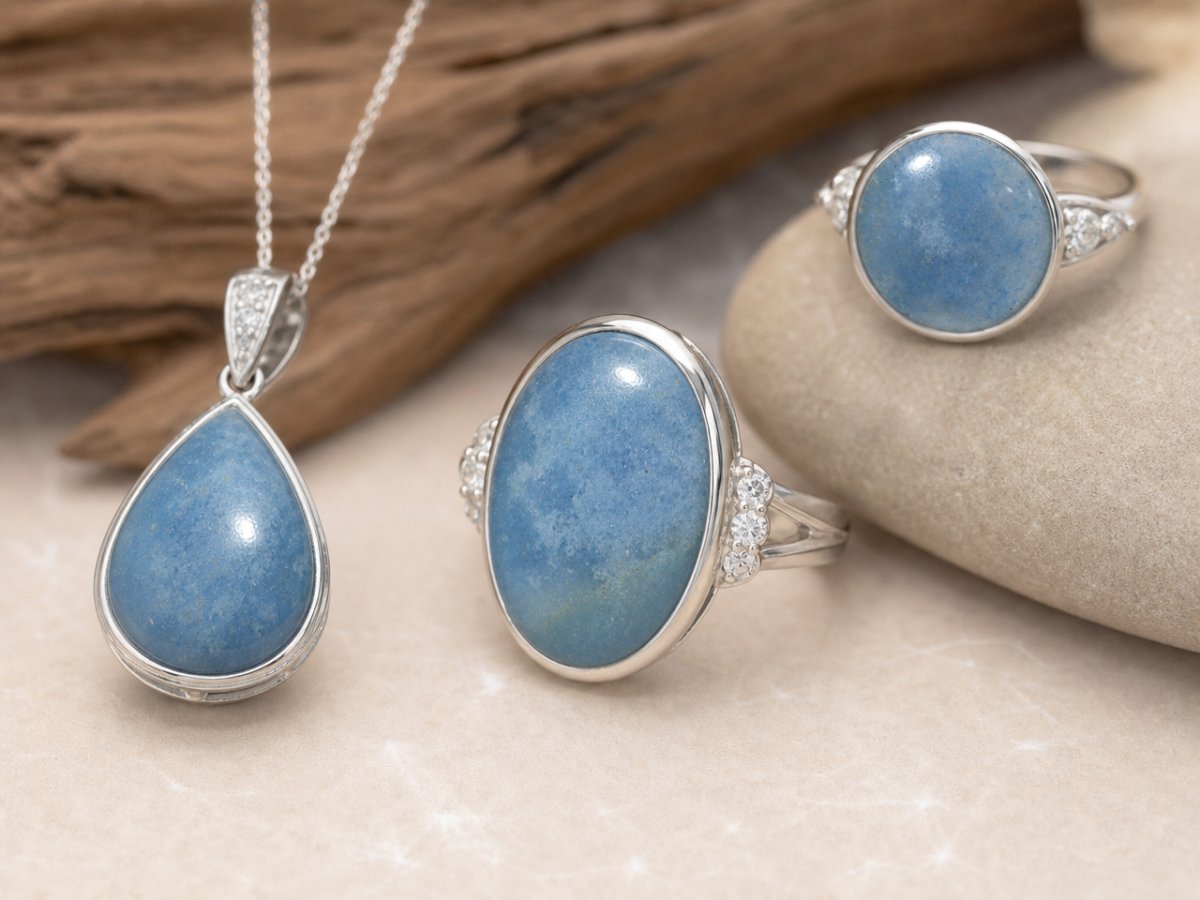
Cabochon is the most common cutting style for lazulite. This cut is well suited to gemstones chosen for body color and surface appearance. Cabochons are also practical for pendants, rings and other jewelry pieces where a smooth, rounded top is desirable.
Faceted lazulite exists but is less typical. If choosing a faceted stone, pay close attention to the evenness of the cutting, the appearance of the facets and any visible inclusions or abrasions. Faceting can make condition issues easier to notice, so clear images and accurate descriptions are important.
Common shape options include freeform and fancy shapes, with oval and cushion shapes also seen. Pear, round and square shapes may be available depending on the stone. For custom jewelry, freeform and fancy shapes can be especially useful when the design is built around the individual gem.
Durability and Wearability
Lazulite has a Mohs hardness of 5.5 to 6. This makes it suitable for jewelry, but it should be treated with reasonable care. It is not as hard as many everyday ring stones, so setting style and wearing habits are important.
Pendants, earrings and necklaces are good choices because they are less exposed to knocks and abrasion. Rings can be used, but a protective setting is recommended, especially if the jewelry will be worn often. Bracelets require the most caution because they tend to receive more impact during normal wear.
For buyers, durability also means checking the stone before purchase. Avoid stones with obvious cracks, chips or weak edges if the gem is intended for jewelry. Minor natural features may be acceptable for a collector's stone, but jewelry pieces need enough structural integrity for setting and wear.
Treatments and Disclosure
Lazulite is commonly offered as untreated. This is useful for buyers who prefer gems without enhancement, but treatment disclosure should still be part of the buying process.
When purchasing, look for clear product information stating whether the stone is untreated. Reputable sellers, including GemSelect, provide treatment information so buyers can compare gemstones with confidence.
Origins of Lazulite
Lazulite is associated with several origins, including Canada, Brazil, Madagascar, the United States, Afghanistan and Pakistan. Origin may interest collectors, but for most jewelry buyers the individual stone's color, cut, condition and size are more important than country of origin alone.
If origin matters to you, choose a seller that clearly lists the available origin information. Do not assume that origin automatically guarantees a better appearance; always judge the actual gemstone.
Gemological Properties to Know
Lazulite has a refractive index of 1.615 to 1.650 and a specific gravity of 3.05 to 3.15. These properties are mainly useful for gem identification rather than everyday buying decisions.
For practical shopping, hardness is the most important gemological property because it affects jewelry use and care. The refractive index can influence how a gemstone handles light, but lazulite buying decisions are usually driven by blue color, polish and overall visual appeal.
How to Choose a Lazulite Gemstone
1. Start with color
Choose the blue appearance you find most appealing. Look for a stone with good face-up color and a pleasing overall look, especially if it will be the centerpiece of a pendant or ring.
2. Check the cut quality
For cabochons, look for a smooth dome, good polish and a balanced outline. For faceted stones, inspect facet alignment, symmetry and visible surface wear.
3. Match durability to the jewelry design
Use lazulite in designs that protect the stone. Pendants and earrings are easier choices for frequent wear, while rings and bracelets should be designed with more protection.
4. Review photos and measurements
Because lazulite is often available in individual shapes such as freeform and fancy cuts, measurements can be more useful than carat weight alone. Check length, width and depth to confirm that the stone will fit your setting or design plan.
5. Confirm treatment status
Since lazulite is commonly untreated, clear disclosure is important. Buy from a seller that states treatment information plainly.
Care Tips for Lazulite Jewelry
Clean lazulite gently with a soft cloth and mild soapy water when needed. Avoid harsh chemicals, rough handling and storage with harder gemstones that may scratch it.
Store lazulite jewelry separately in a pouch or lined box. Remove rings or bracelets before activities where the stone may be hit or abraded.
Summary
Lazulite is best chosen for its blue color, attractive cabochon cutting and distinctive gem character. Buyers should focus on color, polish, condition, shape and intended jewelry use. With a Mohs hardness of 5.5 to 6, lazulite is wearable with care, especially in pendants, earrings and protected settings.