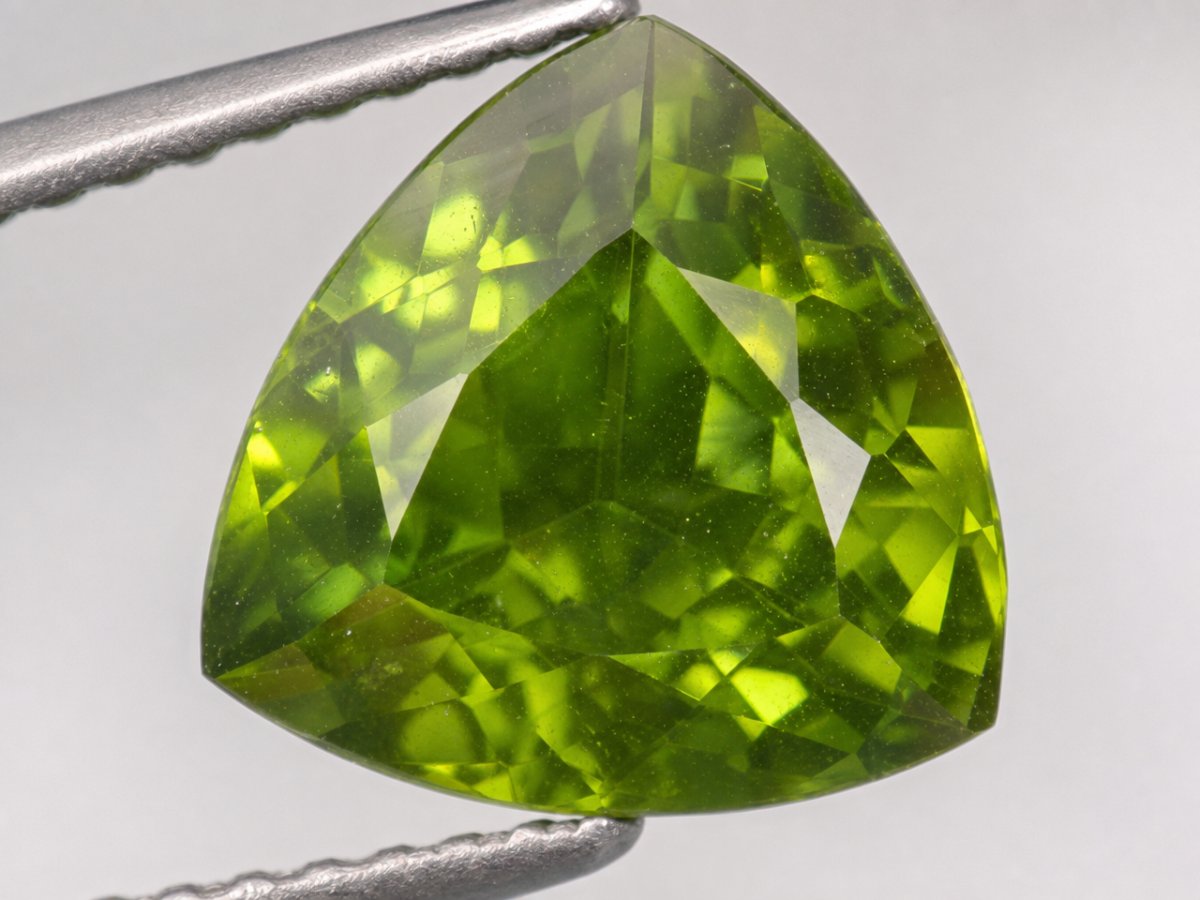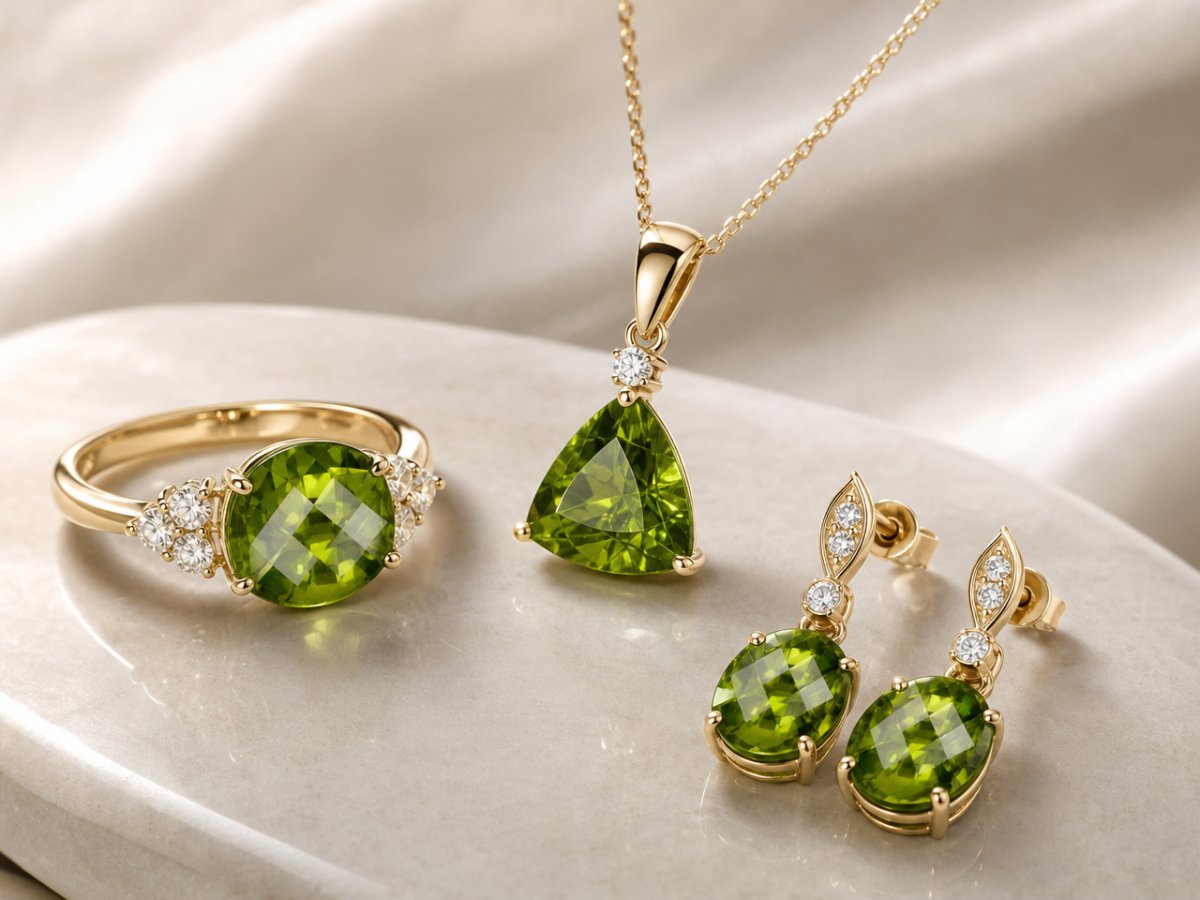


Idocrase is a distinctive colored gemstone for buyers who want something less common than mainstream green gems. It is associated with the mineral species vesuvianite and is most often selected for its attractive green appearance, though brown and yellow stones are also known. For jewelry designers and collectors, the appeal of idocrase lies in its individual character, useful hardness and availability in both faceted and cabochon cuts.
This guide focuses on the practical points that matter when choosing idocrase: color, cut, clarity, durability, treatments, origin and suitable jewelry use.
What is idocrase?
Idocrase is a tetragonal mineral with the chemical formula Ca₁₉Al₁₃(Mg,Fe)₅Si₁₈O₆₉(O,OH,F)₁₀. In gem buying, the name idocrase is closely associated with vesuvianite, and shoppers may encounter either term depending on the seller or catalog.
For identification, trained gemologists may use properties such as refractive index, specific gravity and crystal system. Idocrase has a refractive index of 1.700-1.723 and a specific gravity of 3.32-3.43. These figures are useful for gemological confirmation, but most buyers will judge a finished gemstone primarily by appearance, cut quality and condition.
Color: the most important visual choice
Green is the best-known and most important color for idocrase buyers. When comparing green idocrase, look for a color that appears attractive in normal viewing conditions, not only under strong display lighting. A well-balanced green should look lively and appealing across the face of the stone.
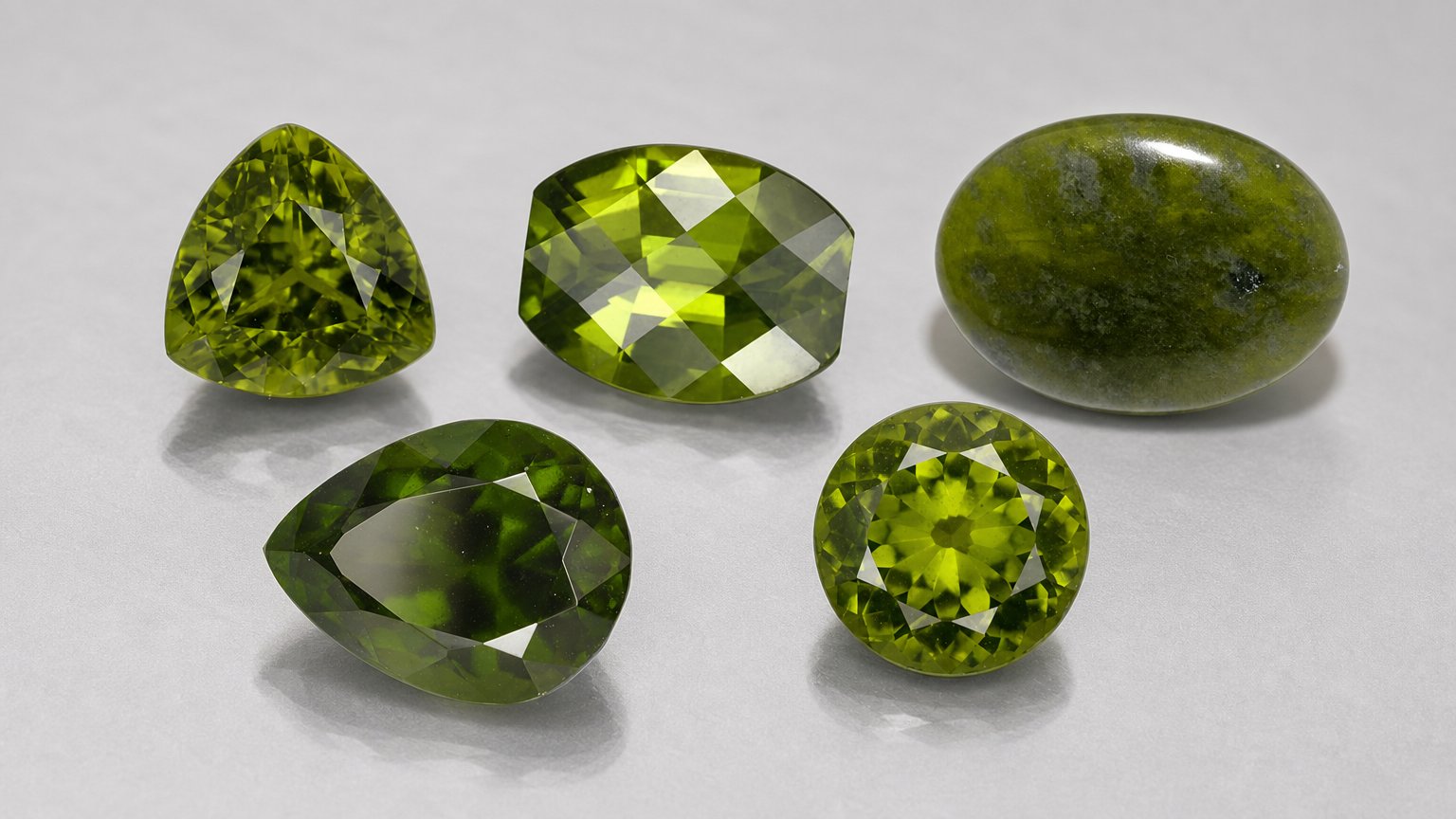
Brown and yellow idocrase can also be found. These colors may appeal to designers looking for earthy or warm-toned gemstones, especially for custom jewelry. As with any colored gem, personal preference plays a major role, but the key buying point is even, pleasing color without overly dark areas that hide the gem's appearance.
Clarity and transparency
Clarity in idocrase should be judged with the intended use in mind. For faceted stones, transparency and a clean face-up appearance are important because inclusions or cloudy areas can reduce brilliance. You do not need a microscope to make a practical buying decision; first check whether the stone looks attractive to the unaided eye.
For cabochons, the buying priorities are slightly different. A cabochon is valued for its smooth dome, body color and surface finish rather than sharp facet reflections. When inspecting a cabochon idocrase, look for a pleasing outline, an even polish and no obvious surface-reaching fractures that could affect durability or appearance.
Cut styles and shapes
Faceted idocrase is common and is a good choice when you want more brightness and light return. Oval shapes are especially common, while cushion and pear shapes are also seen. Round and octagon shapes may be available as well, depending on the individual gem.
Cabochon idocrase is another attractive option, particularly when the material has a softer glow or when the color is the main feature. Checkerboard and step cuts may also be used. A checkerboard cut can add surface sparkle, while a step cut gives a more structured, geometric look.
When buying online, pay attention to the actual measurements as well as carat weight. Two idocrase gems of the same weight can appear different in size depending on their depth and cut proportions. For jewelry design, millimeter dimensions are often more useful than carat weight alone.
Durability and everyday wear
Idocrase has a Mohs hardness of 6.5-7, which makes it suitable for many types of jewelry, including rings, earrings, pendants and necklaces. However, ring stones are more exposed to knocks and abrasion than earrings or pendants, so setting style matters.
For a ring, especially one intended for frequent wear, consider a protective setting that shields the edges of the stone. Collector rings or occasional-wear rings offer more flexibility, as the gem will generally face less daily impact. Earrings and pendants are lower-risk choices because they are less likely to strike hard surfaces.
Basic care is straightforward: store idocrase away from harder gemstones, avoid harsh cleaning methods and clean with mild soap, warm water and a soft cloth. As with many colored gemstones, careful handling will help preserve the polish and appearance over time.
Treatments and disclosure
Idocrase is commonly offered as untreated. This is an important buying advantage for customers who prefer gems without enhancement, but disclosure still matters. A reliable seller should clearly state treatment information on the product page or invoice.
When comparing stones, do not assume treatment status from appearance alone. If untreated origin or treatment disclosure is important for your collection or jewelry project, choose a supplier that provides clear gem details and supports transparent purchasing.
Origin considerations
Known sources of idocrase include Canada, the United States, Kenya, Pakistan and Tanzania. Origin can be interesting for collectors, but for most jewelry buyers it should not outweigh the visible quality of the gem. Color, cut, size, clarity and condition usually have a more direct effect on how the stone will look in finished jewelry.
If origin is stated, it should be treated as part of the stone's description rather than a substitute for evaluating the gem itself. A beautiful idocrase from any recognized source can be a strong choice if it meets your design and quality requirements.
How to choose the right idocrase
For rings
Choose a stone with good face-up appearance, secure proportions and no obvious damage. Oval and cushion shapes are practical choices for many ring designs. If the ring will be worn often, prioritize a protective setting and avoid designs that leave sharp corners or exposed edges vulnerable.
For earrings and pendants
Earrings and pendants allow more freedom in shape and cut because they receive less impact than rings. Pear, oval and cushion idocrase can work especially well in these designs. Matching stones for earrings should be compared by both color and millimeter size, not carat weight alone.
For collectors
Collectors may place additional importance on origin, unusual color, crystal-related interest or a distinctive cut. For a collection, keep the seller's details with the stone, including species name, treatment disclosure, measurements and stated origin when available.
Buying checklist
- Color: Green is the primary choice, while brown and yellow offer warmer alternatives.
- Cut: Faceted stones emphasize brilliance; cabochons emphasize color and smooth form.
- Shape: Oval is common, with cushion, pear, round and octagon also used.
- Durability: Hardness of 6.5-7 is useful, but rings benefit from protective settings.
- Treatment: Idocrase is commonly untreated; confirm disclosure before buying.
- Origin: Canada, the United States, Kenya, Pakistan and Tanzania are known sources, but appearance should guide most purchases.
Conclusion
Buying idocrase is mainly about choosing the right look for your jewelry or collection. Focus first on appealing color, appropriate cut, visible clarity and practical durability for the intended setting. Green idocrase is the classic choice, while brown and yellow stones can suit distinctive designs. With clear treatment disclosure and accurate measurements, idocrase can be a confident and rewarding gemstone purchase from a trusted supplier such as GemSelect.