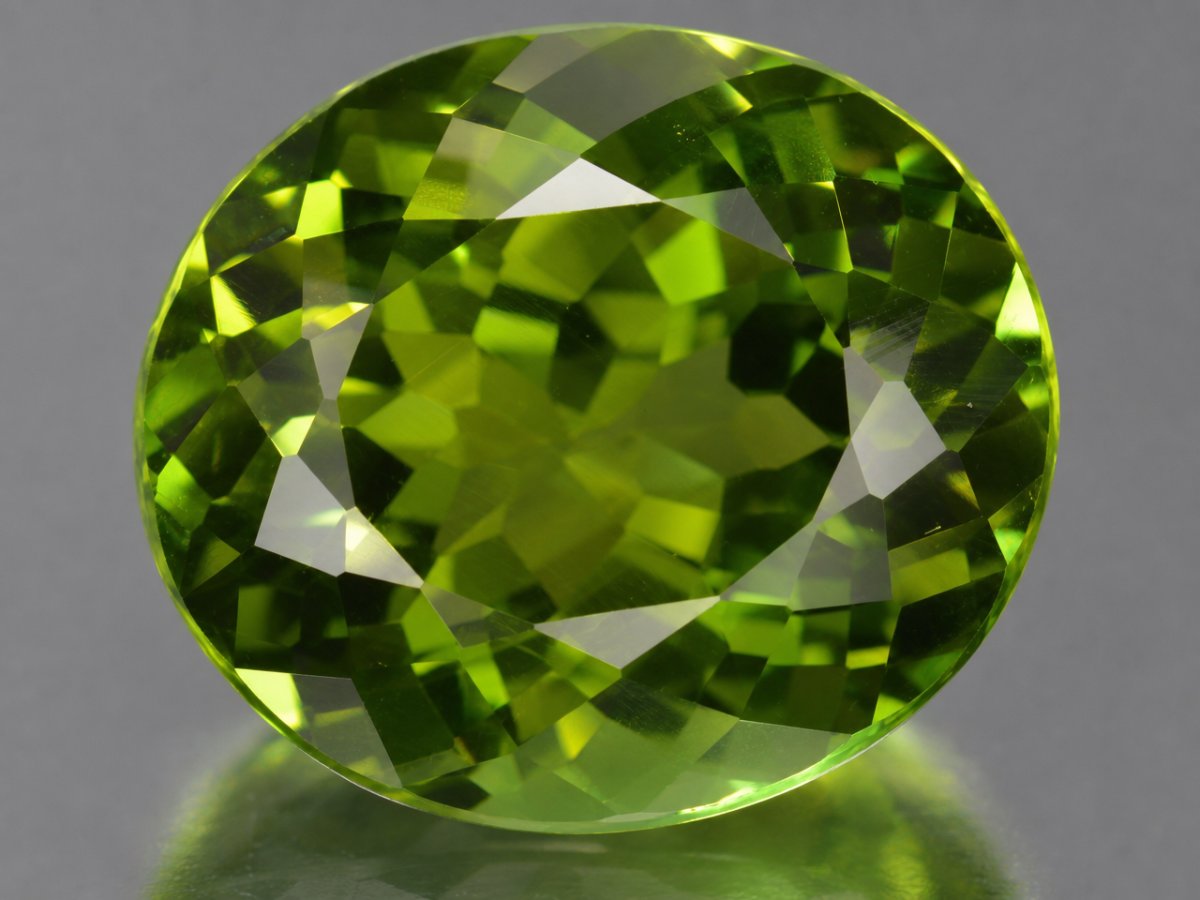


Green tourmaline is a green variety of tourmaline prized by buyers who want a colored gemstone with a natural, fresh appearance and enough versatility for many jewelry designs. For shoppers, the most important questions are practical: Is the color attractive? Is the cutting well executed? Does the shape suit the intended jewelry? Is the stone untreated, and is that clearly disclosed? This buying guide explains how to evaluate green tourmaline with confidence, whether you are choosing a single gem for a ring, selecting matched stones for earrings, or comparing options for a pendant or necklace.
Green tourmaline belongs to the tourmaline family and is associated with the mineral species elbaite. It is also part of the broader October birthstone tradition, making it a meaningful choice for birthstone jewelry as well as for collectors who enjoy tourmaline’s wide variety. Because each gemstone should be evaluated individually, the best purchase is not simply the largest stone or the one from the most recognized origin. A balanced decision considers color, clarity, cut, size, treatment disclosure, origin information and intended jewelry use together.
What Is Green Tourmaline?
Green tourmaline is a green tourmaline gemstone associated with elbaite, one of the important gem-bearing members of the tourmaline group. In buying terms, this means it should be judged as a colored gemstone rather than by diamond-style expectations. The eye is naturally drawn first to color and overall appearance, then to the quality of the cutting, the presence of visible inclusions, and how well the stone’s shape and size fit the intended design.
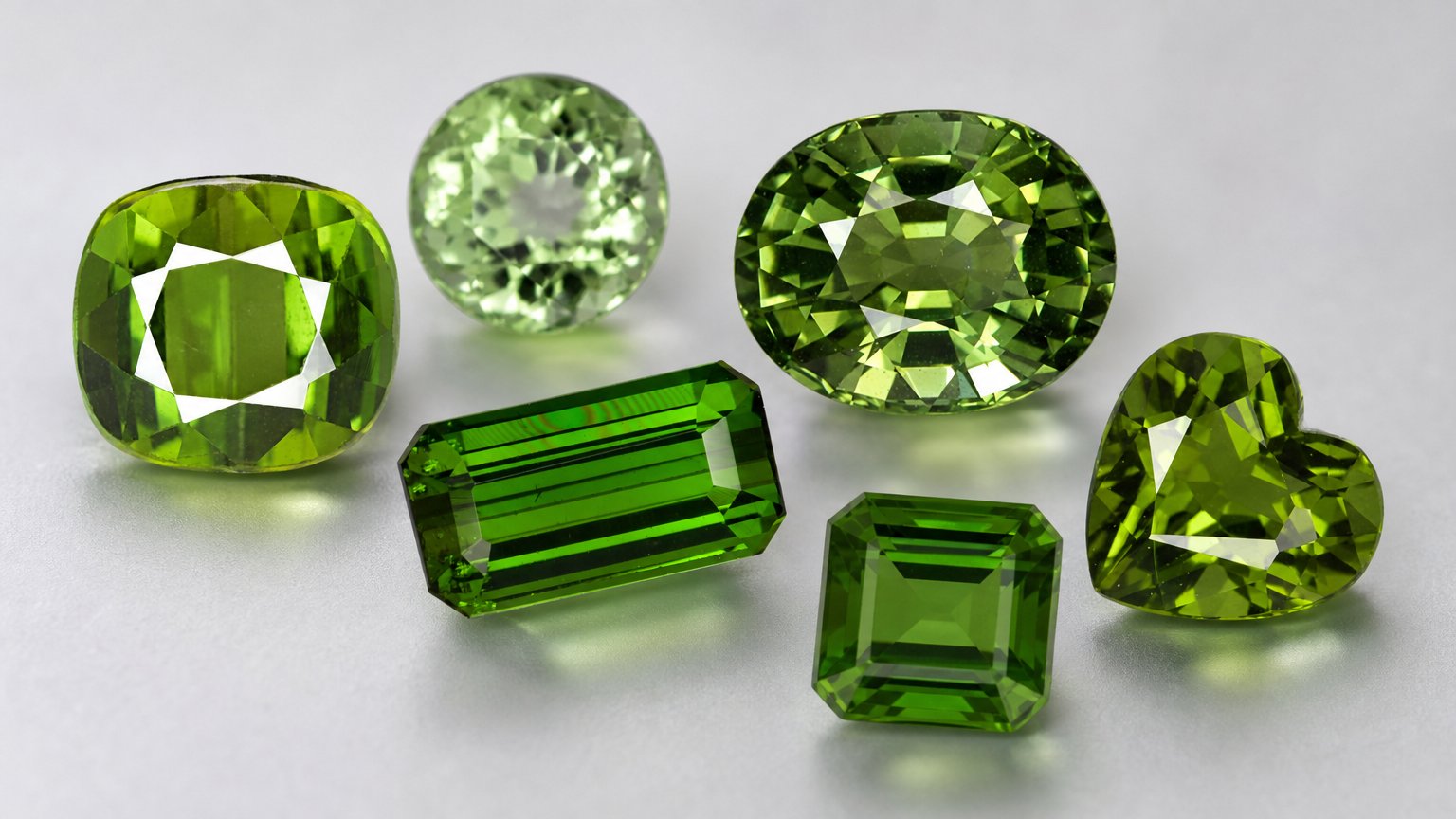
Tourmaline is known in the trade for appearing in many colors, but this guide focuses specifically on the green variety. Green tourmaline can be used in classic and modern jewelry, and it is commonly seen in faceted styles such as emerald cuts and other faceted designs. Cabochons may also be found, especially where a smooth, rounded surface is preferred over a brilliant faceted look.
Color and Appearance: What Buyers Should Look For
Color is the leading visual factor when buying green tourmaline. Since the defining color is green, buyers should focus on how pleasing the green appears to the eye. Three basic color concepts are useful: hue, tone and saturation. Hue is the basic color impression, tone is how light or dark the stone appears, and saturation describes the strength or intensity of the color. A green tourmaline with an attractive balance of these qualities will generally look more lively and appealing than one that appears too dark, too pale or uneven in color.
When comparing stones, view them under normal lighting conditions similar to where the jewelry will be worn. A stone that looks attractive only under a strong showroom light may appear different in everyday use. Also look at the gem from several angles. Because cutting and crystal orientation can influence how color is displayed, two stones with similar body color can look quite different once faceted.
Color Uniformity
For many jewelry buyers, even and attractive color is preferred. Check whether the green appears consistent across the face of the stone or whether some areas look noticeably lighter or darker. Some variation can be natural and may add character, but strong unevenness may affect the overall appearance, especially in larger stones or open settings.
Matching Green Tourmaline for Pairs and Sets
If you are buying green tourmaline for earrings or a multi-stone necklace, matching becomes more important. Compare stones side by side for color, shape, size and cutting style. Earrings in particular usually look best when the two gems are close in face-up size and show similar green color under the same light. Exact matching can be more difficult with natural gemstones, so allow for small natural differences while keeping the overall pair visually balanced.
Clarity: How to Judge Inclusions
Clarity describes the presence or absence of internal features, often called inclusions, and external surface features. With colored gemstones, clarity should be judged by how much it affects beauty, transparency and durability in the finished jewelry. A small inclusion near the edge may be far less noticeable than one positioned in the center of the gem. Likewise, inclusions that are difficult to see without magnification may not matter much for everyday wear.
For buyers, the most practical approach is to examine the stone face-up, without magnification, at a normal viewing distance. If inclusions are not distracting and the color and cut are attractive, the gem may still be a good choice. If an inclusion is obvious, breaks the surface, or makes the stone look cloudy, consider how that affects both appearance and intended use. For rings, which are more exposed to knocks than earrings or pendants, it is especially sensible to avoid stones with obvious weaknesses in vulnerable areas.
Cut Styles and Shapes
Cut has a major effect on how green tourmaline displays color and brilliance. A well-cut stone should look balanced, with an appealing outline, good symmetry and a pleasing face-up appearance. It should not have distracting windowing, where the center appears washed out or transparent, or overly dark areas that reduce the beauty of the green color.
Common Cuts
Emerald cuts and other faceted styles are especially common for green tourmaline. The emerald cut, usually seen in an octagonal outline, uses long step-like facets that can give the gem a refined, elegant appearance. Step cuts can emphasize color and clarity, so buyers should pay close attention to the evenness of the green and the visibility of inclusions.
General faceted cuts are also popular because they can add liveliness and sparkle. Oval and round shapes are widely used and can suit many jewelry types. Cushion and pear shapes are also seen and may be chosen for more distinctive designs. Cabochons, with their smooth domed tops, offer a softer appearance and are suitable for buyers who prefer a less brilliant but more understated look.
Choosing a Shape for Jewelry
Shape is both an aesthetic and practical decision. Octagon shapes, often associated with emerald cuts, work well in structured and classic jewelry. Ovals and rounds are versatile for rings, earrings and pendants. Cushions can provide a softer square or rectangular look, while pear shapes are often attractive in pendants and drop earrings. Heart and trillion shapes may appear in more specialized designs and are best chosen when their outline supports the overall style of the jewelry.
Size and Face-Up Appearance
Carat weight tells you how much a gemstone weighs, but it does not always tell you how large it will look once set. Different shapes and cutting styles can face up differently, meaning two stones of similar weight may appear different in size when viewed from above. For jewelry planning, millimeter dimensions are often just as important as carat weight.
Before buying, check the length, width and depth of the stone. A deeper stone may carry more weight without appearing much larger face-up, while a shallower stone may look broad but could sacrifice some visual performance if the cut is not well balanced. For rings, make sure the dimensions fit the setting design. For earrings, compare the dimensions of both stones carefully. For pendants and necklaces, consider how the gem size will look on the wearer and how it will relate to any accent stones or metalwork.
Treatments and Disclosure
Green tourmaline is commonly offered as untreated. For buyers, treatment disclosure is important because it helps you understand exactly what you are purchasing. An untreated gemstone has not been subjected to enhancement processes, and many buyers appreciate the straightforward nature of that disclosure.
When shopping, review the treatment information provided with the gemstone. GemSelect listings are designed to give clear details, including treatment status when available, so buyers can compare stones transparently. If treatment information is important for a collection, custom jewelry order or appraisal file, keep the purchase documentation with your records.
Origins of Green Tourmaline
Green tourmaline is associated with several gemstone-producing countries. Important origins include Brazil and Mozambique, and green tourmaline is also known from Afghanistan, Madagascar, Nigeria and Pakistan. Origin can be interesting for collectors and may add context to a gemstone, but it should not be the only factor in a buying decision.
For most jewelry buyers, the visible qualities of the gem are more important than origin alone. A well-cut green tourmaline with attractive color and good clarity can be a better choice than a less appealing stone from a more familiar source. If origin is stated, treat it as one part of the gem’s identity alongside the stone’s appearance, size, treatment status and suitability for the intended jewelry.
Durability and Everyday Wear
Durability matters because different jewelry types expose gemstones to different levels of wear. Rings generally receive the most contact because hands are active throughout the day. Earrings, necklaces and pendants are usually less exposed to impact and abrasion. When choosing green tourmaline for a ring, consider a secure setting and a design that protects vulnerable edges, especially on shapes with corners or points.
Practical care also helps preserve the appearance of the stone. Store gemstones and jewelry separately to prevent scratching from harder materials or contact with metal edges. Remove gemstone rings before activities that may cause impact, pressure or exposure to harsh conditions. Clean jewelry gently and avoid rough handling. If the stone is set in jewelry that is worn often, have the setting checked periodically by a qualified jeweler.
Best Jewelry Uses for Green Tourmaline
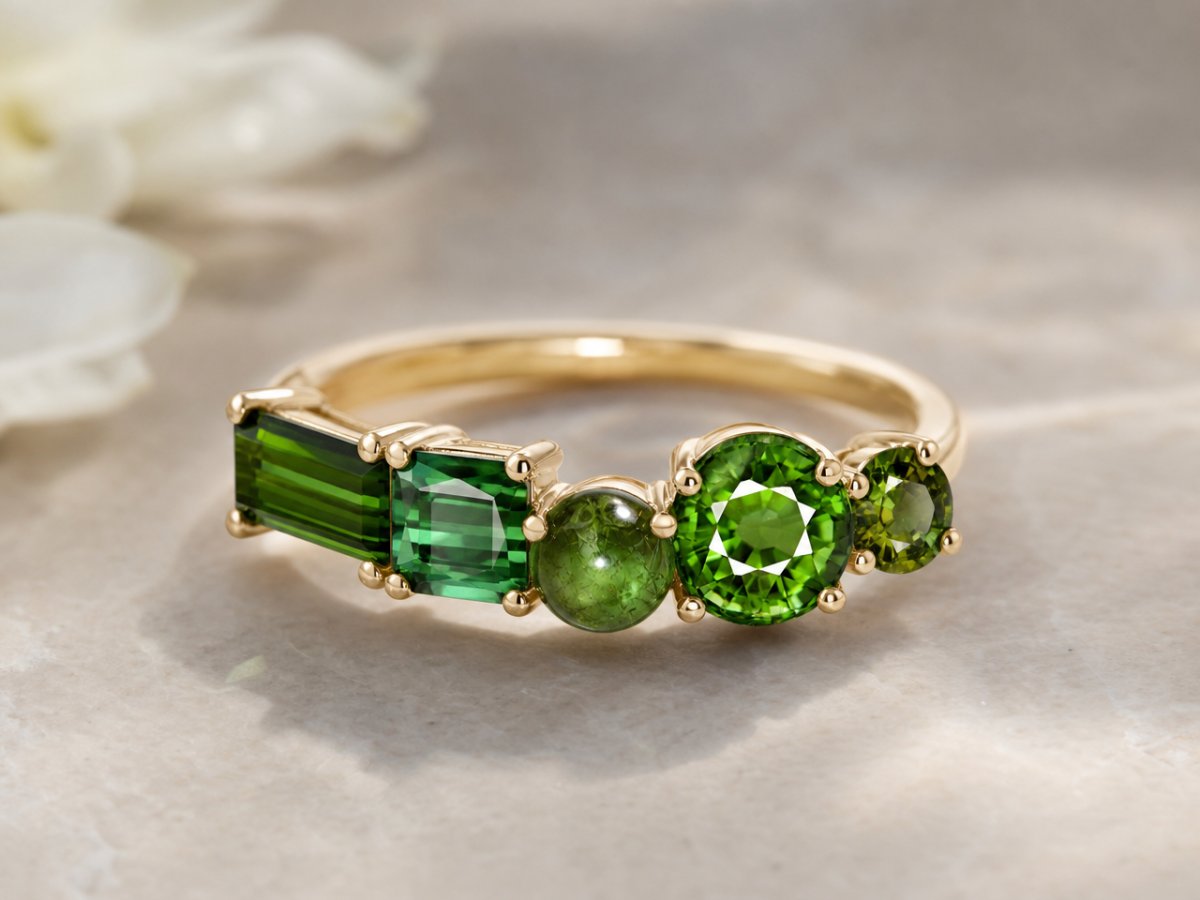
Green tourmaline is commonly used in rings and earrings, and it is also well suited to necklaces and pendants. Its green color can work with simple metal settings or more elaborate designs. The best choice depends on how the jewelry will be worn and whether the buyer wants the gem to be the main feature or part of a coordinated design.
Rings
For rings, prioritize a well-cut stone and a setting that protects the gem during wear. Octagon, oval and round shapes are practical and popular choices. If choosing a pear, heart or trillion shape, pay close attention to the protection of points and corners in the setting.
Earrings
Earrings are an excellent use for green tourmaline because they allow color to be seen clearly while typically receiving less impact than rings. Matched pairs should be assessed for similar color, dimensions and overall brightness. Ovals, rounds and pear shapes can all work well depending on the earring style.
Pendants and Necklaces
Pendants and necklaces give designers flexibility with size and shape. A single green tourmaline can be the centerpiece of a pendant, while smaller stones can be used in necklace designs. Because pendants are usually less exposed than rings, buyers may have more freedom to choose shapes based primarily on visual preference.
How to Compare Green Tourmaline Before Buying
A confident purchase comes from comparing gemstones systematically. Start with color: choose the green that appeals to you most and check that it remains attractive in different lighting. Next, examine clarity with the unaided eye. Inclusions that are not distracting may be acceptable, but avoid obvious features that reduce beauty or raise concern for jewelry use.
Then evaluate cut. Look for pleasing symmetry, a balanced outline and a lively face-up appearance. Review the shape and dimensions to make sure the stone fits your intended setting. Confirm treatment status and keep documentation. Finally, consider origin as background information rather than the main reason for purchase unless it is specifically important to your collecting goals.
When shopping at GemSelect, compare stones using the listed measurements, shapes, cuts, treatment details and photos. If you are buying for a custom setting, share the gemstone dimensions with your jeweler before finalizing the design. This reduces the chance of choosing a stone that is beautiful on its own but difficult to set in the intended jewelry.
Summary
Green tourmaline is a versatile green gemstone variety of tourmaline associated with elbaite and the October birthstone tradition. Buyers should focus first on attractive green color, then on clarity, cut quality, shape, size, treatment disclosure and jewelry suitability. Brazil and Mozambique are important origins, with material also associated with Afghanistan, Madagascar, Nigeria and Pakistan, but origin should be weighed alongside the gemstone’s actual appearance and practical use. By comparing stones carefully and choosing a design appropriate for how the jewelry will be worn, buyers can select green tourmaline with greater confidence.