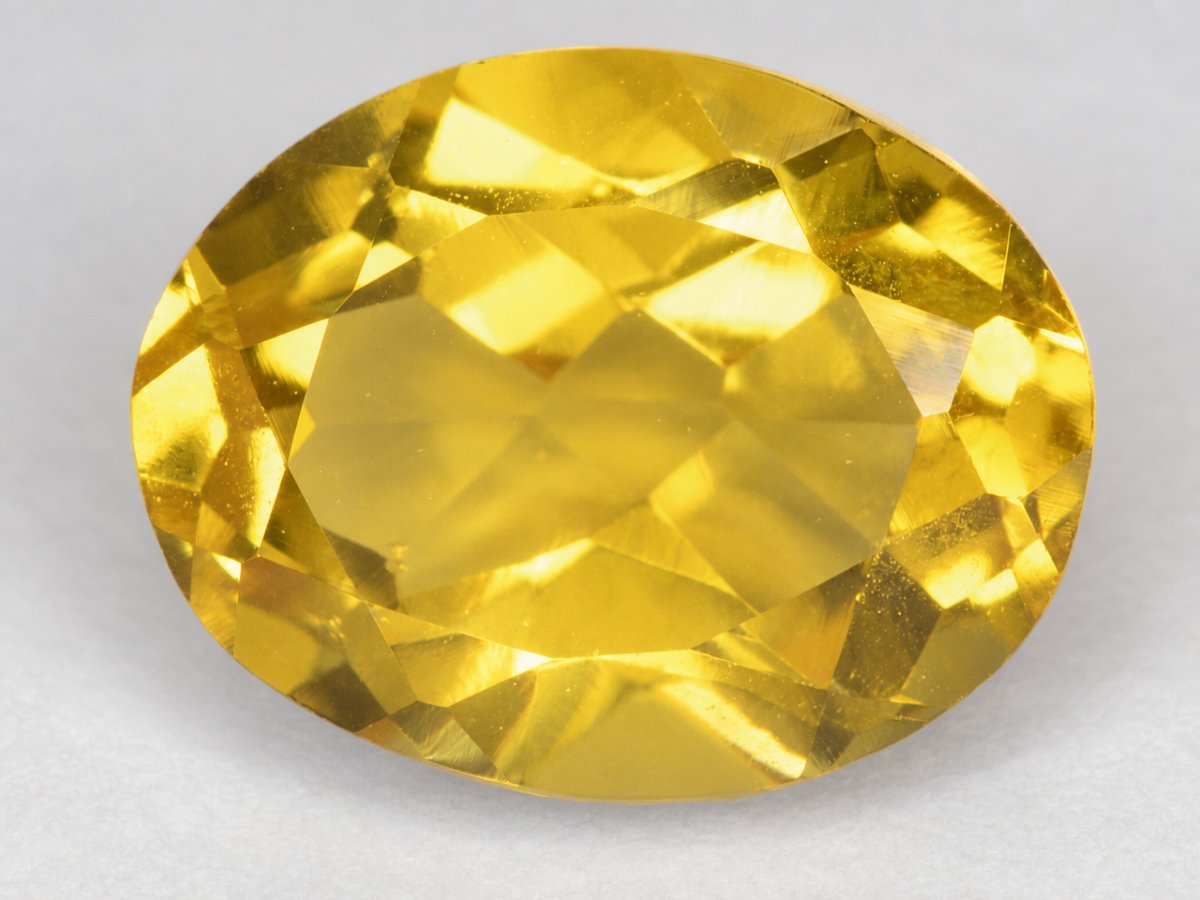


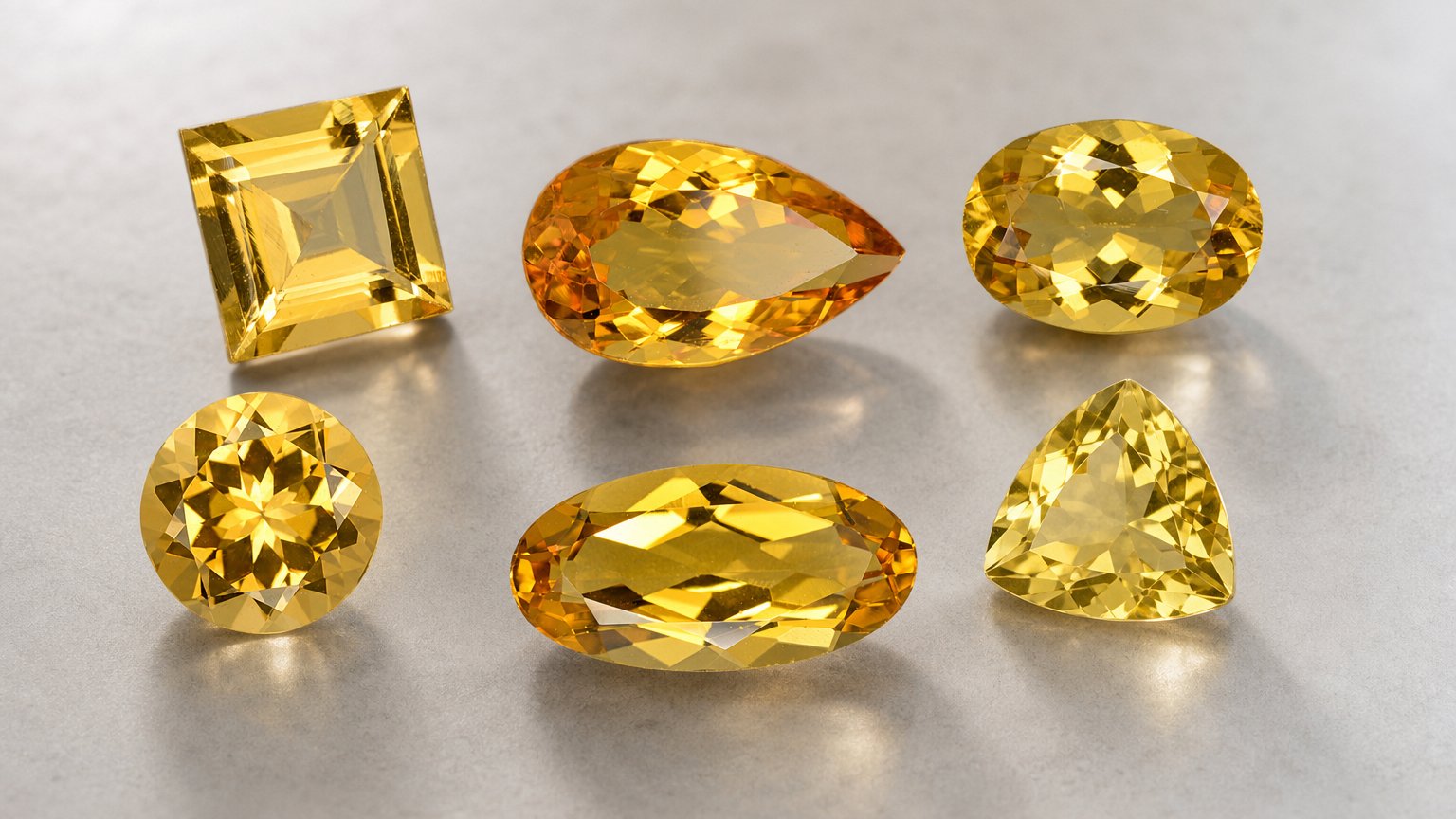
Golden beryl is a yellow variety of the beryl mineral species, appreciated by buyers who want a bright, sunny gemstone with good hardness and a clean, elegant appearance. For most purchases, the most important decisions are the quality of the yellow color, the effectiveness of the cut, visible clarity, treatment disclosure and whether the stone is suitable for the intended jewelry design.
This guide explains what to check before buying loose golden beryl, whether you are choosing a center stone for a ring, matching gems for earrings or a pendant stone for a custom design.
What Is Golden Beryl?
Golden beryl belongs to the beryl mineral species and has the chemical formula Be₃Al₂Si₆O₁₈. It forms in the hexagonal crystal system and is known for yellow body color. Its gemological properties include a Mohs hardness of 7.5-8, a refractive index of 1.577-1.583 and a specific gravity of 2.66-2.90.
For buyers, these details matter because they help confirm that golden beryl is a durable, facetable gemstone suitable for many jewelry styles. They also provide useful reference points for gem identification when buying from a reputable seller.
Color: The Main Visual Decision
Color is the first feature most buyers notice in golden beryl. The verified color for this gemstone is yellow, and the best choice depends on the look you want: a lighter yellow can appear crisp and delicate, while a richer yellow can look warmer and more noticeable in jewelry.
When comparing stones, look for color that appears attractive face-up, not just in a product description. A well-chosen golden beryl should show a pleasing yellow tone across the gem, with no distracting unevenness when viewed normally. Lighting also matters; compare photos or videos taken under consistent conditions when possible.
Clarity and Transparency
Clarity affects how clean and bright a golden beryl looks. Rather than focusing only on technical terminology, buyers should ask a simple question: are inclusions visible enough to affect beauty or durability in the intended jewelry piece?
For rings, especially designs where the gemstone will be viewed closely, many buyers prefer stones that look clean to the unaided eye. For earrings or pendants, small inclusions may be less noticeable because the gem is usually seen from a greater distance. Always review images carefully and ask for clarification if a mark, feather or internal feature is visible in the photo.
Cut, Shape and Face-Up Appeal
Golden beryl is commonly faceted, and the cut has a major effect on brightness, color return and overall appeal. Step cuts are also used, and they can give golden beryl a clean, architectural appearance. Checkerboard and Portuguese cuts may be chosen when a livelier surface pattern or extra sparkle is desired.
Oval shapes are especially common, with cushion and round shapes also frequently seen. Octagon and pear shapes are additional options when the design calls for a more distinctive outline. Rather than choosing by shape alone, judge the complete face-up appearance: symmetry, brightness, outline, depth and whether the gem shows a noticeable window, which is an overly transparent area caused by shallow cutting.
Size and Proportions
When buying golden beryl, consider both carat weight and millimeter dimensions. Two gemstones with the same weight can face up differently if one is cut deeper and the other is spread wider. For jewelry design, measurements are often more important than weight because they determine whether the stone will fit a setting.
If the gem is intended for a ring, check that the size suits the hand and the setting style. For earrings, matched dimensions and similar color are important. For pendants and necklaces, slightly larger or more elongated shapes can be effective because they are usually worn as a visible focal point.
Treatments and Disclosure
Golden beryl is commonly available as untreated material, although heat treatment can occur. Treatment status should be clearly disclosed before purchase because it is part of an informed buying decision.
Untreated stones appeal to buyers who prefer gems without enhancement. Heat-treated stones may still be suitable for jewelry when properly disclosed. The key is transparency: buy from sellers who provide clear treatment information and, when needed, additional documentation.
Origins: Useful Context, Not the Only Buying Factor
Golden beryl is associated with several origins, including Brazil, Madagascar, Namibia, Mozambique, Nigeria and Pakistan. Brazil is especially important among known sources, with Madagascar and Namibia also notable.
Origin can be interesting to collectors and may be relevant when comparing similar gemstones. For most jewelry buyers, however, appearance, cutting quality, treatment disclosure and seller reliability should carry more weight than origin alone.
Durability and Jewelry Suitability
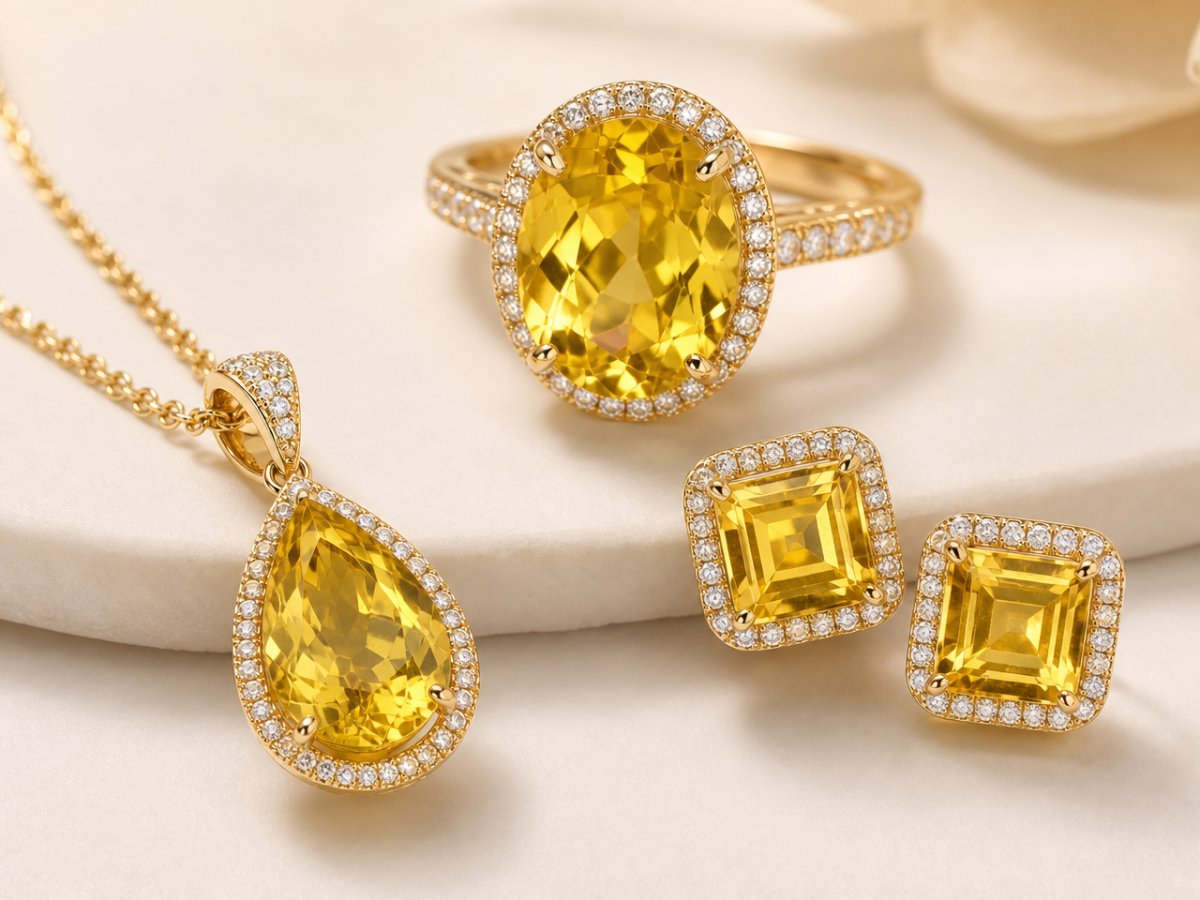
With a Mohs hardness of 7.5-8, golden beryl is durable enough for many jewelry uses, including rings, earrings, pendants and necklaces. It can also be used in fashion rings where the design emphasizes style and color.
For rings, choose a secure setting and consider how often the piece will be worn. Any gemstone used in a ring is more exposed to knocks than one used in earrings or a pendant. For everyday wear, practical setting design and sensible care are important. Earrings and pendants are lower-impact choices and are excellent options for showcasing golden beryl's yellow color.
How to Choose Golden Beryl: Practical Buying Checklist
1. Choose the yellow you like most
Decide whether you prefer a lighter, softer yellow or a warmer, stronger yellow. Compare stones under similar lighting and prioritize the face-up appearance.
2. Check the cut before the carat weight
A well-cut golden beryl will usually look more lively and attractive than a heavier stone with poor proportions. Look for balanced brightness, good symmetry and no distracting windowing.
3. Match shape to jewelry style
Oval golden beryl is a versatile choice, while cushion and round shapes suit classic designs. Octagon shapes work well in more geometric settings, and pear shapes can be attractive for pendants and drop earrings.
4. Inspect clarity at the viewing distance that matters
For a ring center stone, close-up clarity is more important. For earrings and pendants, minor inclusions may be less noticeable once worn.
5. Confirm treatment information
Ask whether the gemstone is untreated or heat treated. Clear disclosure supports confidence and helps you compare similar stones fairly.
6. Buy from a seller with clear gem details
When comparing loose golden beryl at GemSelect or elsewhere, review the listed dimensions, weight, shape, cut style, treatment status and images. These details are more useful than relying on a name alone.
Care Tips for Golden Beryl Jewelry
Golden beryl should be protected from hard knocks, especially in rings. Store it separately from harder gems and jewelry items that could scratch it. For routine cleaning, use gentle methods appropriate for faceted gemstone jewelry and avoid harsh handling or abrasive materials.
Summary
Golden beryl is a yellow beryl gemstone with good hardness and broad jewelry potential. The best purchase is not simply the largest stone or the one with the most impressive description; it is the gem with the most attractive yellow color, effective cutting, suitable clarity, proper treatment disclosure and proportions that fit your jewelry design.