

Ethiopian opal is a variety of opal known for its lively multicolor appearance and its origin in Ethiopia. For many gem lovers, its meaning comes from the way color seems to move across the stone: a visual effect that has made opal one of the most symbolic and emotionally expressive gems in the jewelry world.
This guide focuses on Ethiopian opal's meaning, cultural associations and modern symbolism. Where meanings are traditional or popular beliefs rather than documented historical facts, they are described as such.
What Ethiopian Opal Means
Ethiopian opal is most often associated with creativity, individuality and emotional expression. These meanings are modern and symbolic, shaped largely by the gem's shifting colors rather than by a single ancient tradition specific to Ethiopia.
Because Ethiopian opal belongs to the opal family, it shares many of the broader symbolic associations connected with opal. Opal has long been regarded as a gemstone of imagination and personal feeling, especially because no two stones look exactly alike. Ethiopian opal's multicolor appearance reinforces that idea: it can suggest change, possibility and the many-sided nature of personality.
In contemporary gemstone symbolism, Ethiopian opal is often chosen by people who want a gem that feels expressive rather than formal. Its flashes of color can make it feel spontaneous, artistic and personal, which is why it appeals to collectors, designers and buyers looking for a gemstone with character.
The Meaning of Its Colors
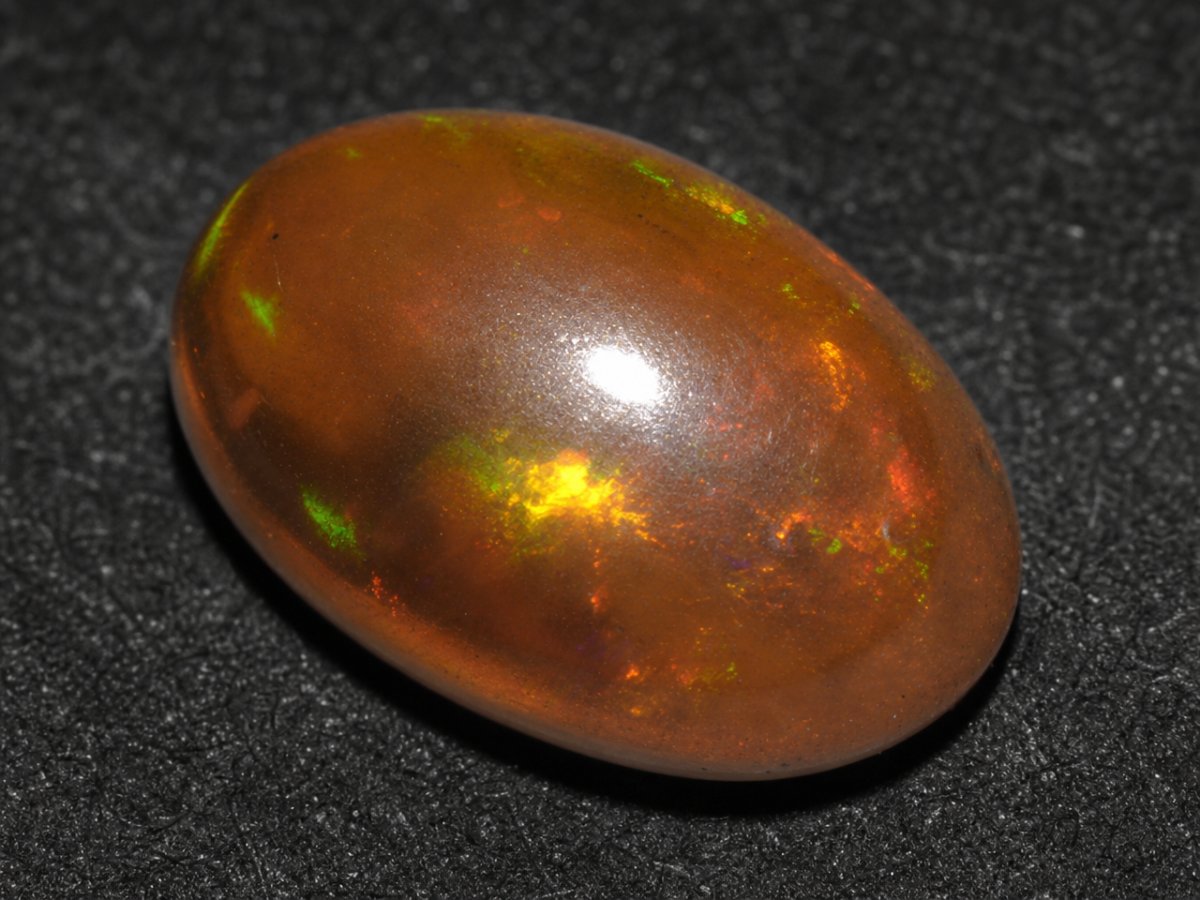
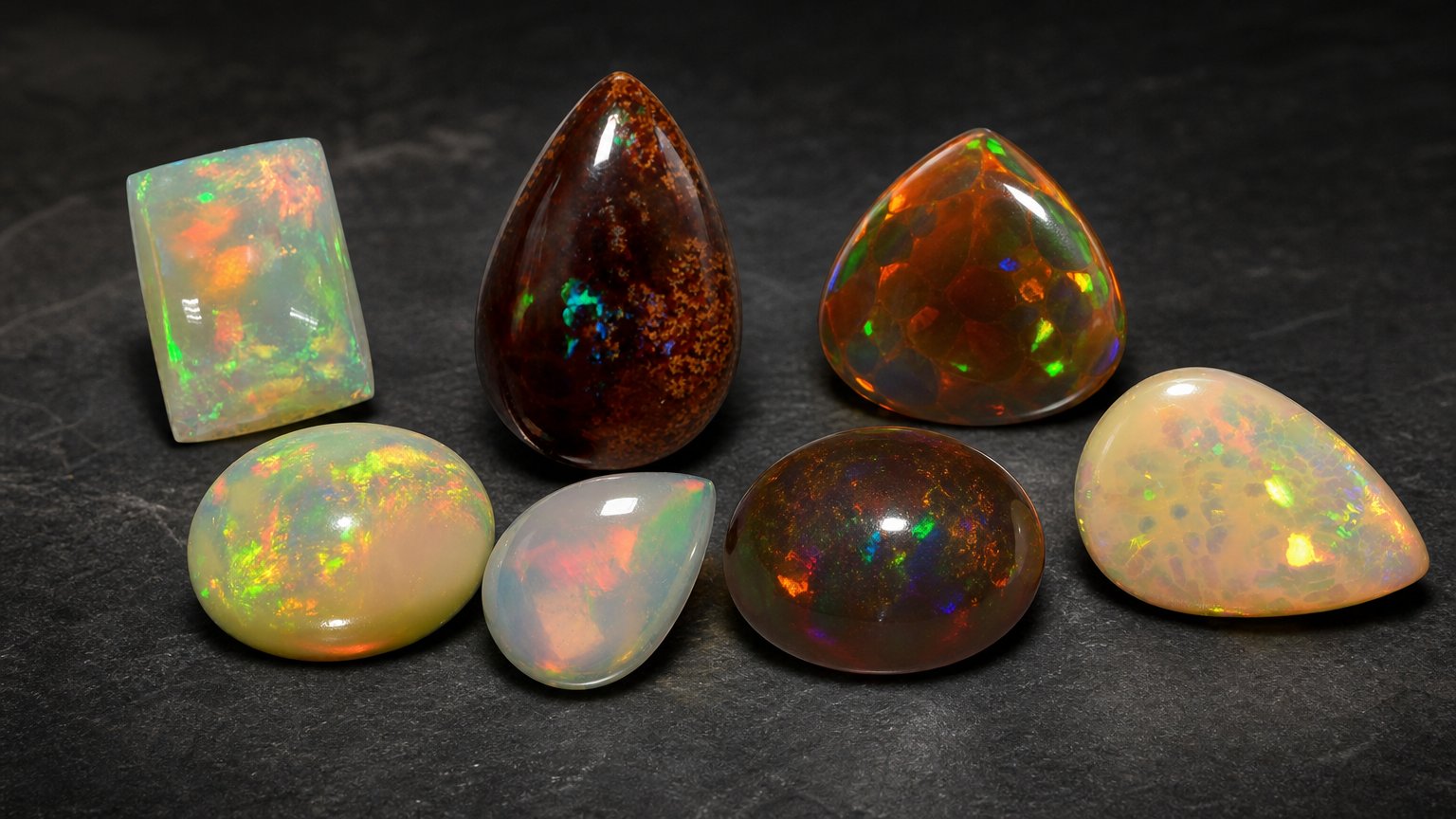
Ethiopian opal can appear multicolor, with body colors that may include white, yellow, orange, brown, black, green or gray. Its symbolic meaning is often connected to this variety of color rather than to one single hue.
Multicolor opal is commonly interpreted as a symbol of variety, movement and transformation. White and light-toned Ethiopian opals can feel luminous and open, while darker or brownish stones may appear warmer, earthier or more dramatic. Orange and yellow tones often give the gem a bright, energetic character. These are aesthetic and symbolic impressions, not fixed rules.
The most important point is that Ethiopian opal's meaning is highly individual. Buyers often respond to the particular pattern, color mix and mood of a stone, making the gemstone especially suited to personal symbolism.
Name and Origin
The name "Ethiopian opal" is straightforward: it identifies an opal associated with Ethiopia. The geographic name is important because origin is part of the gemstone's modern identity. Rather than referring to a separate mineral species, Ethiopian opal is a variety of opal.
Opal itself is an amorphous form of hydrated silica, but in a meaning guide the technical details matter mainly because they help explain the gem's distinctive appearance. Ethiopian opal's beauty is not based on a rigid crystal structure; it is appreciated for its organic, fluid-looking color effects and natural visual variation.
Historical Background and Cultural Context
The verified historical identity of Ethiopian opal is tied to Ethiopia as an important origin for this opal variety. Its place in gemstone culture is especially strong in the modern market, where Ethiopian opal has become widely recognized for vivid color and distinctive patterns.
Unlike some gemstones with long, well-documented royal, religious or ceremonial histories, Ethiopian opal's cultural significance for most buyers today is largely contemporary. It is valued as part of the broader opal tradition while also being recognized for its Ethiopian source identity.
This distinction matters. General opal symbolism may be older and more widespread, but specific claims about Ethiopian opal in ancient ceremonies, sacred objects or historical legends should not be assumed without reliable evidence. A careful interpretation treats Ethiopian opal as a modern, culturally important gemstone source within the larger opal story.
Folklore, Legend and Modern Belief
Opal has attracted folklore because its appearance can seem mysterious: colors appear, vanish and shift as the stone moves. In modern crystal and symbolic traditions, opal is often associated with inspiration, sensitivity and imagination. Ethiopian opal is commonly included in these modern interpretations because it is an opal variety with especially expressive color.
These beliefs are best understood as cultural and personal symbolism, not scientific fact. Ethiopian opal should not be presented as having proven healing or medical effects. Its real value in this context is emotional, artistic and symbolic: it can serve as a reminder of creativity, change, optimism or personal expression.
Ethiopian Opal as an October Birthstone
Opal is a birthstone for October, and Ethiopian opal is part of that birthstone tradition because it is a variety of opal. This makes it a meaningful choice for October-born wearers who want a birthstone with strong color play and a distinctive origin.
As an October birthstone, Ethiopian opal is often interpreted as a symbol of individuality and emotional depth. Its many colors can also make it feel like a gemstone that contains several moods at once, which suits the personal nature of birthstone jewelry and gifts.
Ethiopian Opal in Modern Gem Culture
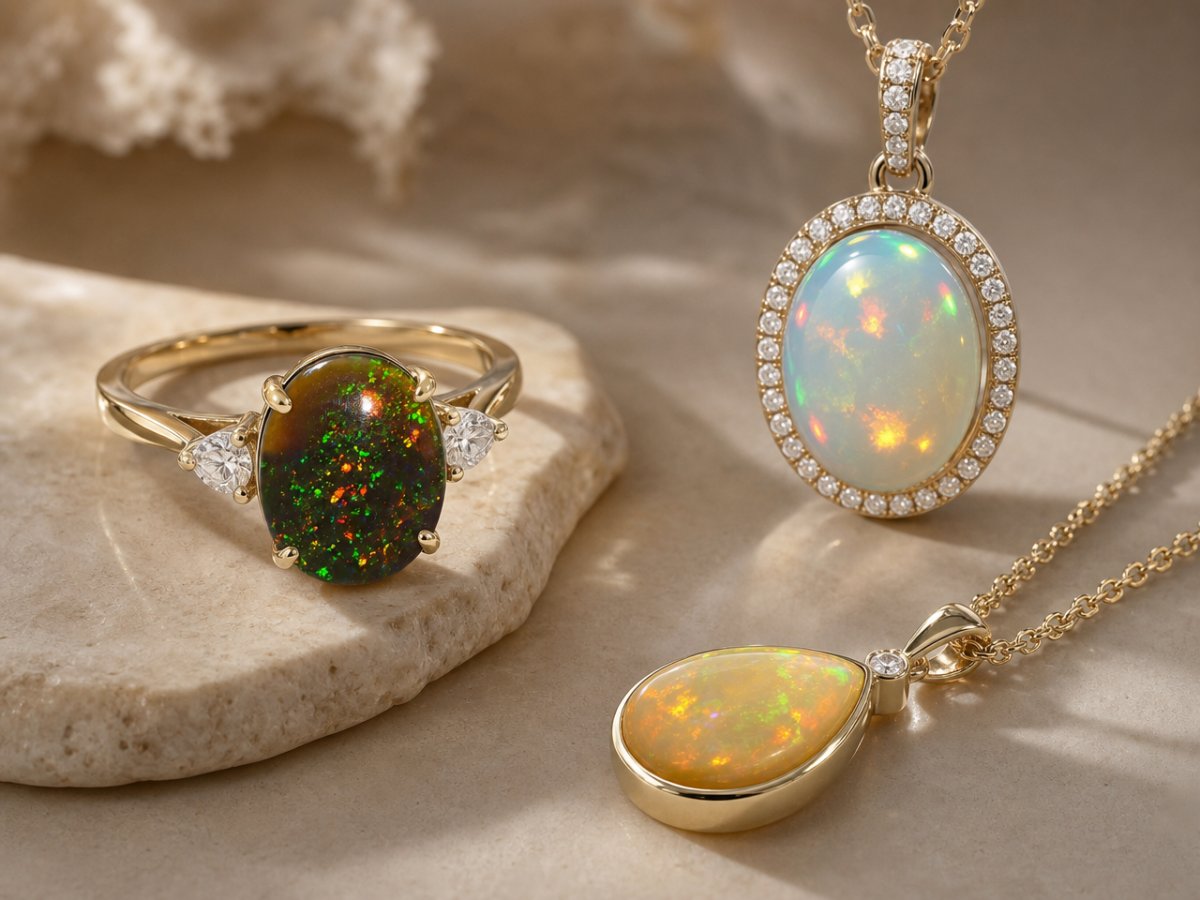
Today, Ethiopian opal is admired by gemstone buyers, jewelers, designers and collectors for its expressive look. It is commonly seen in rings, earrings, necklaces, pendants and collector jewelry, though this guide focuses on meaning rather than jewelry selection.
Its modern appeal comes from a combination of origin, color and individuality. Ethiopian opal does not need heavy historical mythology to feel meaningful; its symbolism is easy to understand visually. The stone's color changes and unique patterns naturally invite personal interpretation.
Modern buyers should also be aware that Ethiopian opal may be untreated or may receive treatments such as smoked treatment or dyeing. Treatment information belongs mainly to gem identification and buying guidance, but it is relevant to meaning when authenticity and disclosure are important to the wearer. For symbolic or sentimental pieces, many buyers prefer to know exactly what kind of opal they are choosing.
Summary
Ethiopian opal's meaning is rooted in color, individuality and its identity as an opal from Ethiopia. It is best understood as a modern gemstone with strong personal symbolism rather than as a gem with a heavily documented ancient history of its own.
For October birthdays, creative personalities and collectors who value expressive gemstones, Ethiopian opal offers a meaningful connection to the broader opal tradition while retaining its own distinct source identity.