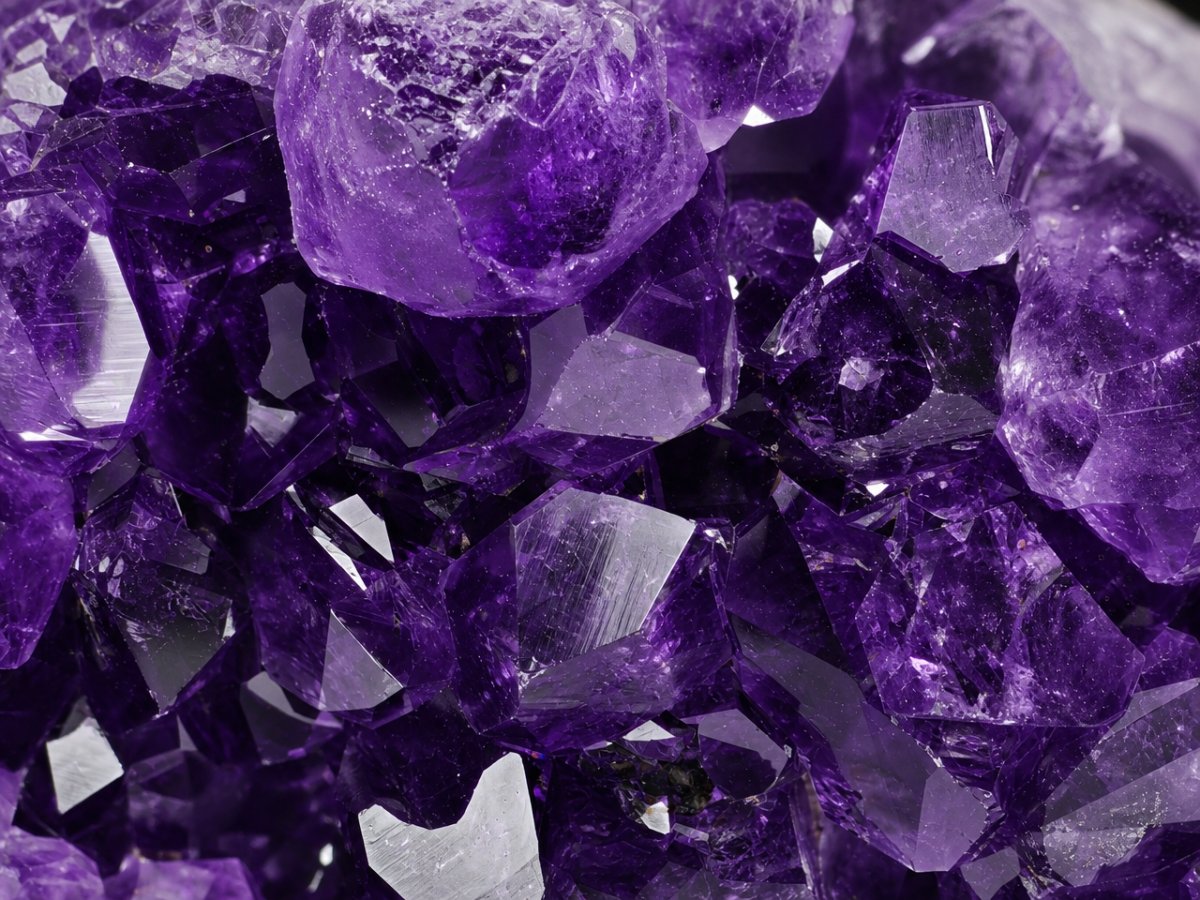


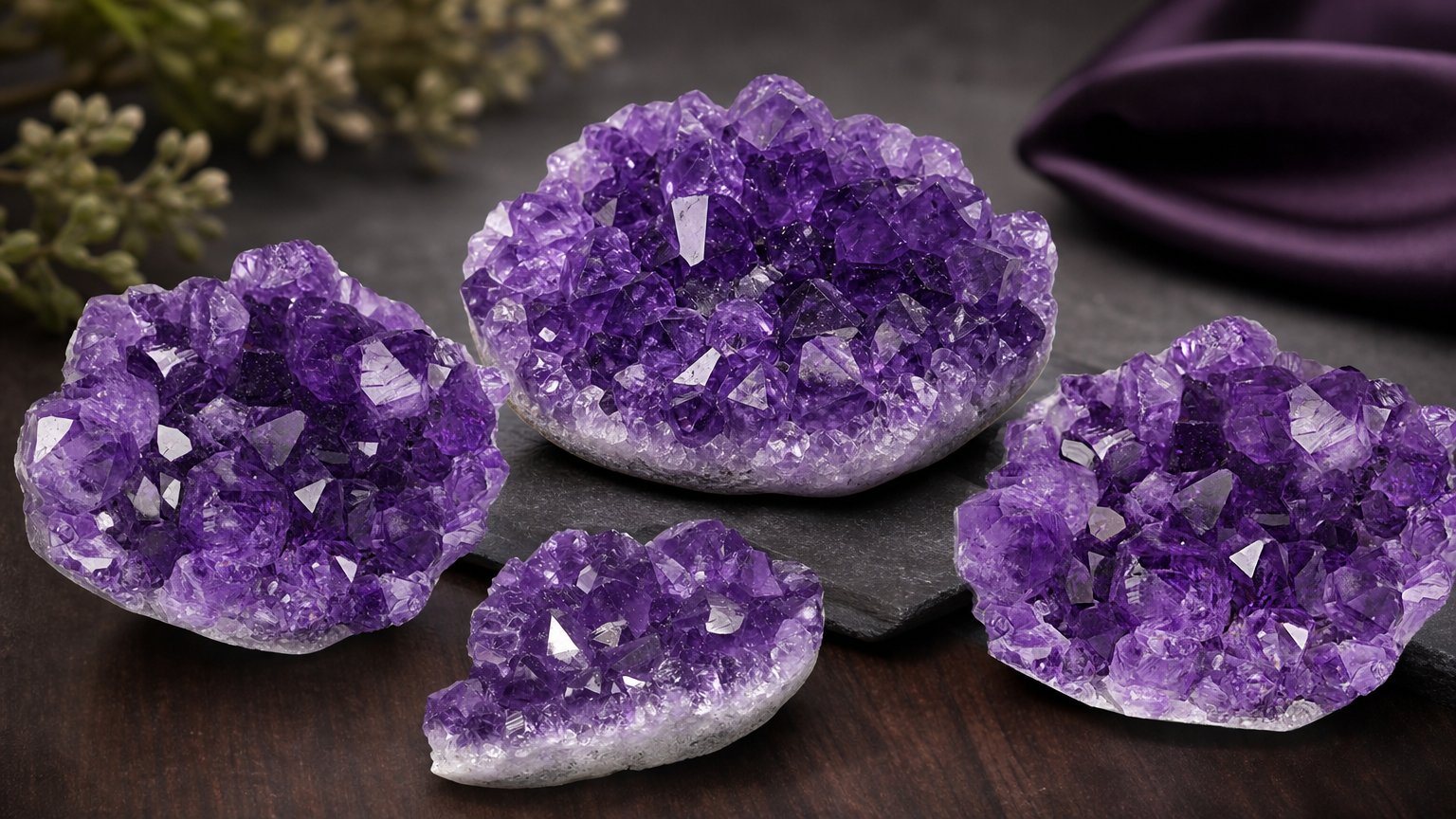
Druzy amethyst is chosen for a different kind of beauty than a traditional faceted gemstone. Instead of a single polished table and pavilion, it displays a natural surface covered with many tiny amethyst crystals. This gives the gem a lively, sparkling texture and a distinctive violet to purple appearance that works especially well in statement jewelry.
For buyers, the most important point is to judge druzy amethyst on the features that make it special: color, crystal sparkle, the quality of the natural druzy surface, overall shape, size, durability and how it will be set. It is still amethyst, and therefore part of the quartz family, but the buying considerations are not exactly the same as for a faceted amethyst stone.
This guide explains what to look for before purchasing druzy amethyst, how to compare stones, and which jewelry uses are most practical.
What Is Druzy Amethyst?
Druzy amethyst is a variety of amethyst, and amethyst is a member of the quartz mineral species. Its chemical formula is SiO₂, and it belongs to the trigonal crystal system. The defining visual feature is the natural druzy surface: a layer of small, closely packed crystals that create a glittering appearance across the face of the gem.
Because the crystal surface is the main attraction, druzy amethyst is commonly cut or prepared to preserve that natural surface rather than to create a conventional faceted gem. Freeform shapes are especially common because they follow the natural outline of the material. This is one reason each druzy amethyst can look quite individual, even when the color family is similar.
Buyers who enjoy organic shapes, texture and natural crystal sparkle often prefer druzy amethyst over standard calibrated gems. It can be elegant, dramatic or artistic depending on the setting, making it popular for pendants, necklaces and brooches, as well as selected bracelet and earring designs.
Color and Appearance: What Buyers Should Look For
The recognized color range for druzy amethyst is violet to purple. In practical buying terms, color should be assessed across the whole stone, not just in one small area. Since the surface is made of many tiny crystals, the color may appear slightly varied as light reflects from different angles.
Violet and Purple Tones
Violet is the key color to look for, with purple also commonly seen. Some stones may appear lighter and more delicate, while others look deeper and more saturated. Preference plays a major role, especially because druzy amethyst is often used in jewelry where visual personality matters as much as formal gem grading.
When comparing pieces, look for color that is attractive in the lighting where the jewelry will be worn. Druzy surfaces can sparkle strongly under direct light, while softer lighting may emphasize body color and texture. If buying online from GemSelect or another gemstone supplier, review the photos carefully and pay attention to how evenly the violet or purple color presents across the surface.
Surface Sparkle and Crystal Texture
The natural druzy surface is the most important visual characteristic. A desirable piece should have a lively, appealing crystal texture. The tiny crystals should look well distributed across the face of the stone. Large dull patches, distracting breaks in the surface, or areas that look visually inconsistent may affect the overall appearance.
Druzy amethyst is not judged by the same clarity standards as transparent faceted gems. Instead of asking whether it is eye-clean, consider whether the crystal surface looks attractive, complete and suitable for your intended design. A naturally textured surface is expected; the goal is not perfect smoothness, but an appealing balance of color, sparkle and form.
Shape and Outline
Freeform shapes are common and appropriate for druzy amethyst. Unlike calibrated rounds or ovals, freeform stones are often selected for uniqueness. Before buying, consider how the outline will work in a setting. A pendant may benefit from an elongated or balanced freeform shape, while a brooch can accommodate a more dramatic outline. For earrings, matching size, color and general shape becomes more important.
Cut and Form: Why the Natural Surface Matters
In many gemstones, cut refers to facets and proportions. With druzy amethyst, the common cut style is best understood as a preserved natural druzy surface. The lapidary work typically aims to present the sparkling crystal face while shaping the stone for use in jewelry or collecting.
Buyers should inspect the edge and back as well as the face. The face should show the attractive violet-purple crystal surface, while the overall form should be practical enough for setting. A stone can be beautiful but still difficult for a jeweler if the outline is awkward, the profile is uneven, or the piece is too bulky for the intended design.
If you are a jewelry designer, check the measurements carefully. Freeform druzy amethyst may not fit standard mountings. Custom bezels, frames or wire settings are often more suitable than settings designed for calibrated faceted gemstones.
Gemological Properties and What They Mean
Druzy amethyst shares key gemological properties with quartz. It has a Mohs hardness of 7, a refractive index of 1.544–1.553 and a specific gravity of 2.65. These numbers are useful for understanding identity, durability and handling.
Mohs Hardness 7
A Mohs hardness of 7 means quartz resists scratching better than many softer minerals. However, hardness is not the same as toughness. Druzy amethyst has many tiny crystal points on the surface, and those small crystals can be more vulnerable to chipping or abrasion than a smooth cabochon surface. The gem should still be handled with care, especially in jewelry that may receive knocks.
Refractive Index and Sparkle
The refractive index range of 1.544–1.553 is consistent with quartz. In a faceted gemstone, refractive index helps explain how light bends and returns to the eye. In druzy amethyst, the sparkle comes largely from the many small crystal faces catching light from different directions. This creates a glittering effect that is visually different from the brilliance of a faceted stone.
Specific Gravity
Specific gravity is a measure of density. Druzy amethyst has a specific gravity of 2.65, typical for quartz. For most buyers, this is more useful as a gemological identification property than as a shopping feature. Still, it is part of the profile that places druzy amethyst within the quartz family.
Durability and Everyday Wear
Druzy amethyst is durable enough for many jewelry styles, but the type of jewelry matters. Its hardness of 7 is favorable, yet the exposed natural crystal surface should be protected from hard knocks, heavy abrasion and rough handling.
Pendants and necklaces are especially suitable because they are less likely to strike hard surfaces during normal wear. Brooches are also practical because they usually sit away from high-impact areas. Earrings can work well, particularly when the stones are not overly large or heavy. Bracelets require more caution because wrist jewelry is more likely to be bumped against desks, doors and other objects.
If you plan to wear druzy amethyst often, choose a setting that protects the edges and does not leave the crystal surface in a position where it will be repeatedly scraped. A secure bezel or frame-style setting can help protect the outline while still showcasing the druzy face.
Treatments and Disclosure
Druzy amethyst is commonly offered untreated. For buyers, treatment disclosure is important because it helps you understand exactly what you are purchasing. When a gem is described as untreated, it means no treatment has been applied to alter its appearance according to the seller’s disclosure.
Because the natural crystal surface is a major part of druzy amethyst’s appeal, many buyers prefer pieces that retain that natural appearance. When purchasing, check the product description for treatment information. GemSelect lists treatment details on gemstone pages where relevant, which helps buyers compare stones with confidence.
Origins of Druzy Amethyst
Important sources for druzy amethyst include Brazil, Uruguay, Madagascar and Namibia. Brazil is especially prominent, with Uruguay also well known in the trade. Madagascar and Namibia may also be represented in available material.
Origin can be interesting for collectors and buyers who enjoy knowing where a gemstone comes from, but it should not be the only factor in a purchase. For most jewelry use, the visible quality of the individual stone matters more: violet to purple color, attractive sparkle, suitable shape, and a surface that works well for the intended design.
If origin is important to you, look for stones with clear origin information from the seller. If the origin is not stated, evaluate the stone on its own merits rather than assuming a source based on appearance alone.
Best Jewelry Uses for Druzy Amethyst
Druzy amethyst is particularly effective in jewelry that highlights its natural crystal texture. The most suitable designs allow the surface to be seen clearly and protected sensibly.
Pendants and Necklaces
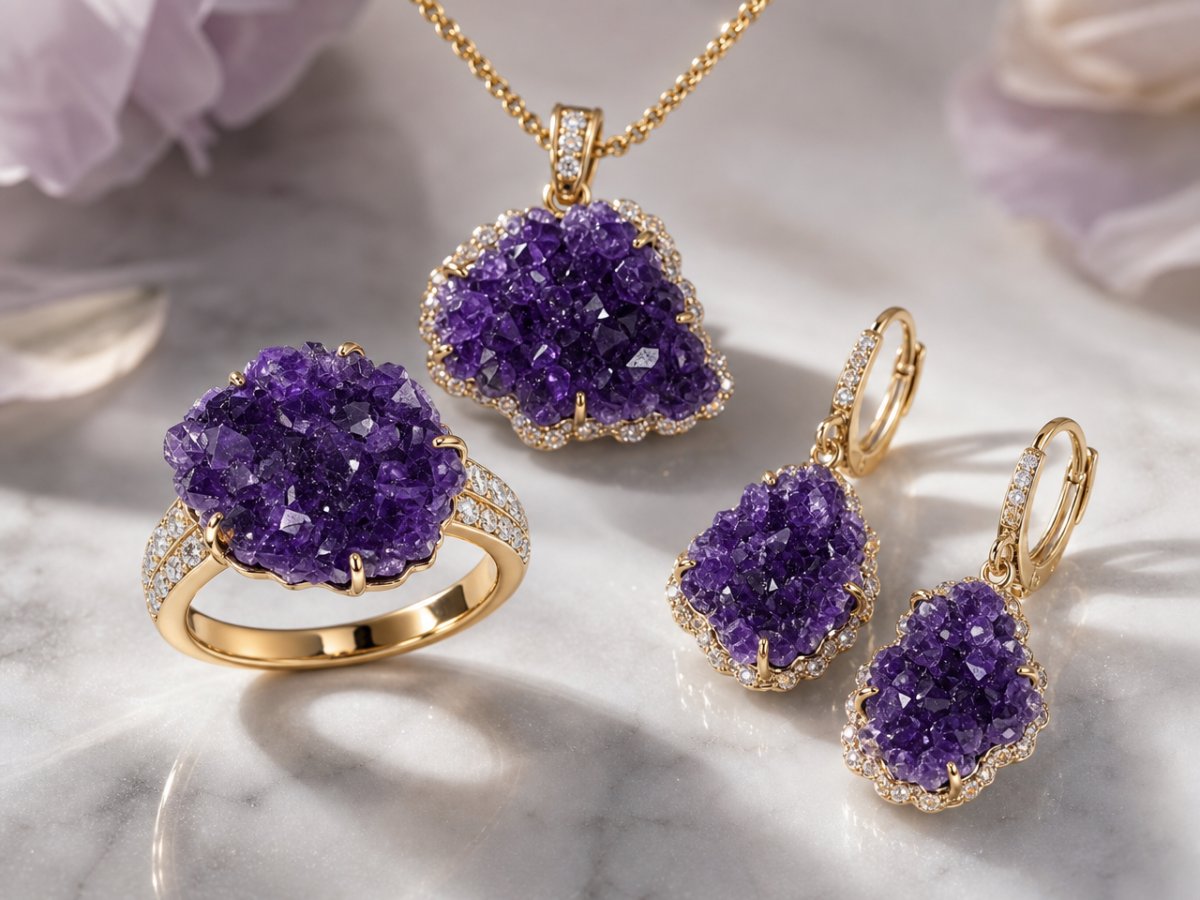
Pendants are one of the best uses for druzy amethyst. They provide enough space to display freeform shapes and the sparkling crystal surface, while also reducing the risk of impact compared with rings or bracelets. Druzy amethyst pendants can be simple and minimal, or larger and more sculptural.
Necklaces can also use druzy amethyst effectively, either as a focal stone or as part of a more elaborate design. When designing a necklace, consider the stone’s weight, profile and how it will sit against the body.
Brooches
Brooches are a natural match for freeform druzy amethyst because they can accommodate unusual outlines. They also allow for artistic metalwork around the stone. Since brooches are not usually exposed to the same impact as rings or bracelets, they are a practical choice for larger druzy pieces.
Earrings and Bracelets
Earrings can work well when the pair is reasonably matched in color, size and general outline. Because druzy surfaces are naturally variable, exact matches may be difficult, so look for harmony rather than perfect duplication.
Bracelets are possible, but they should be designed carefully. A bracelet setting should protect the stone from repeated knocks, and the wearer should be mindful of impact. For everyday wrist wear, smoother and more protected gem styles may be more practical.
How to Buy Druzy Amethyst with Confidence
Buying druzy amethyst is partly about gem knowledge and partly about design judgment. The following points can help you compare stones more effectively.
1. Prioritize the Face-Up Appearance
Look first at the view you will see when the gem is set. Is the violet or purple color appealing? Does the crystal surface sparkle attractively? Is the texture balanced, or are there distracting areas? Because the natural surface is the feature, the face-up appearance should be the deciding factor.
2. Check the Surface Carefully
A druzy surface should look naturally crystalline, not smooth like a cabochon. Minor natural variation is part of the charm, but the surface should still be visually pleasing. Avoid pieces where the most prominent area looks damaged or dull unless that effect is specifically desired for a design.
3. Consider Shape Before Size
Larger is not always better. A well-shaped freeform stone that suits your jewelry design may be more useful than a larger piece that is difficult to set. Check length, width and thickness, not just carat weight, especially for pendants, earrings and custom work.
4. Think About the Setting
Druzy amethyst often works best in settings that frame the stone securely. Bezel-style settings, protective edges and custom designs can help keep the stone secure while allowing the crystal surface to remain visible. Avoid designs where the druzy face is likely to be scraped or where the edges are exposed to impact.
5. Review Treatment and Origin Information
Since untreated druzy amethyst is common, treatment disclosure should be straightforward. Review the seller’s information before purchase. Origin may also be listed, with Brazil, Uruguay, Madagascar and Namibia among known sources. Treat origin as useful context, but judge each gem individually.
6. Match the Stone to Its Purpose
A collector may prefer an unusual freeform outline or especially attractive natural surface. A jewelry designer may need a practical shape, consistent thickness and a color that fits a specific design. A gift buyer may focus on visual appeal, wearability and February birthstone association, since amethyst is associated with February.
Care Tips for Druzy Amethyst
Care for druzy amethyst with the natural surface in mind. Store it separately from harder or sharp-edged jewelry to reduce abrasion. Avoid dropping it or exposing the crystal face to hard impacts. For cleaning, use gentle methods and avoid aggressive scrubbing, which could catch on the tiny crystals.
After wearing, a soft cloth can remove light oils from the setting and surrounding metal. If the druzy surface needs cleaning, use a cautious approach and allow the piece to dry thoroughly before storage. When in doubt, ask a jeweler familiar with textured gemstones.
Summary
Druzy amethyst is a distinctive violet to purple quartz gemstone valued for its natural crystal surface and sparkling texture. It is not purchased in the same way as a faceted amethyst; buyers should focus on color, surface quality, shape, durability and suitability for the intended jewelry design.
Its Mohs hardness of 7 makes it reasonably durable, but the exposed druzy crystals deserve thoughtful handling. Pendants, necklaces and brooches are especially practical choices, while earrings and bracelets can work when designed with care. By evaluating the individual stone and confirming treatment and origin details where available, buyers can choose druzy amethyst with confidence.