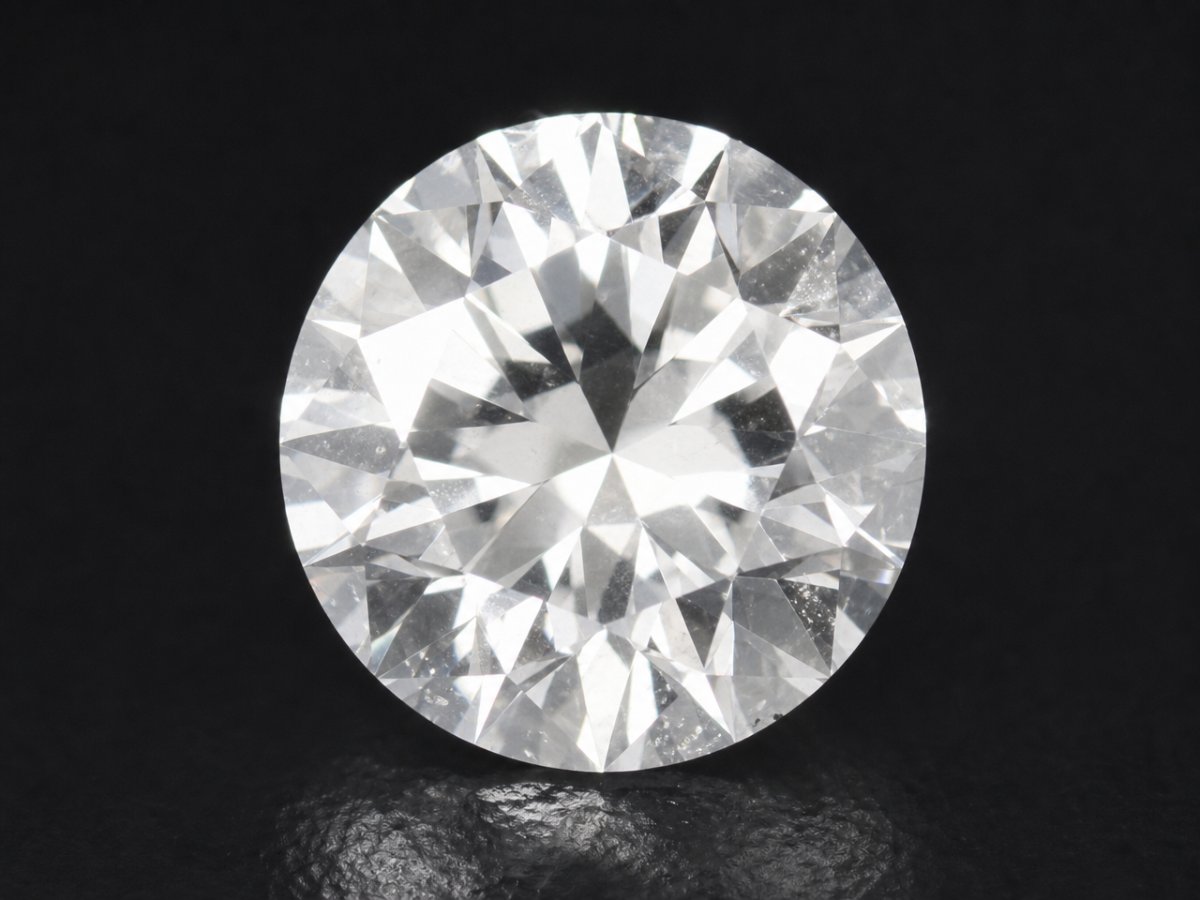


Diamond is one of the most recognized gemstones for engagement rings, fine rings, earrings and pendants. Buyers choose it for its bright appearance, exceptional hardness and wide range of styles, from classic white stones to black, brown, gray, yellow and fancy colored diamonds.
A good diamond purchase is not about finding one universal "best" stone. It is about balancing appearance, size, cut, clarity, treatment status and budget for the jewelry you want to make or wear. This guide explains the main points to check before buying a diamond gemstone.
What Is Diamond?
Diamond is a crystalline form of carbon with the chemical formula C. It crystallizes in the cubic crystal system and has a refractive index of 2.417, which contributes to its sharp brightness when well cut. Its specific gravity is 3.52.
Its best-known gemological feature is hardness. Diamond has a Mohs hardness of 10, the highest value on the Mohs scale. This means it is highly resistant to scratching in normal jewelry wear, making it especially suitable for rings and engagement rings.
Diamond Color: White, Fancy and Dark Diamonds
White diamonds are the classic choice and are often selected when the buyer wants a bright, versatile gemstone that works with almost any jewelry style. In white diamonds, the overall impression should be clean, lively and well matched to the setting metal and design.
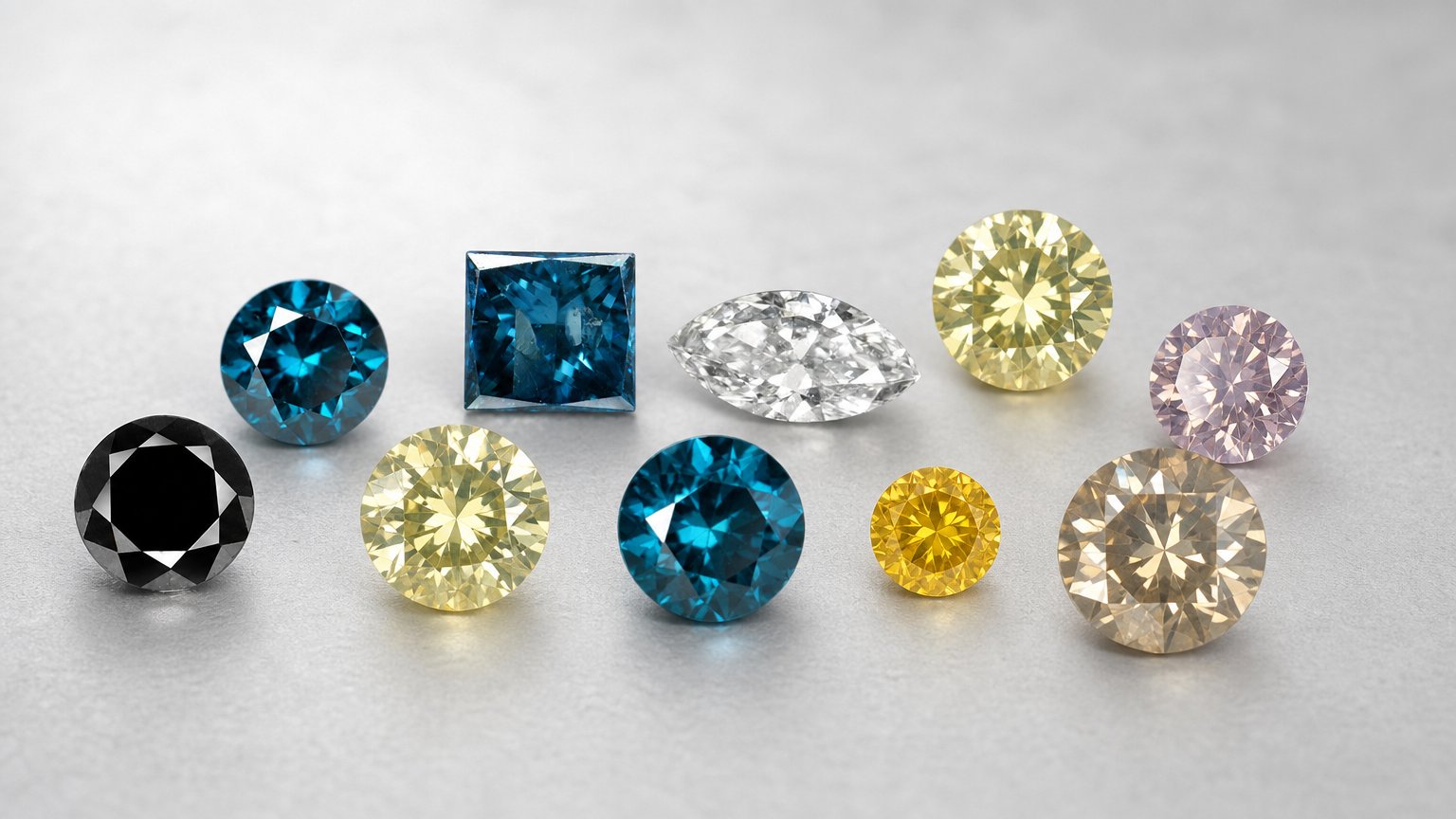
Diamond also occurs in many other colors. Black, brown, gray and yellow diamonds are important choices for buyers who want a distinctive look. Champagne diamonds, a warm brownish tone, are popular for softer, less traditional designs. Blue diamonds are also known, while green, orange, pink, purple, red and violet diamonds are less commonly encountered but may appeal to collectors and designers seeking rare color expression.
When buying by color, view the diamond as a whole rather than judging the color name alone. Tone, saturation and evenness of color all affect appearance. For colored diamonds, the most attractive stone is often the one with the color you personally prefer and a cut that makes that color look lively.
Cut and Shape: Why Proportions Matter
Cut is one of the most important buying factors because it controls how a diamond handles light. A well-cut diamond should look lively, balanced and symmetrical for its shape. A poorly cut stone may appear dull or uneven even if the color and clarity are attractive.
Round diamonds are a major choice for buyers who want a traditional and bright appearance. Oval and pear shapes can give a graceful outline, while octagon, square, cushion, marquise, heart, baguette and trillion shapes offer different design possibilities. Princess cuts and Asscher cuts are also common diamond choices, with Asscher and baguette styles often associated with step-cut faceting.
Step cuts have broad, organized facets and can create a clean, architectural look. Because they show the interior of the stone more openly, clarity may be more noticeable than in many highly faceted styles. Rose cuts are another option, usually chosen for a softer or antique-inspired appearance.
Clarity: Choose Eye Appeal First
Clarity describes how visible internal features or surface characteristics are in a gemstone. In practical buying, the most important question is whether inclusions distract from the diamond's beauty when viewed normally.
For rings and engagement rings, many buyers prefer diamonds that look clean to the unaided eye. For earrings and pendants, small clarity features may be less noticeable because the stones are viewed from a greater distance. In step cuts and larger stones, clarity tends to be easier to see, so inspect those stones carefully.
Size and Carat Weight
Diamond size is usually discussed in carat weight, but carat weight and visible size are not exactly the same. Shape, depth and cutting proportions affect how large a diamond appears from the top.
When comparing diamonds, look at the measurements as well as the carat weight. A slightly smaller but better-cut diamond may look brighter and more attractive than a heavier stone with poor proportions. For earrings, matched sizes and shapes are especially important. For pendants and fashion rings, design can often be used to create presence without relying only on carat weight.
Treatments and Disclosure
Many diamonds are sold untreated, and untreated status is an important point for buyers who want a natural appearance without enhancement. However, diamond treatments do exist, and they should be clearly disclosed.
Irradiation may be used to alter diamond color. High Pressure High Temperature, commonly called HPHT, is another treatment associated with color modification. Laser drilling may be used to reach inclusions, and fracture filling may be used to reduce the visibility of fractures. These treatments can affect buying decisions, care requirements and long-term confidence.
Before purchasing, check the treatment information on the listing or ask the seller directly. GemSelect provides treatment disclosure on gemstone product pages so buyers can compare stones more confidently.
Durability and Jewelry Suitability
Diamond's Mohs hardness of 10 makes it highly suitable for jewelry that receives frequent wear. This is one reason it is so strongly associated with engagement rings and everyday rings.
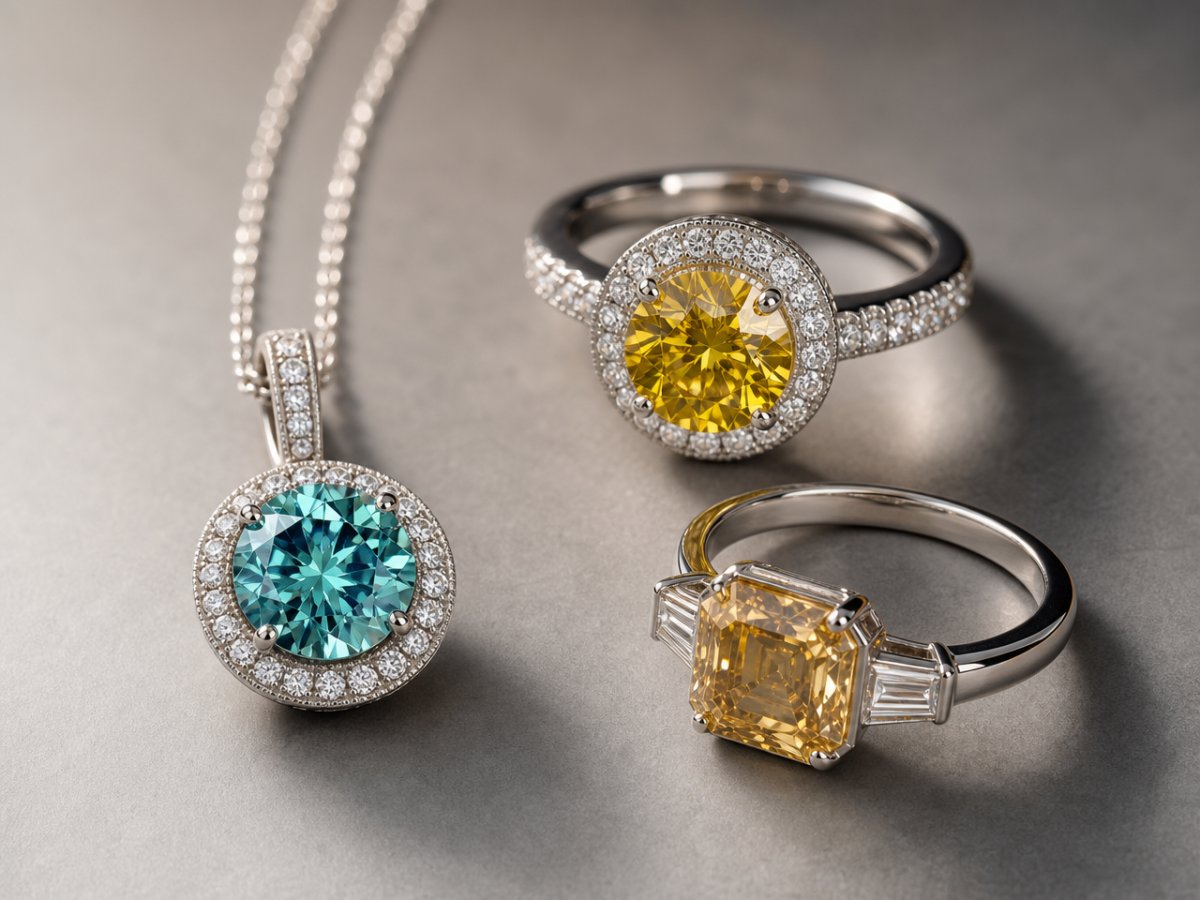
Diamond also works well in earrings and pendants, where it is protected from many of the impacts rings can receive. Bracelets, brooches, necklaces and fashion rings can also feature diamond successfully when the setting is appropriate. As with all fine jewelry, choose secure settings for daily wear and avoid unnecessary impact or rough handling.
Diamond Origins
Diamonds are associated with several important sources, including Botswana, Russia and South Africa. Australia and Canada are also significant origins, and diamonds are known from Congo, Namibia and India.
Origin can be interesting for collectors and for buyers with sourcing preferences, but it should not replace direct evaluation of the gemstone. Color, cut, clarity, size, treatment status and documentation are usually more important to appearance and buying confidence than country name alone.
Practical Diamond Buying Checklist
1. Decide the jewelry purpose first
An engagement ring or everyday ring needs a durable stone, a secure setting and a shape that suits the wearer's style. Earrings and pendants allow more flexibility because they are less exposed to daily knocks. For bracelets, make sure the setting protects the stones well.
2. Prioritize cut and visible beauty
A diamond should look bright and balanced in real viewing conditions. Compare stones visually, not only by numbers or descriptions. If a stone looks dull, the other factors may not compensate.
3. Match color to the design
White diamonds offer classic versatility. Yellow, brown, champagne, gray and black diamonds can create modern or dramatic designs. Fancy colors should be selected for the specific hue and strength of color you enjoy.
4. Check clarity at normal viewing distance
Use magnification to understand the stone, but judge beauty with the eye. If inclusions are not distracting in normal wear, the diamond may be a practical choice.
5. Review treatment information
Always check whether the diamond is untreated, irradiated, HPHT treated, laser drilled or fracture-filled. Treatment disclosure is essential for comparing stones fairly.
6. Compare measurements, not just carat weight
Two diamonds with the same carat weight may look different in size. Measurements help you understand the visible spread and whether the stone will suit your setting.
Conclusion
The best diamond for you is the one that fits your jewelry purpose, preferred appearance and confidence requirements. Focus first on cut, visible color, eye appeal, size, treatment disclosure and suitability for the setting. With these points in mind, buyers can choose diamond gemstones more clearly and avoid being distracted by any single factor alone.