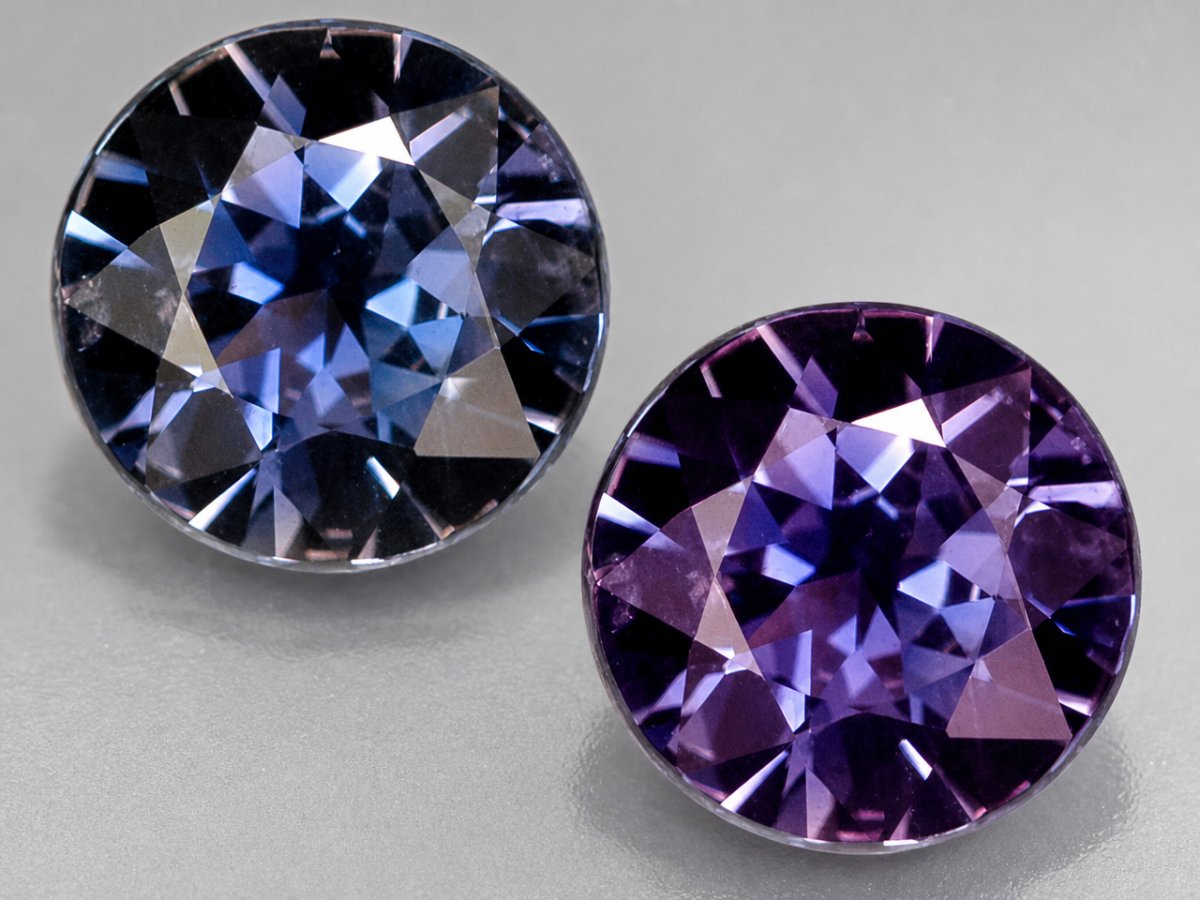


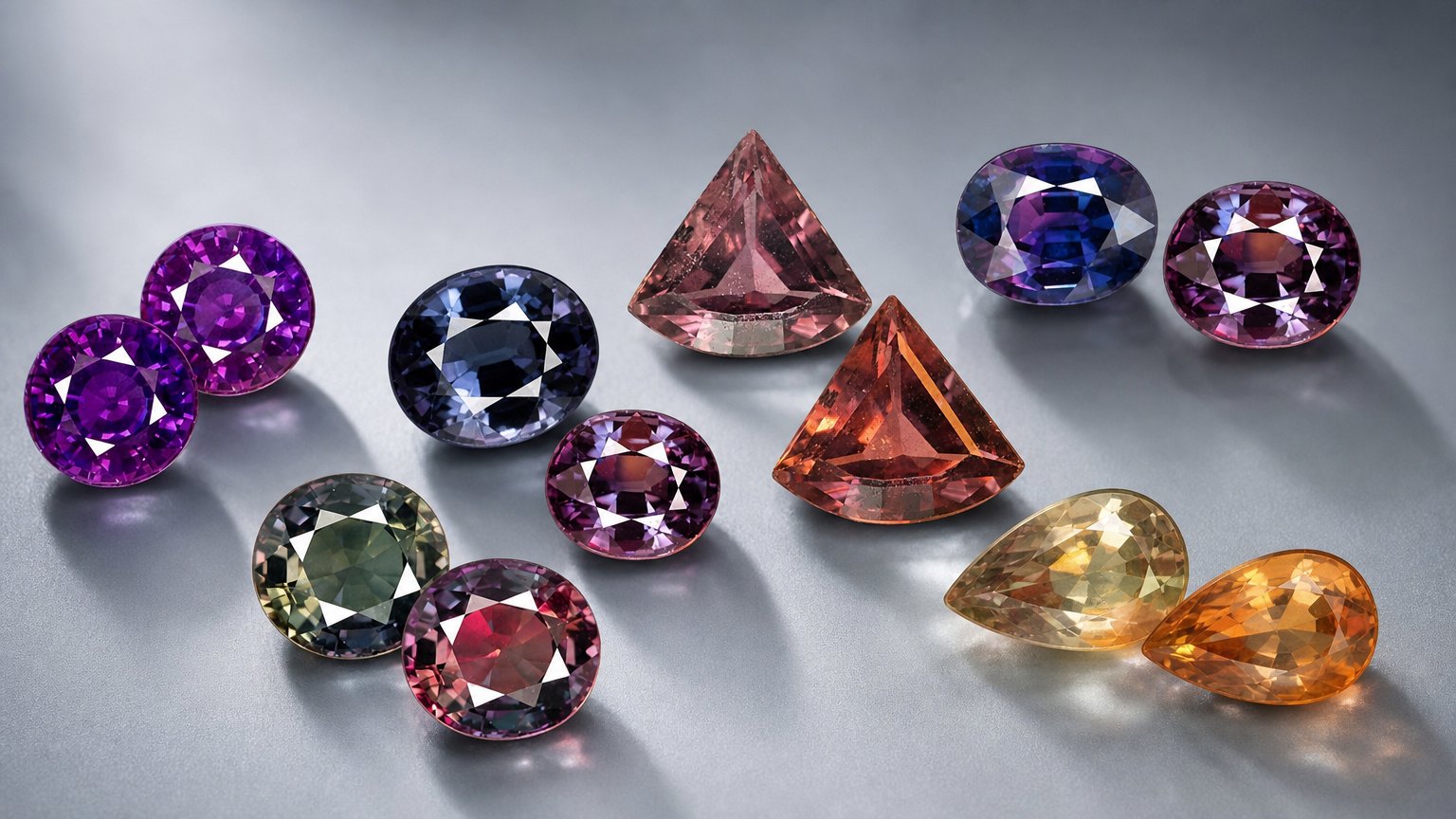
Color-change sapphire is a distinctive sapphire variety chosen for its shifting appearance as lighting conditions change. For buyers, the main decision is not simply which color looks best, but how attractive and noticeable the change is in real viewing conditions. A well-chosen stone should look appealing in more than one light source, have suitable clarity and cut, and come with clear treatment information.
As a member of the corundum family, color-change sapphire also offers excellent durability. This makes it suitable for many jewelry styles, including rings and engagement rings, provided the stone is set and cared for appropriately.
What Is Color-Change Sapphire?
Color-change sapphire is a variety of sapphire, and sapphire belongs to the mineral species corundum. Its chemical formula is Al₂O₃, and it crystallizes in the trigonal crystal system. The feature that sets this gem apart is its ability to show different color impressions under different lighting.
Buyers should view color-change sapphire as both a sapphire purchase and a color-effect purchase. The stone should satisfy you as a sapphire in terms of durability, cut and clarity, but the color-change effect is the special feature that usually drives the buying decision.
Color and Appearance: What to Look For
Color is the most important visual factor when buying color-change sapphire. Known colors include blue, brown, violet, teal and pink, with blue often being especially prominent. Because these gems are valued for a change in appearance, examine the stone under more than one light source before deciding.
When comparing stones, ask three practical questions:
- Is the color attractive in each lighting condition? A dramatic change is less useful if one of the appearances does not appeal to you.
- Is the change easy to see? Some stones show a more obvious shift, while others are more subtle.
- Does the stone stay lively? A good cut should help the gem return light well rather than appearing overly dark or flat.
Photos are helpful, but color-change gems are best judged with lighting information. If buying online from GemSelect or another seller, review the available images and product details carefully, and look for clear descriptions of the gem's color behavior.
Cut, Shape and Size Considerations
Color-change sapphire is commonly faceted because faceting helps display brightness, color and the color-change effect. Checkerboard and step cuts may also be seen. Step cuts can create a clean, architectural look, while checkerboard-style cutting can add surface sparkle.
Octagon shapes are especially common, with oval and pear shapes also frequently encountered. Cushion, trillion and round shapes may be available as well. Shape is partly a style decision, but it also affects jewelry design: octagons and ovals are practical for rings, pears can create elegant pendants or accent-focused designs, and matched pairs are useful for earrings.
When choosing size, remember that the face-up dimensions and cut quality matter as much as carat weight. A well-proportioned smaller gem can look brighter and more attractive than a heavier stone with poor light return.
Clarity and Transparency
For buying purposes, clarity should be judged by how the stone looks to the unaided eye and whether any inclusions affect beauty or durability. Minor natural inclusions are common in many gemstones, but distracting marks in the center of the stone or inclusions that reduce transparency can affect appearance.
Because color-change sapphire is purchased for a visual effect, clarity should not interfere with color or brilliance. If the stone is intended for a ring or engagement ring, avoid gems with obvious surface-reaching features in vulnerable areas when possible.
Treatments: Heat-Treated and Untreated Stones
Heat treatment is a common treatment for sapphire, including color-change sapphire. Untreated stones are also available. The key buying point is disclosure: buyers should know whether a stone has been heat treated or is sold as untreated.
Heat treatment is widely encountered in the sapphire market, but it should still be clearly stated. If an untreated stone is important to you, choose a seller that provides transparent treatment information and consider any available gemological documentation.
Durability and Jewelry Suitability
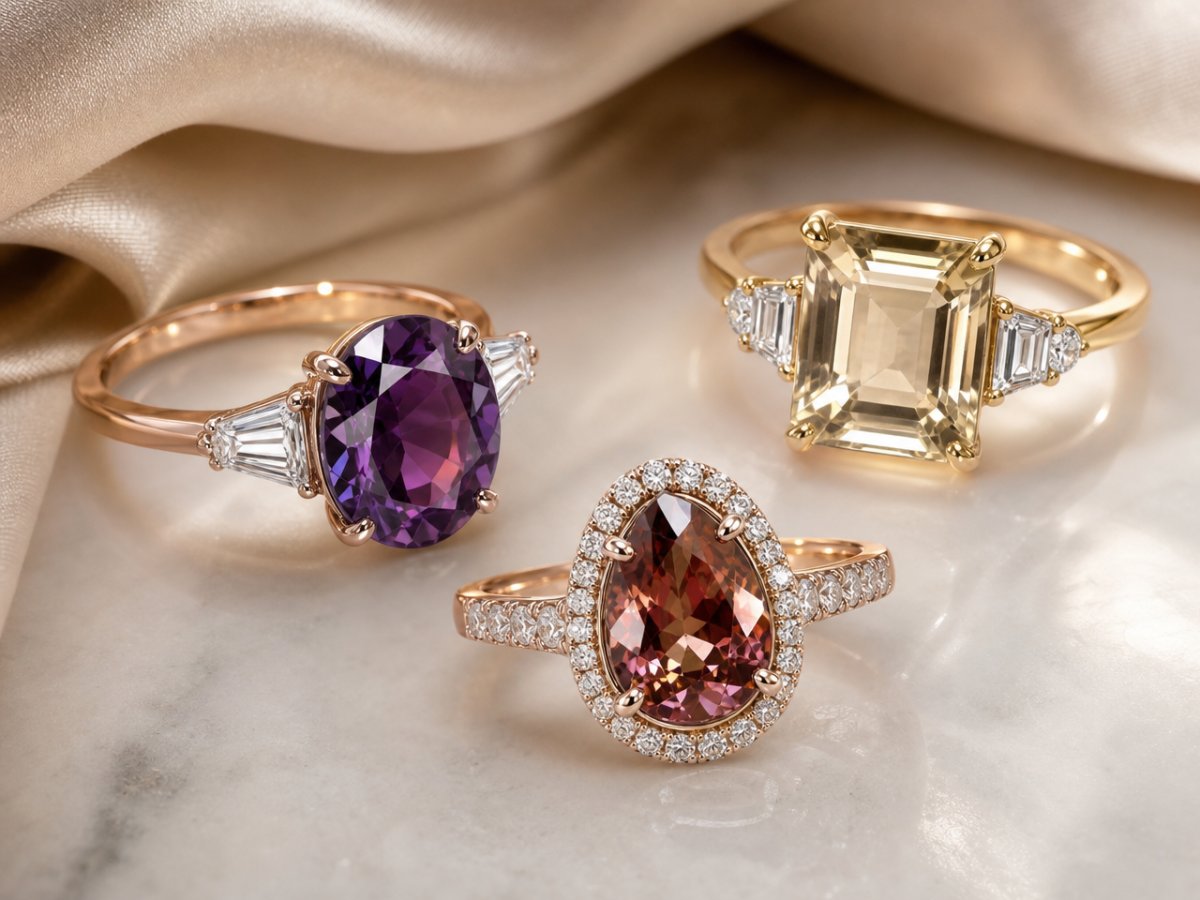
Color-change sapphire has a Mohs hardness of 9, which makes it one of the harder jewelry gemstones. This excellent hardness supports use in rings, engagement rings, collector rings, earrings, necklaces and pendants.
Hardness does not mean a gem is indestructible. Rings, especially engagement rings, are exposed to knocks and abrasion more often than earrings or pendants. For daily-wear rings, choose a secure setting that protects the edges and corners, particularly for angular shapes such as octagons.
Origins
Color-change sapphire is associated with several important origins, including Madagascar and Sri Lanka, as well as Myanmar, Tanzania, Australia and the United States. Origin can be interesting to collectors and may influence personal preference, but it should not replace direct evaluation of the stone.
For most buyers, the best approach is to prioritize visible quality: the attractiveness of the colors, the strength of the change, clarity, cut, size, treatment disclosure and suitability for the intended jewelry design.
Gemological Properties
| Gemstone family | Sapphire, variety of corundum |
|---|---|
| Chemical formula | Al₂O₃ |
| Crystal system | Trigonal |
| Mohs hardness | 9 |
| Refractive index | 1.762-1.770 |
| Specific gravity | 3.95-4.03 |
Practical Buying Checklist
- View the color change: Compare the gem under different lighting conditions when possible.
- Choose colors you like: The stone should be attractive in both appearances, not just unusual.
- Check the cut: Look for good brightness, balanced proportions and a pleasing shape.
- Inspect clarity: Avoid inclusions that dominate the face-up view or interfere with transparency.
- Confirm treatment status: Know whether the sapphire is heat treated or untreated.
- Match the gem to the jewelry: For rings and engagement rings, consider protective settings and secure mounting.
- Do not buy on origin alone: Origin is interesting, but appearance and disclosure are usually more important for wearability and satisfaction.
Summary
The best color-change sapphire for you is one that combines an appealing color shift with sapphire's practical durability. Focus first on the beauty and visibility of the color change, then compare cut, clarity, size, treatment status and shape. With clear information and careful viewing, color-change sapphire can be an excellent choice for rings, engagement rings, earrings, pendants and collector jewelry.