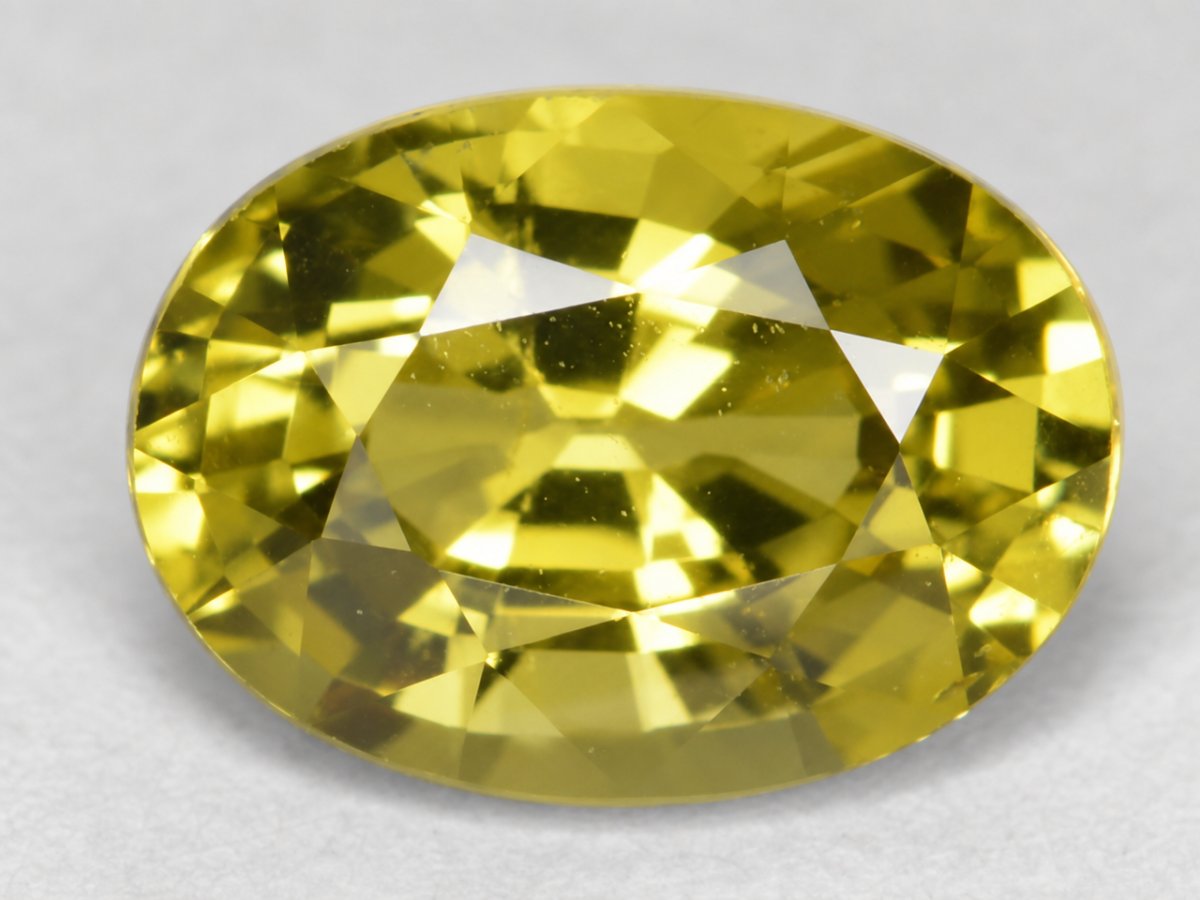


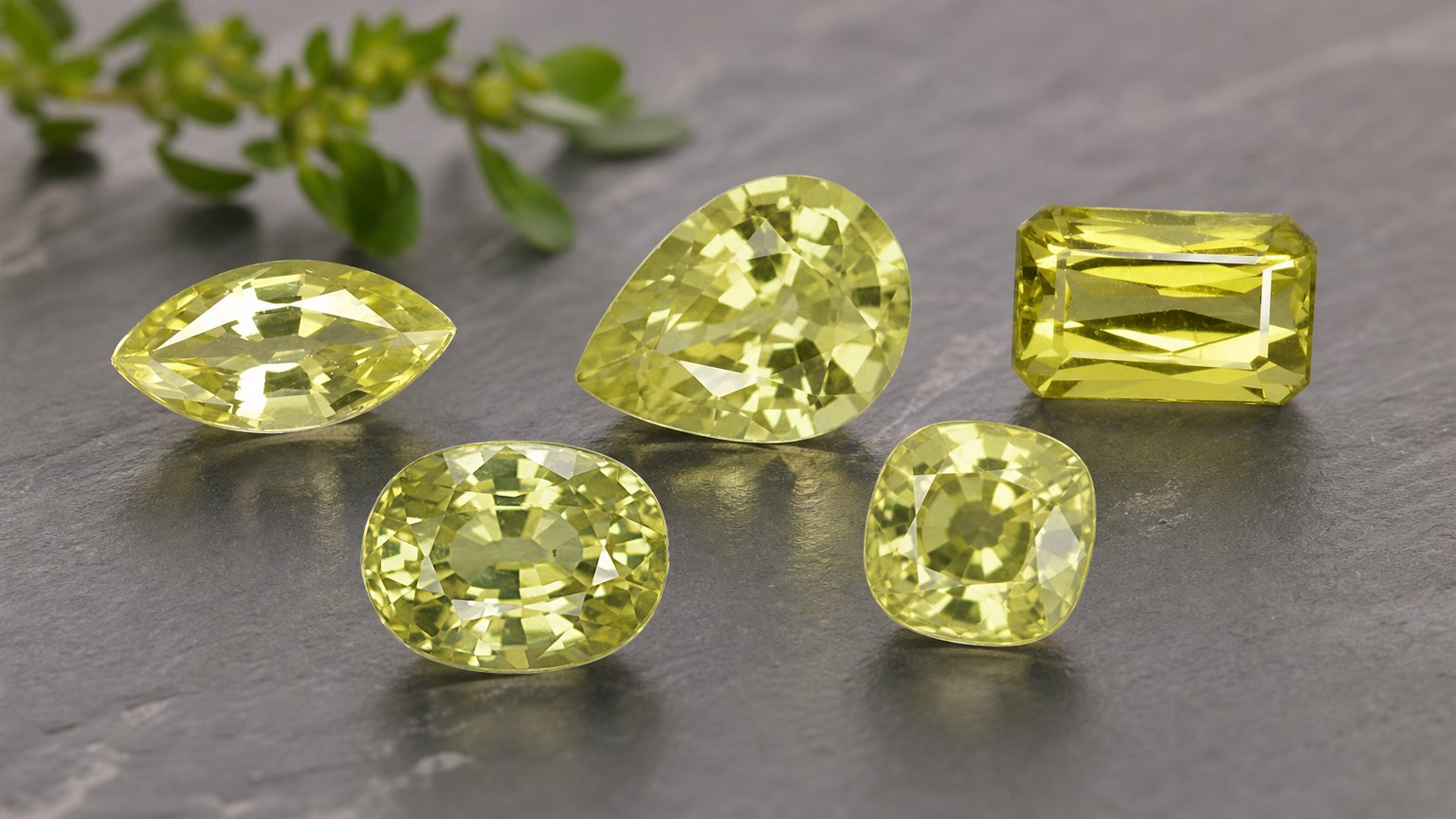
Chrysoberyl is a gemstone known for its yellow, green, brown and gray tones, with yellow and green being especially associated with its visual identity. In a meaning and history context, chrysoberyl is best appreciated as a stone of natural brightness, quiet strength and individuality rather than as a gem with a long list of widely documented ancient myths.
For modern gemstone lovers, chrysoberyl often carries meaning through what it visibly represents: light, endurance, natural beauty and rarity. Its strong presence in rings and other personal jewelry also makes it a meaningful choice for people who want a gemstone that feels distinctive without relying on exaggerated symbolism.
What Does Chrysoberyl Mean?
Chrysoberyl is commonly viewed today as a gemstone of clarity, resilience and understated elegance. These meanings are modern interpretations based on the gem's appearance and character, not claims of proven spiritual or medical effect.
Its yellow varieties naturally suggest warmth, optimism and brightness, while green chrysoberyl can be associated by wearers with freshness, balance and growth. Brown and gray examples have a quieter, earthier appeal, often valued for subtlety and individuality.
Because chrysoberyl is often found untreated, it can also symbolize authenticity and natural character. For collectors and jewelry buyers, this untreated nature is part of its emotional appeal: the beauty of the gemstone is typically appreciated as it formed in nature.
Symbolism of Strength and Endurance
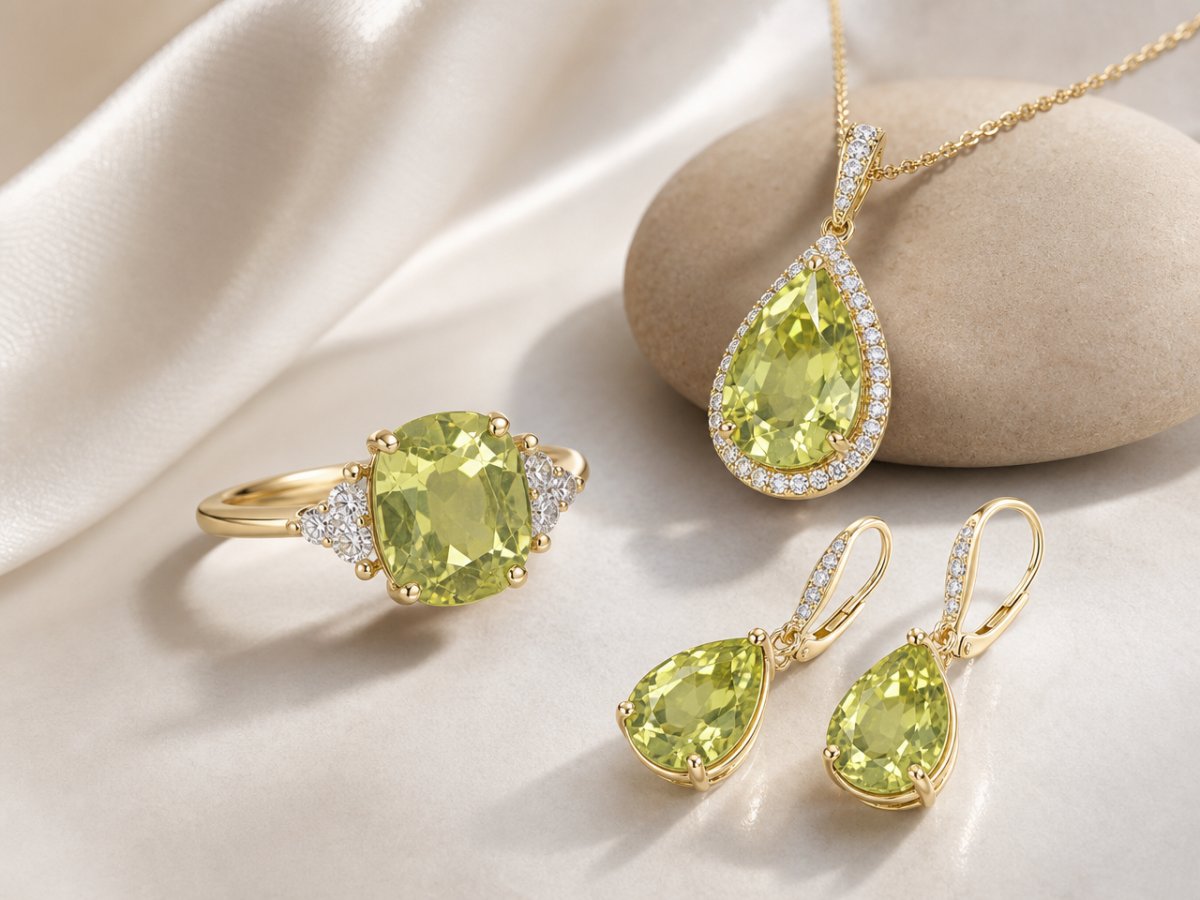
Chrysoberyl has a Mohs hardness of 8.5, which places it among the harder natural gemstones. While hardness is a gemological property rather than a symbolic tradition, it helps explain why many modern buyers see chrysoberyl as a meaningful stone for lasting commitment, personal milestones and heirloom-style jewelry.
This association is especially relevant because chrysoberyl is used in rings, including engagement rings and fashion rings. In this context, the gemstone's symbolism is practical as well as emotional: it represents something beautiful that is also enduring.
Color and Personal Meaning
Color plays an important role in how chrysoberyl is interpreted. Yellow chrysoberyl is often the most recognizable and is appreciated for its golden brightness. Green chrysoberyl has a cooler, more refreshing appearance, while brown and gray stones appeal to those who prefer muted and unusual gemstone colors.
These color-based meanings are best understood as personal or modern symbolic associations. A buyer may choose yellow chrysoberyl to express warmth and confidence, green chrysoberyl for a calm natural impression, or brown and gray chrysoberyl for restraint and individuality.
Geographic Background and Cultural Context
Important sources of chrysoberyl include Brazil and Sri Lanka, both strongly associated with the gem. Madagascar is also a notable source, while India, Myanmar and Tanzania are additional origins connected with chrysoberyl.
Origin can add cultural and collecting interest, but it should not be confused with a guaranteed symbolic meaning. A chrysoberyl from Sri Lanka or Brazil may be especially meaningful to someone with a personal connection to that region, while collectors may value origin as part of the gemstone's identity and story.
Chrysoberyl in Modern Gemstone Culture
In modern gemstone culture, chrysoberyl appeals to buyers who want a natural-looking gemstone with refined color and a sense of rarity. It is not a gemstone that depends on dramatic folklore to be appreciated. Instead, its meaning often comes from its combination of brightness, durability and natural authenticity.
GemSelect customers often look for gemstones that are both beautiful and personally significant. Chrysoberyl fits that purpose well for those who prefer symbolism grounded in the gem's real qualities: its color, its natural formation and its ability to represent lasting value.
Is Chrysoberyl a Birthstone or Anniversary Gem?
Chrysoberyl is not presented here as a traditional birthstone, zodiac stone or anniversary gemstone. When it is chosen for birthdays, anniversaries or personal milestones, the meaning is usually personal rather than based on a widely recognized calendar tradition.
This makes chrysoberyl a flexible symbolic choice. It can mark a commitment, achievement or new beginning without being limited to a specific month or formal anniversary year.
Documented Meaning vs. Personal Symbolism
With chrysoberyl, it is important to distinguish documented gemstone facts from personal interpretation. The verified facts include its natural colors, important origins, untreated status and gemological identity as BeAl₂O₄. Meanings such as resilience, authenticity and brightness are modern symbolic readings based on those qualities.
This distinction makes chrysoberyl especially suitable for buyers who prefer honest gemstone storytelling. Its appeal does not require unsupported legends; the gemstone's meaning can be built around what is visible, natural and lasting.
Conclusion
Chrysoberyl is a meaningful gemstone for those who value natural beauty, strength and individuality. Its yellow and green colors give it a bright and refined character, while its untreated nature and durability support modern associations with authenticity and endurance.
Although chrysoberyl is not defined by extensive ancient folklore in this guide, it remains a powerful personal symbol. For many wearers and collectors, its meaning lies in its quiet confidence: a gemstone that is distinctive, natural and made to last.