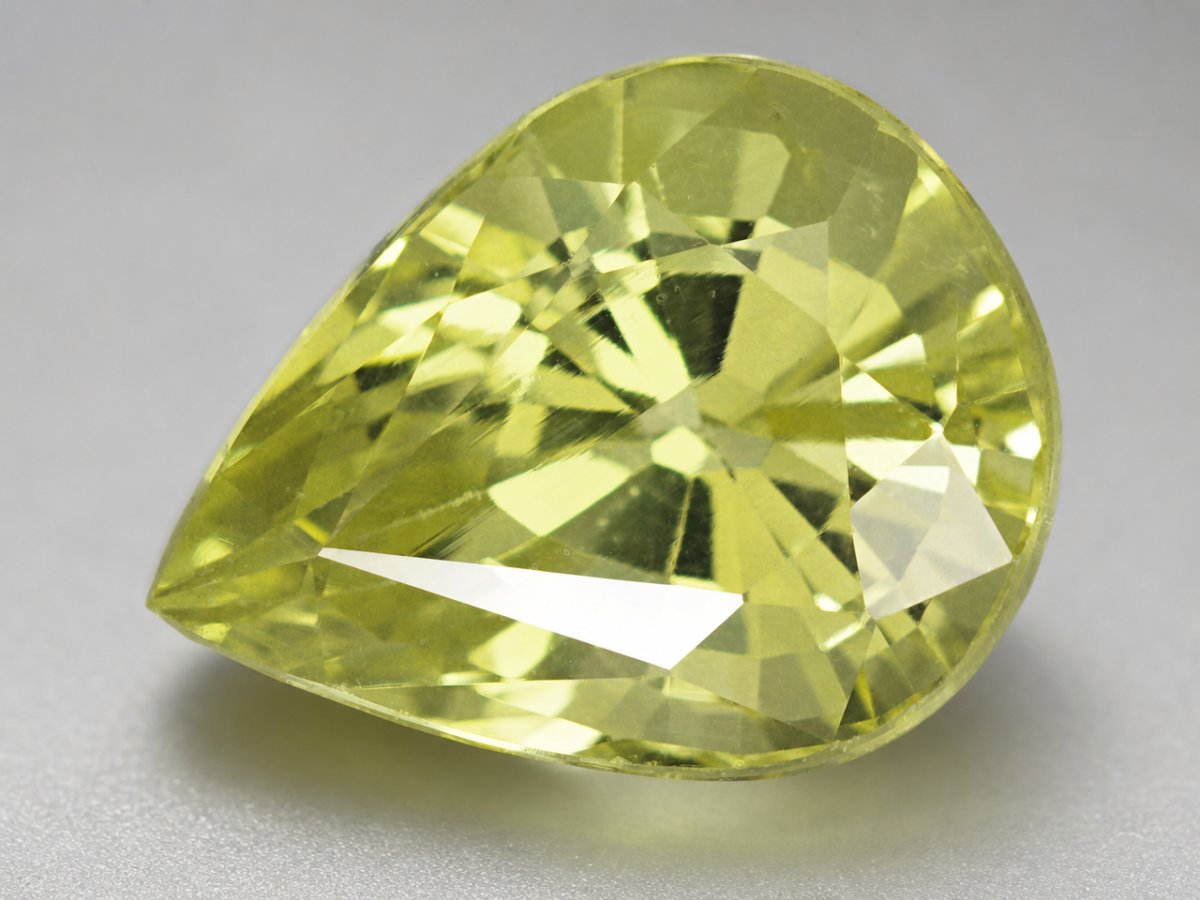


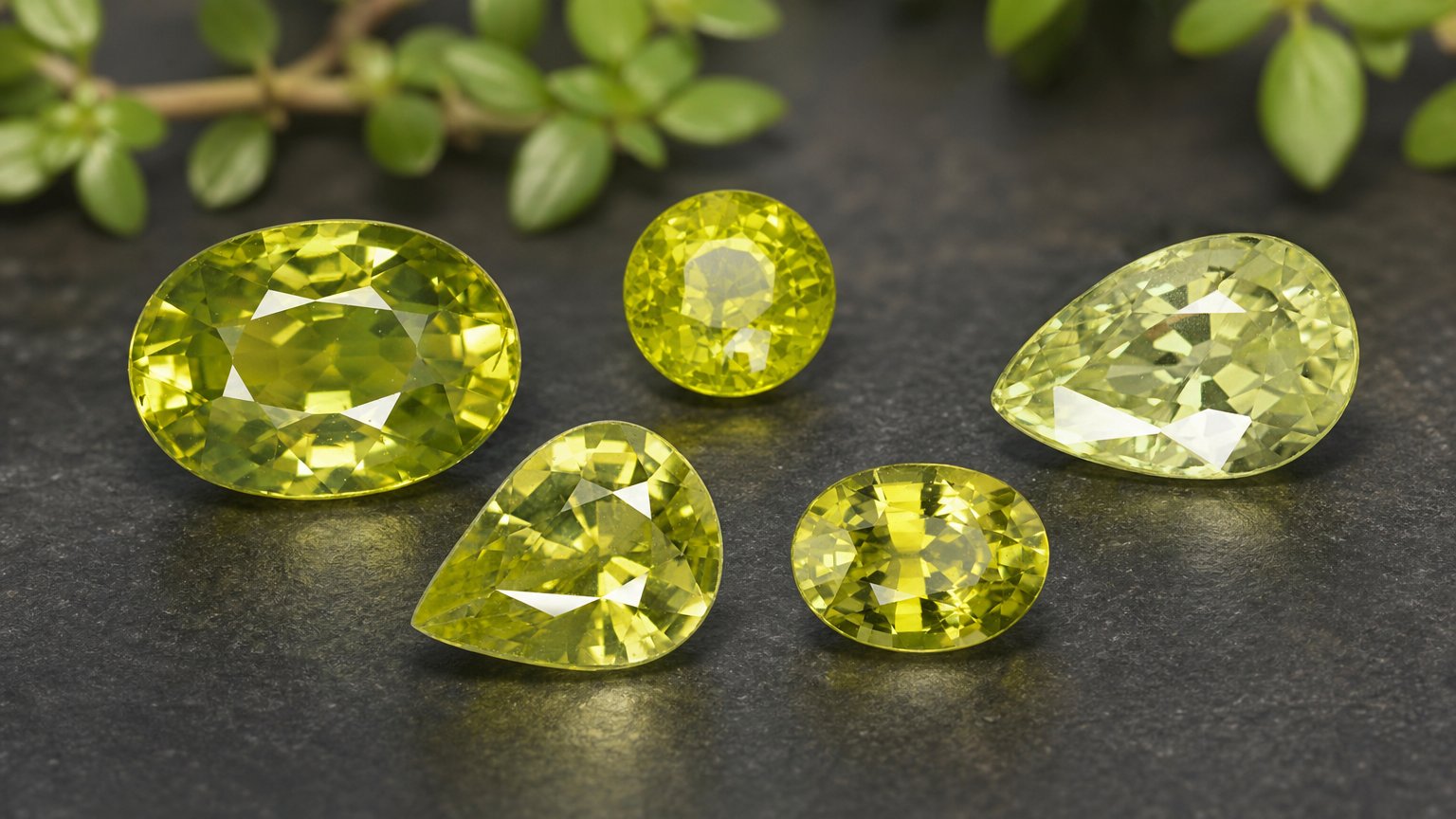
Chrysoberyl is a durable, attractive gemstone best known in the buying market for yellow to green colors, strong everyday wearability and a clean, refined look in jewelry. For buyers who want a gemstone that is less common than many mainstream choices but still practical for rings, earrings and pendants, chrysoberyl deserves careful consideration.
This guide explains the main factors to evaluate before buying chrysoberyl: color, clarity, cut, size, treatments, durability, origin and jewelry use. The goal is to help you compare stones confidently, understand what you are seeing in a listing, and choose a gem that fits your design and wearing needs.
What Is Chrysoberyl?
Chrysoberyl is a beryllium aluminum oxide mineral with the chemical formula BeAl₂O₄. It crystallizes in the orthorhombic crystal system and has gemological properties that make it suitable for fine jewelry, including a Mohs hardness of 8.5 and a refractive index of 1.746–1.755.
For gemstone buyers, the most important point is that chrysoberyl combines appealing color with excellent scratch resistance. It is commonly available as faceted gems and is especially suitable for rings, including fashion rings and, when chosen and set thoughtfully, engagement rings. It can also be used in earrings, pendants and bracelets.
Chrysoberyl Color: What Buyers Should Look For
Color is one of the first features buyers notice in chrysoberyl. The most important color range is yellow, followed by greenish tones. Brown and gray stones also occur, but they are usually considered more of a secondary choice unless the buyer specifically prefers a softer, earthier or more muted appearance.
Yellow Chrysoberyl
Yellow is the classic color to consider when shopping for chrysoberyl. Stones may show a bright yellow appearance or a yellow modified by green or brown. When comparing yellow gems, look for a color that appears lively and even across the face of the stone. A balanced tone is usually easier to use in jewelry because it remains attractive in different lighting conditions.
Very pale stones may look delicate and elegant, while deeper yellow stones can appear stronger and more noticeable. Personal preference matters, but buyers should avoid judging color from one image alone when possible. If several photos, videos or lighting views are available, compare how the color behaves in each view.
Green, Brown and Gray Tones
Green chrysoberyl can be appealing to buyers who want a fresh, natural-looking gem without choosing a more familiar green stone. Greenish yellow and yellowish green appearances can overlap, so it is helpful to read the seller’s color description carefully and compare it with the images.
Brown and gray chrysoberyl can have a subtle, understated look. These colors may work well in contemporary jewelry designs, especially when paired with warm or neutral metals. For buyers seeking maximum brightness, however, a stone with too much brown or gray may appear less vivid than a clean yellow or green chrysoberyl.
Color Consistency and Lighting
When buying chrysoberyl online, review the color for evenness. Some stones may show areas that appear lighter or darker due to cutting, reflection or natural color distribution. This is not automatically a problem, but the overall face-up appearance should be pleasing.
Lighting also affects perception. A gem photographed under bright lighting may look more vibrant than it does in softer indoor conditions. When available, GemSelect’s individual gemstone photos and details can help buyers compare color, shape and cutting style before purchase.
Clarity and Transparency
Clarity describes how free a gemstone is from visible internal features or surface-reaching marks. For chrysoberyl, buyers should focus on eye appeal rather than trying to apply a diamond-style grading system. Ask a practical question: does the stone look clean and attractive when viewed face-up at normal jewelry distance?
Inclusions are natural features found in many gemstones. Small inclusions may not affect beauty or use, especially if they are hard to see without magnification. More noticeable inclusions may reduce transparency, interrupt reflections or distract from the stone’s color. When choosing a gem for a ring or engagement ring, clarity is especially important because the stone will be viewed closely and often.
For earrings or pendants, slight clarity characteristics may be less noticeable once the gemstone is worn. This can give buyers more flexibility, especially when selecting matched pairs or larger-looking designs.
Cut and Shape: How Chrysoberyl Is Presented
Chrysoberyl is most commonly cut as a faceted gemstone. Faceting uses flat polished surfaces to reflect light and show the stone’s color and brilliance. Because chrysoberyl has a relatively high refractive index for a jewelry gemstone, a well-cut faceted stone can look bright and lively.
Popular Shapes
Oval and round shapes are especially common and practical choices. They work well in many jewelry settings and are easy to incorporate into classic or modern designs. Cushion and pear shapes are also attractive options for buyers who want a softer outline or a more distinctive silhouette.
Marquise and octagon shapes may also be found. A marquise shape can create a long, elegant look, while an octagon shape is often associated with step-cut designs and a more structured appearance. When choosing shape, consider both the gem itself and the setting style you plan to use.
Facet Cuts, Step Cuts and Cabochons
Most chrysoberyl buyers will be comparing faceted stones. A good faceted cut should have pleasing symmetry, an attractive outline and a face-up appearance that does not look overly dark or lifeless. Check whether the gem has a balanced shape and whether the center appears lively rather than empty or washed out.
Step cuts are also seen in chrysoberyl. Step cuts use rows of long, parallel facets and can create a refined, elegant look. They tend to emphasize transparency, color and clarity rather than a glittery appearance, so buyers should inspect inclusions and color zoning carefully.
Cabochons are another cutting style, though less central for most chrysoberyl purchases. A cabochon has a smooth, domed top rather than facets. Buyers choosing a cabochon should look for an even dome, attractive polish and pleasing face-up color.
Size and Carat Weight Considerations
As with all gemstones, carat weight measures weight, not visual size. Two chrysoberyl gems of the same carat weight can look different in size depending on shape, depth and cutting proportions. A shallow oval may face up larger than a deeper round stone of similar weight, while a deep stone may carry more of its weight below the setting.
When buying for a specific jewelry design, check the millimeter dimensions as well as the carat weight. Dimensions are especially important for calibrated settings, matched earrings, side-stone layouts and replacement stones.
For rings, a moderate size may be more comfortable and easier to protect in daily wear. For pendants and earrings, buyers may choose larger face-up sizes because those jewelry types are usually exposed to less abrasion than rings and bracelets.
Chrysoberyl Durability and Everyday Wear
Durability is one of chrysoberyl’s strengths. With a Mohs hardness of 8.5, it has very good resistance to scratching compared with many other colored gemstones. This makes it a practical choice for rings and fashion rings, and it can be considered for engagement rings when the design provides suitable protection.
Hardness, however, is not the same as toughness. Mohs hardness measures resistance to scratching, not resistance to chipping, impact or pressure. Any gemstone can be damaged by a hard blow, especially if it has exposed points, sharp corners or a high setting. For daily-wear rings, choose a secure setting and avoid wearing the jewelry during activities that may cause impact.
Earrings and pendants are usually safer environments for gemstones because they receive less direct contact than rings. Bracelets require more care because they can strike hard surfaces during wear. If you choose chrysoberyl for a bracelet, consider protective settings and avoid designs that leave stones overly exposed.
Treatments and Disclosure
Chrysoberyl is commonly offered as untreated. This is useful for buyers who prefer natural color and transparency without enhancement. Even so, treatment disclosure should always be part of the buying process. A trustworthy seller should clearly state whether a gemstone is untreated or whether any treatment information is known.
When comparing stones, do not assume that every gem is untreated simply because chrysoberyl is commonly sold that way. Check the product description and any available gemstone report or seller disclosure. At GemSelect, treatment information is provided with gemstone listings so buyers can review important details before purchasing.
Origin: What It Means When Buying Chrysoberyl
Chrysoberyl is associated with several important sources, including Brazil and Sri Lanka. Madagascar is also a notable source, while India, Myanmar and Tanzania are additional origins seen in the gemstone trade.
Origin can be interesting to collectors and may be relevant when a buyer wants a gem from a particular locality. However, origin should not replace direct evaluation of the stone. A beautiful chrysoberyl is still judged by its visible qualities: color, clarity, cut, size and suitability for the intended jewelry design.
If origin is important to you, look for clear disclosure from the seller. If origin is not documented, it is better to focus on the gem’s appearance and gemological identity rather than relying on assumptions.
Gemological Properties at a Glance
The following properties help explain why chrysoberyl performs well as a jewelry gemstone.
| Property | Chrysoberyl Information |
|---|---|
| Chemical formula | BeAl₂O₄ |
| Crystal system | Orthorhombic |
| Mohs hardness | 8.5 |
| Refractive index | 1.746–1.755 |
| Specific gravity | 3.68–3.78 |
For buyers, the hardness value is especially relevant because it supports use in rings. The refractive index helps explain the attractive brightness of well-cut faceted chrysoberyl. Specific gravity and refractive index are also useful gemological identification properties for professionals.
Best Jewelry Uses for Chrysoberyl
Rings and Engagement Rings
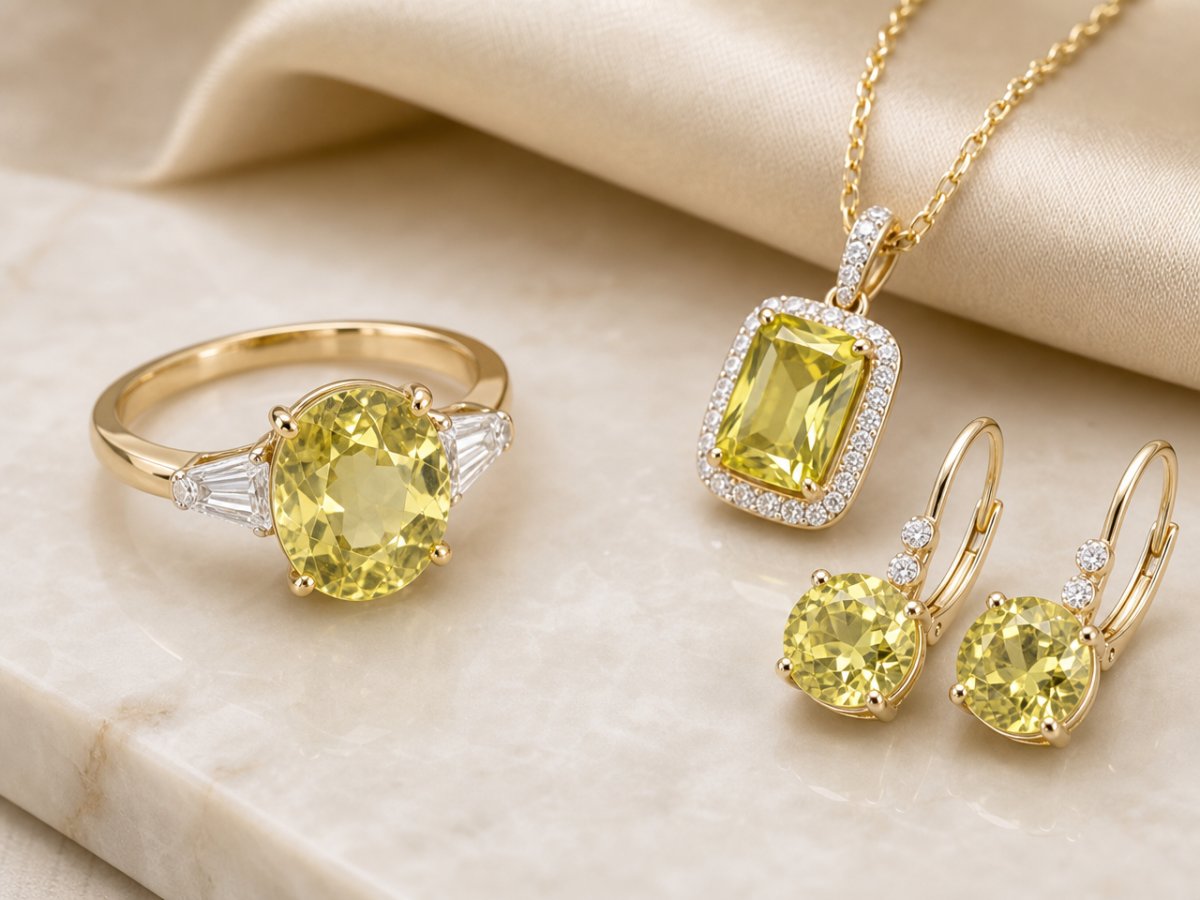
Chrysoberyl is well suited to rings because of its hardness and appealing color. It can be used in fashion rings for everyday style or in more refined designs where the gemstone is the central focus. For engagement rings, buyers should select a well-cut stone with pleasing color and clarity, then pair it with a setting that protects the gem during regular wear.
Rounded shapes such as oval, round and cushion are practical choices because they avoid the long exposed points found in some shapes. Pear and marquise stones can be beautiful, but their tips should be protected by the setting.
Earrings and Pendants
Earrings and pendants are excellent uses for chrysoberyl. These jewelry types allow the stone’s yellow or green color to be enjoyed with less risk of impact than a ring. Matching color and size is important for earrings, especially if the stones will be set as a pair.
Pendants can use a wider range of shapes, including pear, oval and cushion. Because pendants are usually viewed from a short distance, face-up color and overall brightness matter more than tiny clarity details that are only visible under magnification.
Bracelets
Chrysoberyl may be used in bracelets, but buyers should be more cautious. Bracelets experience more knocks and surface contact than earrings or pendants. If chrysoberyl is chosen for a bracelet, a protective design is recommended.
How to Buy Chrysoberyl: A Practical Checklist
1. Start With Color Preference
Decide whether you prefer a yellow, green, brownish or grayish appearance. Yellow is the most important and recognizable color range for chrysoberyl, while green can offer a distinctive alternative. Choose a color that looks attractive to you in the type of metal and jewelry style you plan to use.
2. Review the Face-Up Appearance
Look at the gemstone as it will appear when set. Is the color even? Does the stone look bright? Are there dark or pale areas that affect the overall beauty? Face-up appearance is usually more important to jewelry buyers than technical perfection seen only under magnification.
3. Check Clarity at Normal Viewing Distance
If inclusions are visible in photos, decide whether they bother you. A gem does not need to be flawless to be beautiful, but obvious inclusions can affect transparency and visual appeal. For center stones in rings, be more selective.
4. Compare Cut Quality, Not Just Shape
Shape describes the outline, such as oval, round or cushion. Cut quality describes how well the stone is proportioned and finished. A well-cut chrysoberyl should have an attractive outline, good polish and pleasing light return.
5. Use Dimensions Alongside Carat Weight
Carat weight alone does not tell you how large the stone will look. Always check millimeter measurements when the stone must fit a particular setting or match other gems.
6. Confirm Treatment Disclosure
Because chrysoberyl is commonly available untreated, many buyers prefer stones with clear untreated disclosure. Always review the listing details and ask questions if treatment information is unclear.
7. Match the Stone to the Jewelry Type
For rings and engagement rings, prioritize durability, secure setting design and a shape that can be protected. For earrings and pendants, you may have more flexibility with size, shape and clarity. For bracelets, protection is especially important.
Summary
Chrysoberyl is a strong choice for buyers who want a durable colored gemstone with attractive yellow or green tones and practical jewelry potential. Its Mohs hardness of 8.5 makes it especially suitable for rings, while its brightness and color also work well in earrings and pendants.
When buying chrysoberyl, focus on the qualities you can see and use: appealing color, good face-up brightness, suitable clarity, a well-proportioned cut and clear treatment disclosure. Origin may add interest, especially for collectors, but the best purchase is the stone that fits your design, budget and personal taste.