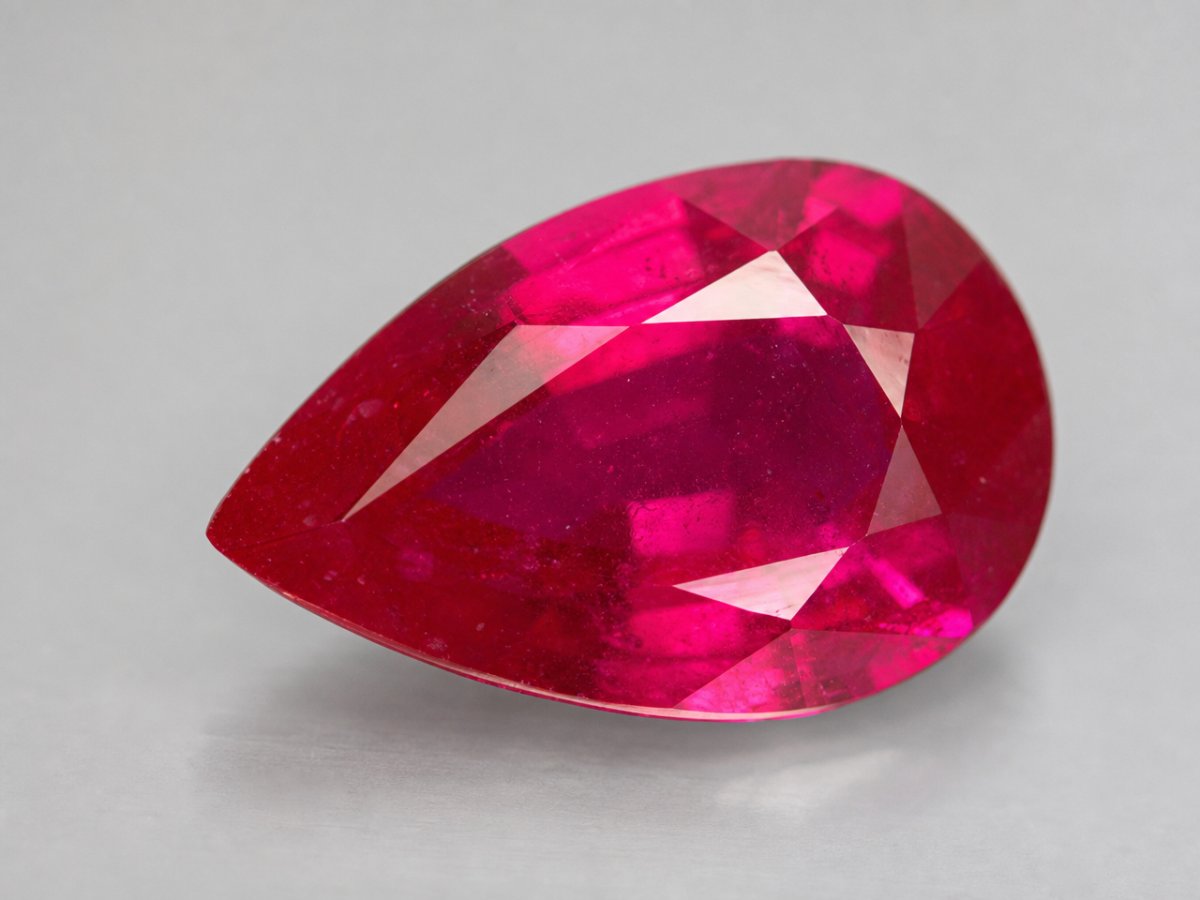


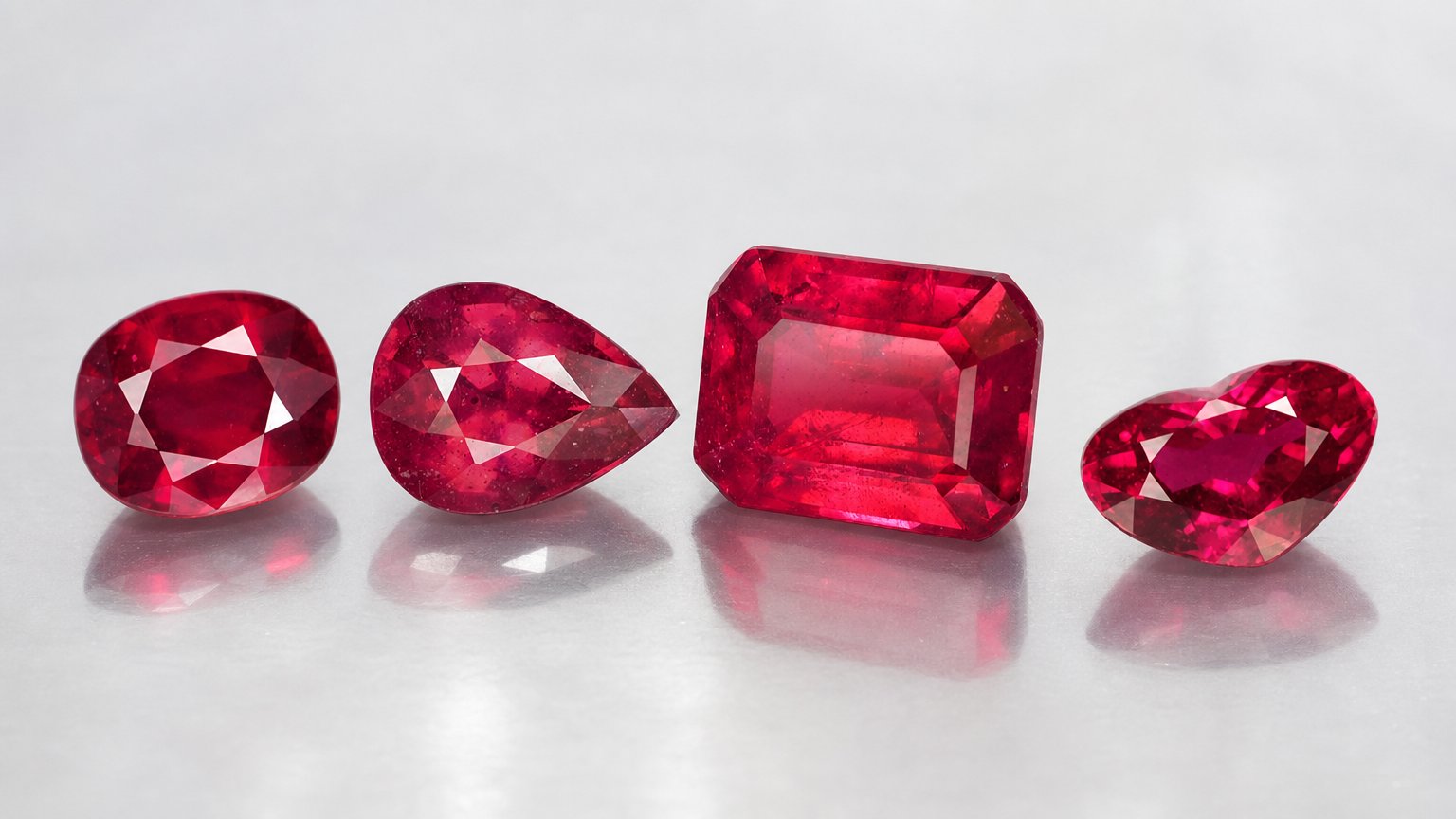
Burma ruby is a red ruby variety associated with Myanmar and the corundum mineral family. For buyers, its appeal lies in the classic red color, strong durability and suitability for important jewelry such as rings, engagement rings and wedding rings. The key to buying confidently is understanding the stone's color, treatment status, cutting style, size and documentation.
This guide explains the practical factors that matter when choosing a Burma ruby, whether you are selecting a loose gemstone for a custom design or comparing finished jewelry.
What Is Burma Ruby?
Burma ruby is ruby from Myanmar. Like all ruby, it is a red variety of corundum with the chemical formula Al₂O₃. Corundum is one of the most durable gem materials used in jewelry, which is why ruby is widely chosen for rings and other pieces intended for frequent wear.
Because the word "Burma" is an origin reference, buyers should treat origin as a claim that deserves clear seller disclosure. If origin is important to your purchase decision, ask for appropriate documentation and make sure the gemstone description clearly states the stone's origin and treatment status.
Color and Appearance: Start with Red
Color is the first visual factor most buyers notice in Burma ruby. The known color for ruby is red, and buyers should compare stones under normal viewing conditions to see which red is most attractive for the intended jewelry design.
When comparing red rubies, look at the overall balance of hue, tone and saturation. Hue is the basic color impression, tone describes how light or dark the stone appears, and saturation describes the strength or intensity of the color. A stone that looks too dark may lose brightness in jewelry, while a stone that is too light may not give the rich red appearance many ruby buyers want.
Also consider consistency of color across the face of the gem. Some rubies may show areas that appear darker or lighter depending on the cut and viewing angle. This is not always a problem, but it should be part of your visual inspection before buying.
Clarity and Transparency
Clarity affects both appearance and confidence. In practical buying terms, judge whether inclusions are obvious to the unaided eye, whether they affect brilliance, and whether they distract from the red color. A ruby does not need to look perfectly flawless to be attractive, but visible inclusions should be reflected in your expectations for appearance and use.
For jewelry, especially rings, avoid stones with obvious surface-reaching features or durability concerns unless they have been properly evaluated and disclosed. If you are buying online, review magnified images, videos when available and the seller's clarity description.
Cut, Shape and Size
Burma ruby is commonly available in faceted cuts, with step cuts also used. Cabochons and diamond-style cuts may also be found. Faceting is popular because it can enhance brightness and show the red color with more liveliness.
Oval and round shapes are especially common and easy to use in many jewelry designs. Octagon and pear shapes are also practical choices, while cushion, heart, marquise, square and trillion shapes may suit more specific design styles. When choosing a shape, consider both appearance and setting availability.
Size should be evaluated together with cut quality and color. A larger ruby is not automatically the better choice if it appears too dark, poorly proportioned or visibly included. For rings, a well-cut stone with appealing red color will usually make a stronger impression than a larger stone with weaker face-up beauty.
Gemological Properties Buyers Should Know
Burma ruby's gemological identity is based on ruby's corundum composition and measurable properties. These details are especially useful for gemologists, jewelers and buyers who want confirmation of the material being purchased.
| Mineral species | Corundum |
| Chemical formula | Al₂O₃ |
| Crystal system | Trigonal |
| Mohs hardness | 9 |
| Refractive index | 1.762-1.770 |
| Specific gravity | 4.00 |
For most buyers, the most important of these is hardness. A Mohs hardness of 9 makes ruby highly resistant to scratching compared with many other colored gemstones.
Durability and Jewelry Suitability
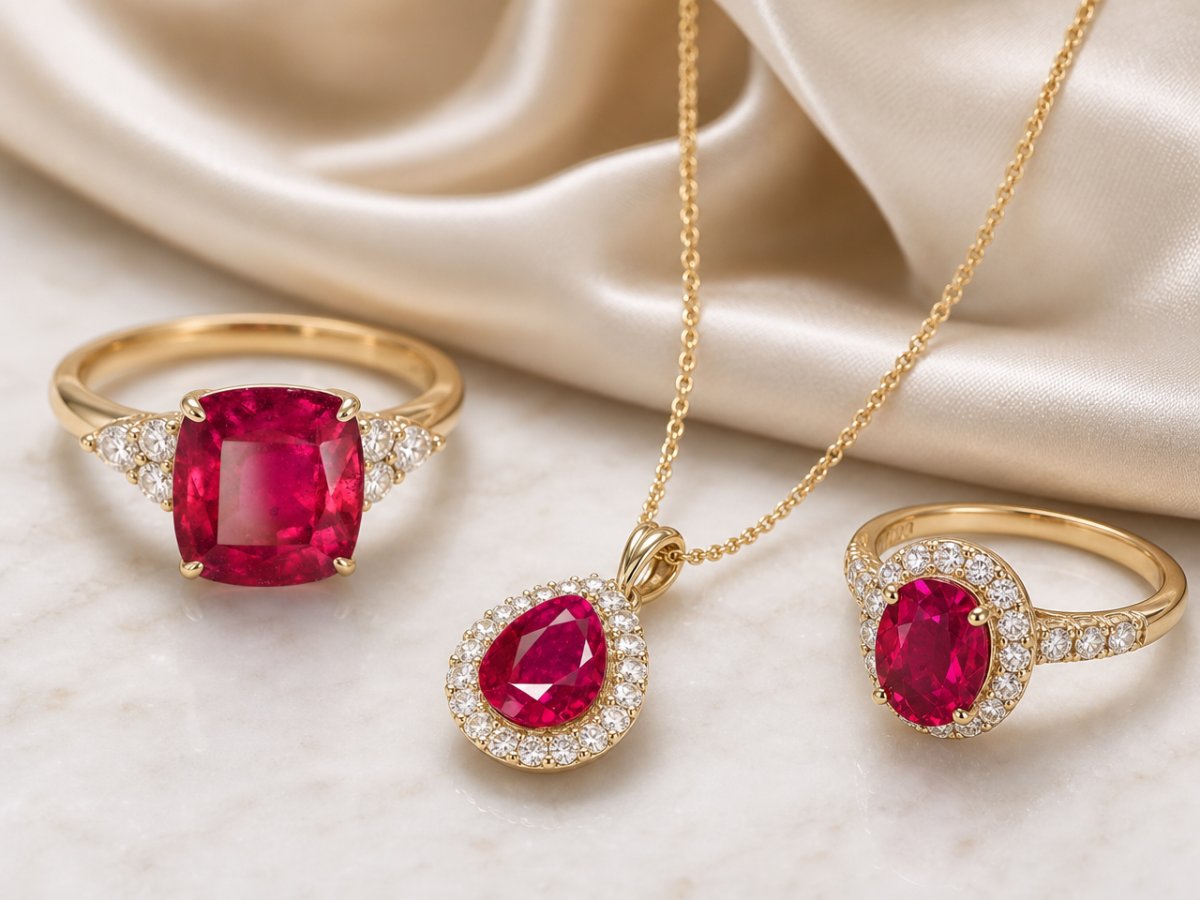
Burma ruby is an excellent candidate for rings, engagement rings and wedding rings because of its hardness and durability as corundum. It is also suitable for earrings, pendants and necklaces, where the stone is generally exposed to less impact than in rings.
Bracelets and daily-wear rings need more protection because they are more likely to be knocked against hard surfaces. For these designs, choose a secure setting and consider protective styles such as bezels or settings that shield vulnerable edges.
Durability does not mean indestructible. Ruby can still be chipped or damaged by hard blows, and treated stones may require extra care depending on the treatment. Remove ruby jewelry before heavy work, sports or activities that risk impact.
Treatments: What to Ask Before Buying
Treatment disclosure is one of the most important parts of buying any ruby. Burma ruby may be heat treated, untreated or fracture-filled. Heat treatment is a common treatment for ruby and should be clearly disclosed by the seller.
Untreated ruby should also be identified clearly, since the absence of treatment is a meaningful buying detail. If a stone is represented as untreated, buyers should look for strong documentation and transparent seller information.
Fracture-filled ruby requires particular attention. Fracture filling can affect durability, care and long-term wear, so it should be clearly disclosed before purchase. If you are buying a ruby for an engagement ring, wedding ring or other frequent-wear jewelry, make sure you understand whether fracture filling is present and how it affects cleaning and setting decisions.
Origin: Buying a Ruby from Myanmar
The defining origin for Burma ruby is Myanmar. Because origin can influence buyer preference, it is important to distinguish between a general ruby purchase and a ruby specifically sold as Burma or Myanmar origin.
For confidence, buy from a seller who provides clear origin information and treatment disclosure. At GemSelect, buyers can compare available gemstones by the details provided for each stone, including important information relevant to selection and jewelry planning.
Practical Buying Checklist
- Confirm the identity: Make sure the stone is described as ruby, a red variety of corundum.
- Review the origin claim: If you are buying Burma ruby specifically, confirm that Myanmar origin is stated clearly.
- Prioritize color: Choose a red that looks attractive in the lighting and jewelry style you expect to use.
- Check treatment disclosure: Know whether the ruby is heat treated, untreated or fracture-filled.
- Inspect clarity: Look for inclusions that affect beauty, transparency or durability.
- Choose a practical cut and shape: Ovals and rounds are versatile; step cuts, octagons and pears can suit more distinctive designs.
- Match the stone to the setting: Rings and bracelets need secure, protective settings; earrings and pendants allow more flexibility.
- Buy from a transparent seller: Clear photos, measurements, treatment information and return policies improve purchasing confidence.
Care Tips for Burma Ruby Jewelry
Ruby's hardness makes it practical for regular wear, but proper care still matters. Store ruby jewelry separately from softer gemstones to prevent scratching them. Clean gently and avoid harsh treatment, especially if the stone has been fracture-filled or if treatment details are uncertain.
Before resizing, resetting or ultrasonic cleaning, tell your jeweler the ruby's treatment status. This is particularly important for filled stones and for any ruby with visible fractures or surface-reaching features.
Summary
A good Burma ruby purchase begins with a beautiful red appearance and ends with confidence in the details: Myanmar origin, ruby identity, treatment disclosure, cut quality and jewelry suitability. For daily-wear rings, prioritize durability, secure setting design and full disclosure. For earrings and pendants, you may have more flexibility in shape and size while still focusing on color and transparency.