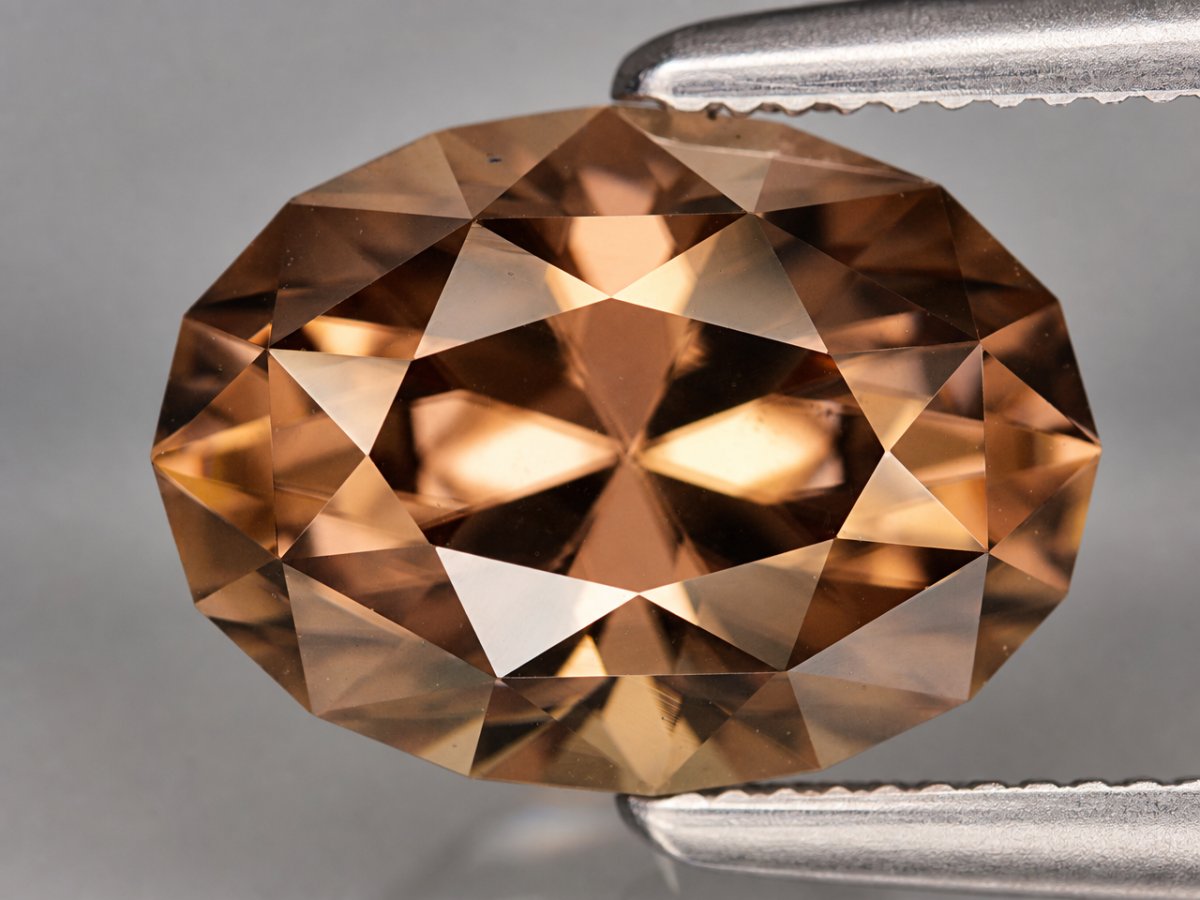


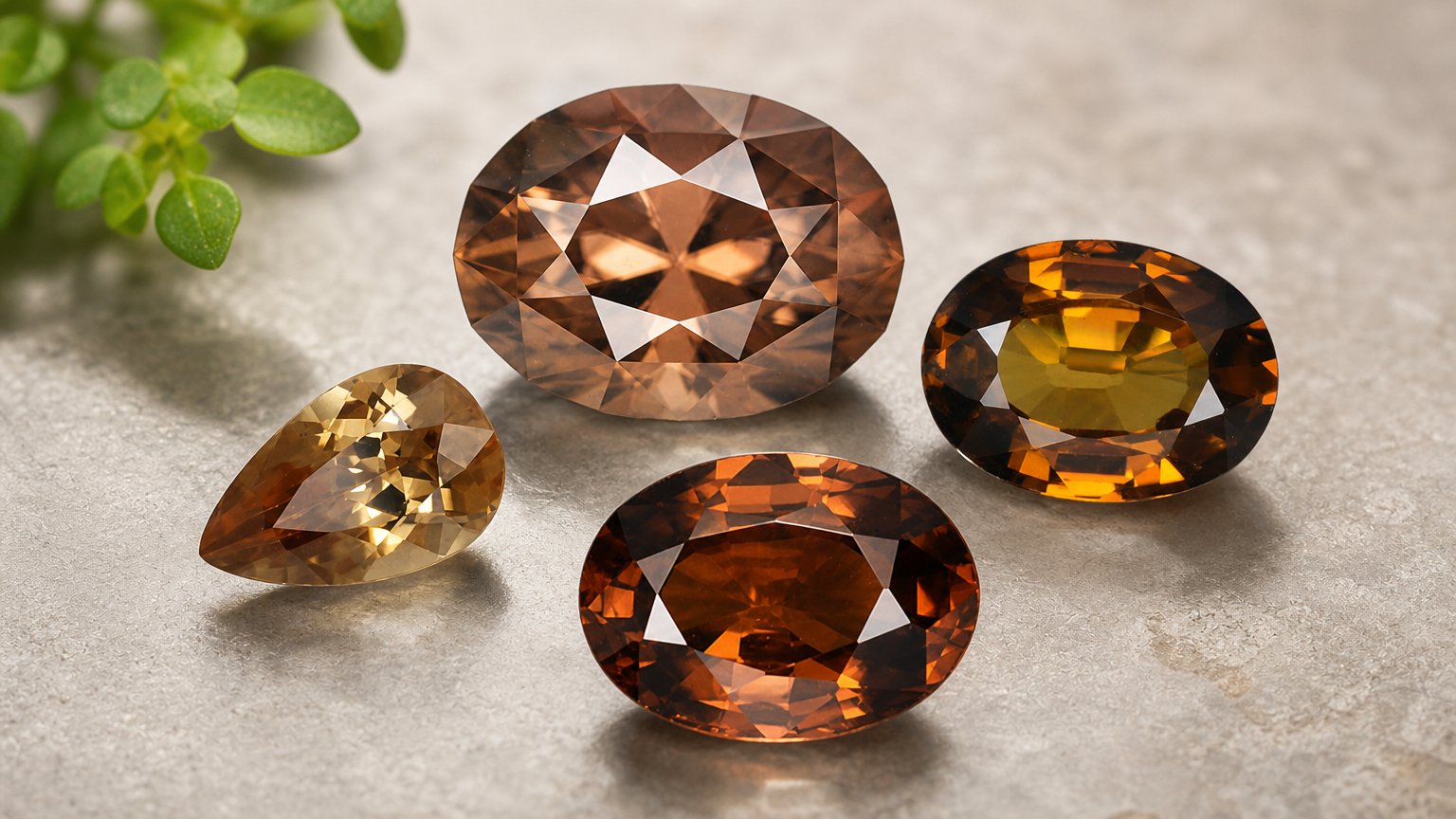
Brown zircon is a natural zircon gemstone valued by buyers who enjoy warm brown color combined with lively faceted brilliance. It is a practical choice for earrings, rings, pendants and other jewelry when selected with attention to cut quality, treatment disclosure and setting style.
This guide explains the main points to compare before buying brown zircon, including appearance, common cuts and shapes, durability, origins and treatments.
What Is Brown Zircon?
Brown zircon is a brown variety of zircon, a natural gemstone with the chemical formula ZrSiO₄. Zircon has a tetragonal crystal system and is known gemologically for its high refractive index, which is one reason well-cut stones can appear bright and lively.
Buyers should note that natural zircon is not the same as cubic zirconia. Zircon is a natural mineral species, while cubic zirconia is a separate man-made diamond simulant. When purchasing, look for clear identification as zircon and check any available treatment information.
Color and Appearance
Color is the first buying consideration for brown zircon. Since the defining color is brown, the best choice depends on personal taste: some buyers prefer a lighter, more open brown appearance, while others prefer a deeper and richer look. Compare stones under normal viewing conditions and choose a color that remains attractive face-up, not only under strong display lighting.
Evenness of color also matters. A well-cut brown zircon should show pleasing color across the face of the stone without distracting dark or washed-out areas. Because zircon has a high refractive index of 1.810-2.024, good cutting can make a noticeable difference in brightness and visual appeal.
Cut and Shape: What to Look For
Faceted cuts are the most common and usually the best choice if you want sparkle and brilliance. Diamond cuts are also common for brown zircon and can emphasize brightness when proportions and polish are well executed.
Oval and round shapes are especially common and are easy to use in many jewelry designs. Octagon and pear shapes are also seen, while cushion, square and trillion shapes can suit more distinctive designs. Cabochons, step cuts and concave cuts may also be available, but for most buyers comparing faceted oval or round stones is the most straightforward starting point.
When judging cut, look for a balanced outline, good symmetry, a lively face-up appearance and no overly dark center. A slightly smaller well-cut stone can often look more attractive than a larger stone with dull cutting.
Clarity and Face-Up Quality
For buyers, clarity is best judged by the overall face-up appearance. Check whether inclusions, surface-reaching features or abrasions are visible without magnification and whether they distract from the color and brightness.
If the stone is intended for a ring, pay extra attention to surface condition and edge wear, since rings are exposed to more contact than earrings or pendants. For earrings and necklaces, small inclusions are often less noticeable in normal wear if the color and cut are attractive.
Durability and Everyday Wear
Brown zircon has a Mohs hardness of 6.5-7.5. This gives it enough hardness for many jewelry uses, but it still deserves thoughtful setting and care, especially in rings and bracelets that may receive knocks during wear.
For rings, protective settings and sensible wear habits are recommended. Avoid wearing zircon rings during heavy manual work, sports or activities where the stone may be struck. Earrings, pendants and necklaces are generally lower-impact choices and are excellent ways to enjoy brown zircon with less wear exposure.
Treatments and Disclosure
Brown zircon may be untreated, and heat treatment is also known. Treatment status should be disclosed by the seller because it is relevant to buyer confidence and accurate product description.
When shopping at GemSelect or elsewhere, review the product details and ask for clarification if treatment information is important to your purchase. Untreated and heat-treated stones can both be suitable for jewelry, but transparent disclosure helps you compare stones fairly.
Origins of Brown Zircon
Brown zircon is associated with several producing countries. Important origins include Cambodia and Tanzania, with additional sources including Myanmar, Sri Lanka, Thailand, Vietnam, Madagascar and Mozambique.
Origin can be interesting for collectors and may be relevant when documented, but most jewelry buyers should prioritize the actual gemstone in front of them: color, cut, clarity, size, treatment disclosure and suitability for the intended setting.
Jewelry Uses and Setting Advice
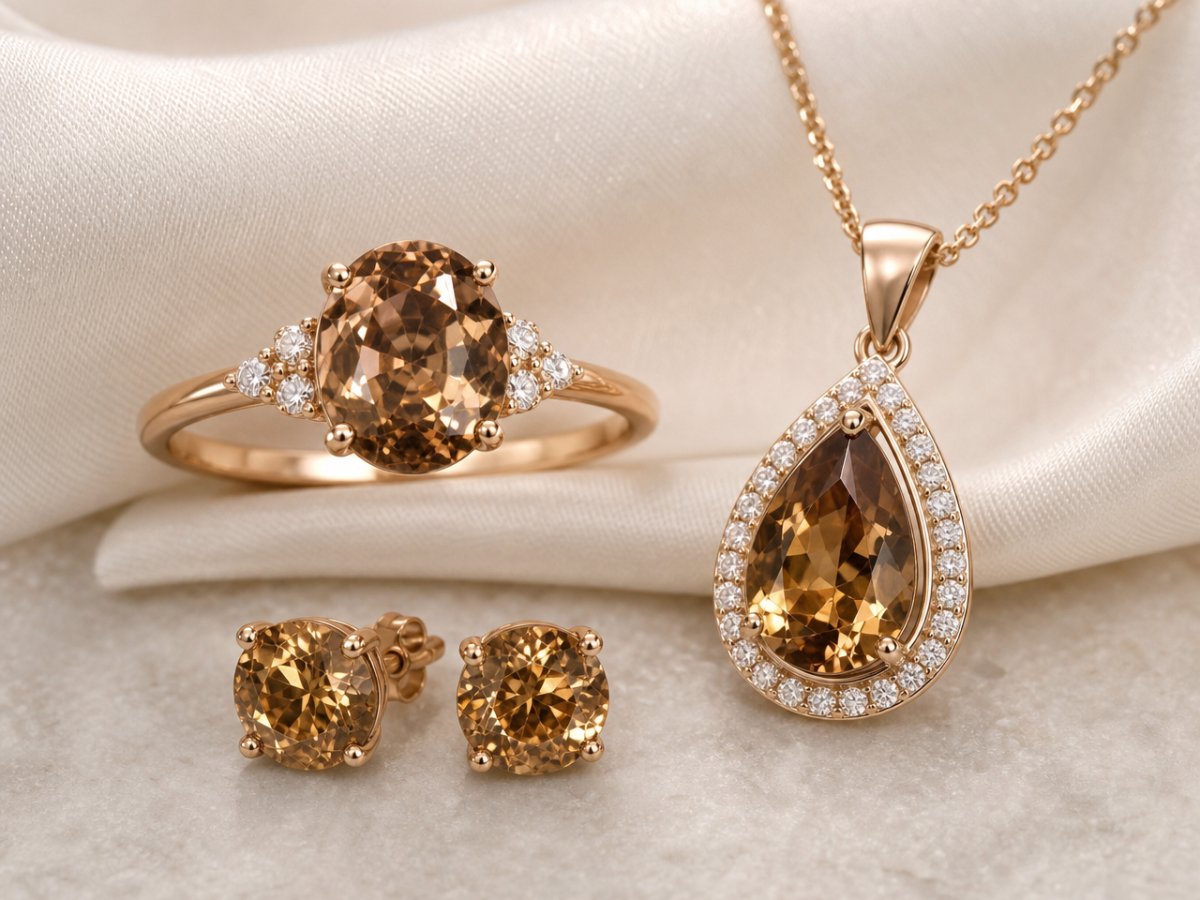
Brown zircon works well in earrings and rings, and it is also a good option for necklaces and pendants. Its warm brown color can be used as a neutral, earthy accent or as the main gemstone in a design.
For rings, choose a design that protects the stone edges and keeps the gem secure. Fashion rings are a suitable use when worn with reasonable care. For bracelets, consider that wrist jewelry is more exposed to bumps, so secure settings and occasional inspection are important. Earrings and pendants are often the easiest choices for buyers who want beauty with lower maintenance.
Brown Zircon Buying Checklist
- Choose the brown color you actually prefer: compare tone, evenness and face-up appeal.
- Prioritize cut quality: faceted oval and round stones are common and should look bright and balanced.
- Check visible clarity: avoid inclusions or surface marks that distract in normal viewing.
- Match durability to jewelry use: earrings and pendants are lower impact; rings and bracelets need more care.
- Review treatment disclosure: brown zircon may be untreated or heat treated.
- Consider origin as secondary: documented origin can interest collectors, but appearance and suitability matter most for jewelry.
Gemological Properties
| Chemical formula | ZrSiO₄ |
| Crystal system | Tetragonal |
| Mohs hardness | 6.5-7.5 |
| Refractive index | 1.810-2.024 |
| Specific gravity | 3.90-4.73 |
Summary
The best brown zircon for you is the one that combines an appealing brown color with lively cutting, clean face-up appearance and appropriate durability for the jewelry style. For most buyers, cut, color and treatment disclosure are more important than origin alone. With the right setting and care, brown zircon can be an attractive choice for earrings, rings, pendants and other jewelry.