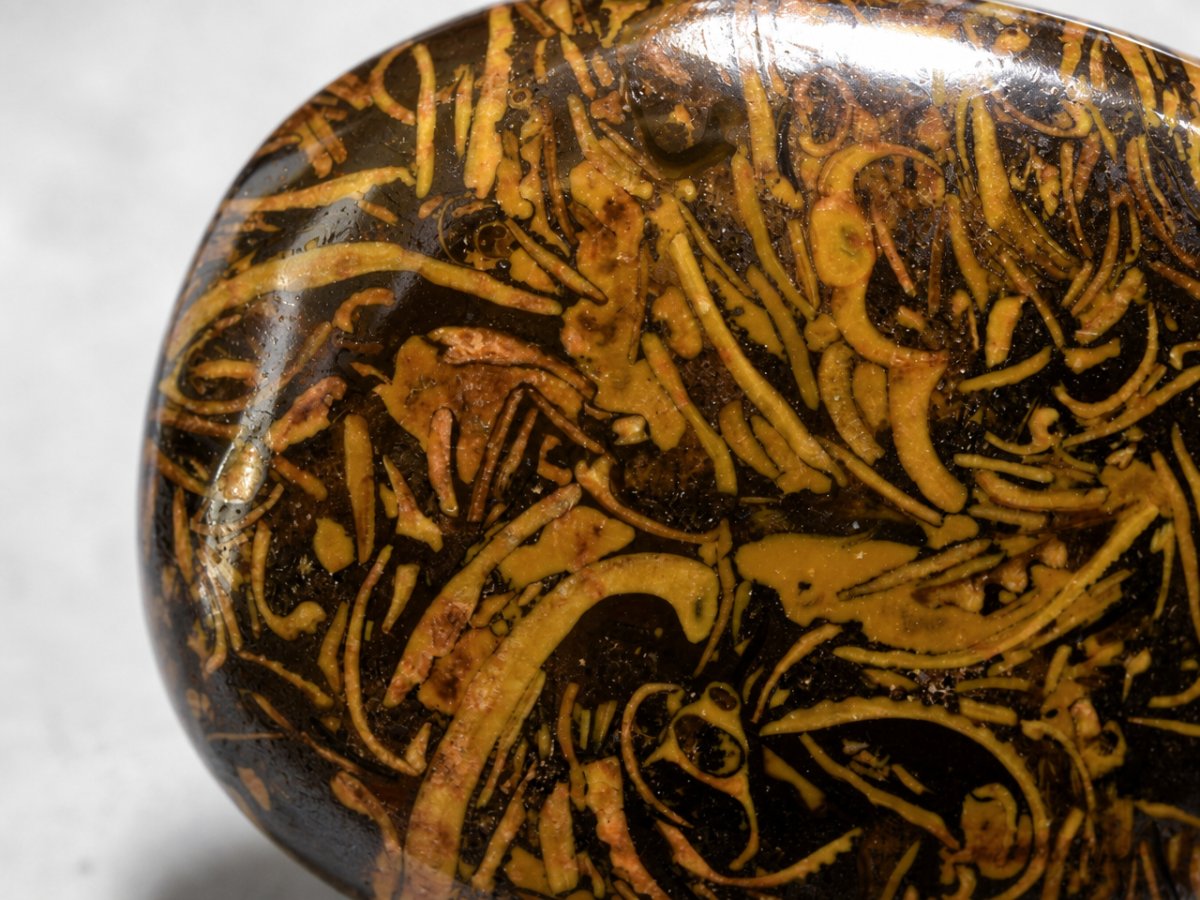


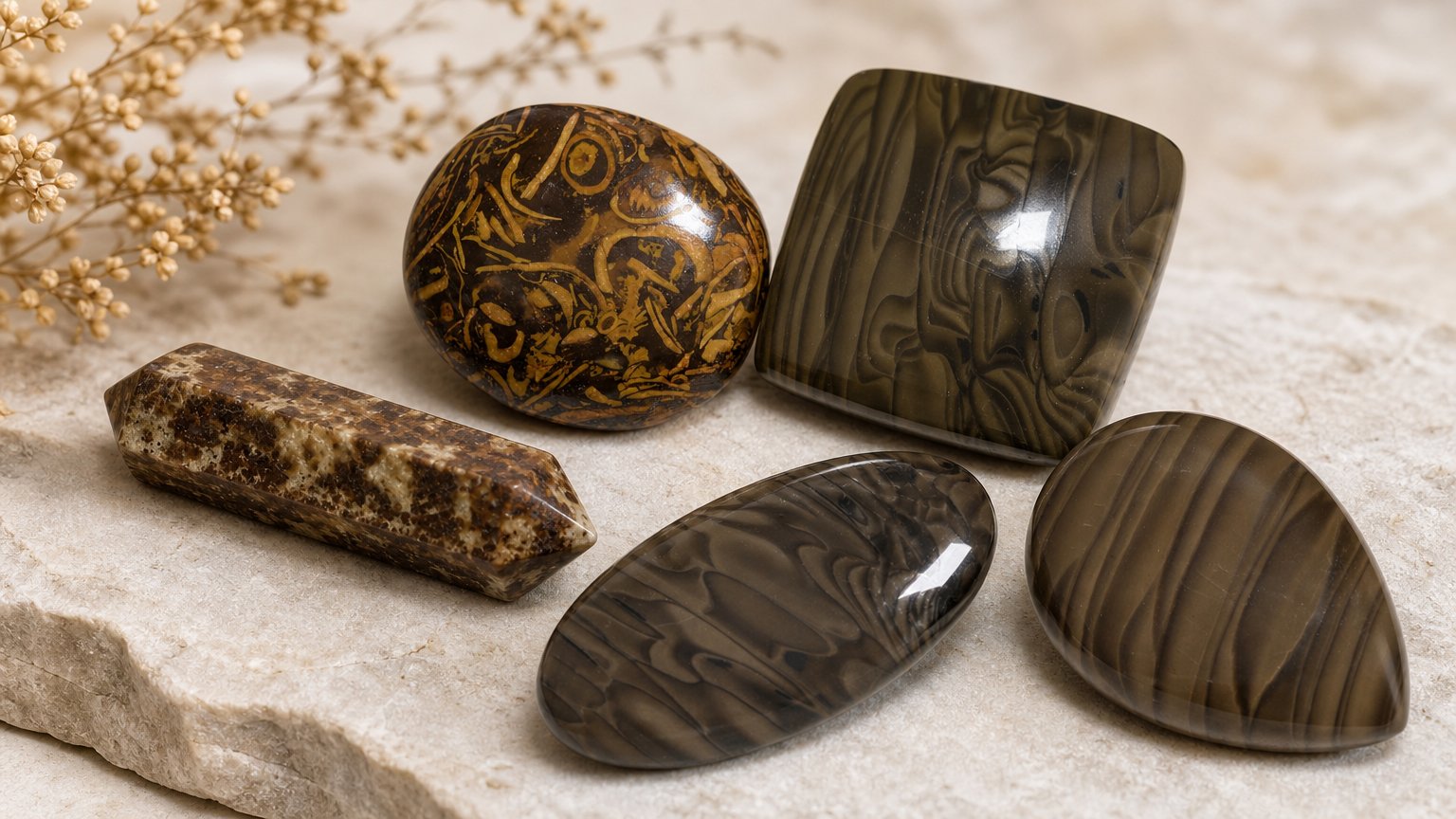
Brown Jasper is an earthy brown variety of jasper, a gemstone associated with the quartz mineral family. Buyers often choose it for its warm natural color, practical durability and suitability for classic cabochon jewelry as well as artisan designs.
This guide focuses on the details that matter when selecting Brown Jasper: color, cut, surface quality, size, treatments, durability and the best jewelry uses.
What Is Brown Jasper?
Brown Jasper is a variety of jasper with a brown body color. Jasper belongs to the quartz family and has the chemical formula SiO₂. Its gemological properties include a Mohs hardness of 6.5 to 7, refractive index of 1.53 to 1.54 and specific gravity of 2.58 to 2.91.
For buyers, the key point is that Brown Jasper is generally valued for its color, polish, shape and overall visual appeal rather than the brilliance expected from transparent faceted gems.
Color and Appearance: What to Look For
Color is the first buying factor for Brown Jasper. Choose a brown shade that suits the jewelry design: deeper brown tones can look bold and grounding, while lighter brown stones may feel softer and more casual. Because this gemstone is selected primarily for its appearance, compare stones under good lighting and consider how the color will look against the intended metal or setting.
Clarity is not judged in the same way as transparent gemstones. Instead of looking for internal brilliance, inspect the surface. A well-finished Brown Jasper should have an even polish, pleasing face-up appearance and no obvious chips, cracks or distracting surface pits.
Cut, Shape and Size
Cabochons are the most common and practical cut for Brown Jasper. A cabochon has a smooth domed top and flat or slightly curved back, which suits jasper well because it emphasizes color and surface polish rather than sparkle.
Oval cabochons are especially common and easy to set in rings and pendants. Round, cushion and fancy shapes are also useful for designers who want a particular outline. Pear, marquise and trillion shapes may be chosen for more distinctive jewelry layouts.
Brown Jasper is also seen in carved pieces and slices, both of which can be attractive for pendants, brooches and artisan jewelry. Faceted Brown Jasper is less central to the category, but may appear when a designer wants a more geometric look.
When comparing size, think in millimeters as well as carat weight. Jasper has a specific gravity range of 2.58 to 2.91, so stones of the same carat weight may not always appear identical in face-up size. For jewelry projects, the exact length, width and depth are often more important than weight alone.
Durability and Jewelry Suitability
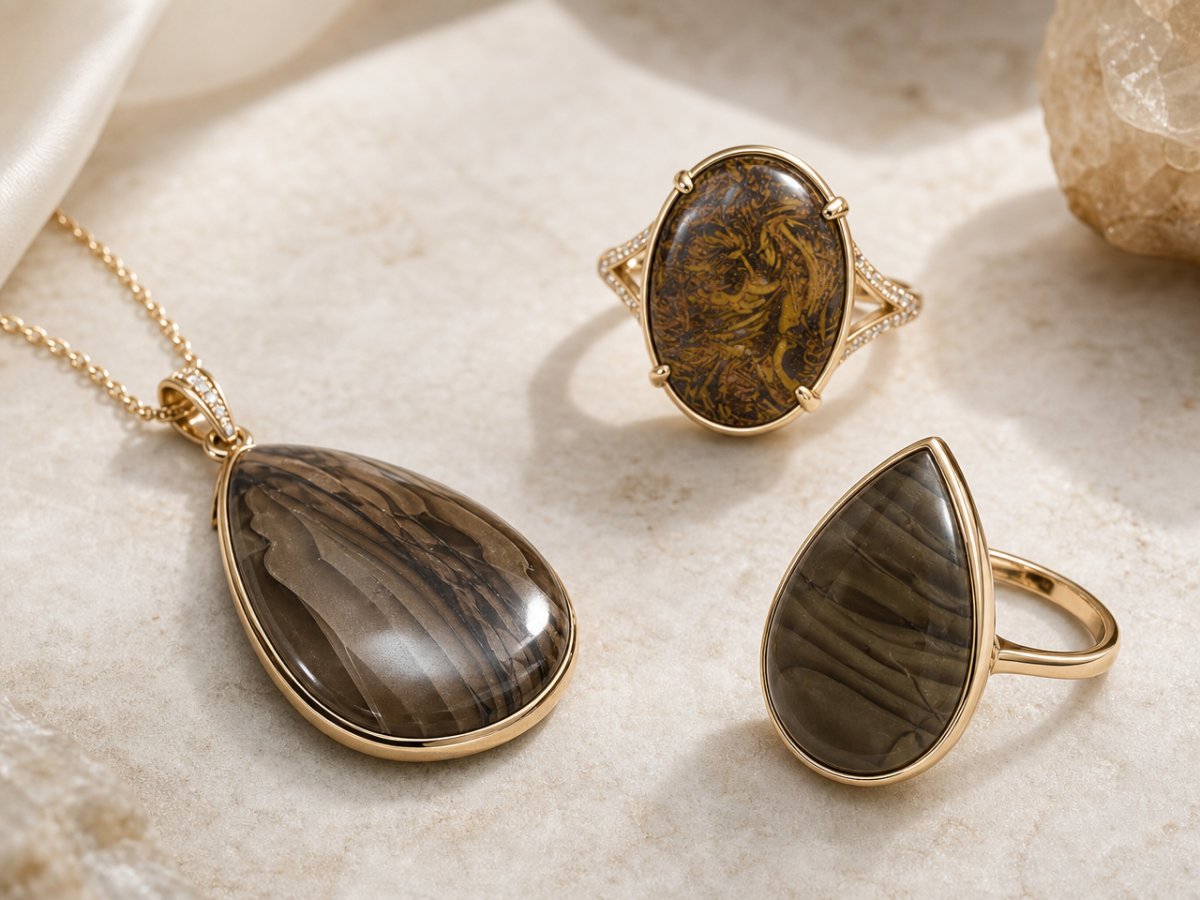
With a Mohs hardness of 6.5 to 7, Brown Jasper is durable enough for many jewelry types when properly set and worn with reasonable care. It is well suited to pendants, rings, earrings and necklaces, and it can also be used in bracelets, brooches and artisan jewelry.
For rings and bracelets, consider protective settings if the jewelry will be worn often. These jewelry types are more exposed to knocks and abrasion than earrings or pendants. Pendants and earrings are generally safer choices for larger cabochons or carved pieces because they receive less direct impact during wear.
Treatments and Buying Confidence
Brown Jasper is commonly offered untreated. Even so, buyers should always read the product description carefully and check whether any treatment information is provided. Transparent treatment disclosure helps you compare stones fairly and choose with confidence.
At GemSelect, treatment information is listed with gemstone details where applicable, making it easier to understand what you are buying before selecting a stone for a design or collection.
Origins
Brown Jasper is associated with several origins, including India and Indonesia, as well as Brazil, Madagascar, the United States, Australia, Mexico and South Africa. Origin can be interesting for collectors, but for most jewelry buyers the more important factors are color, cut quality, polish, size and condition.
Unless you are specifically collecting by locality, it is usually better to choose the individual stone that best matches your design rather than buying on origin alone.
Practical Buying Checklist
- Choose the right brown tone: Select a shade that complements your metal choice, jewelry style and personal preference.
- Prioritize polish: A smooth, attractive surface is especially important for cabochons.
- Inspect condition: Avoid stones with obvious cracks, chips or distracting surface damage.
- Match cut to use: Cabochons are ideal for rings and pendants; carvings and slices suit statement and artisan pieces.
- Check dimensions: Use millimeter measurements to confirm the stone will fit your setting.
- Review treatment disclosure: Brown Jasper is commonly untreated, but always confirm the listing details.
Care Tips for Brown Jasper
Clean Brown Jasper with mild soap, warm water and a soft cloth. Store it separately from harder gemstones to reduce the chance of scratches, and avoid wearing rings or bracelets during activities that may cause hard impact. Good care helps preserve the polish that gives Brown Jasper much of its visual appeal.
Summary
Brown Jasper is a practical and attractive choice for buyers who want a warm brown gemstone for cabochon jewelry, pendants, rings or artisan designs. Focus on pleasing color, smooth polish, suitable shape, accurate size and clear treatment disclosure. For most buyers, these factors matter more than origin or carat weight alone.