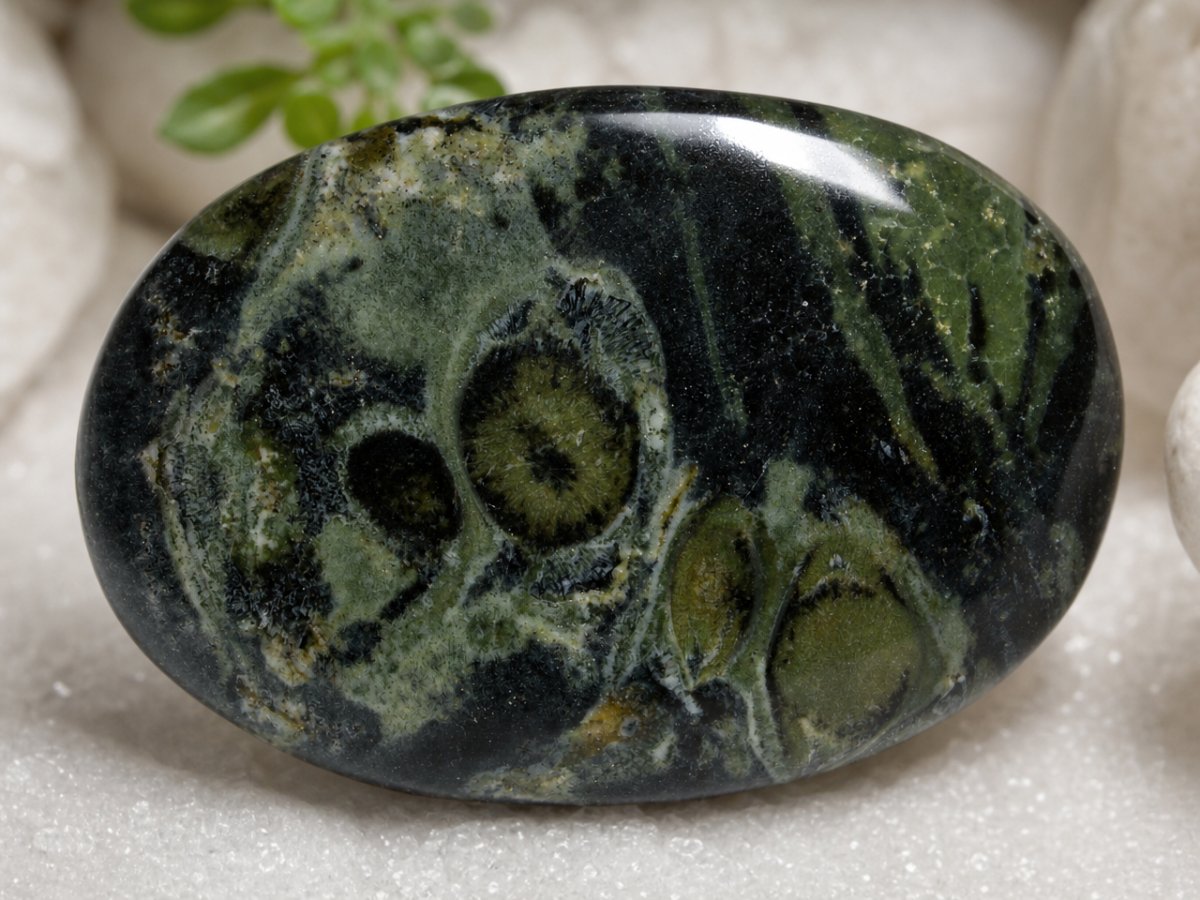


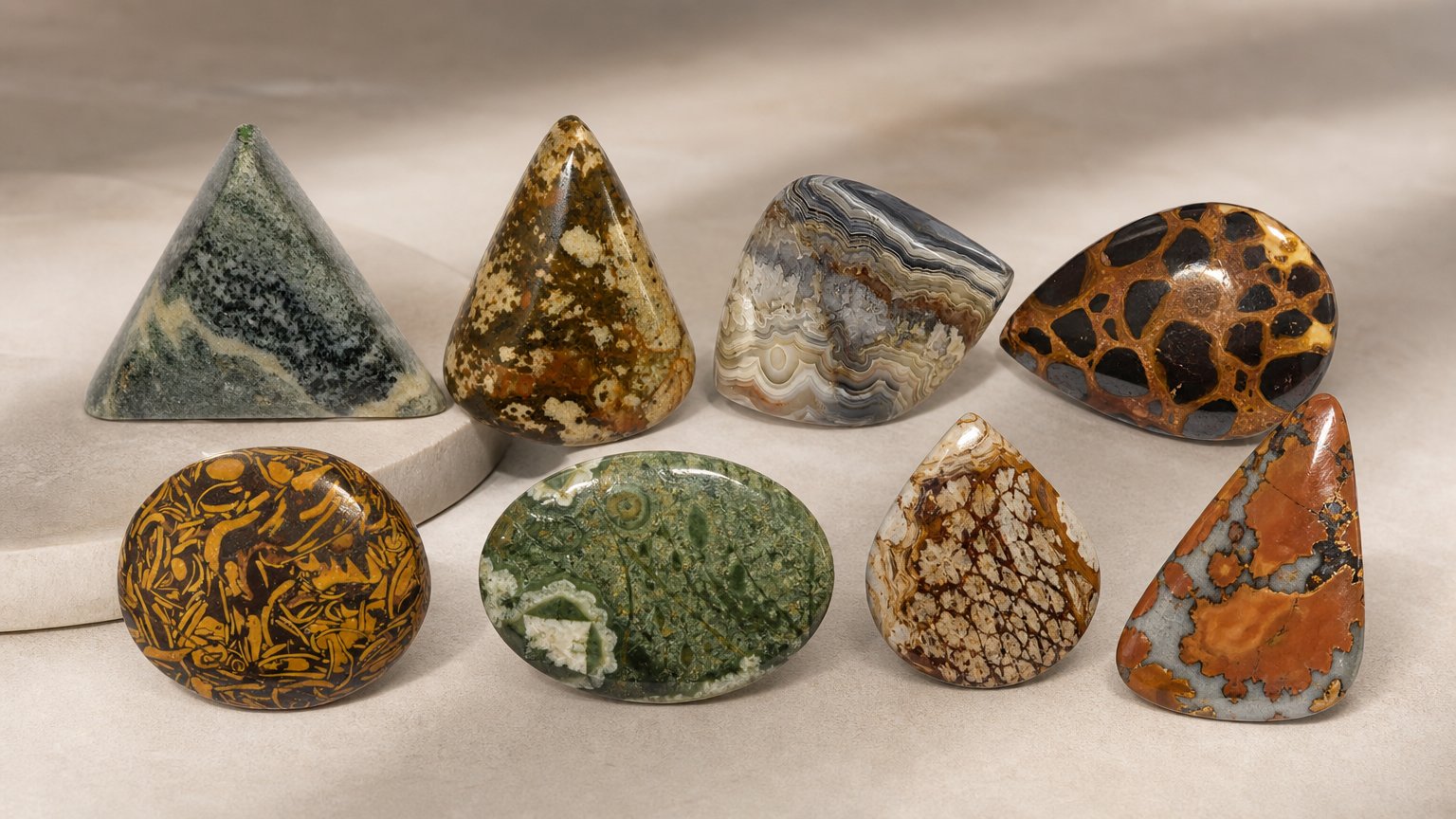
Jasper is a practical and visually varied gemstone for buyers who want strong color, natural-looking character and a wide choice of jewelry styles. Because jasper is most often chosen for its appearance rather than brilliance, the best purchase is usually the stone whose color combination, shape, polish and size best suit your design.
This buying guide explains what to look for when choosing jasper, including color, cut, durability, treatments, origin and jewelry use.
What Is Jasper?
Jasper is a gemstone associated with the quartz family. Its chemical formula is SiO2, and it has a trigonal crystal system. For buyers, the most important practical point is that jasper offers many different looks while retaining the useful durability expected from quartz gemstones.
Jasper is commonly available as untreated material, making it appealing to customers who prefer gemstones with minimal enhancement. As with any gemstone purchase, treatment information should be checked in the individual product description.
Color and Appearance: The Main Buying Factor
Color is the first thing most buyers notice in jasper. The most important jasper colors include multicolor and red, with brown, green and orange also commonly seen. Black, white and yellow may appear as part of the overall look, while blue is less commonly encountered.
When comparing jasper gemstones, consider the overall visual balance rather than looking for a single "best" color. Some buyers prefer strong red or earthy brown tones; others want multicolor combinations with higher contrast. For jewelry designers, the most useful jasper is often the piece that coordinates well with metal color, bead strands, accent stones or a specific design theme.
What to Check in the Photos
Look closely at the face-up appearance. A good jasper gemstone should have a pleasing arrangement of colors, a smooth polish and an outline that suits the intended setting. If you are buying pairs or groups, compare the stones for compatible color, shape and size rather than expecting them to be identical.
Cut and Shape Choices
Jasper is most commonly cut as a cabochon. A cabochon has a smooth, rounded top without facets, which suits jasper because it emphasizes color and surface appearance rather than sparkle. Cabochons are a strong choice for pendants, rings, earrings, brooches and many custom jewelry designs.
Carvings and slice cuts are also used for jasper. These can be excellent for statement jewelry or collector pieces where shape and natural color layout are part of the appeal. Faceted jasper exists, but it is less typical; buyers should choose it for the specific design effect rather than expecting the brilliance of a transparent faceted gem.
Popular jasper shapes include oval and pear, with cushion, round and fancy shapes also useful for jewelry. Freeform shapes can be especially attractive when the cutter has followed the natural color arrangement of the stone. For ring settings, more regular shapes may be easier to mount, while freeform pieces are often better suited to pendants and artistic designs.
Durability and Everyday Wear
Jasper has a Mohs hardness of 6.5 to 7, making it durable enough for many jewelry uses. It is well suited to pendants, earrings, necklaces and brooches, where it is less exposed to knocks. Jasper can also be used in rings, but rings receive more impact and abrasion than most other jewelry, so thoughtful setting design and sensible wear habits are important.
For a jasper ring, consider a setting that protects the edges of the stone, especially if the cabochon has a high dome or an elongated shape such as pear or marquise. Bracelets are possible, but they are more exposed to bumps against hard surfaces, so buyers should choose sturdy settings and avoid rough wear.
For care, clean jasper with mild soap, warm water and a soft cloth. Avoid harsh chemicals, strong impacts and abrasive cleaning materials. Store jasper separately from harder gems to help prevent surface scratches.
Treatments and Buying Confidence
Jasper is commonly sold untreated. This is a useful advantage for buyers who want a gemstone whose appearance is not dependent on routine enhancement. Still, treatment disclosure should be confirmed on the product page or invoice, especially when buying for resale, custom jewelry or collecting.
At GemSelect, buyers should review the listed treatment status, measurements, shape, weight and photos for each individual stone. With jasper, the image is especially important because color arrangement can vary significantly from one gem to another.
Origin: Useful, but Appearance Comes First
Jasper is known from several sources, including India, Indonesia and Madagascar, as well as Brazil and the United States. Other noted origins include Australia, Mexico and South Africa.
For most jewelry buyers, origin is less important than color, cut quality, size and overall appearance. Origin may matter more to collectors or designers building a themed collection, but it should not replace careful evaluation of the actual gemstone.
Size, Measurements and Setting Fit
When buying jasper for jewelry, pay close attention to millimeter dimensions as well as carat weight. Cabochons and carvings can vary in depth, so two stones with the same weight may not face up at the same size. If the stone is intended for a ready-made setting, exact length, width and depth are essential.
For custom work, choose the jasper first if the color arrangement is central to the design. A jeweler can then create a setting that suits the stone's outline and height. For earrings or matched jewelry, prioritize similar face-up size, shape and color balance.
Best Jewelry Uses for Jasper
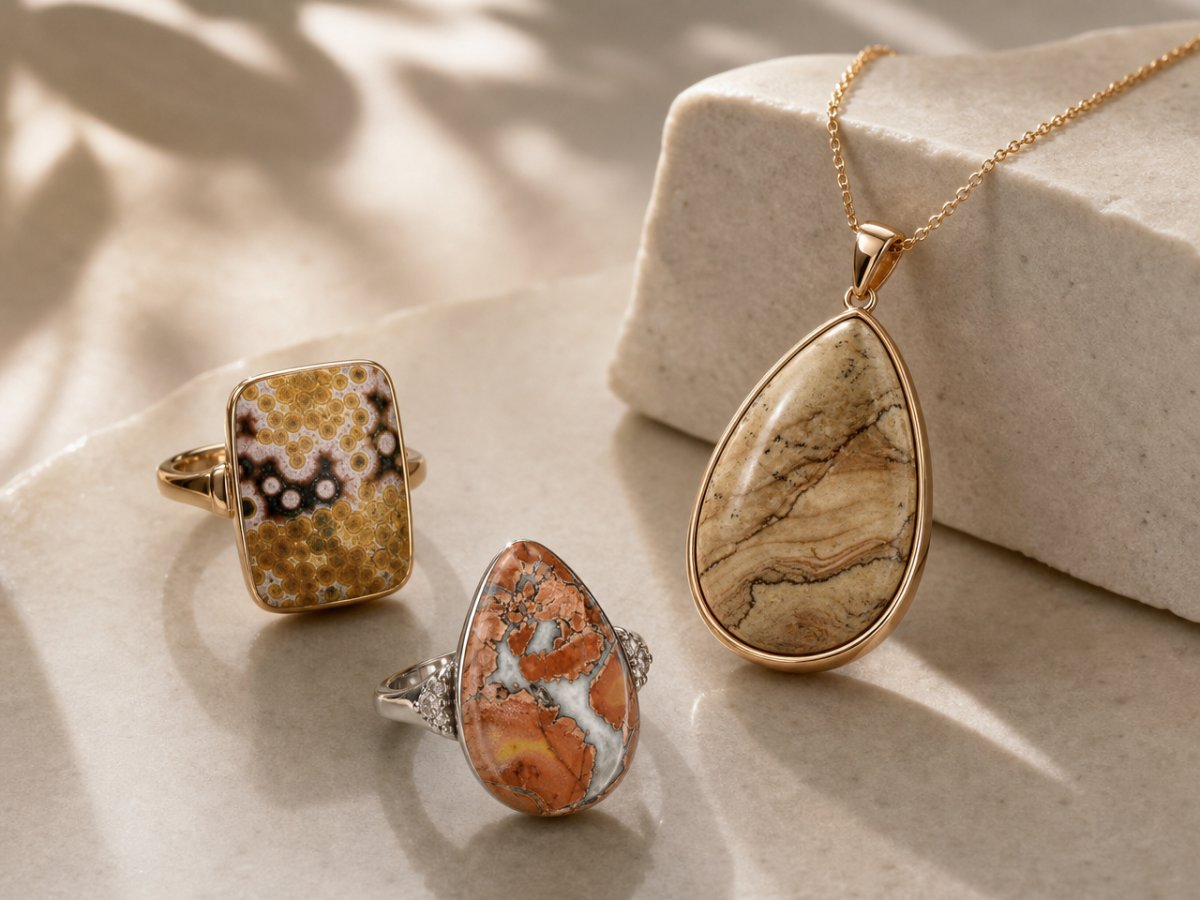
Jasper is especially popular for pendants and rings because its color can stand alone as the main design feature. It also works well in earrings and necklaces, where coordinated colors can create a cohesive look. Bracelets and brooches are also good options when the design protects the stone and complements its shape.
Warm-toned jasper can pair attractively with yellow or rose-colored metals, while black, white, green or multicolor jasper may suit both warm and cool metal designs. The best choice is the combination that highlights the stone's natural color arrangement.
Practical Jasper Buying Checklist
- Choose color first: Select the red, multicolor, brown, green, orange or other jasper look that fits your design.
- Inspect the polish: A smooth, even polish improves the appearance of cabochons and slices.
- Match cut to use: Cabochons are versatile; carvings and slices are better for distinctive statement pieces.
- Check measurements: Use millimeter dimensions to confirm setting fit, especially for cabochons.
- Consider durability: Jasper is suitable for many jewelry types, but rings and bracelets need more protection.
- Review treatment disclosure: Jasper is commonly untreated, but always confirm the listing details.
Conclusion
Buying jasper is mainly about selecting the most appealing combination of color, cut, shape and size for your intended jewelry or collection. Its quartz association, Mohs hardness of 6.5 to 7 and common untreated availability make it a practical gemstone choice. Focus on the actual appearance of the individual stone, confirm the measurements and choose a setting that suits how the jewelry will be worn.