


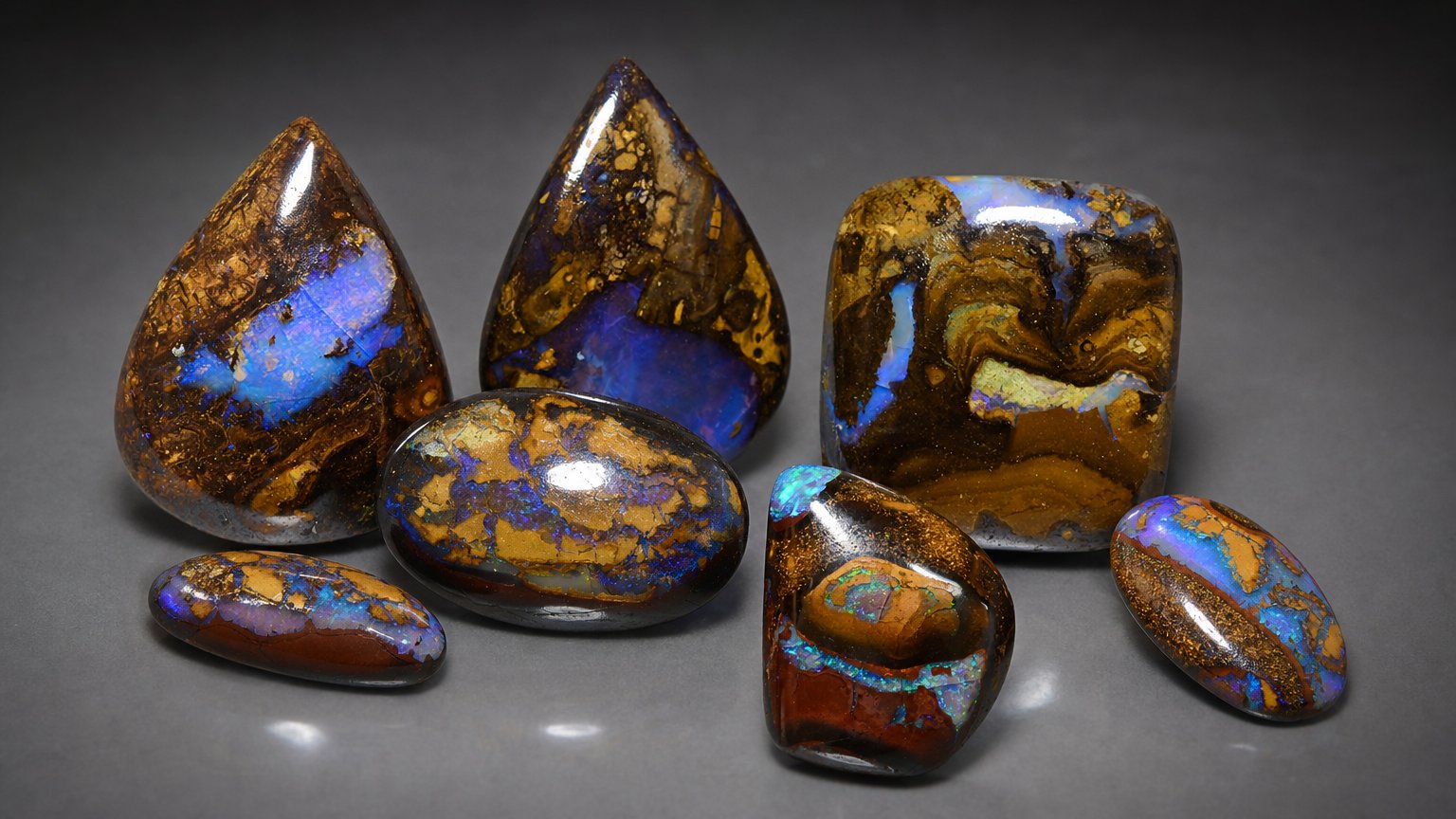
Boulder Opal is a distinctive variety of opal chosen for its lively multicolor appearance, individual character and suitability for expressive jewelry designs. For buyers, the appeal is often immediate: no two stones look exactly alike, and the combination of color pattern, shape and cut can make each gem feel like a small natural artwork.
This buying guide explains the main points to consider before purchasing Boulder Opal, including color, cut, shape, origin, treatments and jewelry use. It is written for gemstone buyers, jewelers, designers and collectors who want practical guidance rather than vague grading claims. Whether you are choosing a loose gem for a custom pendant or comparing stones for a ring, understanding the features that affect appearance and wearability will help you buy with more confidence.
What Is Boulder Opal?
Boulder Opal is a variety of opal. In the gem trade, it is valued primarily for its play of color and natural individuality. Because it belongs to the opal family, buyers should judge it differently from transparent faceted gems such as sapphire, tourmaline or garnet. With Boulder Opal, beauty is usually found in color movement, pattern, surface presentation and the way the cutter has shaped the gem to show its best face.
Unlike many gemstones that are selected according to standardized faceting proportions, Boulder Opal is often appreciated for irregularity and personality. A well-chosen stone may not be perfectly symmetrical, but it should have an attractive outline, a pleasing color display and a cut that feels intentional rather than accidental. For this reason, buying Boulder Opal is as much about visual selection as it is about technical description.
Color and Appearance: The First Buying Priority
The known color category for Boulder Opal is multicolor, and color is usually the first feature a buyer notices. When comparing stones, look at the range of colors visible, how strongly they appear, and whether the pattern suits the design you have in mind. Some buyers prefer bold contrast and dramatic color patches, while others prefer a softer blend of tones across the surface.
Assess Color Face-Up
View the gemstone from the top, also called the face-up position, because this is how it will normally be seen in jewelry. Tilt it gently under normal lighting to see whether the multicolor effect remains attractive from more than one angle. A stone that looks appealing only from one narrow viewpoint may still be useful for a specific design, but it requires more careful setting and orientation.
Pattern, Balance and Personal Taste
Boulder Opal does not need to look uniform to be desirable. In fact, many buyers choose it because the pattern is natural and individual. When judging appearance, consider balance. Does the color sit in an attractive part of the stone? Is the most interesting area centered, flowing diagonally or placed in a way that would work well in a pendant or ring? A freeform stone can be very successful when the color pattern and outline feel harmonious.
Lighting Conditions Matter
As with many gemstones, lighting can change how color is perceived. Compare Boulder Opal under more than one light source when possible. Bright display lights may highlight color strongly, while softer indoor lighting may give a more realistic impression of everyday wear. Online buyers should rely on clear photos and, when available, videos that show the gem from different angles.
Origin: Australian Boulder Opal
Australia is the important origin associated with Boulder Opal. For many buyers, Australian origin is part of the stone’s identity and appeal. When origin matters to your purchase, look for it to be clearly stated by the seller. This is especially relevant for collectors, designers building a themed collection, or buyers who want a gem with a known geographic association.
Origin alone should not replace careful visual evaluation. A beautiful Boulder Opal should still be judged by its color, cut, shape, size and suitability for the intended piece of jewelry. However, a clearly described Australian Boulder Opal gives the buyer useful context and supports a more informed purchase.
Cut: Why Cabochons Are So Common
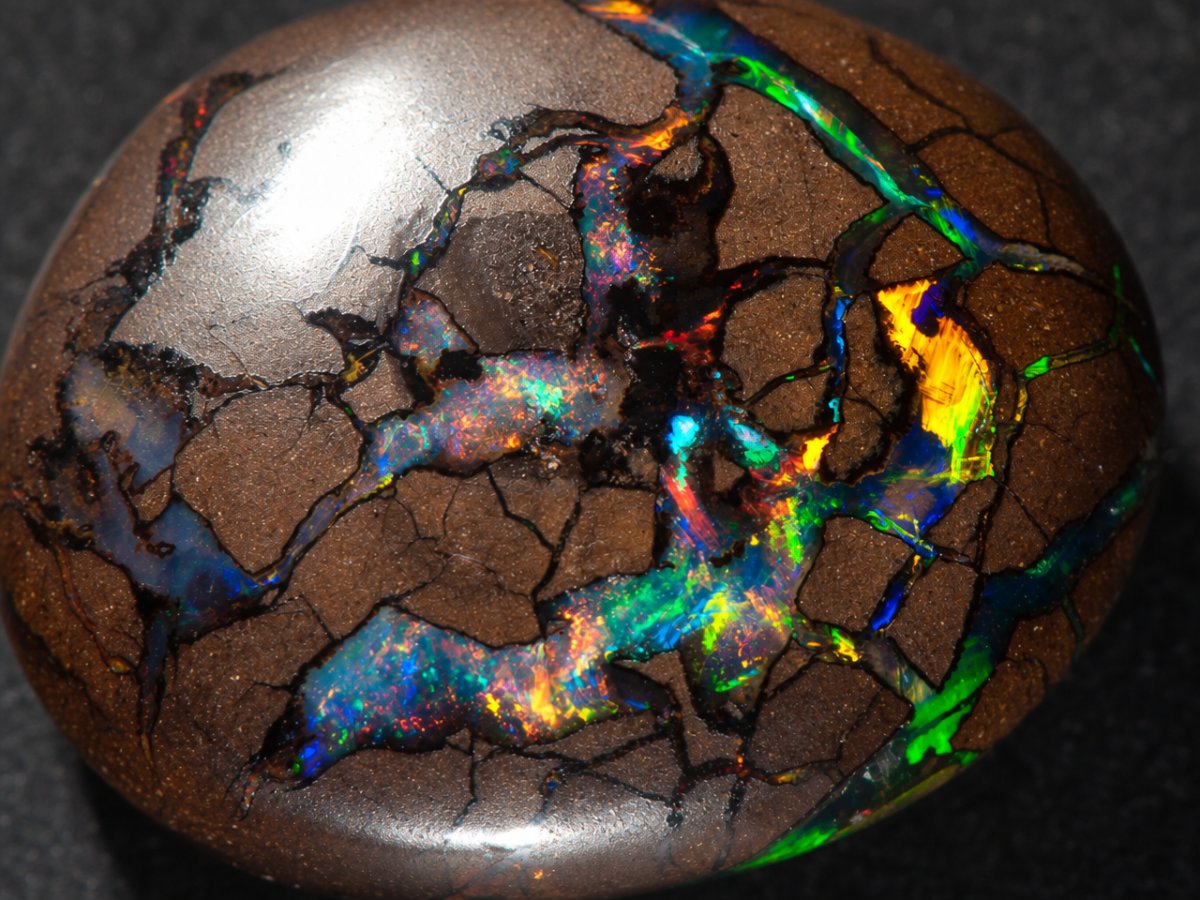
The most common cut style for Boulder Opal is the cabochon. A cabochon has a smooth, polished surface rather than many flat facets. This style is especially appropriate for gemstones where color, pattern and surface presentation are the main attraction. The rounded or smoothly contoured top can help present the multicolor appearance cleanly and naturally.
When inspecting a cabochon Boulder Opal, look for a good polish, an appealing outline and a surface that presents the color well. The dome does not need to be high, but it should suit the stone. A very uneven or awkward surface may make setting more difficult or reduce the visual appeal from normal viewing angles.
Faceted Boulder Opal
Faceted Boulder Opal exists but is less common than cabochon material. Faceting may be chosen for certain designs or for stones where flat planes can enhance the visual effect. Because faceted Boulder Opal is not the standard presentation, buyers should evaluate whether the facet pattern genuinely improves the appearance. The most important question remains simple: does the cut show the color attractively and suit the intended jewelry?
Shape: Freeform and Classic Options
Freeform is the most characteristic shape for Boulder Opal. This makes sense for a gemstone where the cutter often works with the natural color layout rather than forcing the material into a strict calibrated outline. A well-cut freeform Boulder Opal can be ideal for one-of-a-kind jewelry, especially pendants and statement pieces.
Classic shapes are also available and can be easier to use in traditional settings. Cushion, oval and pear shapes are popular choices because they offer a balance between design flexibility and visual softness. Marquise and trillion shapes may appear as well, often for more specific design concepts.
Choosing the Right Shape for Your Design
If you are buying a loose stone for custom jewelry, shape should be considered early. A freeform gem gives the designer creative freedom but may require a custom setting. An oval, cushion or pear shape can be simpler to mount and easier to match with existing design styles. For earrings or matched layouts, more regular shapes may be helpful, while a single pendant can celebrate an unusual outline.
Size and Visual Presence
Boulder Opal is often purchased for visual impact, so size should be considered together with color and shape. A larger stone with weak or poorly placed color may be less satisfying than a smaller gem with a stronger, more balanced appearance. Because freeform shapes can vary widely, do not rely only on carat weight when comparing options. Face-up dimensions, outline and color coverage are often more useful for jewelry planning.
For pendants and necklaces, a larger Boulder Opal can work well because the gem has room to show its multicolor pattern. For rings, the right size depends on comfort, setting style and how often the ring will be worn. For earrings, consider weight and balance so the finished jewelry remains comfortable.
Clarity and Surface Evaluation
Boulder Opal should be evaluated mainly for appearance rather than the clarity standards used for transparent faceted stones. In transparent gems, buyers often look for internal inclusions that may affect brilliance. With Boulder Opal, the key questions are different: is the face attractive, is the surface well polished, and do any visible features distract from the overall look?
Inspect the stone under normal viewing conditions first. Magnification can be useful for checking craftsmanship, but the gem should be judged primarily as it will be worn. Small natural-looking features may not matter if they do not interrupt the color display or weaken the design. On the other hand, obvious surface issues in prominent areas should be considered carefully, especially for rings and bracelets where the stone may receive more contact during wear.
Treatments: Untreated Boulder Opal
Boulder Opal is commonly associated with untreated material. For buyers, treatment disclosure is important because it helps you understand what you are purchasing and how to compare stones fairly. When a gem is described as untreated, it means the seller is representing the stone as not having been enhanced by treatment.
When shopping, look for clear treatment information in the product description. If treatment status is important to you, ask before purchasing. GemSelect provides treatment details where relevant so buyers can evaluate gemstones with greater confidence.
Durability and Practical Wear
Durability is a practical buying issue for any gemstone, and it is especially important when matching a stone to a jewelry type. Durability is not only about hardness; it also includes setting style, exposure to knocks, how often the jewelry is worn and how carefully it is stored and cleaned.
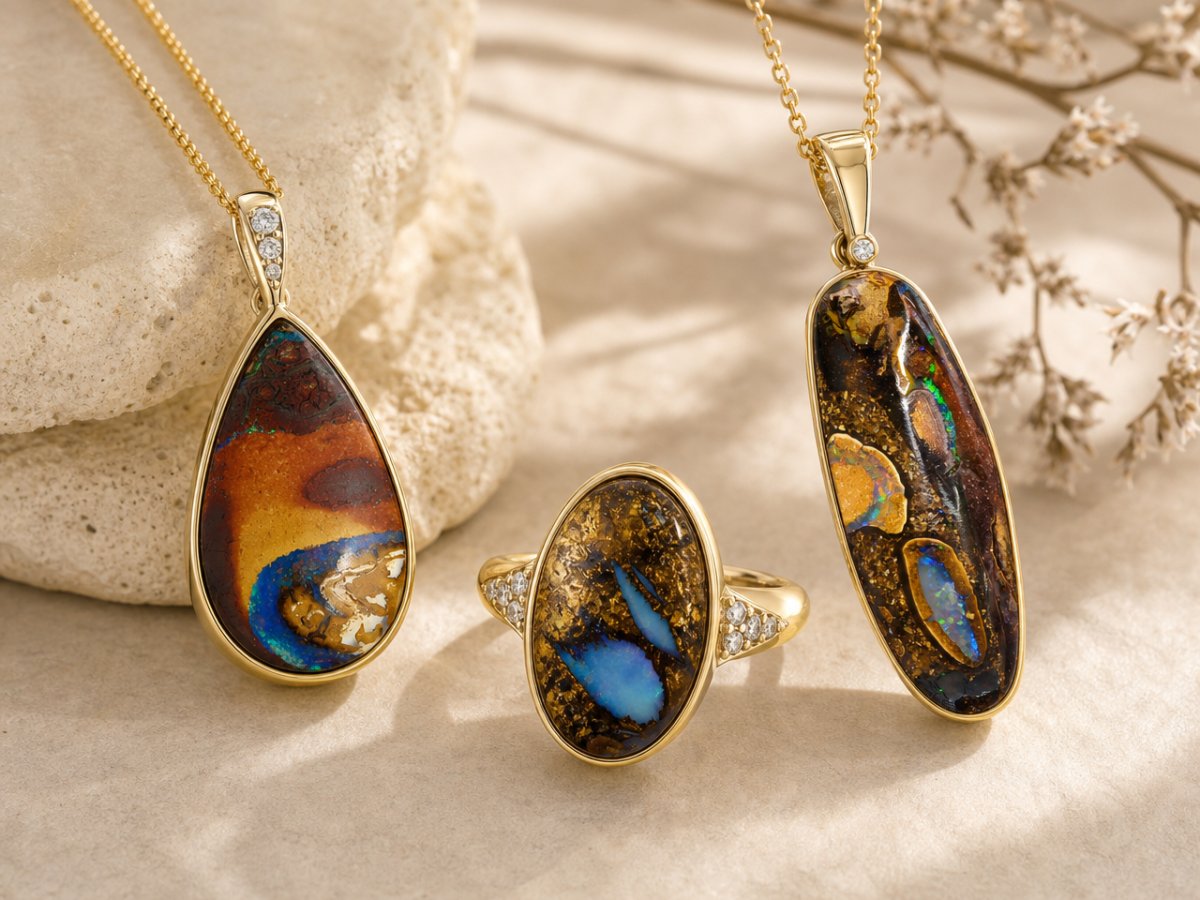
Boulder Opal can be used in several jewelry types, including pendants, necklaces, rings, bracelets and earrings. The safest designs are usually those that protect the stone from repeated impact. Pendants and necklaces are often excellent choices because they are less exposed to knocks than rings or bracelets. Earrings can also be a good option when the size and weight are comfortable.
Rings require more planning because hands come into frequent contact with hard surfaces. If you choose Boulder Opal for a ring, consider a protective setting and wear it with appropriate care. Bracelets also need careful design because wrist jewelry can receive bumps during daily activity. A jeweler can help choose a setting that supports the stone and protects vulnerable edges.
Best Jewelry Uses for Boulder Opal
Pendants and Necklaces
Pendants are one of the most natural uses for Boulder Opal. A pendant allows the stone to be displayed face-up, gives room for freeform shapes and usually exposes the gem to less impact than hand jewelry. Necklaces can also showcase Boulder Opal beautifully, especially when the design allows the multicolor pattern to remain the focus.
Rings
Boulder Opal rings can be striking and personal, particularly when the stone has a strong central color pattern. For ring use, buyers should pay close attention to the cut, outline and setting design. Smooth edges, a secure mount and a protective setting are important considerations.
Bracelets and Earrings
Bracelets and earrings are also possible uses. For bracelets, protection is important because wrist jewelry is more exposed during wear. For earrings, comfort and matched visual balance matter. Exact matching may be difficult with a gemstone known for individual multicolor patterns, so many designers prefer complementary pairs rather than identical stones.
How to Buy Boulder Opal: A Practical Checklist
1. Start With the Face-Up Look
Choose a stone that appeals to you from the top view. The multicolor pattern should be attractive in the orientation in which the gem will be set.
2. Compare Color Strength and Placement
Look for color that is well placed and visually balanced. A stone does not need to be symmetrical, but the most interesting color should contribute to the overall design.
3. Choose a Cut That Supports the Color
Cabochons are the standard choice and should have a pleasing polish and outline. If considering a faceted stone, make sure the faceting enhances rather than distracts from the opal’s appearance.
4. Match Shape to Jewelry Style
Freeform shapes are ideal for custom, artistic jewelry. Cushion, oval and pear shapes may be easier to set in more traditional designs.
5. Consider Size by Dimensions, Not Only Weight
Freeform stones can face up differently even at similar weights. Check measurements and visual spread, especially when planning a pendant, ring or pair of earrings.
6. Confirm Origin and Treatment Information
If Australian origin or untreated status is important to you, make sure the product description states it clearly. Ask the seller if anything is unclear.
7. Plan the Setting Before You Buy
Before purchasing, think about whether the stone will become a pendant, necklace, ring, bracelet or earrings. The intended jewelry type affects the ideal size, shape and level of protection needed.
Buying Boulder Opal Online
When buying Boulder Opal online, clear images are essential. Look for photographs that show the stone face-up and from additional angles. Videos can be especially useful because they reveal how the multicolor appearance changes as the gem moves. Read the description carefully for cut, shape, dimensions, origin and treatment information.
Because Boulder Opal is often individual in pattern and outline, compare stones visually rather than trying to rank them by a single factor. A gem that is perfect for a pendant may not be ideal for a ring, and a dramatic freeform stone may be more desirable for a custom design than a more regular outline. GemSelect’s loose gemstone listings allow buyers to compare individual stones and choose the one that best suits their project.
Summary
Boulder Opal is a multicolor variety of opal strongly associated with Australia and commonly offered as untreated material. Buyers usually choose it for its natural individuality, color pattern and suitability for expressive jewelry. Cabochon cutting and freeform shapes are especially important, although classic shapes such as oval, cushion and pear can be excellent choices for more traditional settings.
The best Boulder Opal purchase is not necessarily the largest or most regular stone. It is the one with the most appealing face-up appearance for your intended use. Focus on color, cut quality, shape, treatment disclosure and jewelry practicality. With careful selection, Boulder Opal can become a memorable centerpiece for a pendant, necklace, ring, bracelet or pair of earrings.
