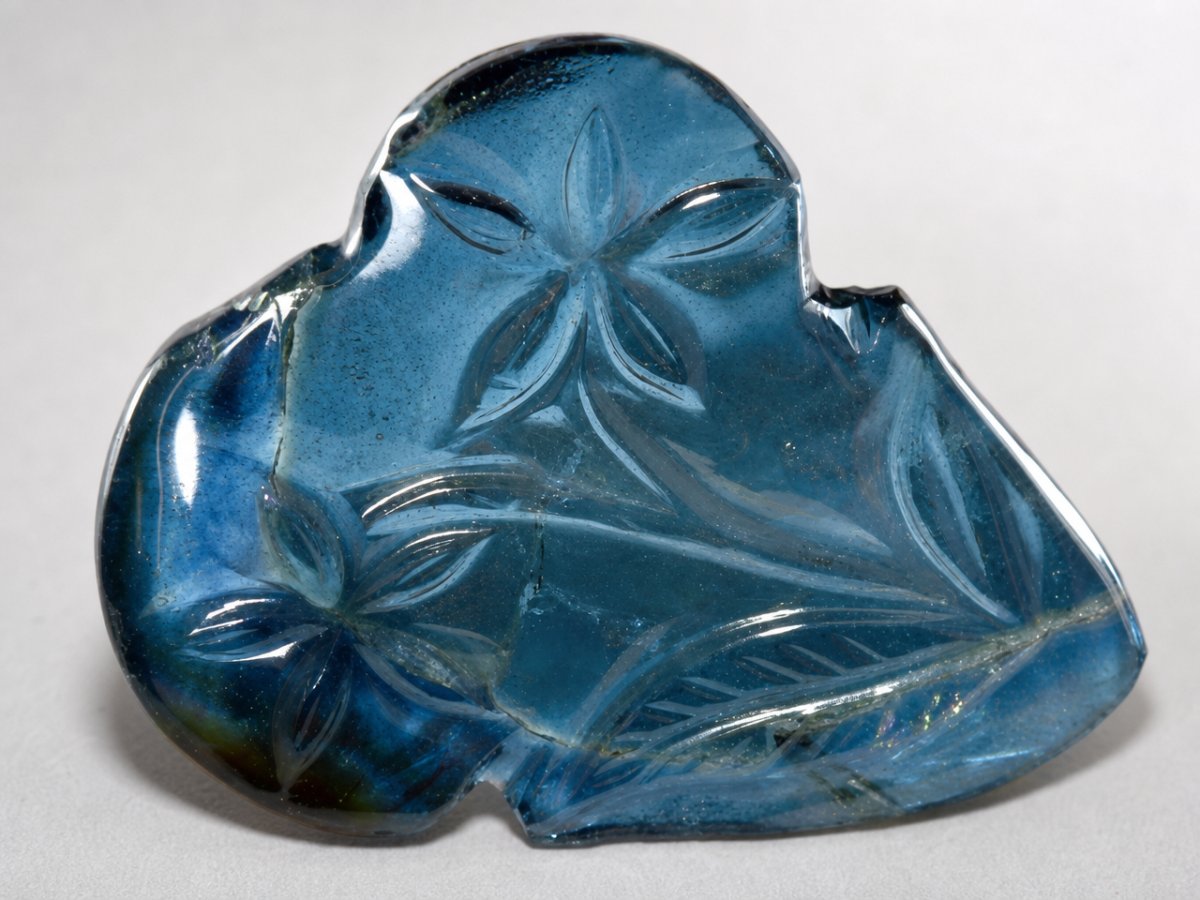


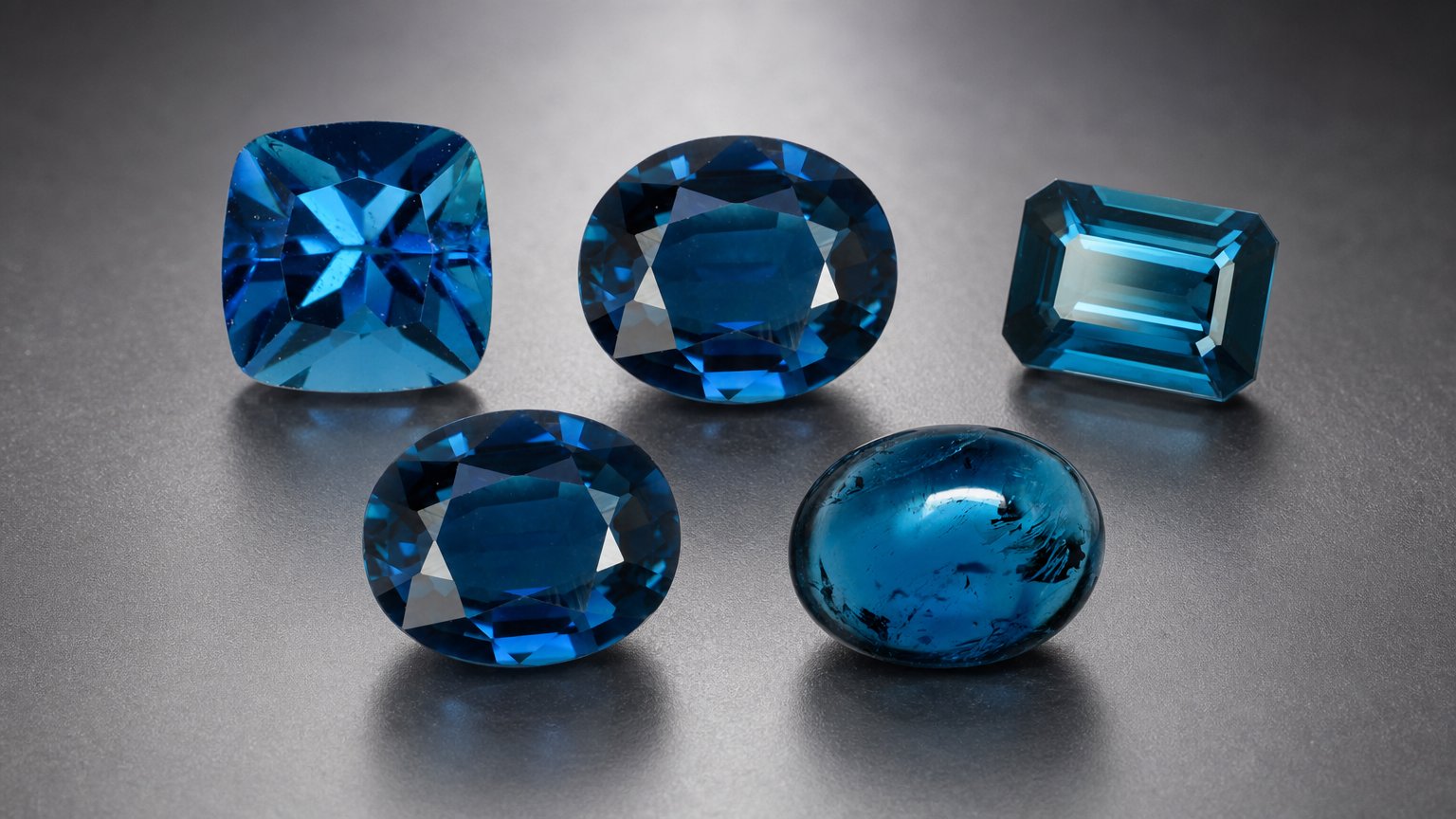
Blue tourmaline is the blue variety of tourmaline, most closely associated with the elbaite mineral species. Its appeal comes from a combination of rarity, color and meaning: blue has long been connected with calmness, clarity, depth and sincerity, while tourmaline as a gem family is admired for its remarkable range of colors.
As a meaning and history guide, this article focuses on what blue tourmaline has come to represent, how it fits into the wider tourmaline tradition and why it remains meaningful to collectors, gemstone enthusiasts and jewelry buyers today.
What Is Blue Tourmaline?
Blue tourmaline is a blue member of the tourmaline gemstone family. In gemological terms, it is associated with elbaite, the tourmaline species that includes many colorful gem varieties. Its defining feature is its blue color, which may be appreciated for its cool, refined and contemplative character.
The name is straightforward: "blue tourmaline" describes both the gemstone family and its color. Because tourmaline occurs in many hues, color names are especially useful for helping buyers and collectors distinguish one tourmaline variety from another.
Blue Tourmaline Meaning and Symbolism
Blue tourmaline is traditionally associated with calm thought, clear expression and emotional balance. These meanings are best understood as symbolic and cultural associations rather than scientific facts. They come partly from the general symbolism of blue, a color often linked with the sky, water, depth, trust and quiet reflection.
For many modern gemstone enthusiasts, blue tourmaline represents composure and honest communication. Its cool color makes it a natural symbolic choice for people who value thoughtful speech, personal insight and a sense of inner steadiness.
Because tourmaline is known as a gemstone family with many colors, blue tourmaline can also symbolize individuality. Within the broader tourmaline group, the blue variety stands apart for its more serene and introspective appearance.
Historical Background
The verified historical record for blue tourmaline as a distinct cultural object is more limited than for some ancient gemstones such as sapphire, emerald or garnet. For that reason, it is best not to attach unsupported ancient legends or royal histories to blue tourmaline specifically.
Its story is more closely tied to the broader appreciation of tourmaline as a colorful gemstone family and to modern gemstone discovery, collecting and jewelry design. Today, blue tourmaline is associated with important gemstone-producing regions including Brazil and Mozambique, with additional sources such as Namibia, Afghanistan, Madagascar, Nigeria and the United States contributing to the wider modern supply.
In the contemporary gem trade, these origins matter because they show how blue tourmaline belongs to an international gemstone story. It is not a gem defined by one single culture or one ancient source, but by its place within the global appreciation of colored gemstones.
Cultural Significance Today
Blue tourmaline's cultural importance today is largely modern and personal. Rather than being tied to a single ancient civilization or ceremonial tradition, it is most often chosen for its color symbolism and individual meaning.
People may select blue tourmaline to mark a personal milestone, to represent calm confidence or to express a preference for unusual blue gemstones. Its connection with tourmaline also gives it a place among gems appreciated by collectors who enjoy color variety and distinctive mineral families.
At GemSelect, blue tourmaline is often viewed by customers as a refined alternative within the blue gemstone category. Its meaning is not based on exaggerated legend, but on a combination of natural beauty, rarity within the tourmaline family and the enduring emotional associations of the color blue.
Blue Tourmaline as an October Birthstone
Tourmaline is associated with October, and blue tourmaline can be considered a meaningful October birthstone choice for those who prefer a cool blue gem. This birthstone connection gives blue tourmaline special personal significance for October birthdays, anniversary gifts and symbolic jewelry.
As an October birthstone option, blue tourmaline can represent individuality. While many people associate October with colorful or pink tourmaline, the blue variety offers a more serene interpretation of the same birthstone tradition.
Folklore, Belief and Modern Crystal Traditions
In modern crystal and gemstone traditions, blue stones are often associated with peace, communication and mental clarity. Blue tourmaline is sometimes interpreted through this same symbolic lens. These ideas should be understood as personal or spiritual beliefs, not proven medical or scientific effects.
For buyers who enjoy symbolic gemstones, blue tourmaline may serve as a reminder to speak thoughtfully, remain composed and seek clarity in decision-making. Its meaning is most valuable when treated as a personal symbol rather than as a guaranteed influence.
How Blue Tourmaline Is Viewed in Modern Jewelry Culture
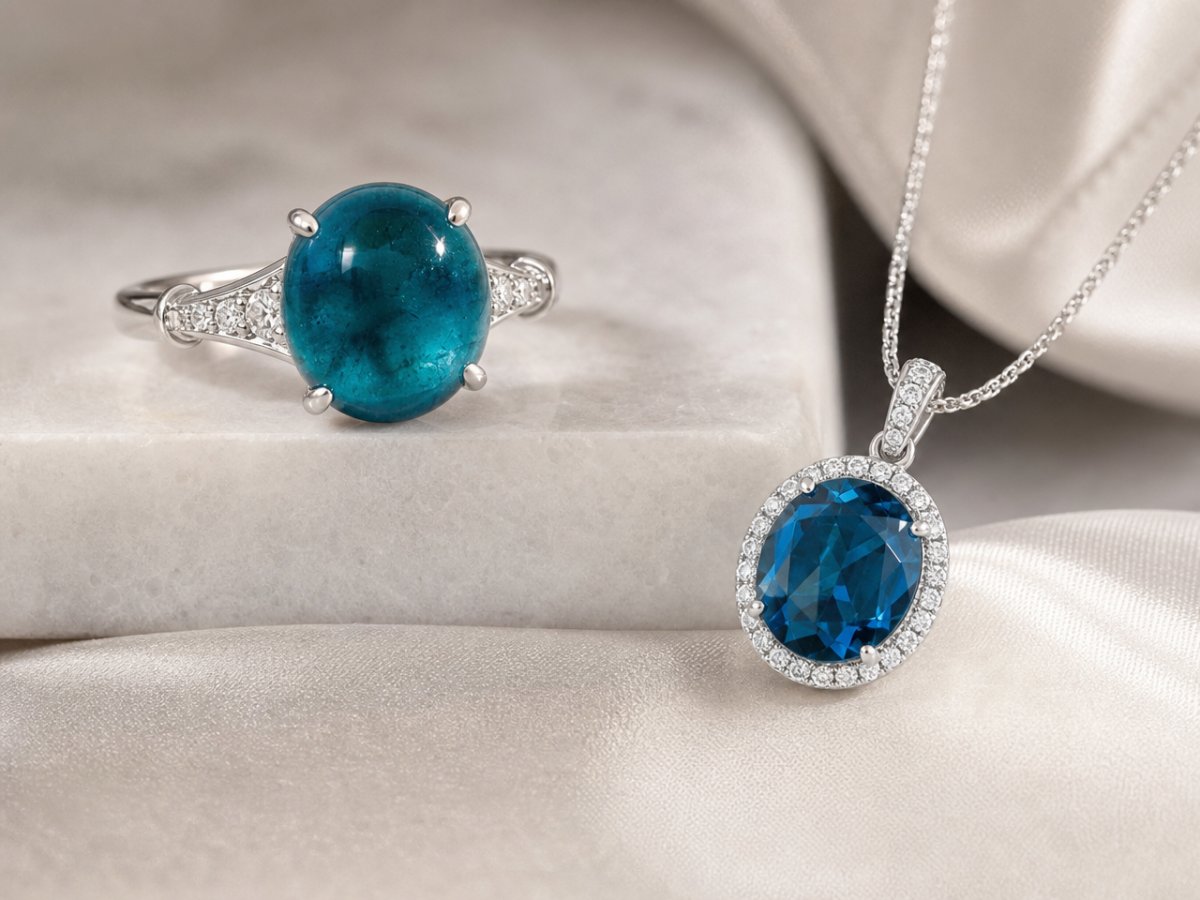
Although this is not a buying guide, the way blue tourmaline is used today helps explain its cultural meaning. It is commonly seen in rings, earrings, pendants and necklaces, where its color can communicate elegance, individuality and quiet confidence.
Blue gemstones often carry a formal and timeless feeling, but blue tourmaline adds a more distinctive character because it belongs to the colorful tourmaline family. This makes it meaningful for people who want a gemstone with both recognizable beauty and a less common identity.
Conclusion
Blue tourmaline is meaningful because of its calm blue color, its place within the diverse tourmaline family and its association with October. Its history is better understood through modern gem appreciation than ancient legend, and its symbolism is strongest when viewed as a tradition of color meaning, personal expression and individuality.
For gemstone enthusiasts, collectors and jewelry lovers, blue tourmaline offers a thoughtful balance of beauty and symbolism: serene in appearance, distinctive in identity and personally meaningful without relying on unsupported claims.