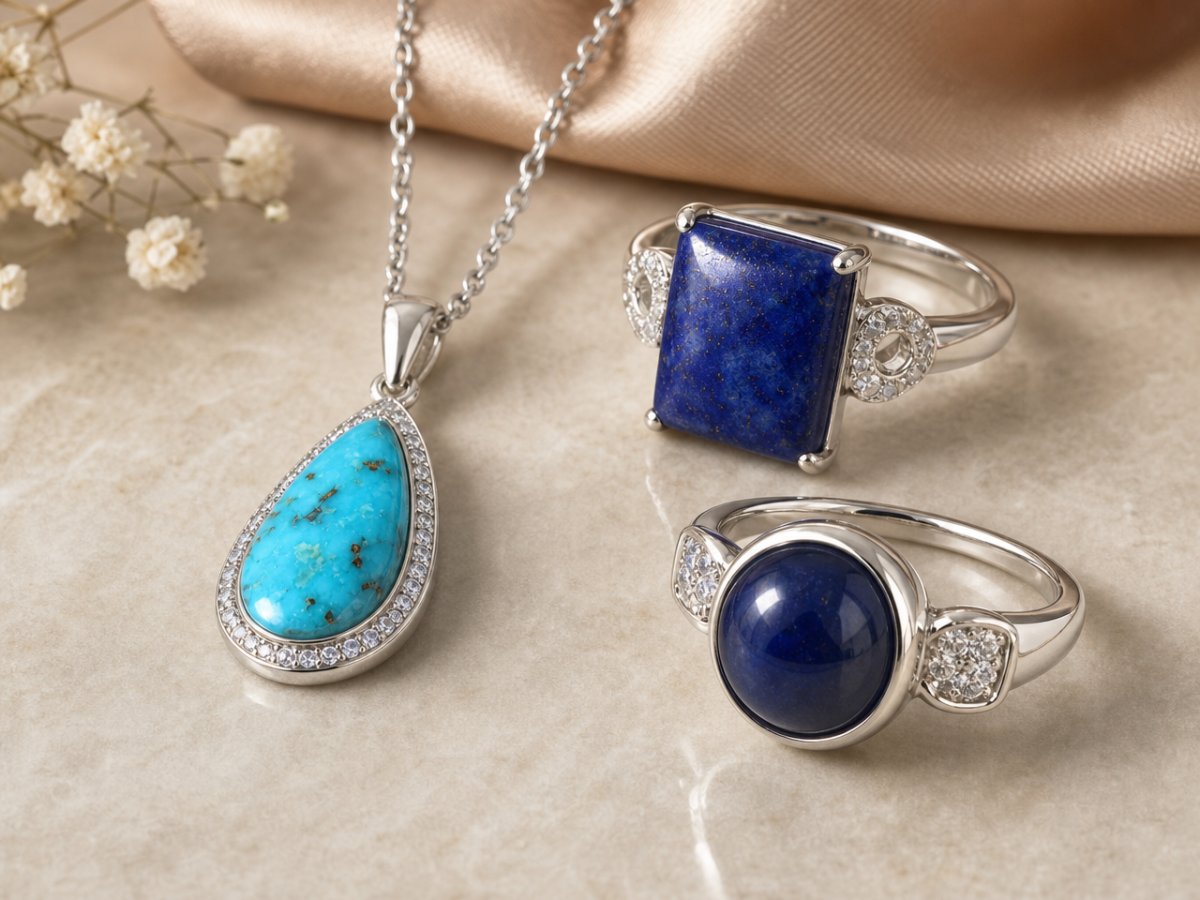


The best gemstones for artisan jewelry are not simply the rarest, hardest or most famous stones. For a metalsmith, independent jeweler or studio designer, the right loose gemstone is the one that works with the design, the setting method, the intended wear and the visual language of the piece.
Handmade jewelry gives the maker more freedom than mass production. A non-standard oval, a deep cabochon, an included crystal, a dramatic color zone or a slightly unusual size can become the reason a piece exists. At the same time, practical decisions still matter: a stone for an everyday ring must be chosen differently from a pendant focal, a cuff accent or a pair of earrings.
What Makes a Gemstone Useful for Artisan Jewelry?
Artisan jewelers often choose stones for character as much as perfection. Useful gemstones for handmade work tend to offer one or more of the following advantages:
- Distinctive color or pattern: Stones with strong color, color zoning, inclusions, adularescence, play-of-color or interesting transparency can give a design individuality.
- Interesting cuts and dimensions: Non-calibrated shapes, rose cuts, fantasy cuts, freeforms, long rectangles and unusual cabochons can be difficult for commercial mountings but ideal for custom settings.
- Appropriate durability: Durability depends on more than Mohs hardness. Toughness, cleavage, brittleness, treatments and setting protection all affect wearability.
- Design flexibility: Some stones are excellent focal gems, while others work better as accents, matched pairs or color groupings.
- Compatibility with metal and style: The same stone may look earthy in oxidized silver, architectural in white metal, or warm and refined in yellow gold.
Calibrated gemstones are valuable when a stone must fit a pre-made setting. In one-of-a-kind jewelry, however, non-calibrated stones can be an advantage because the bezel, prongs or frame can be built around the exact gem.
Before Choosing the Stone, Define the Job
A practical selection starts with the intended piece. A gemstone for a frequently worn ring needs more protection and durability than a gem for a pendant. Earrings can often use larger or more delicate stones because they are less exposed to impact. Bracelets and cuffs need special caution because they strike surfaces more often than most jewelry types.
Also decide whether the design is being made around the stone or the stone must fit an existing sketch, casting or setting. If the setting already exists, exact millimeter dimensions, depth and shape are critical. If the stone comes first, you can use unusual proportions creatively, especially in bezel settings, open-backed pendants, asymmetrical compositions and mixed-stone designs.
Reliable Choices for Everyday Wearable Designs
For rings, frequently worn pendants and jewelry that may see regular use, choose gemstones with a good balance of hardness, toughness and stability, and design the setting to suit the stone.
Sapphire
Sapphire is one of the most practical colored gemstones for artisan rings because corundum has excellent hardness and generally good toughness. Blue sapphire is classic, but artisan designers often use parti-color, yellow, green, pink, teal or color-change sapphire to move away from conventional fine-jewelry styling.
Small sapphires can be effective as durable accents, while a single non-standard sapphire can anchor a custom ring or pendant. Step cuts, ovals, cushions and freeform-like shapes can all influence the character of the setting. Because sapphire is durable but not indestructible, exposed corners and high settings still need thoughtful protection.
Spinel
Spinel is a strong option for clean, modern handmade jewelry. It occurs in a range of colors including red, pink, lavender, gray, blue and violet tones. Gray and lavender spinel are especially useful for designers who want subtle color rather than bright contrast.
Spinel is well suited to rings, earrings and pendants when properly set. Its crisp brilliance can pair beautifully with minimalist bezels, prong settings or geometric metalwork. For artisan work, spinel is useful when the design calls for a refined stone that is less expected than sapphire.
Garnet
Garnet is a broad gem family, not just a red stone. Rhodolite, spessartite, tsavorite, demantoid, hessonite, pyrope-almandine and color-change garnets each create very different design effects. Garnet can be excellent for rings, pendants and earrings, though the exact variety, cut and setting should be considered.
For artisan jewelry, garnet offers rich color density and many design moods: warm orange spessartite for bold metalwork, raspberry rhodolite for romantic pieces, green garnets for vivid contrast, and earthy hessonite for antique or organic designs. Faceted garnets often work well as focal stones or coordinated accent groups.
Topaz
Topaz offers bright color and good hardness, especially in blue, white, yellow, orange and pinkish tones. It can be useful in larger faceted stones where a designer wants presence without relying on the traditional precious-stone palette.
However, topaz has perfect cleavage, so it should be protected from sharp blows. It can work well in pendants, earrings and protected rings, but high exposed ring settings or designs with vulnerable corners should be approached carefully. Many blue topaz gems are treated, so treatment disclosure matters when buying.
Gemstones for Color-Focused Artisan Collections
When the main design goal is color, some gem families are especially useful because they provide a wide palette, distinctive tones or the ability to build coordinated groups.
Tourmaline
Tourmaline is one of the most versatile gemstones for color-driven artisan jewelry. It occurs in pink, green, blue-green, yellow, brown and multicolor varieties, and some stones show striking color zoning. This makes tourmaline particularly useful for one-of-a-kind pieces where the color story begins with the gem.
Long rectangular tourmalines can inspire linear ring or pendant designs, while bi-color and watermelon tourmaline can become the central design feature. Tourmaline is suitable for many jewelry types, but it should be protected in rings, especially if the stone is included or cut with vulnerable edges.
Beryl: Aquamarine, Morganite and Emerald
Beryl gives designers several very different color directions. Aquamarine is useful for pale blue, watery or architectural designs; morganite offers soft peach to pink tones; emerald brings strong green character but requires more care because it is often included and commonly treated.
Aquamarine and morganite can work well in rings, pendants and earrings with sensible setting choices. Emerald is best used where the design protects the stone, such as bezels, halos or lower-profile settings, especially for rings. For artisan jewelry, the appeal of beryl is often its clean color mood rather than dramatic fire.
Quartz Varieties
Quartz is a practical studio gemstone family because it includes amethyst, citrine, smoky quartz, rose quartz, rock crystal, prasiolite and included varieties such as rutilated quartz. These stones can support a wide range of design styles, from bold silver pendants to restrained gold rings.
Quartz is useful when size, unusual cuts or visual texture are important. Rutilated quartz and other included quartz gems can be especially effective in artisan work because the inclusions become part of the composition rather than a flaw to hide. Quartz is generally durable enough for many jewelry types, but large exposed stones can still be chipped by impact.
Zircon
Zircon is valued for strong brilliance and dispersion, especially in blue, white, honey, brown and greenish tones. It can bring lively sparkle to handmade pieces without using diamond as the visual reference point.
Because zircon can be brittle and facet edges may abrade with heavy wear, it is often best for earrings, pendants or protected ring settings. It is an excellent choice when a design needs brilliance in a colored stone, particularly as a focal gem in a piece that will not be treated roughly.
Cabochons, Organic Forms and Stones with Visual Texture
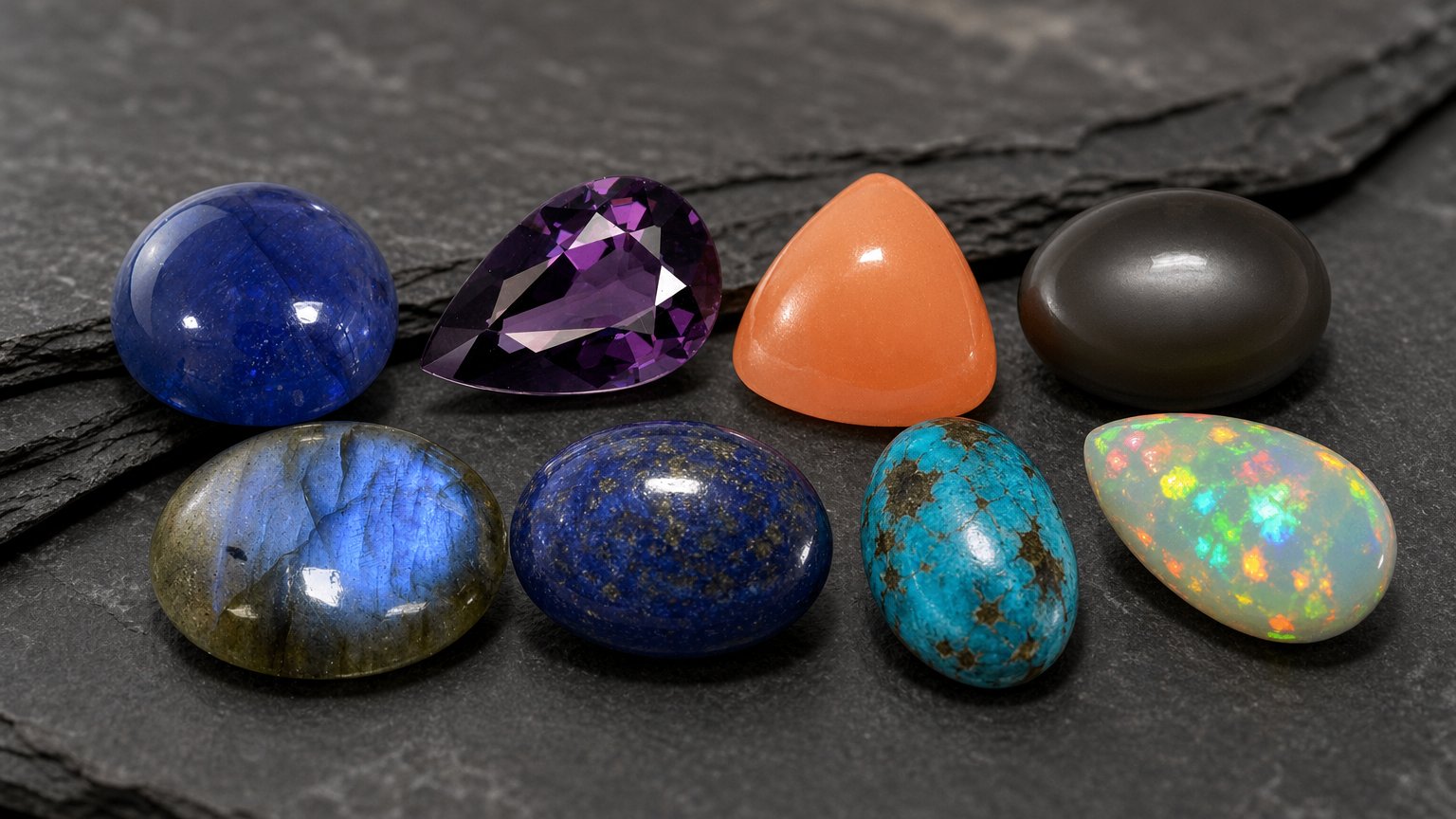
Cabochon-based jewelry is a natural fit for artisan work. A cabochon may show surface glow, internal pattern, color zoning or a softer outline that encourages hand-built settings.
Moonstone and Labradorite
Moonstone and labradorite, both feldspar gems, are popular in artisan settings because of their optical effects. Moonstone can show adularescence, a floating glow, while labradorite is known for labradorescence, flashes of color across the stone.
These gems are often most effective in pendants, earrings and protected rings. Feldspar has cleavage and is not as hard as sapphire or spinel, so low bezels and protective frames are helpful. Their visual effect also depends heavily on orientation, so choose the individual stone carefully rather than relying only on the gem name.
Opal
Opal can create a highly individual piece because each stone has its own play-of-color, body color and pattern. It is particularly compelling in pendants, brooches, earrings and occasional-wear rings where the setting protects the surface.
Opal requires more care than many faceted gems. It is softer, can be sensitive to dryness, heat and impact, and should not be placed in designs that will be exposed to hard daily wear. For the right piece, however, opal can be the complete design concept rather than just an accent.
Turquoise, Lapis Lazuli and Other Opaque Gems
Opaque colored stones such as turquoise and lapis lazuli are useful for sculptural metalwork, inlay-inspired designs, wide bezels and bold color blocking. They can give a handmade piece a strong graphic or earthy identity.
These gems are generally best used with protective settings and realistic wear expectations. Turquoise is often treated or stabilized, and lapis can vary in composition and appearance, so disclosure and care instructions are important for the finished piece.
Stones for Accents, Matching Pairs and Coordinated Layouts
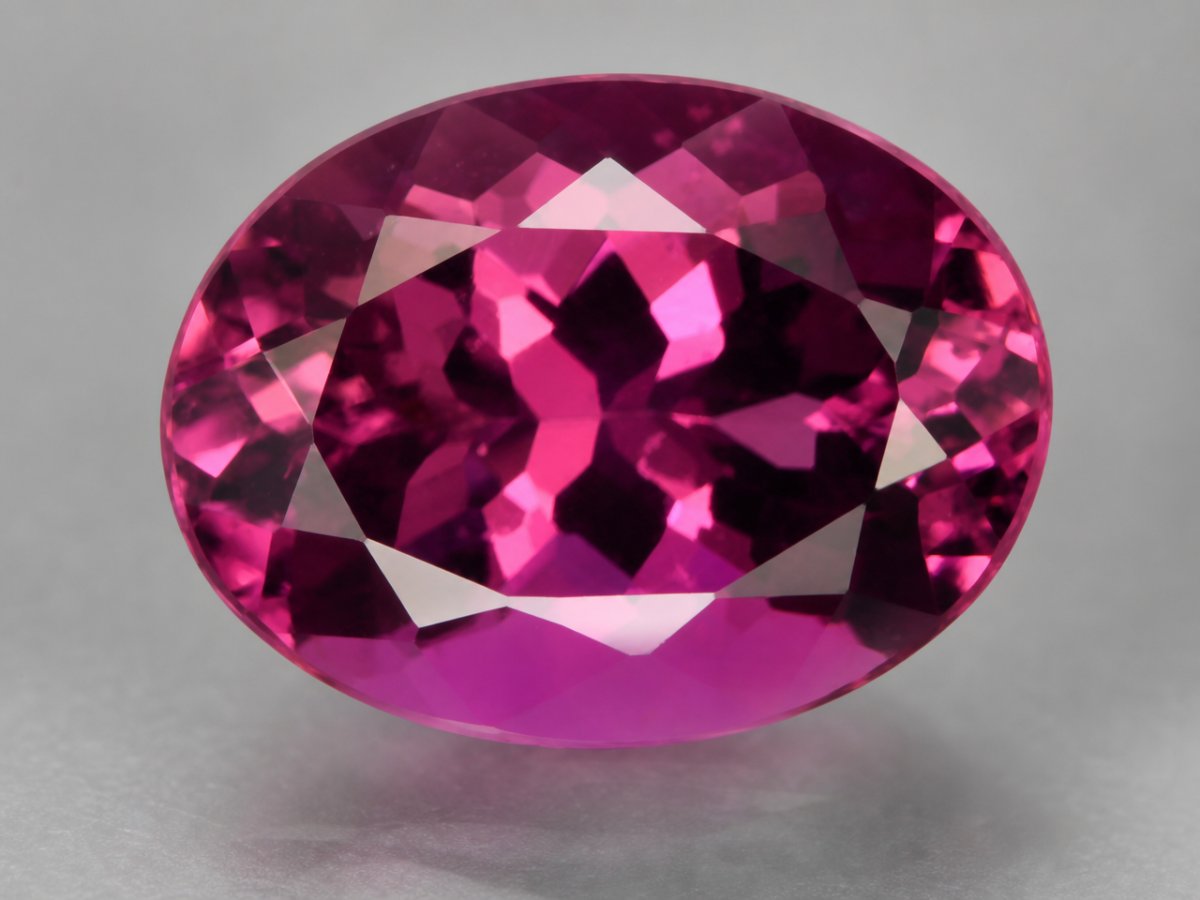
Artisan jewelry is not always built around one large focal stone. Many designs need matched pairs for earrings, side stones for rings, or a group of coordinated colors for clusters and graduated layouts.
Sapphire, spinel, garnet, zircon, topaz and quartz can all work well in smaller sizes depending on the design. Matching does not always mean identical; in handmade jewelry, a coordinated suite of related tones can look more intentional than perfectly uniform stones. For earrings, pay attention to face-up size, color and cut style as well as carat weight. Two stones of the same weight can look noticeably different if one is deeper or cut differently.
When a design requires commercial settings, calibrated sizes matter. When the metalwork is custom-built, you can choose stones by visual relationship first and adjust the setting to the gems. This is one reason a broad selection of individual loose stones is valuable: the maker can compare exact dimensions, shapes, colors and proportions before committing to the design.
Using Unusual Cuts and Non-Calibrated Stones
Unusual cuts are often where artisan jewelry separates itself from mass-produced work. Rose cuts, checkerboard cuts, briolettes, carved stones, freeforms, long baguette-like cuts and asymmetrical cabochons can all create a distinctive design problem to solve.
Before buying, consider how the stone will be secured. A freeform cabochon may be ideal for a bezel but difficult for prongs. A very deep pavilion may require a raised setting or open back. A sharp-cornered faceted stone may need protected corners. A drilled briolette or bead has different design requirements from a faceted stone intended for a seat.
Non-calibrated stones should be selected with exact measurements in mind. Length and width are not enough; depth, girdle thickness, crown height and pavilion shape can affect the setting, comfort and profile of the finished piece.
Color, Metal and Design Mood
There are no fixed rules for pairing colored gemstones with metals, but the metal will change how the color reads. Yellow gold can warm peach, orange, red and green stones, while white metals can emphasize cool blues, violets and crisp contrast. Rose gold can soften pale gems or add warmth to gray and lavender stones. Oxidized silver can make bright stones look more dramatic and can give included or opaque gems a stronger handmade character.
Consider contrast as well as harmony. A pale aquamarine in white metal may look quiet and refined; the same stone in yellow gold may become warmer and more noticeable. A deep garnet may look moody in oxidized silver and more formal in polished gold. The best choice depends on the whole composition, not the gem alone.
Durability Is a Design Decision
Mohs hardness is useful, but it only describes resistance to scratching. Jewelry makers should also consider toughness, cleavage, brittleness, treatments, stone shape and how exposed the gem will be. A softer or more delicate stone can still be excellent for earrings or a pendant, while a hard stone can still chip if it has sharp exposed corners.
For frequently worn rings, prioritize durable gems, lower profiles, protected corners and secure settings. For pendants and earrings, you have more freedom to use opal, moonstone, labradorite, turquoise or other stones that need gentler wear. Bracelets require special caution because they take impact from desks, doors and tools.
Buying Loose Gemstones for Artisan Work
When selecting loose stones for a handmade piece, review the actual stone rather than only the gemstone name. Look at the measurements, cut, depth, color distribution, clarity, treatment information and whether the stone is sold singly, as a pair or as a parcel. For custom work, the exact individual gem matters.
GemSelect is useful for this type of selection because artisan jewelers can compare individual loose gemstones by color, cut, shape, size and dimensions before designing the setting. This is especially helpful when searching for a focal stone, a matched pair, or a group of coordinated gems for a small studio collection.
Conclusion: The Best Gemstone Is the One That Serves the Design
There is no single best gemstone for artisan jewelry. Sapphire, spinel and garnet may be excellent for durable everyday pieces. Tourmaline, beryl, quartz and zircon can support strong color and distinctive faceted designs. Moonstone, labradorite, opal, turquoise and other cabochon materials can bring texture, glow and individuality when the setting and wear expectations are appropriate.
Choose the gemstone in relation to the piece you are making: how it will be worn, how it will be set, whether the stone or the design comes first, and what visual character you want the finished jewelry to express.