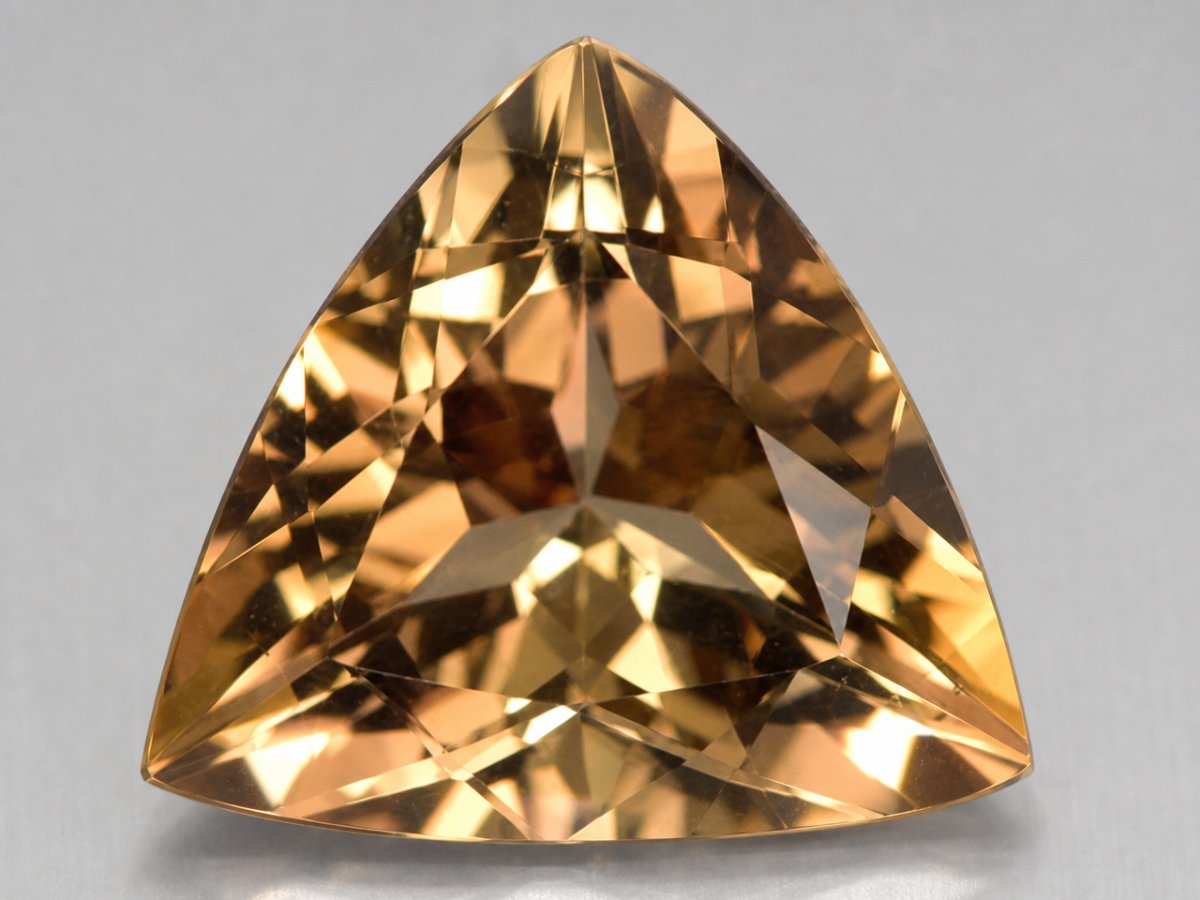


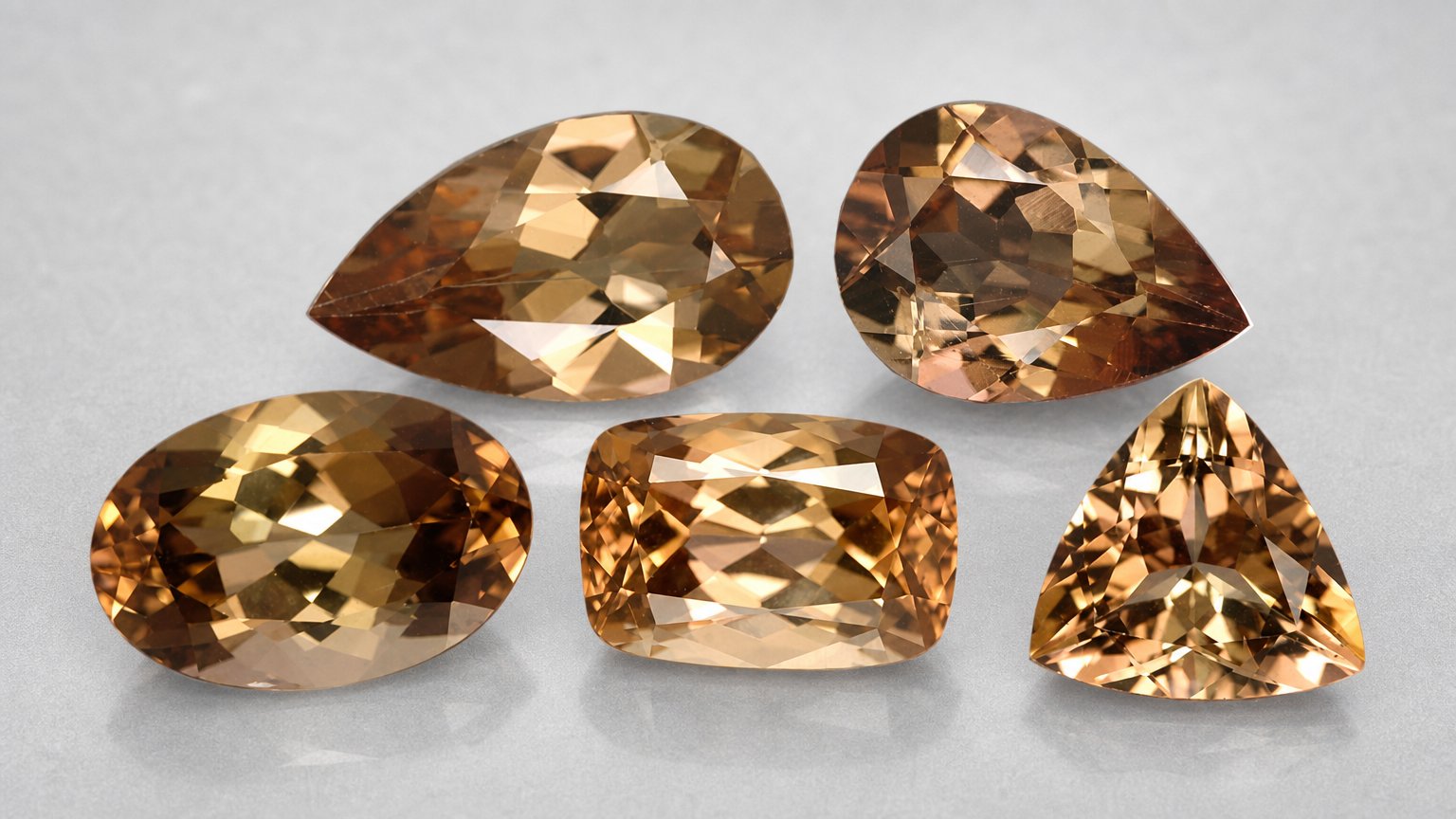
Axinite is a distinctive gemstone appreciated more for individuality and collector appeal than for ancient legend. Its most familiar colors are brown and champagne, with less common purple to violet examples adding to its interest. For gemstone enthusiasts, axinite's meaning today is closely connected with rarity, natural character and the appeal of owning a gem outside the mainstream.
Unlike gems such as sapphire, emerald or amethyst, axinite does not have a long, widely documented role in ancient religious, royal or ceremonial traditions. Its cultural significance is more modern: it belongs to the world of mineral discovery, gem collecting and jewelry design that values unusual natural materials. This makes axinite especially appealing to buyers who prefer gemstones with a quiet, personal story rather than a heavily mythologized one.
What Axinite Represents Today
In contemporary gemstone appreciation, axinite is often valued as a symbol of individuality. Its earthy brown and champagne tones give it a grounded, natural appearance, while purple and violet stones can feel more unusual and expressive. These meanings are best understood as modern interpretations rather than ancient traditions.
For collectors, axinite can represent curiosity and discernment. It is not a gemstone chosen simply because it is famous; it is chosen because the buyer recognizes something distinctive in its color, crystal identity and relative scarcity in the jewelry market. In this sense, axinite has become associated with personal taste, independence and appreciation for lesser-known gems.
Historical Context and Gemstone Identity
Axinite's history is primarily a mineralogical and collector history rather than a record of ancient ceremonial use. It is a borosilicate gemstone, and its identity is tied to the way gemology classifies minerals by composition, crystal structure and optical behavior. This scientific context is important because axinite's modern reputation developed through mineral collecting and gem cutting rather than through long-standing folklore.
Its triclinic crystal system and complex chemical composition place it among gemstones that attract informed collectors. While those details are technical, they help explain why axinite is often treated as a connoisseur's gem: it is appreciated by people who enjoy the natural variety of minerals, not only the best-known jewelry stones.
Color Meaning: Brown, Champagne, Purple and Violet Axinite
Axinite's color is central to how people experience its meaning. Brown axinite has an earthy, understated look that can suggest natural strength, restraint and warmth. Champagne-colored axinite has a softer and more refined appearance, often appealing to those who prefer subtle tones over bright color.
Purple and violet axinite are less common color expressions and tend to feel more distinctive. In modern jewelry and collecting, these tones can give axinite a more individual and expressive character. These associations come from visual impression and modern taste, not from a documented ancient symbolic system.
Origins and Cultural Geography
Axinite is known from several important gemstone sources. Madagascar and Pakistan are especially significant origins, with additional material associated with Tanzania, the United States, Mexico and Russia. For many modern collectors, origin contributes to a gemstone's story because it connects the finished stone to a specific geological setting and mining region.
It is important not to confuse geographic origin with cultural symbolism. A gemstone being found in a country does not automatically mean it held traditional cultural or ceremonial importance there. With axinite, the known origins are best understood as part of its geological and collecting history rather than evidence of ancient ritual use.
Folklore, Symbolism and Modern Crystal Traditions
Axinite does not have the extensive classical folklore associated with some older jewelry gems. Where symbolic meanings are attached to axinite today, they are usually modern and personal rather than historically established. Some people choose axinite because its natural colors feel calm, earthy or unusual; others value it because it is typically encountered as an untreated gemstone.
Any spiritual or metaphysical associations with axinite should be viewed as belief-based traditions, not scientific facts. GemSelect presents axinite first as a natural gemstone with distinctive beauty, origin and mineral identity. Buyers who enjoy symbolic meaning can still attach personal significance to the stone, but its strongest documented appeal is its rarity and individuality.
Axinite in Modern Gem Culture
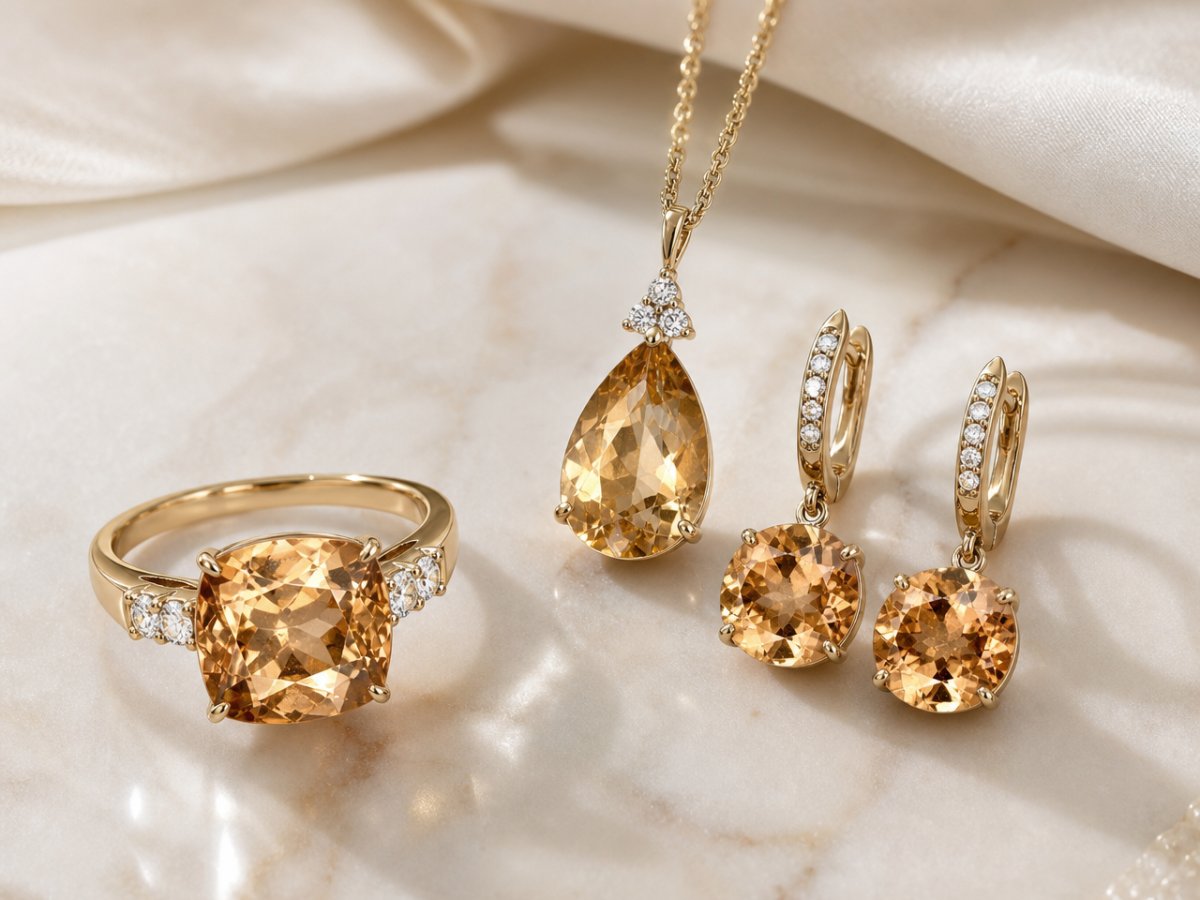
In modern gem culture, axinite occupies a niche between collector mineral and wearable gemstone. It may be cut into faceted gems, including oval, cushion, pear, round or octagonal forms, and can appear in rings, earrings, pendants and necklaces. These uses show how axinite has moved from mineral interest into personal adornment, especially for people who enjoy uncommon gemstones.
Because axinite is generally selected by knowledgeable buyers, it often carries a more personal meaning than mass-market gems. It can mark a preference for natural materials, unusual color and quiet sophistication. For designers, it offers a way to create jewelry with a story that is not based on traditional birthstone status or famous historical legend.
Is Axinite a Birthstone, Zodiac Stone or Anniversary Gem?
Axinite is not widely recognized as a traditional birthstone, modern birthstone, zodiac stone or anniversary gemstone. That does not reduce its personal significance. Many people choose gemstones for reasons beyond formal calendars: color, origin, rarity, natural character or a personal connection to the stone.
For someone seeking a nontraditional gemstone with individual meaning, axinite can be a thoughtful choice. Its symbolism is strongest when it is treated as a personal gem rather than a stone defined by established ceremonial systems.
Conclusion
Axinite's meaning is rooted in individuality, rarity and natural character rather than ancient myth. Its brown and champagne colors give it an earthy elegance, while purple and violet examples offer a more unusual expression. With notable origins including Madagascar and Pakistan, and additional sources such as Tanzania, the United States, Mexico and Russia, axinite has a modern story shaped by geology, collecting and personal taste.
For buyers and gemstone enthusiasts, axinite is best understood as a connoisseur's gemstone: understated, distinctive and meaningful because it stands apart from more familiar choices.