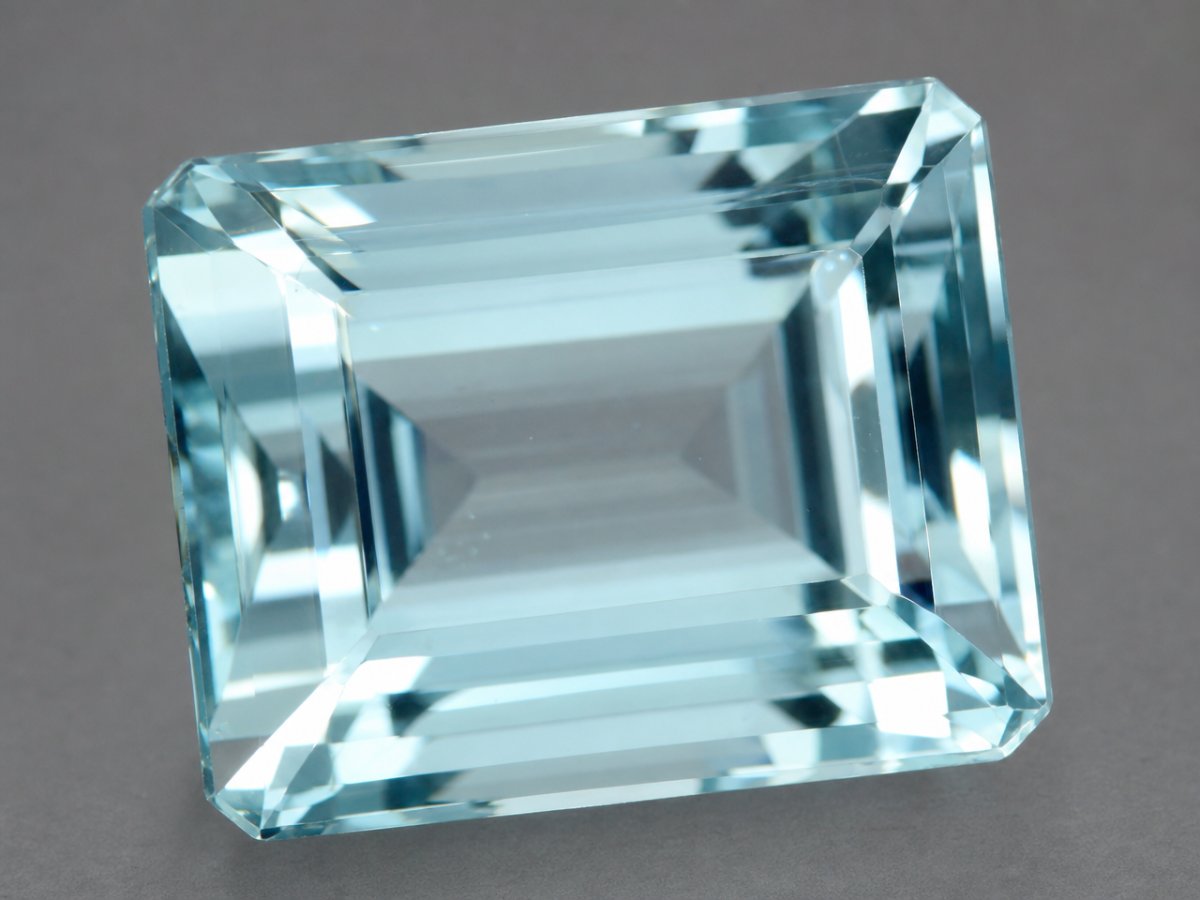


Aquamarine is a classic blue to green-blue gemstone chosen for elegant jewelry, March birthstone gifts and refined custom designs. For buyers, its appeal comes from a useful combination of beauty, recognizable identity and good durability. It is hard enough for many everyday jewelry styles, available in a wide range of shapes, and often cut to show a clean, bright appearance.
This buying guide explains the key factors to consider before purchasing aquamarine: color, cut, clarity, carat size, treatment disclosure, origin, durability and jewelry use. Whether you are choosing a center stone for a ring, a pendant gem, matching earrings or a necklace design, understanding these points will help you compare stones more confidently and select the aquamarine that best fits your style and budget.
What Is Aquamarine?
Aquamarine is a variety of the mineral species beryl. Its chemical formula is Be₃Al₂Si₆O₁₈, and it forms in the hexagonal crystal system. Beryl is an important gem family, and aquamarine is valued for its blue and greenish tones, which give the gem its fresh, watery character.
From a buyer’s perspective, aquamarine is appreciated because it can look sophisticated in both modern and traditional jewelry. It suits simple solitaire settings, clean geometric designs, and more decorative pieces. It is especially popular for pendants and rings, and it is also well suited to earrings and necklaces.
Aquamarine Color and Appearance
Color is usually the first feature buyers notice in aquamarine. The known color range includes blue and green. Some stones have a stronger blue appearance, while others show a noticeable green component. Neither preference is automatically right or wrong; the best choice depends on the look you want and how the stone will be used in jewelry.
Blue Aquamarine
Blue is the most closely associated color for aquamarine and is often the shade many buyers have in mind when they begin shopping. When comparing blue aquamarines, look at the overall balance of tone and saturation. Tone describes how light or dark the gem appears, while saturation describes the strength or vividness of the color. A stone with attractive color should look pleasing in normal viewing conditions, not only under strong display lighting.
Green Aquamarine
Green is also part of aquamarine’s recognized color range. Greenish aquamarines can have a distinctive, natural-looking character and may appeal to buyers who prefer softer or more unusual color. If you are comparing green and blue stones, view them side by side against a neutral background. This makes it easier to judge the hue and see which color works best for the intended jewelry design.
How to Judge Aquamarine Color When Buying
When buying aquamarine online or in person, consider three practical color questions. First, does the color look attractive to you in the listed photos or in normal lighting? Second, is the color evenly distributed across the face of the gem? Third, does the stone’s cut support the color, or do some areas look overly dark or washed out? Since photos can vary with lighting and screen settings, buy from a seller that provides clear images and accurate gem descriptions.
Cut Styles and Popular Shapes
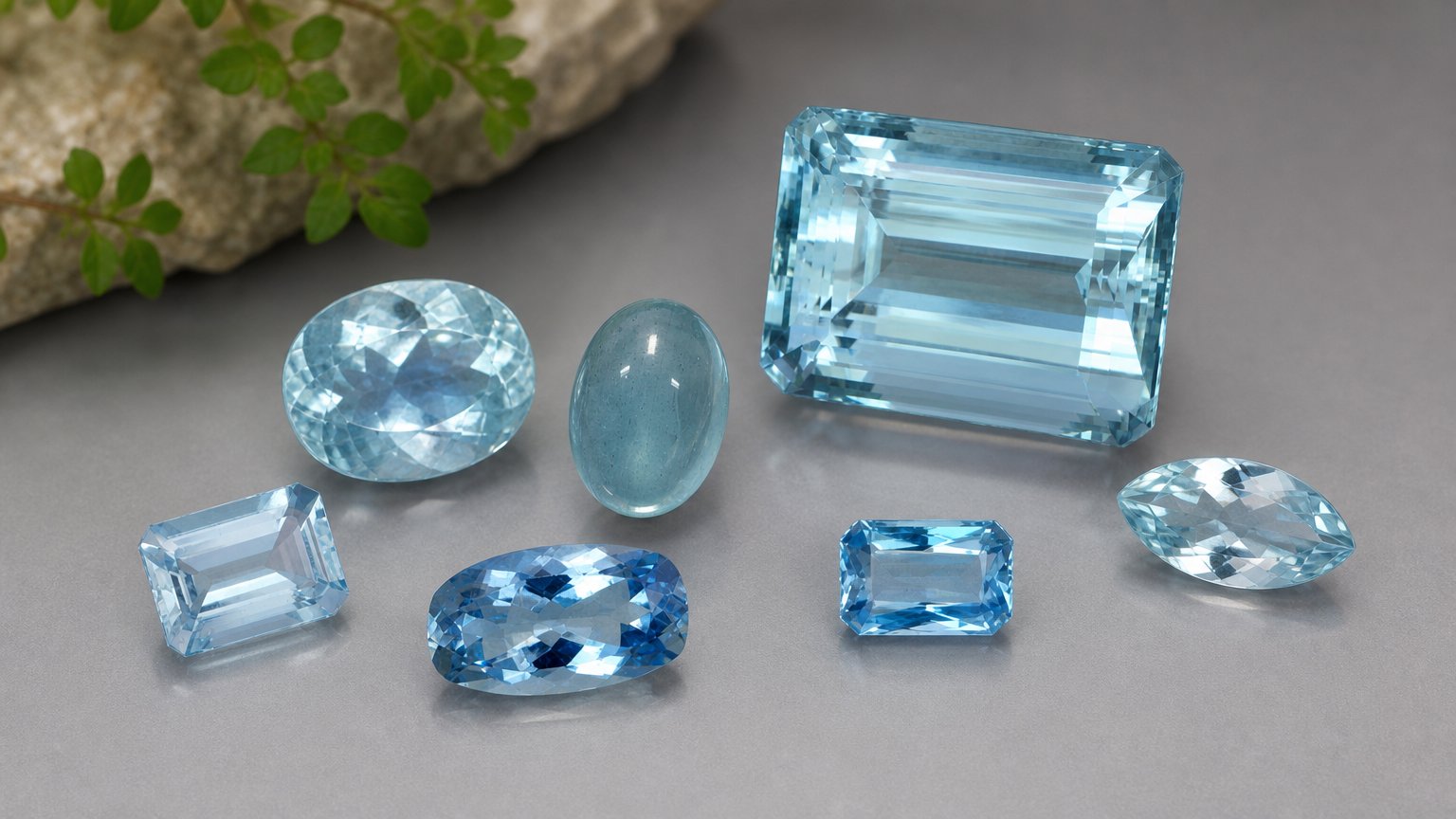
Aquamarine is commonly faceted, which means the gem is cut with flat polished surfaces designed to reflect light. Faceted aquamarines are popular because they can show brightness, symmetry and crisp outlines. Cabochon aquamarines are also available. A cabochon has a smooth, domed surface rather than facets, giving it a softer, more understated appearance.
Common aquamarine shapes include octagon, oval and round. These shapes are especially practical for jewelry because they are familiar to jewelers and easy to set in many designs. Cushion and pear shapes are also seen and can be excellent choices when you want a distinctive outline.
Octagon Aquamarine
Octagon shapes are a strong choice for buyers who like clean geometry. The straight sides and cut corners create a structured look that works well in rings and pendants. In faceted aquamarine, an octagon shape can give the stone a refined, architectural style.
Oval and Round Aquamarine
Oval aquamarines are versatile and often look graceful in rings, pendants and earrings. Their elongated outline can make a design appear elegant without being too formal. Round aquamarines are classic and easy to match in pairs or groups, making them useful for earrings and balanced necklace designs.
Cushion and Pear Aquamarine
Cushion aquamarines combine softened corners with a pleasing shape that suits both vintage-inspired and contemporary settings. Pear-shaped aquamarines can be eye-catching in pendants and earrings, where the tapered point adds movement and direction to the design.
Clarity and Transparency
Clarity refers to the presence or absence of internal features and surface characteristics. In gem buying, clarity should be judged in a practical way: look at whether any inclusions or marks are visible to the unaided eye and whether they affect beauty or durability. A transparent aquamarine with a clean face-up appearance is generally desirable for faceted jewelry.
For a ring center stone, visible inclusions may be more noticeable because the gem is often viewed closely. For earrings or a pendant, minor internal features may be less obvious when worn. The best value is not always the most technically perfect stone; it is the stone that offers the best combination of beauty, size, cut and price for your purpose.
Gemological Properties Buyers Should Know
Aquamarine has several gemological properties that are useful when evaluating it for jewelry. Its Mohs hardness is 7.5 to 8, which places it in a durable range for many jewelry applications. Its refractive index is 1.577 to 1.583, a measurement related to how light bends as it passes through the gemstone. Its specific gravity is 2.72, which is a measurement of density relative to water.
These properties are mainly used by gemologists for identification and assessment, but they also help buyers understand why aquamarine is a practical jewelry stone. A gem with suitable hardness and a well-executed cut can perform well in designs that are worn regularly, provided it is treated with reasonable care.
Durability and Everyday Wear
Durability is one of aquamarine’s strengths. With a hardness of 7.5 to 8 on the Mohs scale, aquamarine has good resistance to scratching compared with many softer gems. This makes it suitable for rings, pendants, earrings and necklaces. However, hardness is not the same as toughness. Any gemstone can be damaged by a hard knock, pressure against a sharp edge or careless storage.
For aquamarine rings, especially those worn often, choose a protective setting if the stone has exposed corners or a high profile. Octagon and pear shapes may benefit from settings that protect corners and points. For pendants and earrings, aquamarine generally faces less impact than in rings, so buyers have more freedom to choose larger sizes or more open settings.
Aquamarine Treatments
Aquamarine may be untreated, and untreated stones are an important option for buyers who prefer gems with no treatment disclosure. Heat treatment is also associated with aquamarine. When buying, the key point is transparency: the seller should clearly state whether a stone is untreated or heat treated when this information is available.
Treatment disclosure matters because it helps you compare stones fairly. If two aquamarines look similar but have different treatment status, some buyers may value the untreated stone more highly, while others may be satisfied with a treated gem if the appearance and price are right. There is no single best choice for every buyer; the important thing is that the description is clear.
Origins: Brazil, Madagascar, Mozambique and Nigeria
Aquamarine is associated with several important origins, including Brazil, Madagascar, Mozambique and Nigeria. Brazil is especially well known in the aquamarine trade, while Madagascar and Mozambique are also significant sources. Nigerian aquamarine may also be encountered.
Origin can be interesting for collectors and buyers who enjoy the story behind a gem, but it should not be the only buying factor. Color, cut, clarity, size, treatment status and overall beauty are usually more important for most jewelry purchases. If origin is important to you, look for clear documentation or seller information, but avoid paying a premium based only on an origin claim without considering the actual quality of the stone.
Best Jewelry Uses for Aquamarine
Aquamarine is a versatile jewelry gemstone. Its hardness and attractive blue to green appearance make it suitable for several popular jewelry categories.
Aquamarine Pendants
Pendants are one of the best ways to enjoy aquamarine. A pendant protects the gem from many of the impacts that rings experience, making it a practical choice for larger stones or more delicate designs. Oval, pear, cushion and octagon aquamarines can all work beautifully in pendant settings.
Aquamarine Rings
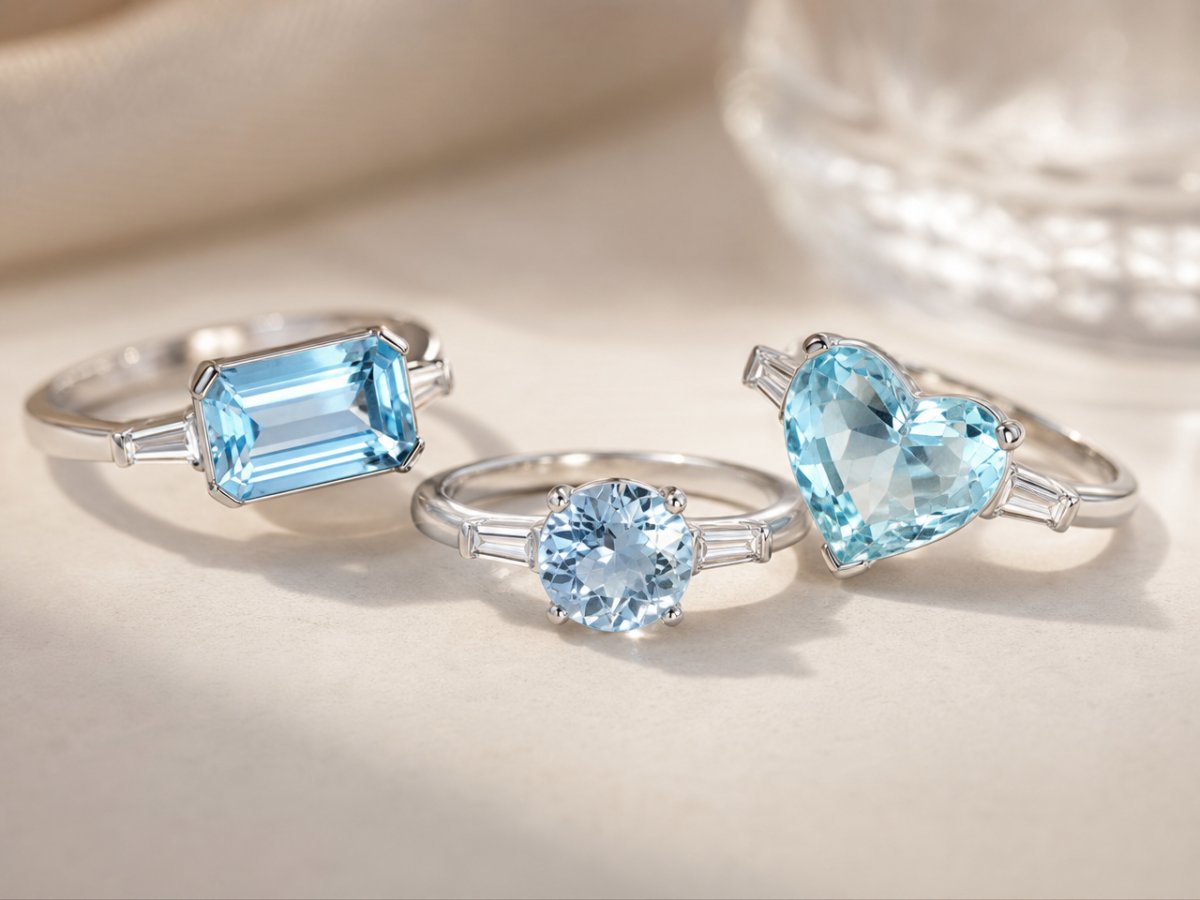
Aquamarine rings are popular for birthstone jewelry, statement rings and elegant everyday designs. When choosing an aquamarine for a ring, pay close attention to cut quality, visible inclusions and setting protection. A well-proportioned stone in a secure setting will be more satisfying over time than a gem selected only for size.
Aquamarine Earrings and Necklaces
Earrings are a good choice for buyers who want matching aquamarines. Round and oval shapes are especially useful when matching pairs, while pear shapes can create a graceful drop earring style. Aquamarine necklaces can range from simple single-stone designs to more elaborate layouts using multiple gems.
How to Buy Aquamarine: Practical Checklist
1. Decide on Color Preference First
Start by deciding whether you prefer a blue aquamarine, a greener aquamarine or a balanced blue-green appearance. Color preference will guide the rest of your search and help you compare stones more efficiently.
2. Choose the Right Shape for the Jewelry Design
If you are designing a ring or pendant, octagon, oval and round aquamarines are reliable choices. Cushion and pear shapes offer more individuality. Consider how the outline will fit the setting and whether corners or points need extra protection.
3. Inspect Cut Quality
A good cut should make the stone look lively and balanced. Check whether the gem has pleasing symmetry, an attractive outline and an even face-up appearance. Avoid choosing solely by carat weight; a well-cut smaller stone can be more beautiful than a larger stone with a poor appearance.
4. Consider Clarity in Context
For a ring center stone, prioritize a clean appearance because the stone will be viewed closely. For earrings or pendants, slight internal features may be acceptable if the gem still looks attractive when worn. Always judge clarity together with color and cut.
5. Review Treatment Disclosure
Look for clear treatment information. Aquamarine may be untreated or heat treated, and both can be suitable depending on your preferences. If treatment status is important to you, make it a priority before purchase.
6. Think About Durability and Setting
Aquamarine’s 7.5 to 8 Mohs hardness makes it practical for many jewelry uses, but rings still need thoughtful settings. Protective prongs, bezels or designs that reduce exposure can help keep the gem safer during wear.
7. Buy from a Seller with Clear Information
When purchasing aquamarine, choose a seller that provides accurate descriptions, clear photos and important details such as dimensions, weight, cut style and treatment status. GemSelect lists individual gemstones so buyers can compare actual stones rather than relying only on general category descriptions.
Aquamarine as a March Birthstone
Aquamarine is associated with March, making it a meaningful choice for March birthstone jewelry. Its blue and green color range gives buyers flexibility, from understated everyday pieces to more formal jewelry gifts. Rings and pendants are especially popular for birthstone designs, while earrings and necklaces are excellent options for coordinated sets.
Care and Cleaning Tips
For routine care, handle aquamarine as you would other fine gemstones. Store it separately from harder materials to reduce the risk of scratches. Clean it gently, avoid harsh handling, and remove aquamarine rings before activities that could expose the stone to impact. Careful storage and sensible wear habits help preserve the polish and appearance of the gem.
Conclusion
Aquamarine is a refined and practical gemstone for buyers who want blue to green color, good durability and broad jewelry versatility. The most important buying factors are color, cut, clarity, treatment status and suitability for the intended design. Brazil is a key origin, with Madagascar, Mozambique and Nigeria also associated with aquamarine, but origin should be considered alongside the visible quality of the gem.
For most buyers, the best aquamarine is the one that looks beautiful in real viewing conditions, is properly described, and fits the jewelry purpose. By comparing stones carefully and paying attention to treatment disclosure and setting choice, you can buy aquamarine with confidence.