


History of Birthstones
Birthstones are gemstones associated with months of the year, but the familiar custom of wearing one stone for your birth month is relatively modern. Earlier traditions connected groups of gems with religious symbolism, astrology and seasonal use rather than a single permanent personal birth gem.
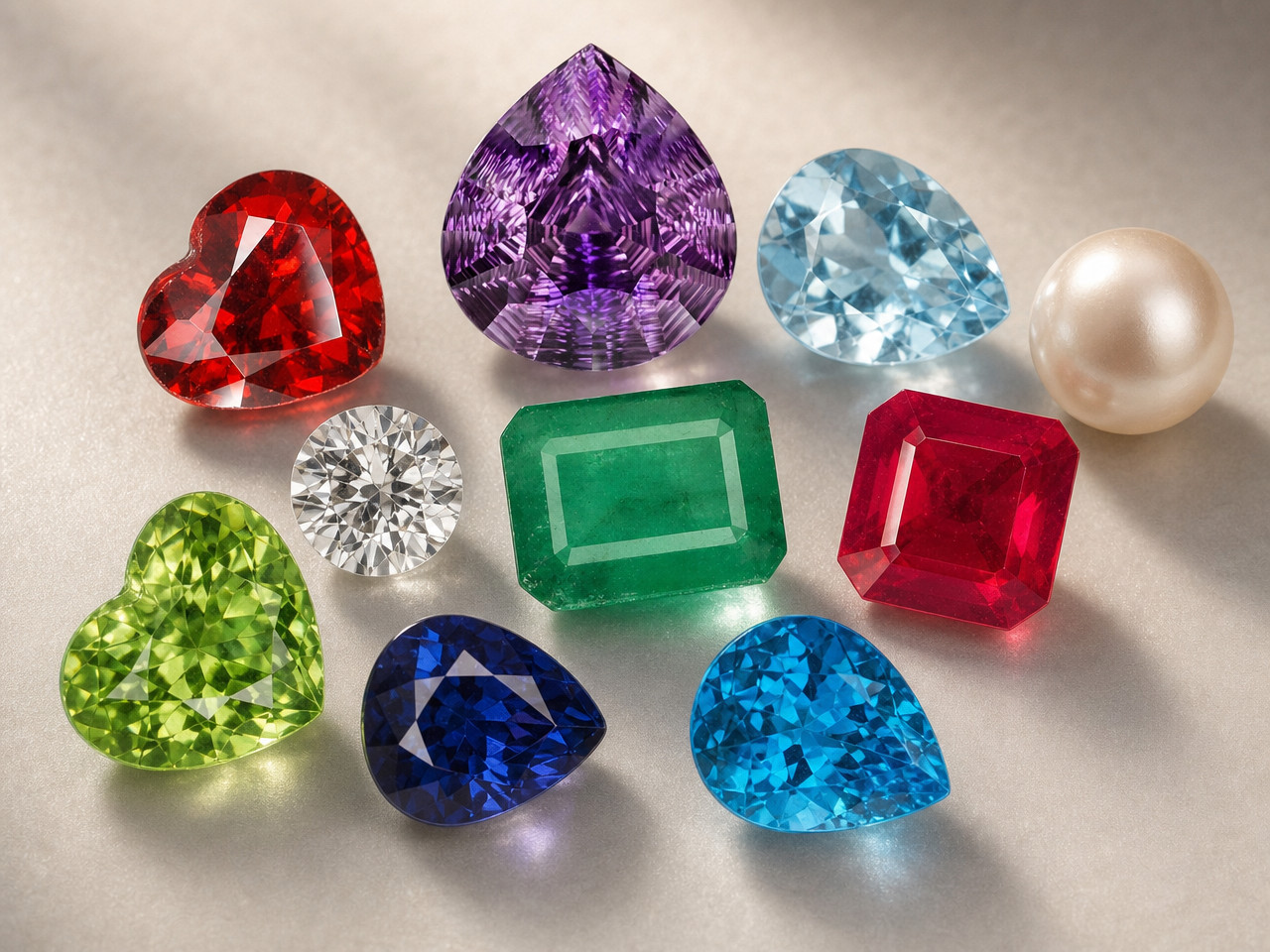
Ancient sources: twelve stones and symbolic lists
One commonly cited origin of birthstone tradition is the Breastplate of Aaron described in the Book of Exodus. This ceremonial garment was set with twelve gemstones representing the twelve tribes of Israel. Traditional English renderings list the stones in four rows: sardius, topaz and carbuncle; emerald, sapphire and diamond; ligure, agate and amethyst; and beryl, onyx and jasper.
These ancient names should be read with care. Historical gemstone names do not always correspond neatly to modern mineral species and varieties, and translations vary. For example, a name used in an ancient text may describe color, appearance or locality rather than the precise gem material meant by the same word today.
From biblical stones to zodiac gemstones
Writers including Flavius Josephus in the 1st century AD and St. Jerome in the 5th century AD helped connect the twelve stones of the Breastplate with the twelve signs of the zodiac. This association contributed to the idea that particular gemstones could be worn as talismans during certain astrological periods.
That older astrological framework differs from the way birthstones are usually understood today. Instead of always wearing the gemstone assigned to one’s birth month, a person might have used a set of twelve stones and worn the one linked with the zodiac sign then in effect. Such beliefs are part of religious, cultural and astrological history, not established gemological science.
A comparable structure can be seen in the Vedic astrological tradition of India, where nine gemstones are associated with nine planets and may be recommended by astrologers. For current monthly selections, see birthstones by month.
The modern monthly birthstone custom
The idea that each person should wear a gemstone corresponding to the month of their birth is commonly traced to 18th-century Poland, particularly with the influence of Jewish gem traders in the region. The widely recognized American standard was adopted in 1912 by the National Association of Jewelers, now Jewelers of America.
This 1912 list helped standardize a tradition that had previously varied by region, religion and source. Modern birthstone lists are therefore cultural and commercial standards rather than scientific classifications. Some months have more than one accepted birthstone, giving buyers choices in color, durability, availability and budget.
Tanzanite and recent birthstone marketing
December already had established birthstones, including turquoise and zircon, when the American Gem Trade Association announced in 2002 that tanzanite had been added as a December birthstone. Jewelers of America supported the addition, showing how modern birthstone lists can reflect trade decisions as well as older symbolic traditions.
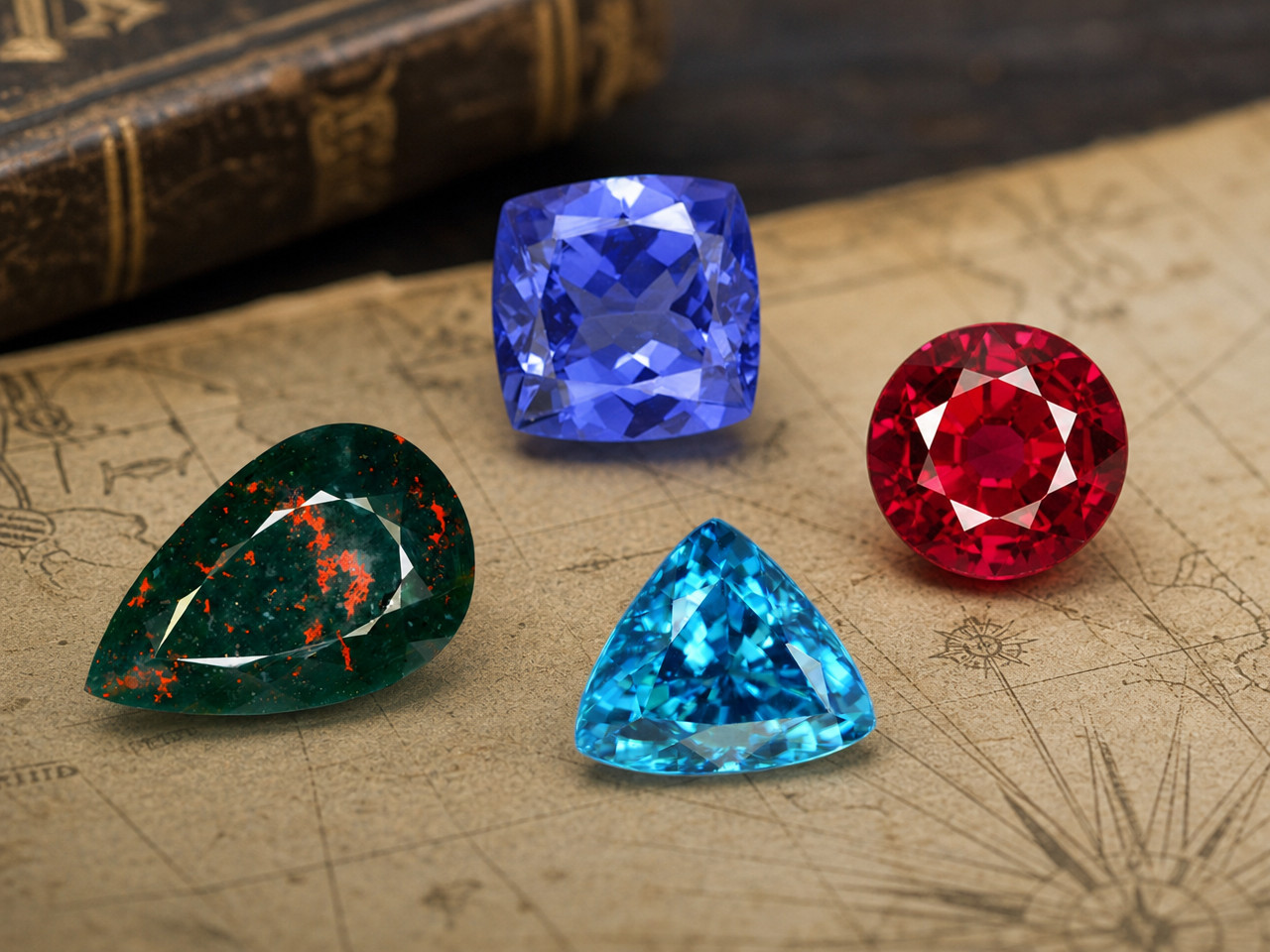
Tanzanite is now widely recognized as a modern December birthstone, but its place in the list is a recent development rather than an ancient tradition.
In 2006, TanzaniteOne Ltd. promoted a campaign to make tanzanite a gift for the birth of any child, regardless of month, using the slogan “Be Born to Tanzanite.” The campaign connected tanzanite with Maasai birth customs in marketing terms. In the broader history of birthstones, it illustrates how contemporary associations can be shaped by branding and gem trade promotion.
What birthstone history means for buyers today
- Ancient gemstone names are often uncertain. Historical lists are important culturally, but they do not always identify the exact gems recognized by modern gemology.
- Birthstone lists are traditions, not mineral classifications. A birthstone month can include several gem species or varieties.
- Multiple birthstones for one month are normal. Modern lists often include alternatives to suit different colors, styles and practical needs.
- Quality still matters. When choosing a birthstone, consider the individual gem’s color, cut, clarity, size, durability, treatment disclosure and suitability for the intended jewelry design.
