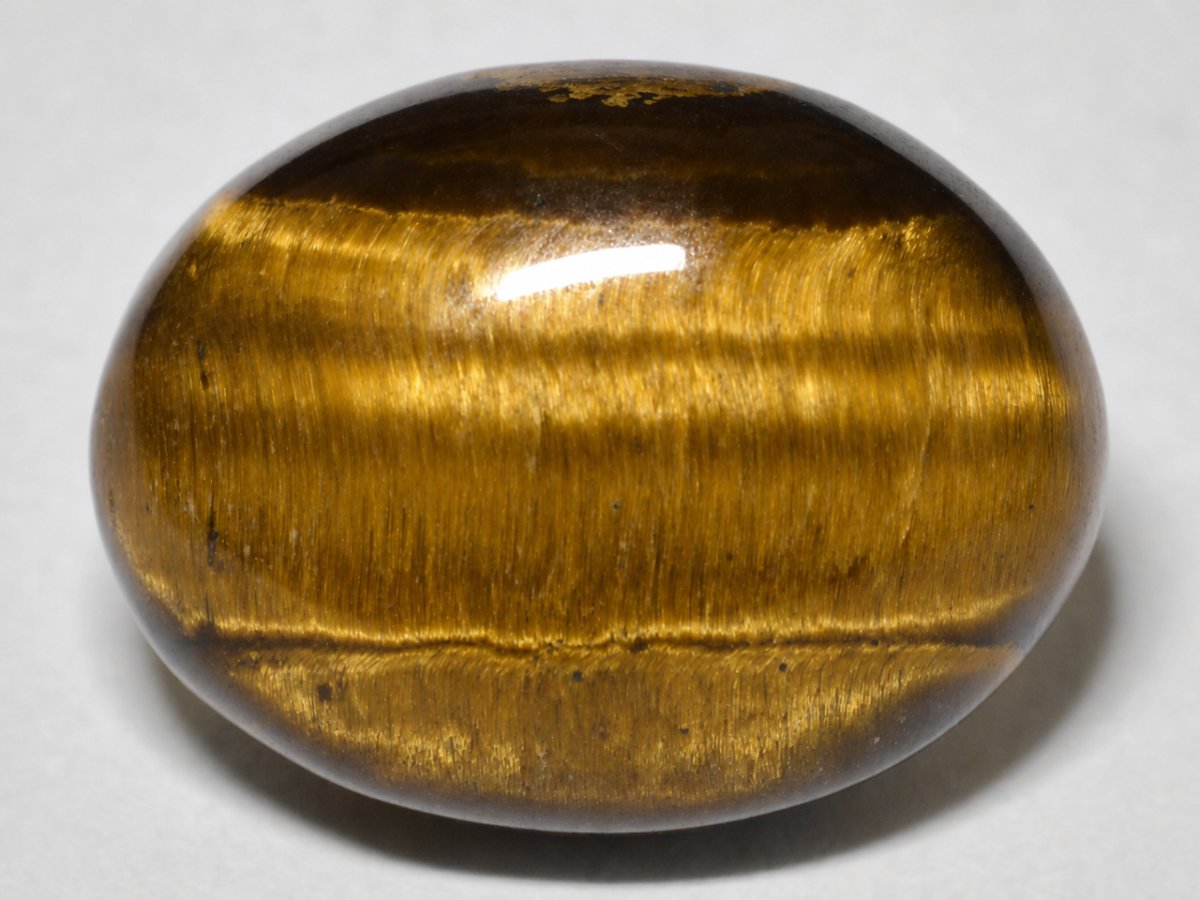


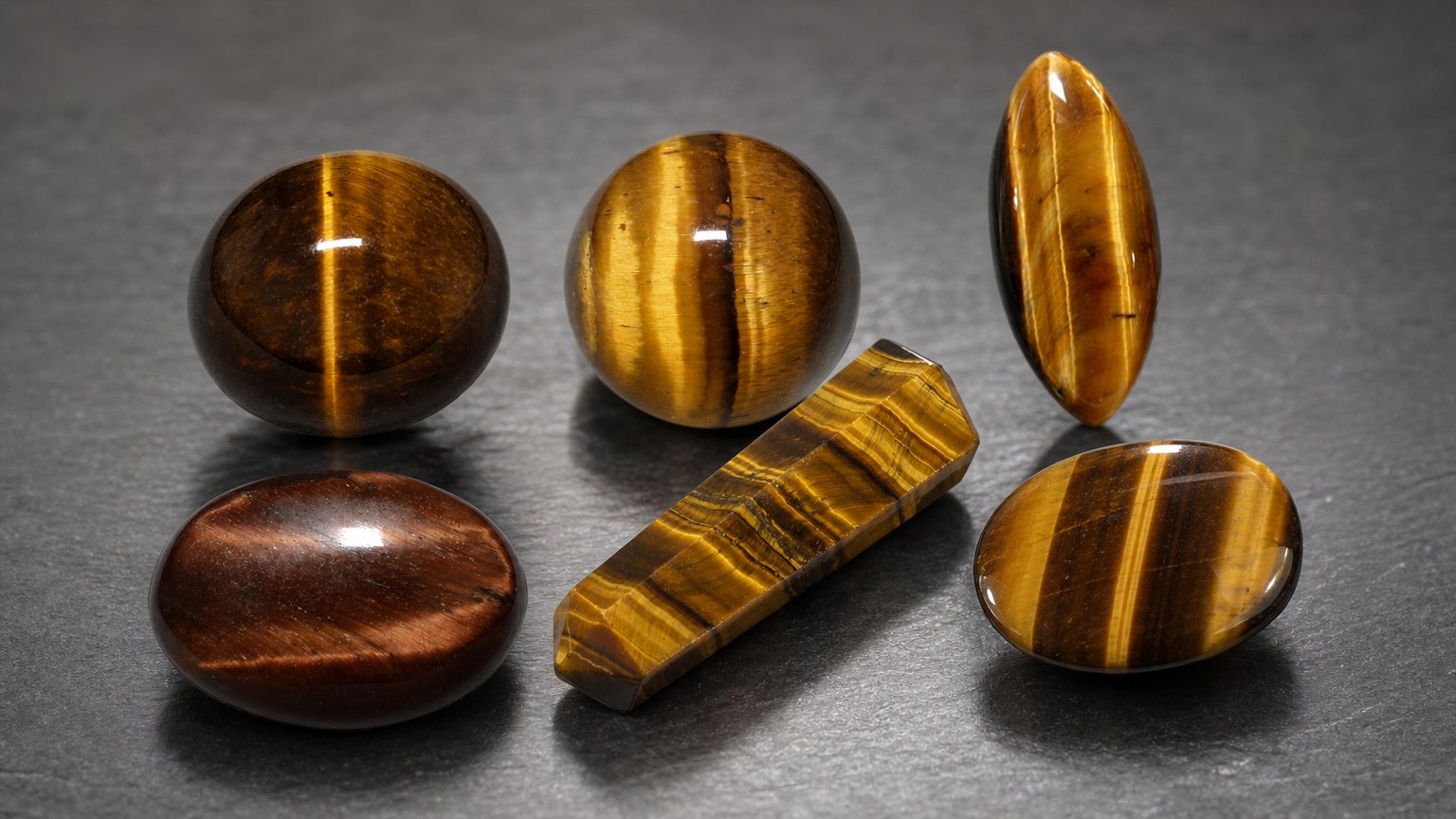
Tiger's Eye is a brown quartz gemstone valued by buyers who want an attractive, durable and versatile gem for everyday jewelry designs. It is commonly sold as cabochons, beads, carvings and polished shapes, making it practical for pendants, bracelets, necklaces, earrings and selected ring designs.
For buyers, the most important decisions are visual rather than technical: choose a pleasing brown color, a well-polished surface, a suitable cut and shape, and a size that works for the intended jewelry setting. Because Tiger's Eye is normally offered untreated, it is also a straightforward gemstone to buy when the seller provides clear photos and basic gem details.
What Is Tiger's Eye?
Tiger's Eye is a variety associated with the quartz mineral species. Its chemical formula is SiO₂, and it belongs to the trigonal crystal system. As a quartz gemstone, it has a Mohs hardness of 7, which gives it useful resistance to scratching in many jewelry applications.
Gemological properties such as refractive index and specific gravity help identify the material. Tiger's Eye has a refractive index of 1.544-1.553 and a specific gravity of 2.64-2.71. Most buyers do not need to test these values themselves, but they are useful when comparing seller descriptions or laboratory information.
Color and Appearance: What to Look For
Brown is the defining color to consider when buying Tiger's Eye. The best choice is the stone whose overall appearance suits your design: some buyers prefer a deeper, stronger brown look, while others choose lighter or more patterned stones for a softer appearance.
When comparing stones online or in person, examine the quality of polish and the surface condition. A good Tiger's Eye cabochon should look smooth and cleanly finished, without distracting chips, pits or rough areas on the visible face. Since this gemstone is often selected for its surface appeal, the top view is especially important.
For earrings, matched pairs and multi-stone designs, consistency matters. Look for stones that have compatible color, size, shape and polish. They do not need to be identical, but a well-matched set usually creates a more professional finished piece.
Cut and Shape Choices
Cabochon is the most common and important cut for Tiger's Eye. A cabochon has a smooth, rounded top rather than facets, and it is a practical choice for gemstones where the surface pattern and body color are the main visual features. For pendants, rings and earrings, oval and round cabochons are especially easy to set and wear.
Tiger's Eye is also found in carved forms. Carving cuts can be attractive for statement pendants, ornamental pieces and custom jewelry, where shape and craftsmanship are part of the design. Faceted Tiger's Eye exists but is less typical; when considering a faceted stone, judge it mainly on symmetry, polish and whether the style suits your jewelry concept.
Common shapes include oval and round, with cushion, pear and freeform shapes also useful for jewelry designers. Baguette, ball, fancy, marquise and trillion shapes may be chosen when a design calls for something less conventional. Freeform pieces can be excellent for one-of-a-kind jewelry, while calibrated rounds and ovals are usually easier to fit into standard settings.
Durability and Wearability
With a Mohs hardness of 7, Tiger's Eye is durable enough for many types of jewelry. It is particularly well suited to pendants and necklaces, where the stone is less exposed to impact. Bracelets and rings can also be made with Tiger's Eye, but these jewelry types receive more knocks during wear, so protective settings and sensible care are important.
For rings, choose a secure setting that protects the edges of the stone, especially if the ring will be worn frequently. For bracelets, consider how exposed the gemstone will be to hard surfaces. Earrings are generally a low-risk use because they receive less abrasion than rings and bracelets.
Care should be practical and gentle. Avoid hard knocks, store the stone away from harder gems that may scratch it, and clean with mild methods suitable for quartz jewelry. A soft cloth and careful handling will help preserve the polish.
Treatments and Buying Confidence
Tiger's Eye is commonly offered as untreated. This makes the buying process simpler than for gemstones where treatment type can strongly affect price or care. Even so, a reliable seller should clearly disclose treatment status and provide accurate photos, dimensions and gem descriptions.
When shopping online, check whether the stone shown is the exact stone for sale, especially for cabochons, carvings and freeform pieces where each gem may look different. At GemSelect, buyers can compare individual gemstones by shape, size, weight and appearance, which is especially helpful when matching stones for jewelry projects.
Origin: Does It Matter?
Tiger's Eye is associated with several origins, with South Africa being especially important. Other known sources include Australia, India, Mexico and Namibia. For most jewelry buyers, origin is usually less important than appearance, cut quality, size and suitability for the design.
If you are collecting gemstones by locality, origin can be part of your decision. In that case, buy from a seller who provides origin information clearly. If your priority is jewelry, focus first on whether the stone has the color, shape and finish you need.
Choosing Tiger's Eye for Jewelry
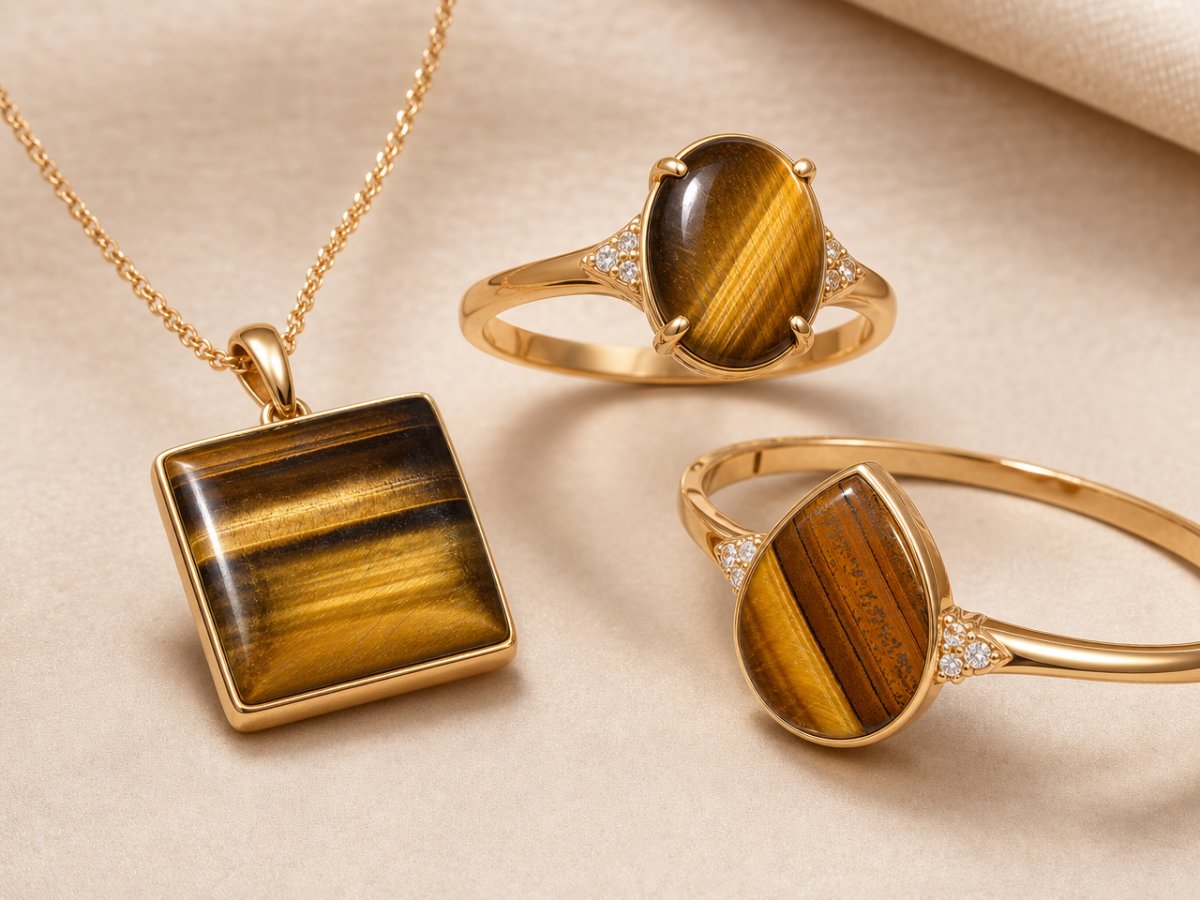
Tiger's Eye is a natural fit for pendants because cabochons and carved pieces display well and are protected from heavy wear. Necklaces and beaded designs are also popular choices, especially when the brown color is intended to complement warm metals, leather or earthy design themes.
Bracelets can be attractive, but they should be designed with wear in mind. Beads, cabochon links and protective settings are practical options. Earrings are a good choice when you want visible color without much risk of damage. Rings are possible, especially with cabochons, but they benefit from sturdy settings and careful use.
Practical Buying Checklist
- Choose the color first: select the brown tone and overall appearance that best suits your jewelry design.
- Inspect the polish: the visible surface should be smooth, well finished and free from distracting damage.
- Match cut to use: cabochons are the standard choice; carvings suit statement designs; faceted stones are less common.
- Check shape and dimensions: oval and round stones are easy to use, while freeform and fancy shapes need custom planning.
- Consider durability: hardness 7 is useful, but rings and bracelets still need protection from impact.
- Confirm treatment disclosure: Tiger's Eye is commonly untreated, and the seller should state this clearly.
- Buy for purpose: pendants and necklaces are usually the easiest applications; rings and bracelets require more care.
Summary
A good Tiger's Eye purchase comes down to selecting a brown quartz gemstone with appealing color, a clean polish, the right shape and a cut that suits your jewelry project. Cabochons are the most common and practical option, while carvings and freeform shapes offer more individuality. With Mohs hardness of 7 and common untreated availability, Tiger's Eye is a dependable choice when bought from a transparent seller with accurate photos and descriptions.