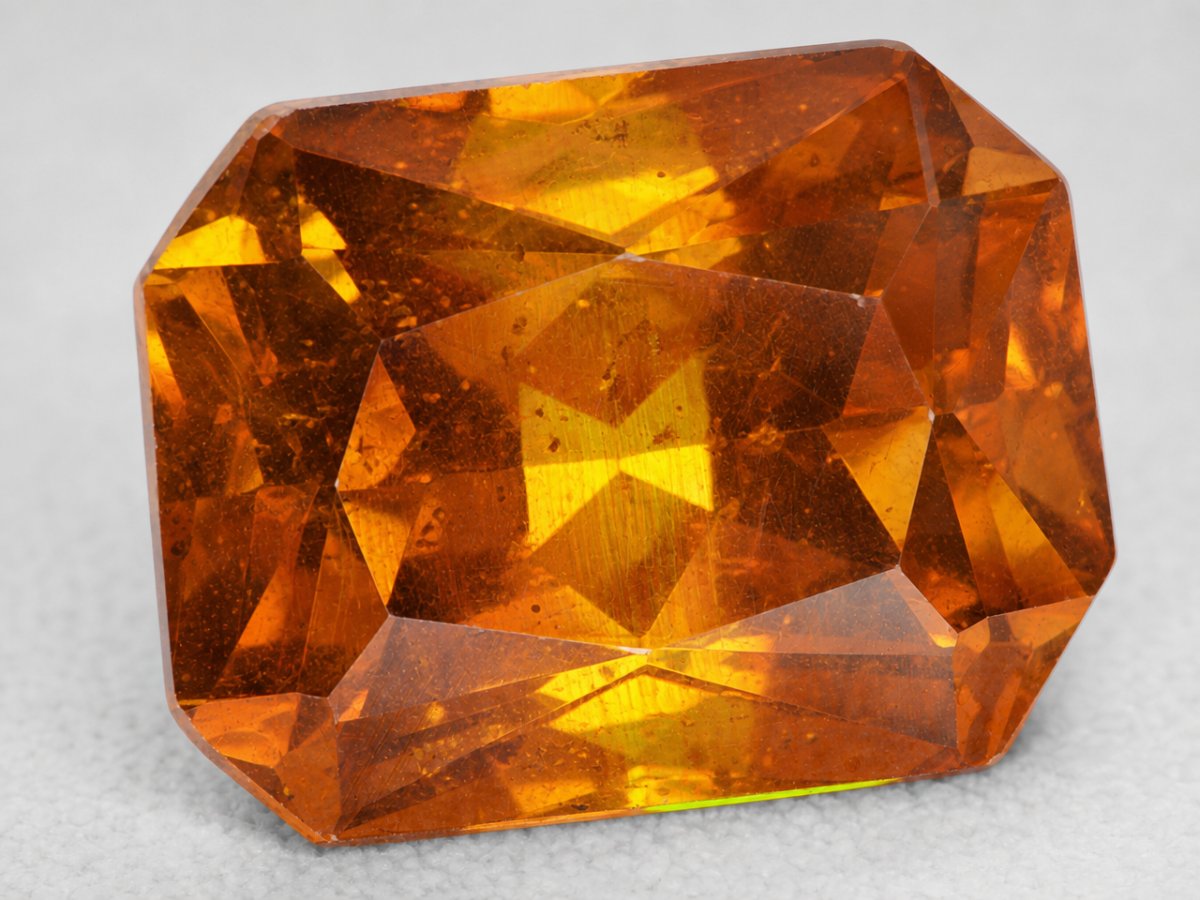


Sphalerite is a distinctive collector’s gemstone with vivid color, strong brightness and an unusual combination of gemological properties. For buyers, it is best approached as a beautiful display gem or carefully set jewelry stone rather than as an everyday-wear gem. Its relatively low Mohs hardness of 3.5 to 4 means that smart buying decisions should focus not only on color and cut, but also on how the stone will be worn, stored and protected.
This buying guide explains what to look for when purchasing sphalerite, including color, appearance, cut, shape, size considerations, origin, treatment status and jewelry suitability. Whether you are selecting a loose sphalerite gemstone for a collection or considering one for a pendant or necklace, understanding its strengths and limitations will help you choose confidently.
What Is Sphalerite?
Sphalerite is a sulfide mineral with the chemical formula ZnS. Gem-quality sphalerite is cut from transparent to translucent material that can show attractive yellow, orange, red, brown or green colors. The mineral crystallizes in the isometric crystal system and has a refractive index of 2.368 to 2.417, which is high for a gemstone. Refractive index measures how strongly a gem bends light; in practical terms, it contributes to the liveliness and brightness that many buyers notice in well-cut sphalerite.
Sphalerite also has a specific gravity of 3.90 to 4.10. Specific gravity describes density compared with water, so sphalerite can feel relatively substantial for its size. However, carat weight should not be judged visually in the same way across different gem varieties because density affects how large a stone appears for its weight.
For buyers, the most important point is that sphalerite combines strong visual appeal with modest durability. It can be a rewarding gemstone, but it benefits from thoughtful handling and careful jewelry design.
Why Buyers Choose Sphalerite
Sphalerite appeals to buyers who want a gemstone outside the usual commercial choices. Its strongest attractions are color and brilliance. Fine-looking stones can be bright and eye-catching, especially in warm orange and yellow shades. Red and brown sphalerite can also be attractive, while green examples are known but less central to the typical buying conversation.
Another reason collectors and designers choose sphalerite is its character as a loose gemstone. Because it is not as hard as many popular jewelry stones, sphalerite is often appreciated by collectors who value gemological interest, color and cutting quality. Jewelry designers may use it in pieces that are not exposed to heavy wear, especially pendants and necklaces.
Sphalerite Color and Appearance
Key Colors to Consider
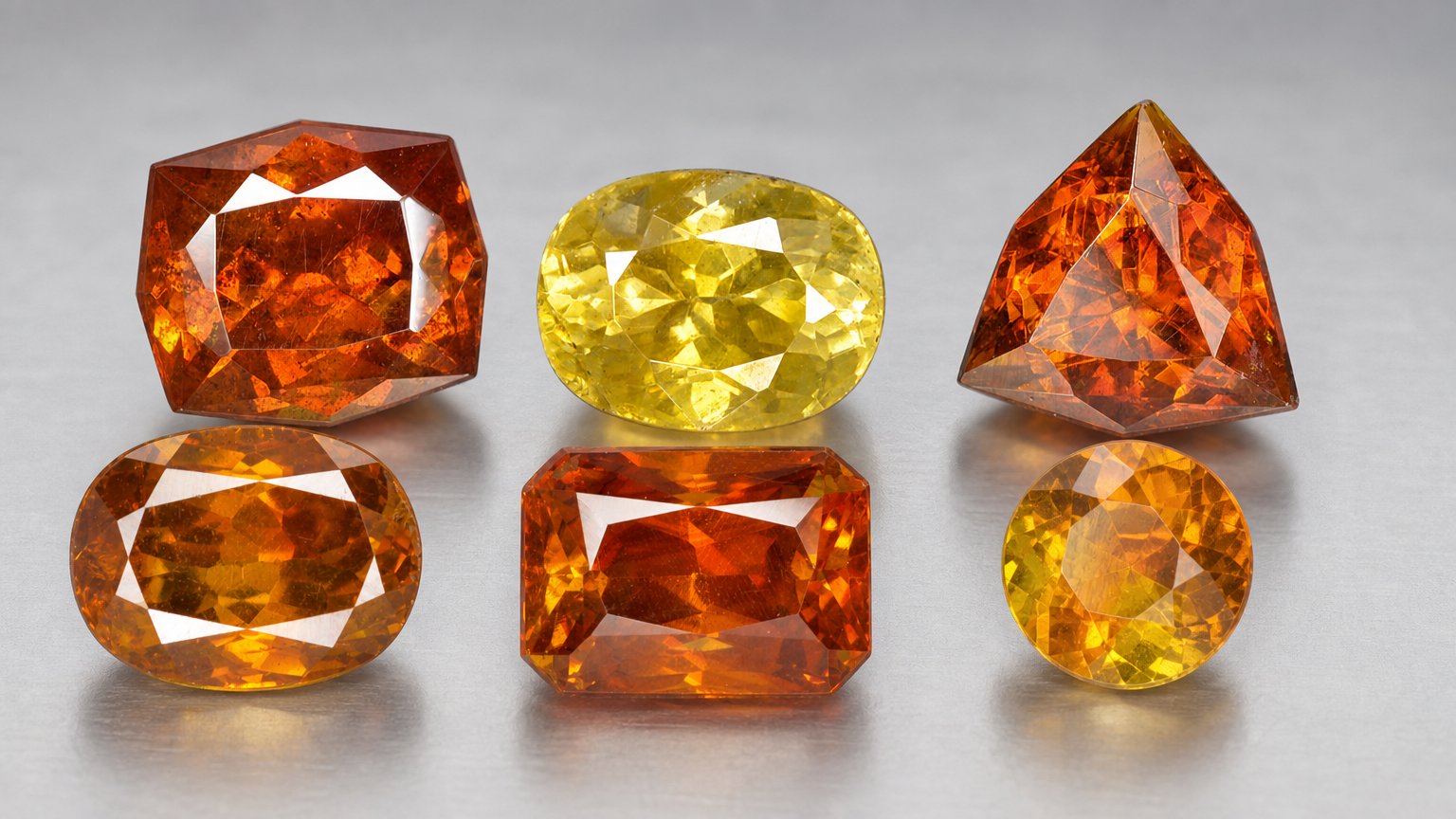
Color is usually the first feature buyers notice in sphalerite. The most recognized and commercially relevant colors are orange and yellow. These shades can give sphalerite a bright, warm appearance and often work well in faceted cuts that emphasize light return.
Red sphalerite is also an important option for buyers who prefer richer, deeper color. Brown sphalerite can range in appearance from earthy to warm and may appeal to collectors looking for a more understated stone. Green sphalerite is known as well, though it is less commonly emphasized than orange, yellow or red in typical buying decisions.
Color Tone and Saturation
When assessing sphalerite color, look at hue, tone and saturation. Hue is the basic color family, such as yellow or orange. Tone describes how light or dark the gemstone appears. Saturation refers to color strength or intensity. A buyer may prefer a bright golden yellow, a vivid orange or a deeper red-orange look, but the best choice is the one that appears attractive in normal lighting and suits the intended design.
Very dark stones can lose some visible brightness, while very light stones may appear less rich in color. A balanced color that remains appealing face-up is generally easier to enjoy, especially in jewelry.
Brightness and Cut Interaction
Sphalerite’s high refractive index can make well-cut stones look lively. However, cutting quality matters. A stone that is too shallow or too deep may not show its best appearance. When viewing a sphalerite, examine the face-up look rather than relying only on the color description. Good symmetry, pleasing proportions and an even pattern of reflections can make a noticeable difference.
Clarity and Transparency
For sphalerite, clarity should be evaluated in a practical way. Transparent material allows the cutter to create faceted gems that show brightness and internal reflections. Buyers should look for stones that appear clean and attractive to the unaided eye, especially if the gem will be used as a centerpiece in a pendant or collector setting.
Small internal features are common in many natural gemstones and do not automatically make a gem undesirable. The important question is whether inclusions affect beauty, transparency or durability. Avoid stones with obvious surface-reaching features or distracting internal characteristics if they reduce the stone’s appearance. For collection purposes, some buyers may accept visible inclusions if the color, size or overall character is appealing.
Cut Styles and Shapes
Faceted Sphalerite
Faceted cutting is the most important style for sphalerite. Facets are flat polished surfaces arranged to reflect light through the gem. Because sphalerite can be visually bright, faceting is often used to bring out its best appearance. A good faceted sphalerite should show pleasing symmetry, an attractive outline and lively reflections when moved under light.
When buying online, review the stone’s photographs carefully and pay attention to measurements as well as carat weight. Since sphalerite has a relatively high specific gravity, two gemstones of the same carat weight may not appear the same size if they are cut differently.
Step Cuts
Step cuts are also seen in sphalerite. A step cut uses long, parallel facets that create a more architectural look. This style can emphasize transparency and color rather than a glittering pattern. Octagon shapes often use step-cut arrangements, giving the gemstone a clean, geometric appearance.
When considering a step-cut sphalerite, clarity and cutting precision become especially important because the open facet pattern may make internal features more visible. Look for even facet alignment and a pleasing face-up color.
Cabochons
Cabochon-cut sphalerite is less central than faceted material but may be available. A cabochon has a smooth, domed top rather than facets. This style can be appealing for material where a polished surface and color are more important than brilliance. Buyers choosing cabochons should check the polish, dome shape and overall symmetry.
Common Shapes
Oval sphalerite is especially common and practical because the shape suits many gemstone designs and displays color well. Cushion, octagon and round shapes are also popular choices. Pear and trillion shapes may appeal to buyers looking for a more distinctive outline.
Shape should be chosen according to personal taste, setting plans and the stone’s appearance. An oval or cushion can work well in a pendant, while an octagon may suit a more structured design. Round and trillion shapes can be visually striking but may require more specific setting designs.
Sphalerite Origins
Sphalerite is associated with several origins, with Spain being especially important in the buying context. Mexico is also a known source, and material is associated with Peru and the United States as well. For most buyers, origin should be treated as one piece of information rather than the only basis for selection.
Color, cutting, transparency, size and condition are usually more useful buying factors than country of origin alone. If origin is important to you as a collector, look for stones sold with clear origin information. If your goal is jewelry or visual appeal, prioritize the individual gemstone’s beauty and suitability.
Gemological Properties Buyers Should Know
Sphalerite’s key gemological properties help explain how it looks and how it should be used. Its chemical formula is ZnS, and it belongs to the sulfide mineral group. Its crystal system is isometric. Its refractive index of 2.368 to 2.417 contributes to a bright appearance in faceted stones. Its specific gravity of 3.90 to 4.10 means that it is relatively dense.
The most important practical property is hardness. At 3.5 to 4 on the Mohs scale, sphalerite is softer than many common jewelry gemstones. The Mohs scale measures resistance to scratching. A gemstone with this hardness can be scratched by harder materials, including many everyday objects and other gemstones stored with it. This does not prevent sphalerite from being enjoyed, but it does affect how it should be worn and cared for.
Durability and Care
Understanding Sphalerite Hardness
Durability is a central issue when buying sphalerite. With a Mohs hardness of 3.5 to 4, it is not an ideal choice for jewelry that receives frequent knocks or abrasion. Buyers should be realistic: sphalerite is better suited to protected settings, occasional wear and collector use than to daily rings or bracelets.
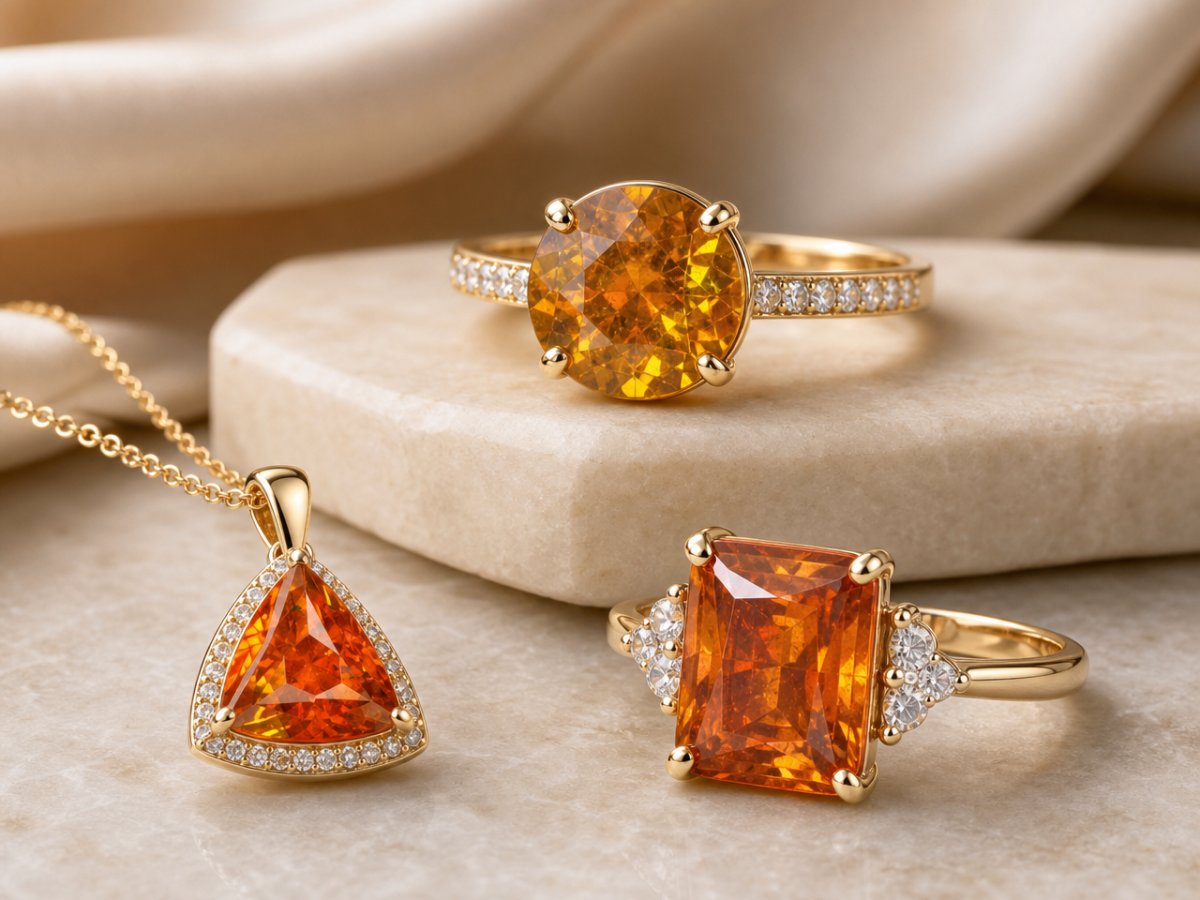
If you are buying sphalerite for jewelry, choose designs that reduce exposure. Pendants and necklaces are generally more suitable because they are less likely to strike hard surfaces than rings. A ring can be made with sphalerite, but it should be treated as a special-occasion piece and protected by thoughtful setting design.
Care Tips for Sphalerite
Store sphalerite separately from harder gemstones to help prevent scratches. A soft pouch or individual gem box is a sensible choice. Remove sphalerite jewelry before physical activity, household work or any situation where the gem may be hit or abraded.
Clean sphalerite gently. Use a soft cloth and avoid harsh handling. Because this gemstone is comparatively soft, aggressive cleaning methods are not appropriate. If the stone is mounted in jewelry, check that the setting remains secure, especially after wear.
Treatments
Sphalerite is commonly offered as untreated. This is helpful for buyers who prefer natural color without enhancement. When purchasing any gemstone, it is still wise to review the seller’s treatment disclosure. Reputable sellers should clearly state whether a gemstone is untreated or whether any treatment is known.
At GemSelect, treatment information is an important part of gemstone buying transparency. If untreated status is a priority for your purchase, confirm the listing details before ordering.
Jewelry Uses
Pendants and Necklaces
Pendants and necklaces are the most suitable jewelry uses for sphalerite. These designs allow the gemstone to be seen clearly while reducing the chance of impact compared with hand jewelry. A faceted orange or yellow sphalerite can make a vivid pendant stone, while red or brown tones can create a warmer, more subdued look.
For pendant settings, consider designs that hold the stone securely and offer some protection around the edges. The design should match both the shape of the gemstone and its durability needs.
Rings
Sphalerite can be used in rings, but buyers should understand the trade-off. Rings are exposed to more contact than necklaces and pendants. If you choose a sphalerite ring, it is best for occasional wear rather than everyday use. Protective settings and careful habits are especially important.
Buyers who want a durable ring for daily wear may wish to consider harder gemstones. Buyers who value sphalerite’s unique look and are comfortable with careful wear can still enjoy it in a ring setting.
How to Buy Sphalerite: Practical Checklist
1. Choose the Color You Prefer
Start with color. Orange and yellow are key sphalerite colors and are often chosen for their brightness. Red can be attractive for a richer look, while brown and green may suit more specialized tastes. View the actual stone rather than relying only on the color name, because tone and saturation can vary.
2. Inspect the Cut
For faceted sphalerite, look for a lively face-up appearance, good symmetry and balanced proportions. Ovals, cushions, octagons and rounds are all practical options, while pear and trillion shapes can offer a more distinctive style. In step cuts, pay special attention to clarity and facet alignment.
3. Consider Clarity in Relation to Use
If the gem is for a pendant or display piece, eye-visible beauty matters most. Avoid inclusions that distract strongly or appear to weaken the stone. For collector stones, you may be more flexible if the gem has a color or shape you particularly value.
4. Match Size to Setting and Wearability
Large sphalerite gems can be impressive, but size should be balanced with durability and setting security. Larger stones have more exposed surface area, so protective jewelry design becomes more important. Always check millimeter dimensions, not just carat weight, when planning a setting.
5. Check Treatment Disclosure
Because sphalerite is commonly untreated, buyers often expect untreated stones. Still, confirm the treatment status in the product details. Clear disclosure helps you compare gemstones fairly.
6. Think Carefully About Jewelry Type
If you want sphalerite for jewelry, pendants and necklaces are the safest choices. Rings are possible but require more caution. Avoid designs where the stone will be exposed to frequent impact or abrasion.
7. Buy from a Seller That Provides Clear Information
Good gemstone buying depends on clear details. Look for accurate photos, measurements, carat weight, shape, cut style, color description and treatment disclosure. GemSelect provides individual gemstone information so buyers can compare stones based on the characteristics that matter most.
Who Is Sphalerite Best For?
Sphalerite is a strong choice for gemstone collectors, enthusiasts of unusual gems and jewelry designers creating carefully worn pieces. It is especially suitable for buyers who appreciate vivid warm colors and bright faceted stones. It is less suitable for anyone seeking a low-maintenance daily-wear gemstone.
If you are building a gem collection, sphalerite offers visual impact and interesting gemological properties. If you are designing jewelry, use it where beauty can be showcased without exposing the gem to unnecessary wear.
Summary
Sphalerite is a colorful sulfide gemstone known in orange, yellow, red, brown and green varieties. Its high refractive index can give faceted stones an appealing brightness, while common shapes such as oval, cushion, octagon and round provide many design options. Spain is an especially important origin, with Mexico, Peru and the United States also associated with sphalerite.
The main buying consideration is durability. With a Mohs hardness of 3.5 to 4, sphalerite should be chosen and worn with care. It is best suited to collectors, pendants and necklaces, while rings should be reserved for occasional wear. Buyers should prioritize color, cut quality, clarity, treatment disclosure and suitability for the intended use.