


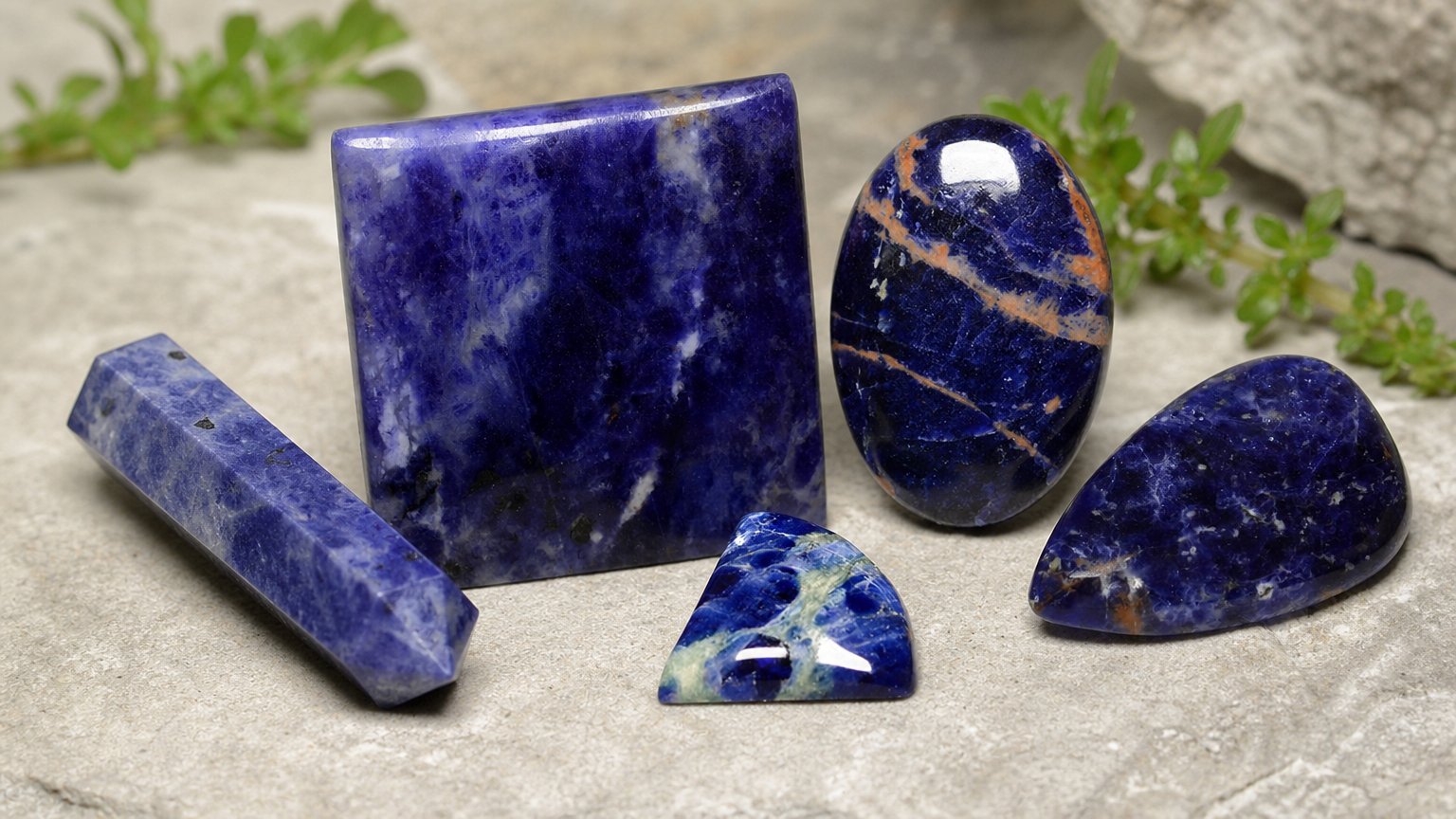
Sodalite is a blue feldspathoid gemstone valued for its attractive body color, accessible jewelry use and decorative appeal. Buyers usually choose sodalite for its color and overall look rather than for brilliance, which makes the right cut, polish, size and intended jewelry setting especially important.
This guide explains the main points to consider before buying sodalite, including color, common cuts, durability, treatments, origins and practical jewelry use.
What Is Sodalite?
Sodalite is a feldspathoid mineral with the chemical formula Na₈(Al₆Si₆O₂₄)Cl₂. It crystallizes in the cubic crystal system and has gemological properties that help identify it, including a refractive index of 1.483-1.487 and a specific gravity of 2.27-2.33.
For buyers, the most important practical fact is its hardness: sodalite measures 5.5-6 on the Mohs scale. This places it below many everyday ring stones, so it should be chosen and worn with some care, especially in jewelry that receives frequent impact or abrasion.
Color and Appearance: What to Look For
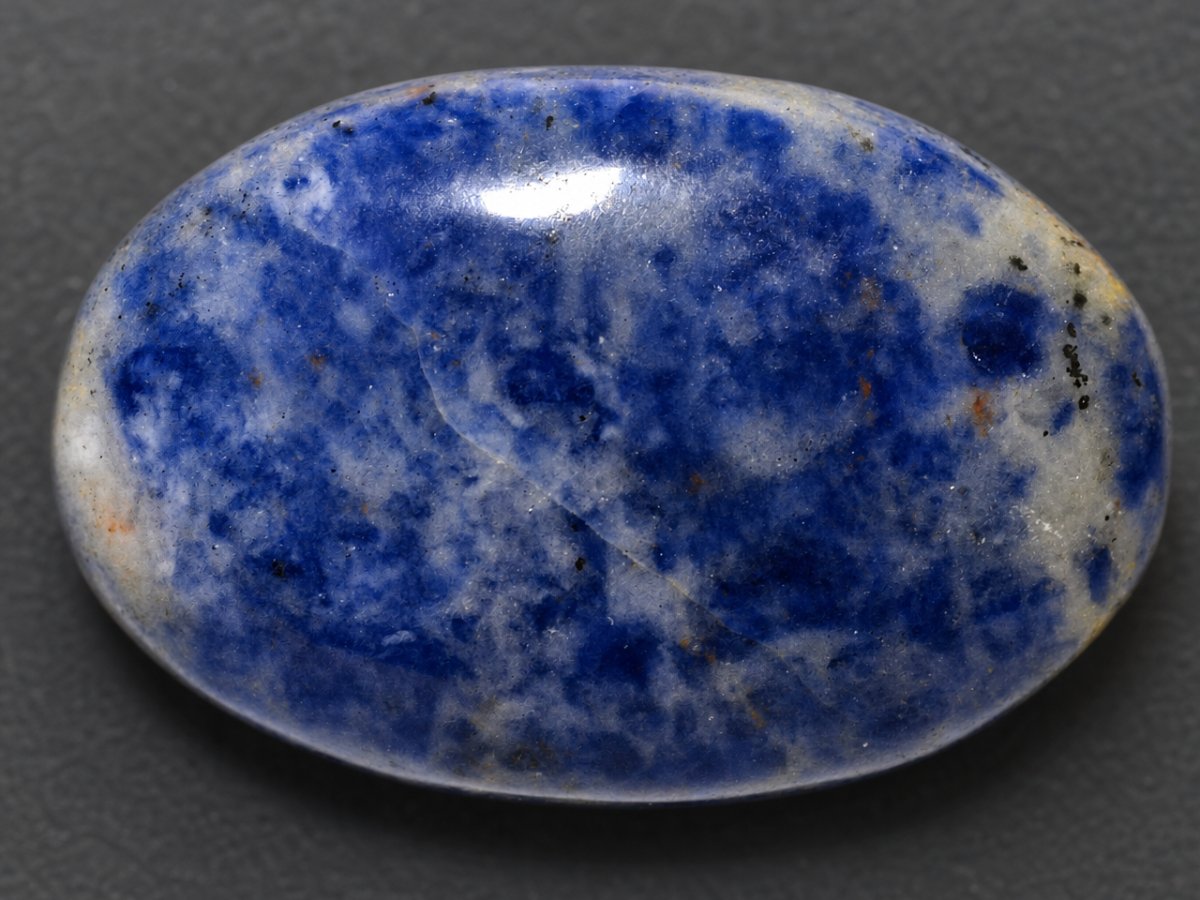
Blue is the most important and best-known sodalite color. When comparing stones, start by looking at the overall strength and attractiveness of the blue. Choose a color that suits your design: deeper blue can make a strong focal stone, while softer or mixed tones may work well in casual, artistic or bead-style jewelry.
Sodalite can also occur in gray, violet, yellow, colorless and white. These colors are less central to typical buying decisions than blue, but they can be useful for designers looking for a specific palette or contrast within a piece.
Because sodalite is commonly cut as cabochons or slices, inspect the face-up appearance carefully. Look for an appealing distribution of color, a clean polish and a pleasing outline. Small surface irregularities or natural-looking color variation may be acceptable depending on the style, but chips, flat polish, uneven shapes or distracting dull areas should be considered before purchase.
Common Sodalite Cuts and Shapes
Cabochons are the most common cut for sodalite. A cabochon has a smooth, rounded top rather than facets, which suits gemstones bought for color and surface appearance. When buying a sodalite cabochon, check that the dome is balanced, the outline is symmetrical for the stated shape and the polish is smooth across the top.
Slice cuts are also used and can be attractive when the goal is to show a larger face-up area. Slices are often practical for pendants, statement pieces and design-focused jewelry. When considering a slice, check thickness, edge condition and whether the stone can be securely mounted.
Faceted sodalite is less common. If you choose a faceted stone, remember that sodalite is not usually selected primarily for high sparkle. Judge the stone by its color, cutting symmetry and polish rather than expecting the brilliance associated with harder transparent gems.
Oval shapes are especially common, while cushion, pear and round shapes are also seen. Fancy shapes and pyramid forms may appeal to designers or collectors who want something less conventional.
Durability and Wearability
With a Mohs hardness of 5.5-6, sodalite is suitable for many types of jewelry, but it is not a hard-wearing gem for all situations. It is better protected in designs where it is less exposed to knocks and scraping.
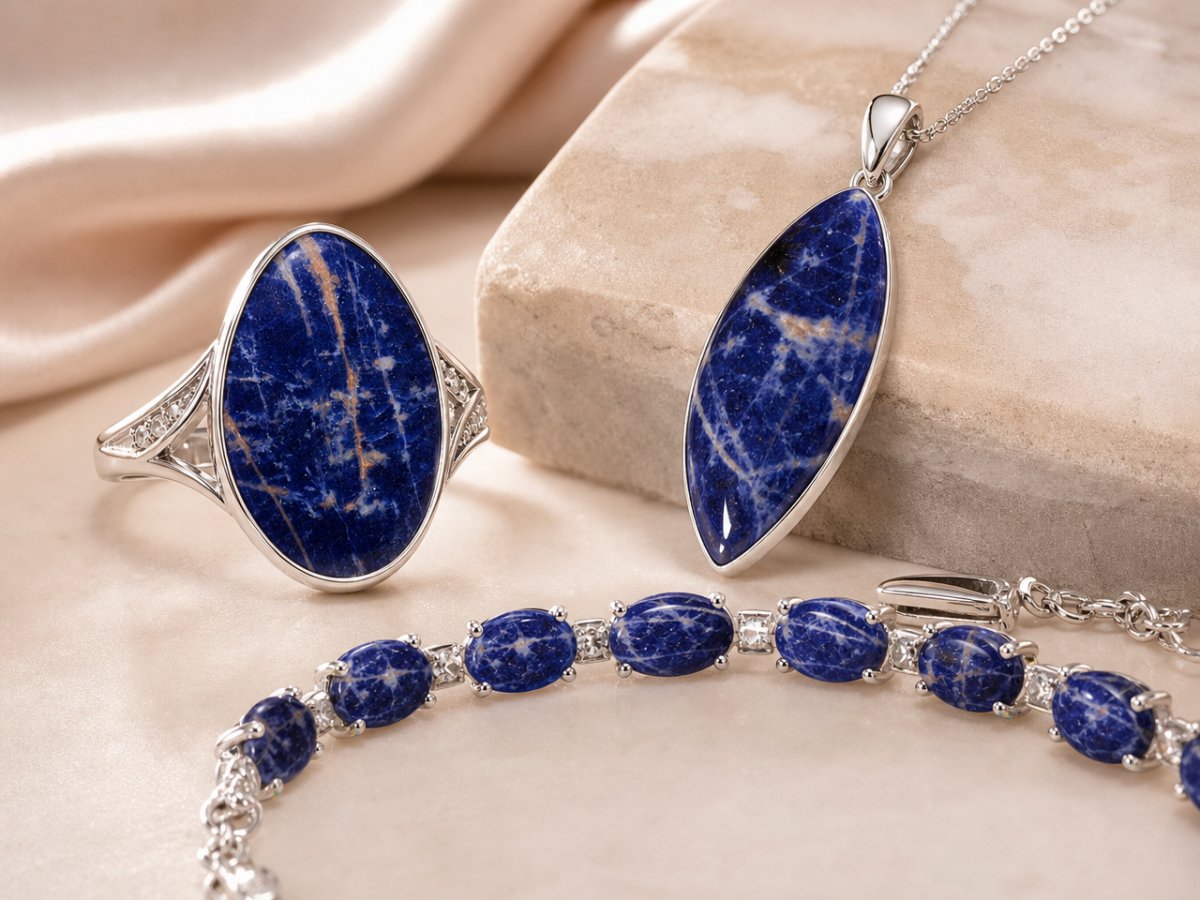
Necklaces and pendants are excellent choices because they usually receive less impact than rings or bracelets. Earrings are also a practical option because they are generally protected during wear. Bracelets can be attractive but need more care because they are more likely to contact hard surfaces. Rings are possible, but buyers should consider protective settings and occasional rather than heavy daily wear.
For care, avoid rough handling and store sodalite separately from harder gemstones that may scratch it. Clean it gently with a soft cloth and mild soapy water, then dry it carefully. Avoid harsh chemicals, ultrasonic cleaning and steam cleaning unless a qualified jeweler has confirmed that the specific piece can safely tolerate them.
Treatments and Buying Confidence
Sodalite is commonly available untreated. For buyers, this is a positive point because the color and appearance you see are generally the qualities of the stone itself rather than the result of routine enhancement.
When purchasing, ask the seller whether any treatment has been applied and make sure the answer is clearly stated on the invoice or product description. GemSelect identifies gemstone details where relevant, helping buyers compare stones with greater confidence.
Origins of Sodalite
Important sodalite sources include Canada and Namibia, with additional material known from Brazil, Afghanistan, Australia and Russia. Origin can be interesting to collectors and may matter if you are building a country-specific collection.
For most jewelry buyers, however, origin should not outweigh appearance, cut quality, size, condition and suitability for the intended design. A beautiful, well-cut sodalite from any recognized source is usually a better choice than a less attractive stone purchased for origin alone.
How to Choose the Right Sodalite
1. Decide how the stone will be used
For pendants, necklaces and earrings, you can prioritize color, size and overall visual impact. For bracelets and rings, give more attention to durability, setting protection and surface condition.
2. Compare color face-up
View the stone from the top, as it will appear in jewelry. Blue is the key sodalite color, but the most suitable tone depends on the design. Compare several stones side by side if possible.
3. Inspect the cut and polish
For cabochons, look for a pleasing dome, good symmetry and a smooth polish. For slices, check that the stone is thick enough for secure setting and that edges are not damaged. For faceted stones, assess symmetry and polish rather than expecting exceptional brilliance.
4. Match shape and size to your design
Oval sodalite cabochons are versatile and easy to design around. Cushion, pear and round shapes can create a softer or more balanced look, while fancy shapes and pyramid forms may suit custom or statement jewelry.
5. Confirm treatment disclosure
Since sodalite is commonly sold untreated, clear disclosure should be straightforward. If treatment status matters to you, ask before purchasing and keep a record of the seller's description.
6. Consider care requirements before buying
If the jewelry will be worn every day or exposed to hard use, sodalite may require more caution than harder gems. Choosing a pendant, necklace or earring design can reduce the risk of accidental damage.
Sodalite Gemological Properties
The following properties are useful for identification and for understanding sodalite's practical behavior as a gemstone:
- Mineral group: Feldspathoid
- Chemical formula: Na₈(Al₆Si₆O₂₄)Cl₂
- Crystal system: Cubic
- Mohs hardness: 5.5-6
- Refractive index: 1.483-1.487
- Specific gravity: 2.27-2.33
Final Buying Advice
The best sodalite for you is the stone that combines attractive blue color, clean polish, appropriate cut and realistic durability for your intended jewelry. Cabochons are the safest starting point for most buyers, especially in oval, cushion, pear or round shapes. For jewelry that will see regular wear, favor protected designs such as pendants, necklaces and earrings, and treat rings or bracelets with more care.
