


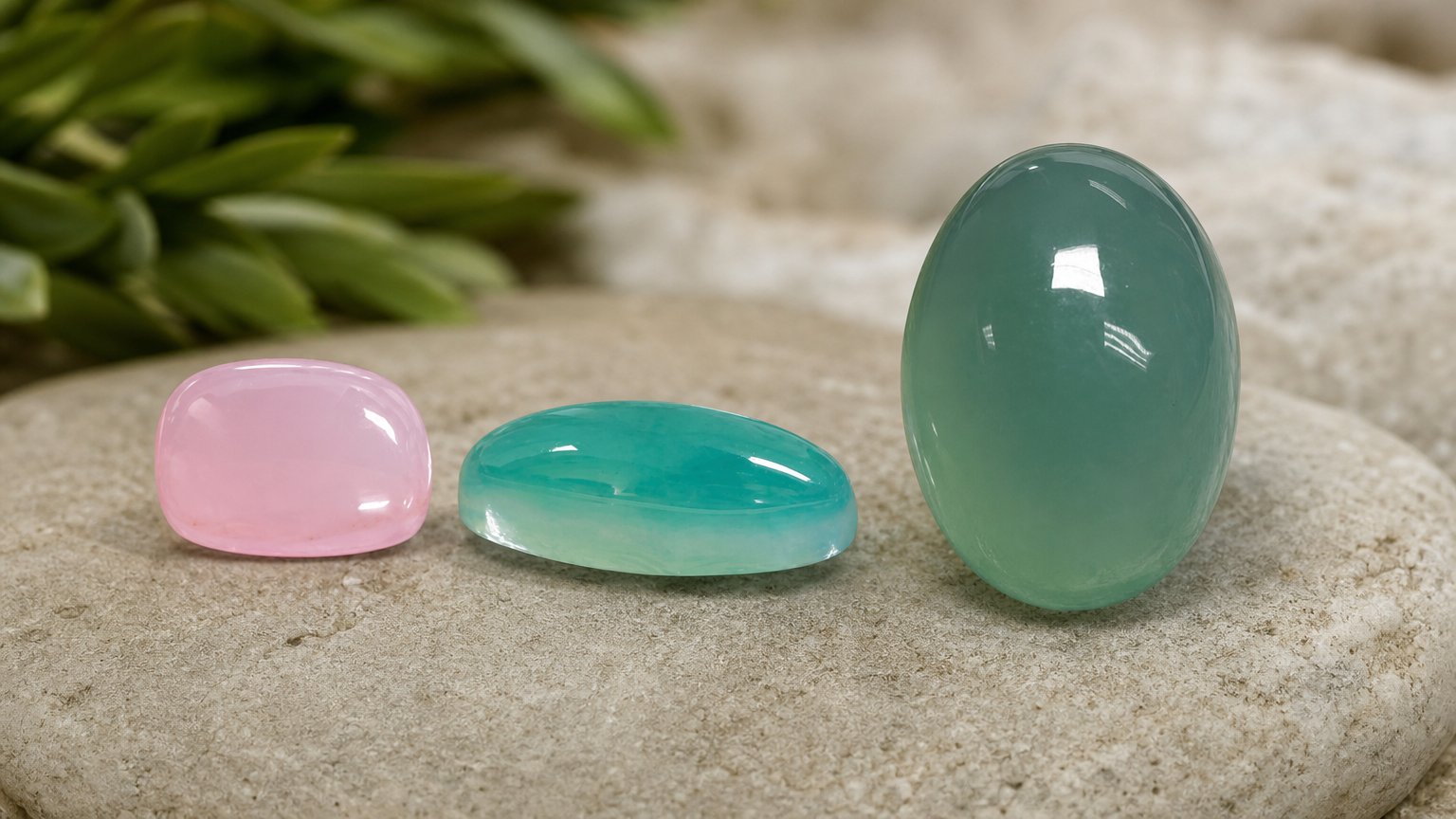
Smithsonite is a distinctive collector gemstone valued for its soft, attractive colors and smooth cabochon appearance. For buyers, the most important decisions are color preference, cut quality, intended jewelry use and durability. Smithsonite can be beautiful in jewelry, but with a Mohs hardness of 4.5 it should be chosen and worn with appropriate care.
This guide explains what to look for when comparing smithsonite gemstones so you can select a stone that suits your design, collection or personal style.
What Is Smithsonite?
Smithsonite is a zinc carbonate mineral with the chemical formula ZnCO₃. It crystallizes in the trigonal crystal system and is known in the gem trade primarily as a cabochon material rather than a faceted gemstone.
Its gemological properties include a refractive index of 1.621-1.849 and a specific gravity of 4.00-4.65. The relatively high specific gravity means smithsonite can feel heavier than some other gems of similar size, so buyers should consider both carat weight and millimeter dimensions when choosing a stone for jewelry.
Color and Appearance: The First Buying Decision
Color is usually the main reason buyers choose smithsonite. Blue is especially associated with the gemstone and is often the first color shoppers notice. Green and pink smithsonite are also important choices, while purple, white and yellow material may appeal to collectors or designers seeking a different look.
When comparing stones, look for a color that is pleasing and consistent across the face of the gem. Because smithsonite is commonly cut as a cabochon, the surface should show the color cleanly without distracting uneven areas unless the natural pattern is part of the stone's appeal.
Personal preference matters. A soft blue cabochon may suit a calm, elegant pendant, while green or pink stones can offer a more unusual design direction. For collectors, owning more than one color can be part of smithsonite's appeal.
Cut and Shape: Why Cabochons Are Common
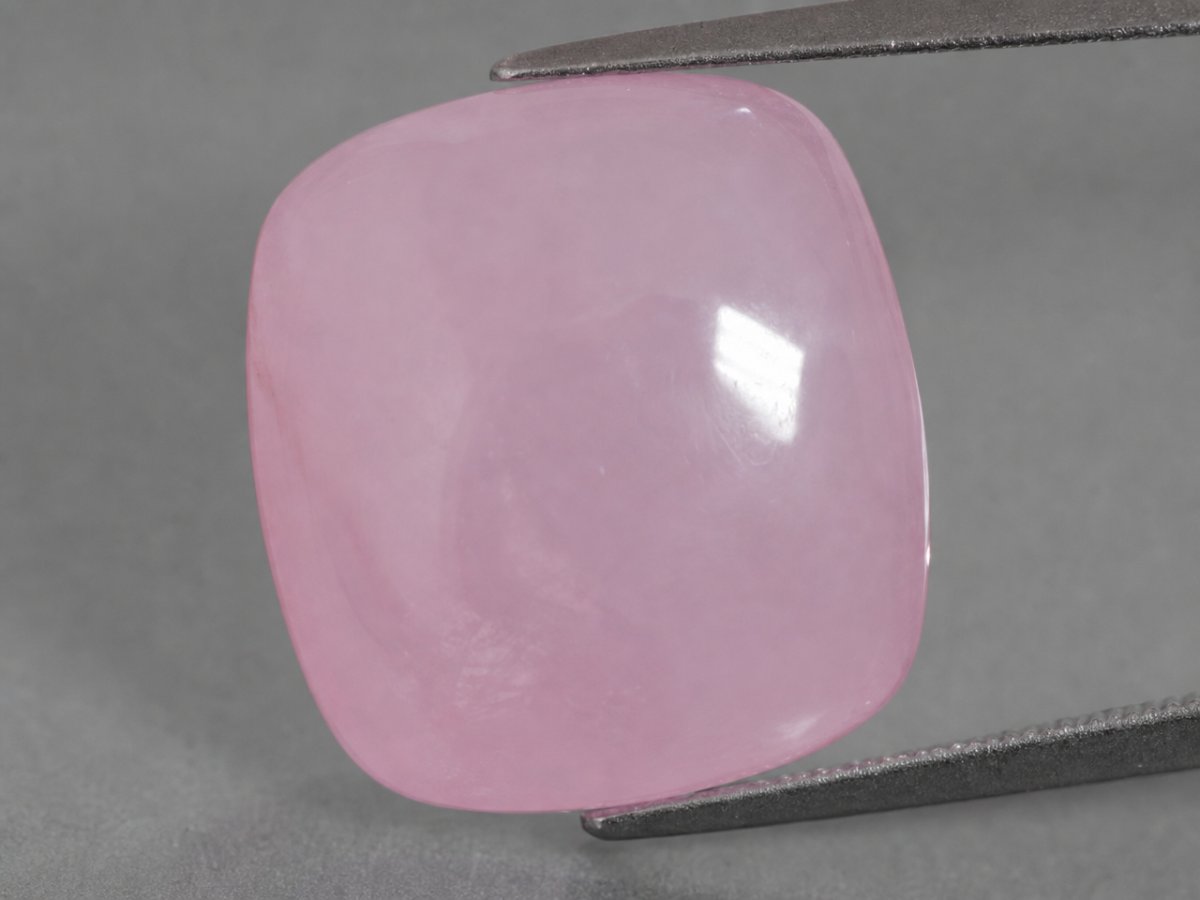
Smithsonite is most commonly cut as a cabochon. This smooth, domed cut is practical because it emphasizes body color and avoids relying on brilliance in the same way as a faceted gem. A good cabochon should have a pleasing outline, a smooth dome and an even polish.
Oval cabochons are especially common and are easy to use in pendants and necklaces. Cushion and round shapes are also practical, while pear and marquise shapes can give jewelry a more distinctive outline. When buying for a specific setting, check the millimeter size and shape carefully rather than relying only on carat weight.
Durability and Wearability
Smithsonite has a Mohs hardness of 4.5, so it is softer than many everyday jewelry gems. This does not mean it cannot be used in jewelry, but it does mean the setting and type of jewelry matter.
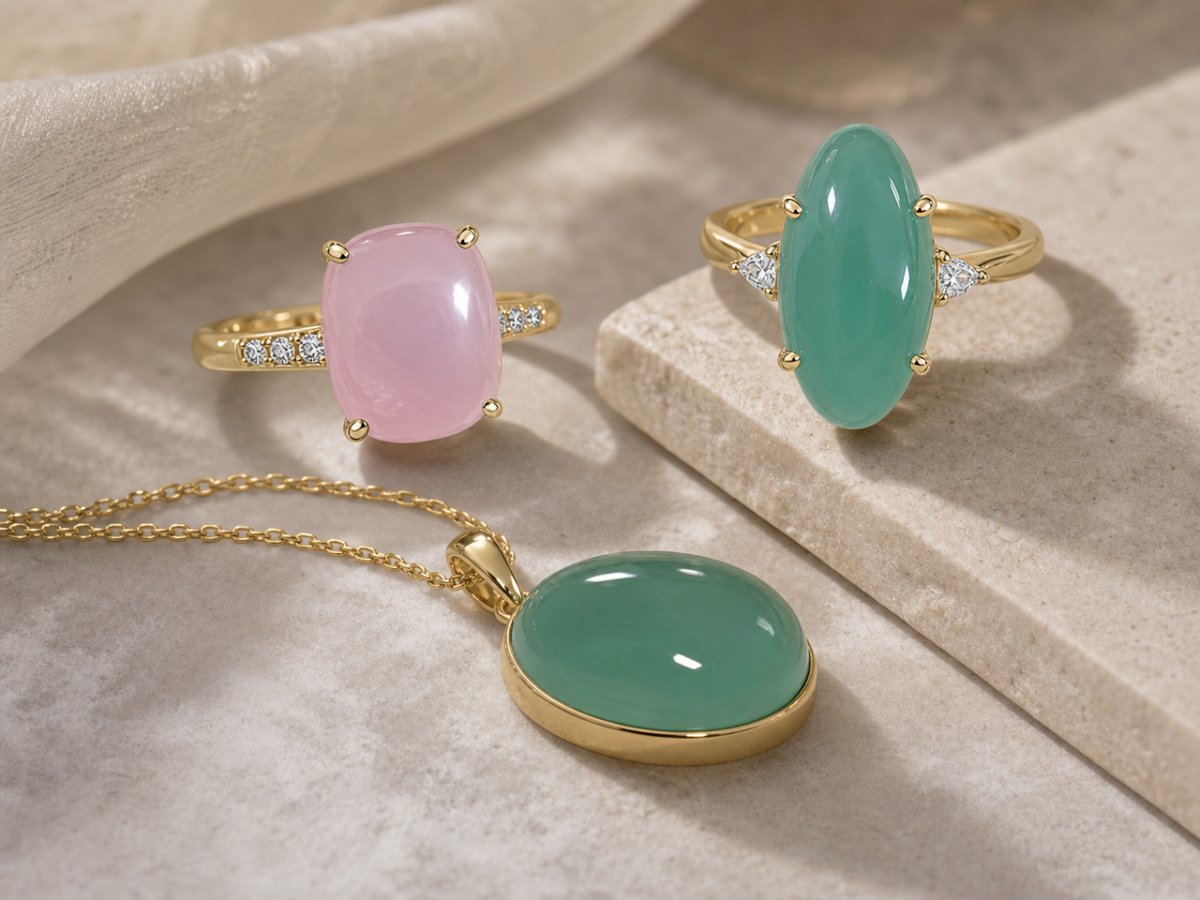
Pendants and necklaces are usually the most suitable jewelry choices because they are less exposed to knocks and abrasion than rings or bracelets. Brooches can also work well because they are typically worn in a protected position. Smithsonite rings are best treated as collector rings or occasional-wear pieces, ideally in protective settings.
For care, keep smithsonite away from hard knocks, rough storage and abrasive cleaning. Store it separately from harder gemstones, and clean it gently with a soft cloth. If the stone is mounted in jewelry, avoid situations where it may be scraped against harder surfaces.
Treatments and Buying Confidence
Smithsonite is commonly offered as untreated. For buyers, this is straightforward: ask whether the stone has been treated, and check that the seller clearly identifies the gem and any known treatment status.
When shopping at GemSelect or comparing any gemstone listing, review the photographs, dimensions, shape, cut and description together. A good purchase decision should be based on the full appearance of the stone, not only on color name or carat weight.
Origins
Smithsonite is known from several sources, including Namibia, Mexico, the United States, Australia and China. Namibia is a particularly important origin associated with smithsonite, while Mexico and the United States are also notable sources.
Origin can be interesting for collectors, but most jewelry buyers should prioritize appearance, cut, size and condition unless they are specifically building a locality-based collection. If origin is important to you, choose a seller that clearly states the source when that information is available.
How to Choose the Right Smithsonite
For a pendant or necklace
Choose a cabochon with attractive face-up color, a pleasing dome and a shape that suits the design. Oval, round and cushion shapes are especially easy to use. Larger dimensions can create a strong focal point, but make sure the setting protects the stone's edges.
For a collection
Color variety, origin and unusual shapes may be more important than jewelry practicality. Blue, green and pink smithsonite make a strong foundation for a collection, while purple, white or yellow examples can add variety.
For a ring
Buy with caution. Smithsonite is better suited to collector rings than daily-wear rings. If you choose a ring stone, consider a protective setting and wear it only occasionally.
Summary
The best smithsonite purchase balances beauty with realistic use. Look first at color, then evaluate the cabochon cut, shape, size and polish. Because smithsonite is relatively soft, it is most practical in pendants, necklaces and other protected jewelry. For buyers who appreciate soft colors and distinctive mineral gems, smithsonite can be a rewarding choice.
