

Sillimanite is an attractive aluminosilicate gemstone chosen by buyers who want something distinctive, natural-looking and suitable for a range of jewelry designs. For most shoppers, the most important buying decisions are color, cutting style, clarity, size, and how the gem will be worn. This guide explains what to look for so you can compare sillimanite gemstones with confidence.
What Is Sillimanite?
Sillimanite is a mineral species in the aluminosilicate group with the chemical formula Al₂SiO₅. It forms in the orthorhombic crystal system and has gemological properties that make it usable in jewelry when properly selected and set.
For buyers, sillimanite is best understood as a colored gemstone where individual appearance matters more than name recognition. Two stones can look quite different depending on body color, transparency, cut and finish, so photographs, measurements and treatment disclosure are especially useful when comparing options online.
Color and Appearance
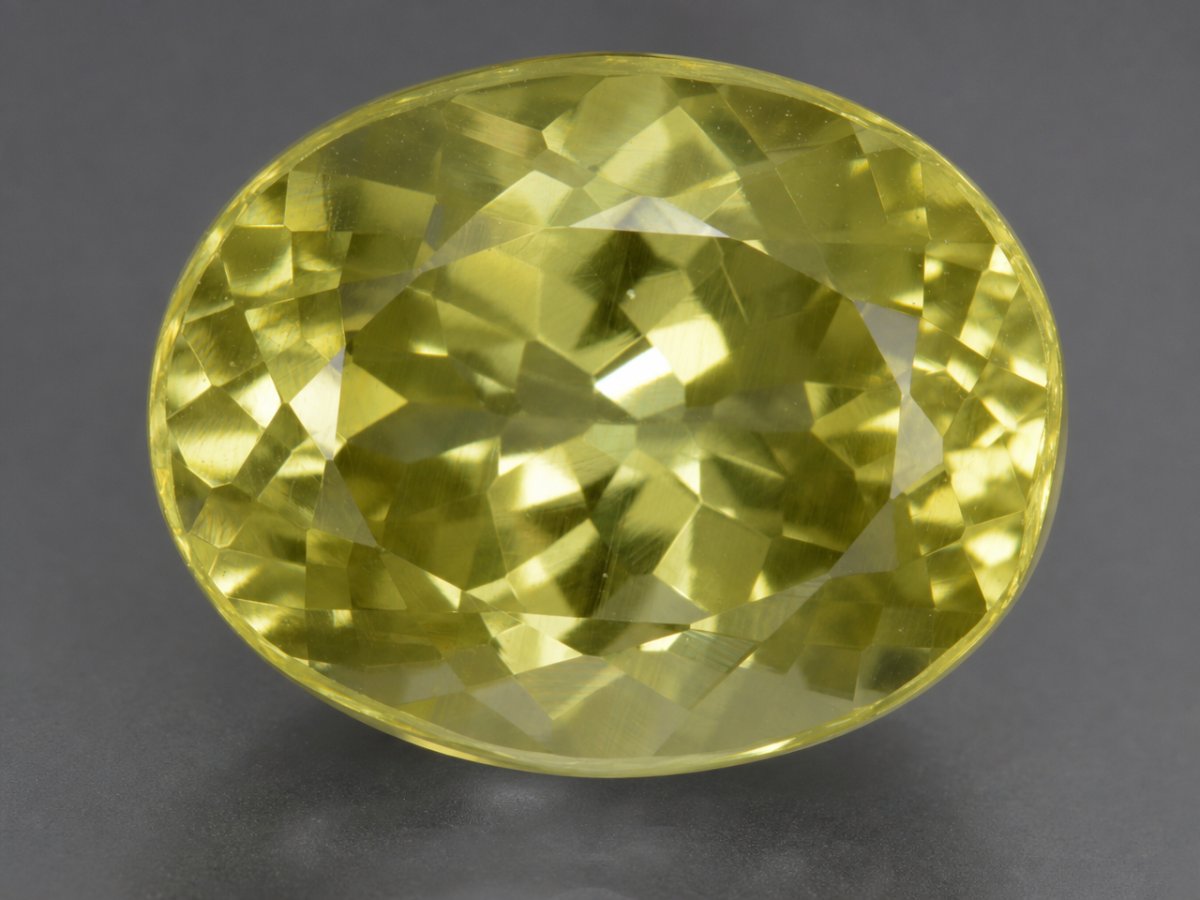
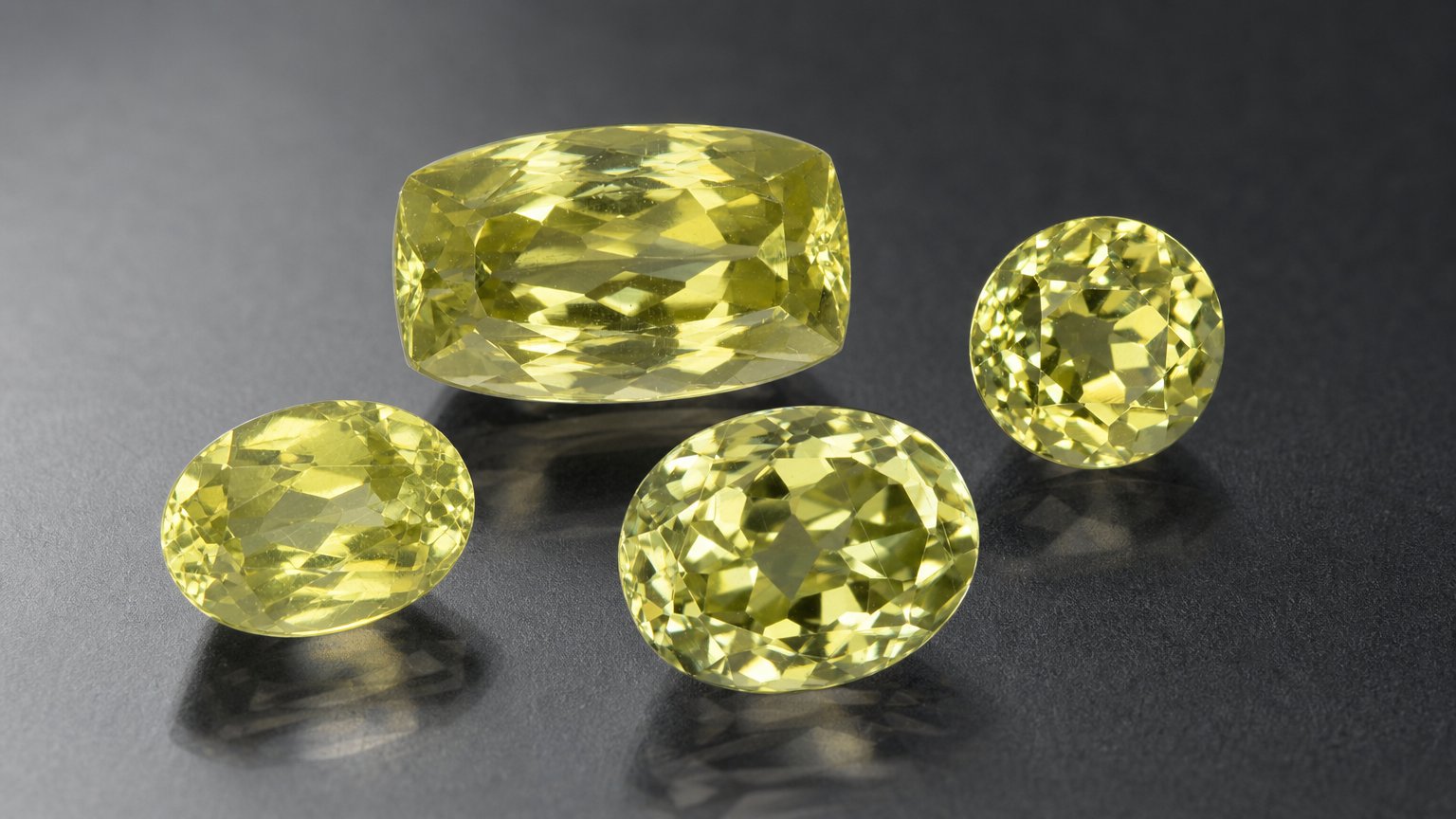
Yellow is one of the key colors associated with sillimanite and is often the first color buyers compare. Brown and gray tones are also seen, while green and white sillimanite may be encountered less prominently. When choosing a stone, look for a color that appears attractive in the lighting conditions where the jewelry will be worn.
Color should be judged together with tone and saturation. A lighter stone may look bright and subtle, while a deeper brown, gray or yellow gem may have a richer presence. There is no single universal "best" color for every buyer; the right choice depends on the intended jewelry style and personal preference.
Because sillimanite may be cut as a cabochon or a faceted gem, appearance can vary significantly. Cabochons show a smooth, polished surface and emphasize body color and overall shape. Faceted sillimanite is cut with flat reflective surfaces and is chosen when the buyer wants more light return and sparkle.
Cut Styles and Shapes
Cabochons are a common cut for sillimanite and are a practical choice for buyers who appreciate a smooth, classic gemstone look. When inspecting a cabochon, check for an even outline, a well-centered dome, a good polish and an attractive face-up appearance. Surface quality matters because a cabochon has no facets to distract the eye from scratches, pits or uneven polishing.
Faceted sillimanite is also available. With faceted stones, pay attention to symmetry, brightness, windowing and overall proportions. A well-cut stone should look lively across much of its face rather than appearing overly dark or washed out in the center.
Oval shapes are especially common for sillimanite and work well in rings, pendants and earrings. Pear and round shapes are also useful choices, while cushion and trillion shapes can suit more individual designs. For matching earrings or side stones, compare dimensions as well as carat weight, since two gems of the same weight may not face up the same size.
Durability and Jewelry Suitability
Sillimanite has a Mohs hardness of 6.5 to 7.5. This range gives it practical wearability, but setting choice and care still matter. Hardness measures resistance to scratching, not overall toughness, so any gemstone used in jewelry should be protected from unnecessary knocks and abrasive contact.
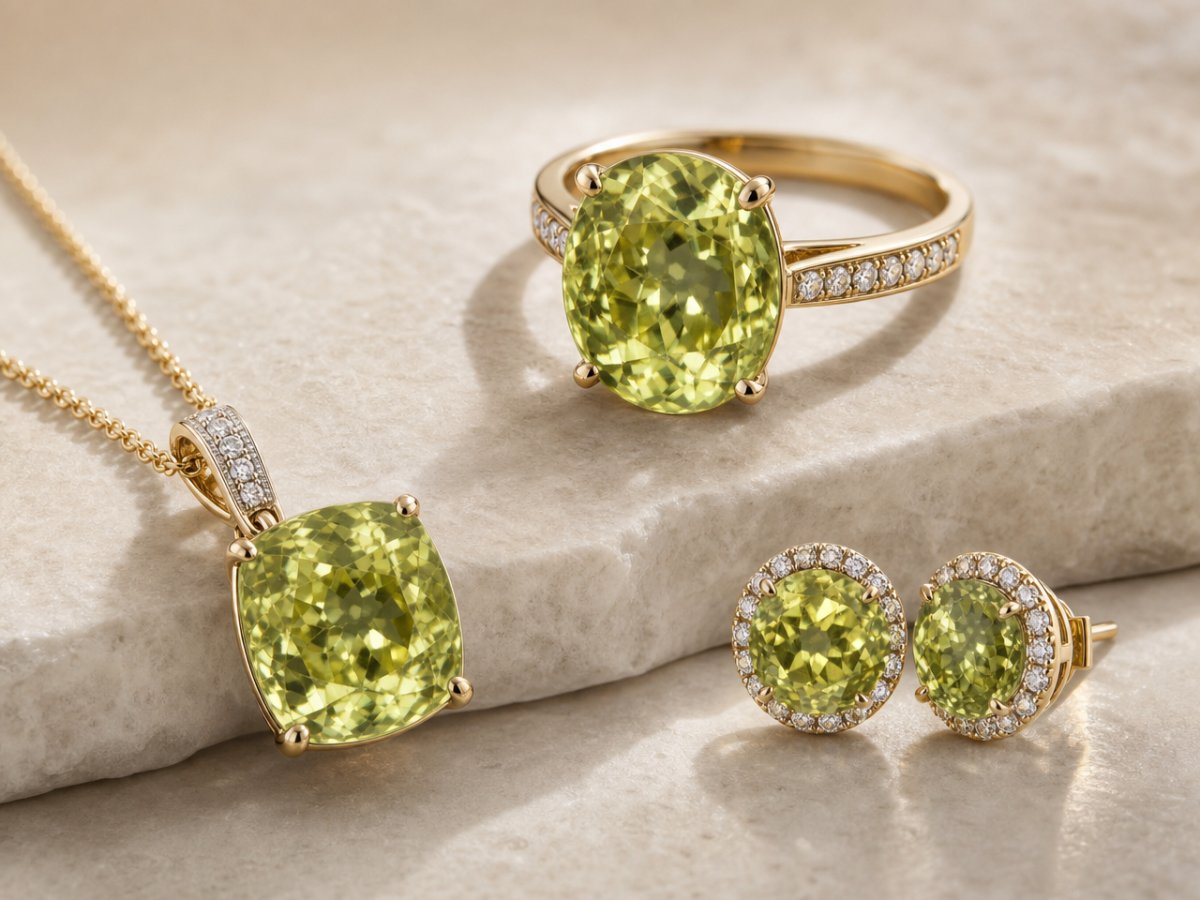
Rings are a common use for sillimanite, but they experience more impact than most other jewelry types. If you are choosing sillimanite for a ring, consider a secure setting and a design that offers some protection to the stone, especially for everyday wear. Bracelets also receive frequent contact, so cabochons or more protective settings may be sensible choices.
Earrings and pendants are generally easier uses because they are less exposed to hard knocks. Brooches can also be a suitable option where the gem is not subject to heavy abrasion. For any sillimanite jewelry, clean with mild soap, water and a soft cloth or brush, and store separately from harder gems to help prevent scratches.
Treatments and Disclosure
Sillimanite is commonly offered as untreated. This is helpful for buyers who prefer natural color without enhancement. Even so, treatment disclosure should still be part of the buying process. A reputable seller should clearly state whether the gemstone is untreated or if any treatment information is known.
When buying from GemSelect or any trusted gemstone dealer, review the product details carefully. For higher-value purchases or custom jewelry projects, documentation and transparent product descriptions can provide added confidence.
Origins
Important sources for sillimanite include India and Sri Lanka, with Madagascar also associated with this gemstone. Other known origins include Brazil, Kenya, Myanmar and Tanzania. Origin can be interesting for collectors, but most jewelry buyers should prioritize the individual gem's appearance, cut quality, size and disclosure over country of origin alone.
If origin is important to you, look for seller-provided origin information. Without documentation, it is better not to assume that a sillimanite gem comes from a particular country based only on color or appearance.
Key Gemological Properties
The following properties can help buyers, jewelers and collectors understand sillimanite and compare it with other gemstones:
- Mineral group: Aluminosilicate
- Chemical formula: Al₂SiO₅
- Crystal system: Orthorhombic
- Mohs hardness: 6.5-7.5
- Refractive index: 1.658-1.680
- Specific gravity: 3.23-3.27
For practical buying, hardness is the most immediately relevant property because it helps guide jewelry use and care. Refractive index and specific gravity are more useful for gem identification and professional gemological testing.
How to Choose a Sillimanite Gemstone
1. Start with the intended jewelry use
Choose the stone with its final setting in mind. A ring or bracelet needs a durable design and secure mounting, while earrings, pendants and brooches can allow more flexibility in shape and size.
2. Compare color face-up
Look at the gemstone as it will be seen in jewelry. Yellow, brown, gray, green and white sillimanite can each be appealing, but the most suitable color is the one that complements the metal, design and wearer's taste.
3. Decide between cabochon and faceted cut
Select a cabochon for a smooth, polished appearance with emphasis on color and shape. Choose a faceted stone if you prefer more sparkle and light reflection. In both cases, good polish and pleasing proportions are important.
4. Check measurements, not just carat weight
Carat weight does not always show how large a stone will appear once set. Review millimeter dimensions, especially for calibrated jewelry settings, matched pairs or designs where the gemstone must fit an existing mounting.
5. Confirm treatment information
Because sillimanite is commonly untreated, clear disclosure is a reasonable expectation. If the listing states untreated, keep that information with your purchase records, especially for collection or resale documentation.
Final Thoughts
A good sillimanite purchase is one where the color, cut, size and setting all work together. Yellow tones are especially notable, cabochons are common, faceted stones offer a different visual style, and untreated material is a key point for buyers who value natural gemstones. Choose based on the individual stone rather than assumptions, and use clear seller information to make a confident decision.