

Serpentine is a distinctive gemstone best known for its green colors, smooth polish and naturally earthy appearance. Its name, visual character and association with serpent-like patterns have shaped much of its traditional symbolism. Rather than being defined by a single famous legend or royal history, serpentine is appreciated as an ornamental gemstone with strong associations to nature, renewal and grounded beauty.
For gemstone enthusiasts, collectors and jewelry designers, serpentine offers a softer, organic style of meaning. Its symbolism comes from the way it looks, the origin of its name and the way people continue to use it in personal adornment and decorative objects today.
What Is Serpentine?
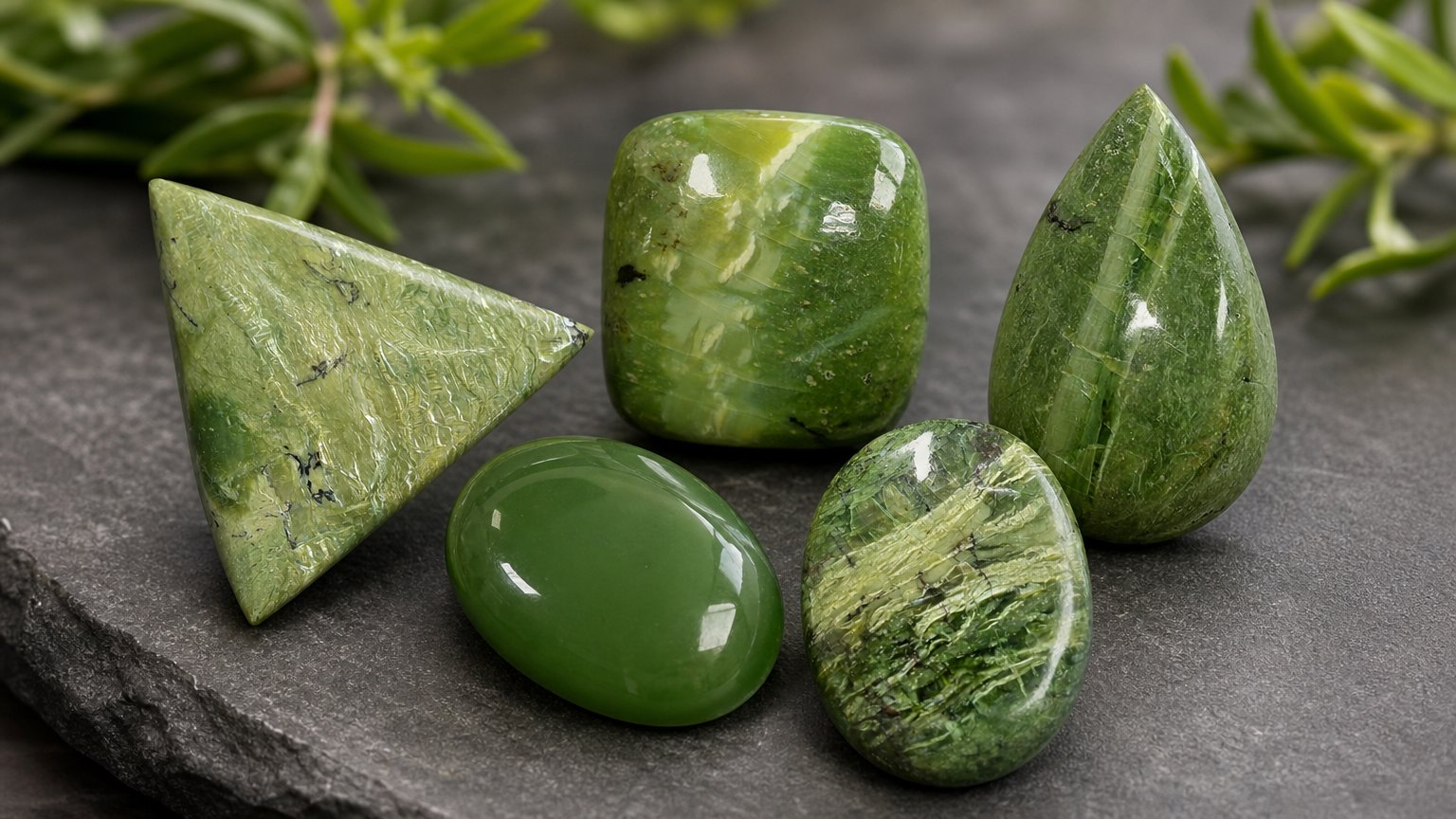
Serpentine is a gemstone name associated with minerals including antigorite and chrysotile. In gem use, it is most often valued for its attractive color, compact texture and ability to take a smooth polish. Serpentine is commonly fashioned as cabochons and carvings, forms that highlight its surface patterning rather than relying on sparkle.
Green is the most recognized serpentine color, although brown, gray, black, white and yellow varieties also occur. This natural range gives serpentine an earthy character that fits well with its traditional meanings.
Name Origin and Etymology
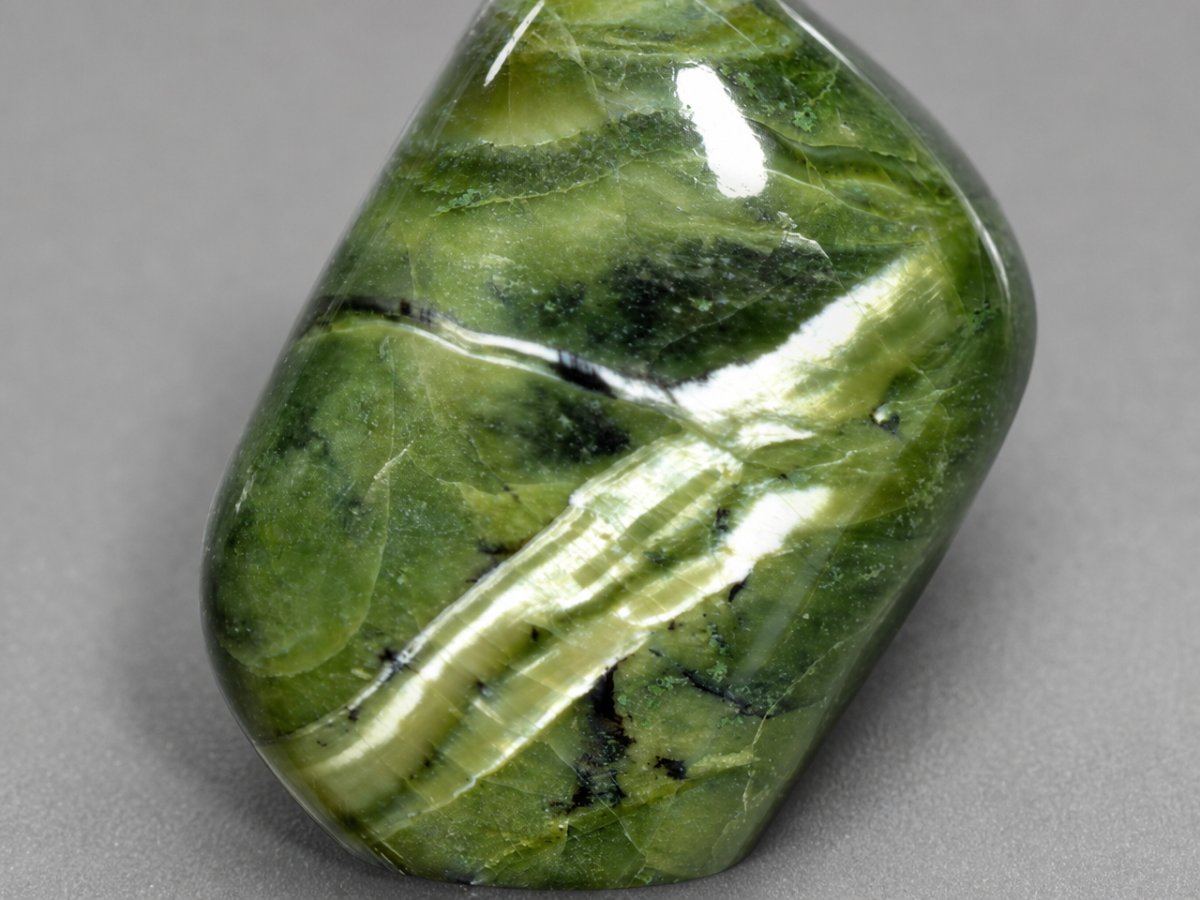
The name serpentine is generally understood to come from its serpent-like appearance. Many pieces show green, mottled or softly patterned surfaces that can resemble the skin of a snake. This visual connection is central to the gemstone's identity and helps explain why much of its symbolism is linked to the serpent as an image.
The name should be understood as descriptive rather than literal. Serpentine is not connected to snakes in a biological sense; the association comes from color, texture and pattern.
Serpentine Meaning and Symbolism
Traditionally and in modern gemstone symbolism, serpentine is often associated with renewal, transformation and connection to the natural world. These meanings are strongly influenced by the serpent image, especially the idea of a snake shedding its skin. In symbolic language, shedding skin can represent change, release and new beginnings.
Its green color also contributes to its meaning. Green gemstones are commonly linked with nature, growth and calm. Serpentine's softer, more muted greens give it a grounded quality rather than a bright or showy one. For this reason, it is often chosen by people who prefer gemstones with an organic, understated presence.
In modern crystal and spiritual traditions, serpentine is sometimes described as a stone of grounding, personal growth or emotional steadiness. These are cultural and personal beliefs, not scientifically proven effects. The most reliable way to understand serpentine meaning is as symbolic: it can serve as a reminder of change, resilience and a close relationship with nature.
Color and Its Symbolic Character
Because serpentine is most closely identified with green, its symbolism is often gentler and more natural than that of many brighter gemstones. Green serpentine may suggest renewal, patience and balance. Brown and gray tones add an earthier feeling, while black, white or yellow accents can make individual stones appear more dramatic or unusual.
This range of colors is one reason serpentine is popular for carvings and cabochons. The stone's meaning is often experienced visually: a polished serpentine gem can feel calm, ancient, natural or protective depending on its pattern and color balance.
Historical and Cultural Context
Serpentine belongs to the broader tradition of ornamental gemstones that are valued for color, polish and carving potential. Stones of this type have often been appreciated not only as jewelry materials but also as decorative and symbolic objects. With serpentine, the most important cultural thread is its name and serpent-like appearance, which naturally invites symbolic interpretation.
The gemstone is known from several important source regions, including India and the United States, with additional sources such as China, Pakistan, Afghanistan and Australia. These origins reflect serpentine's wide geographic presence and help explain why it appears in different forms in the modern gem market.
When discussing serpentine's past, it is important to separate documented gem information from folklore. The supplied and commonly accepted gemological context supports serpentine as a recognized ornamental gemstone, but many of its deeper symbolic meanings belong to tradition, personal interpretation and modern crystal culture rather than documented historical events.
Serpentine in Modern Gem Culture
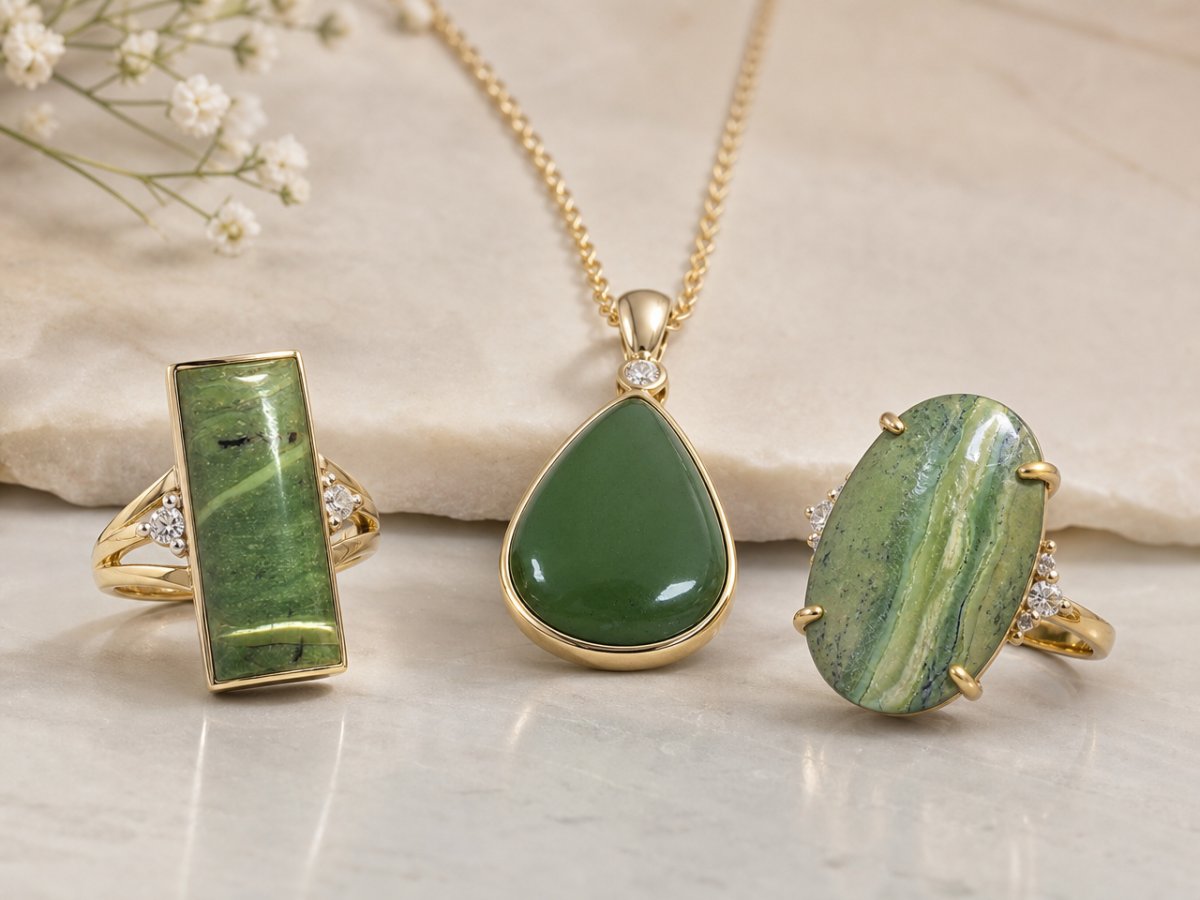
Today, serpentine is often appreciated by people who like gemstones with a natural, earthy look. It is commonly seen in pendants, necklaces, rings, bracelets and brooches, where its smooth polish and green tones can be worn close to the body as a personal symbol. Carved serpentine pieces are also valued because the material's patterns can give each object an individual character.
Most serpentine encountered in the gem trade is appreciated for its natural appearance, and untreated material is common. For buyers who are drawn to meaning, this can strengthen the appeal of serpentine as a gemstone that feels direct, simple and close to nature.
Serpentine Meaning Today
For modern gemstone lovers, serpentine meaning is usually centered on transformation, natural harmony and quiet strength. Its serpent-inspired name suggests renewal, while its green color connects it with growth and the earth. These symbolic associations make serpentine a thoughtful choice for people who want a gemstone with meaning but prefer a subtle, organic style.
GemSelect offers serpentine for customers who appreciate gemstones with distinctive color and traditional symbolism. Whether viewed as an ornamental gem, a collector's stone or a personal talisman, serpentine remains valued for the way its appearance and name work together to create a memorable identity.
Summary
Serpentine is a meaningful gemstone whose symbolism comes from its green color, serpent-like appearance and long-standing role as an ornamental stone. Its meanings are best understood as traditional and symbolic rather than scientific. For many people, serpentine represents renewal, transformation, nature and grounded beauty.