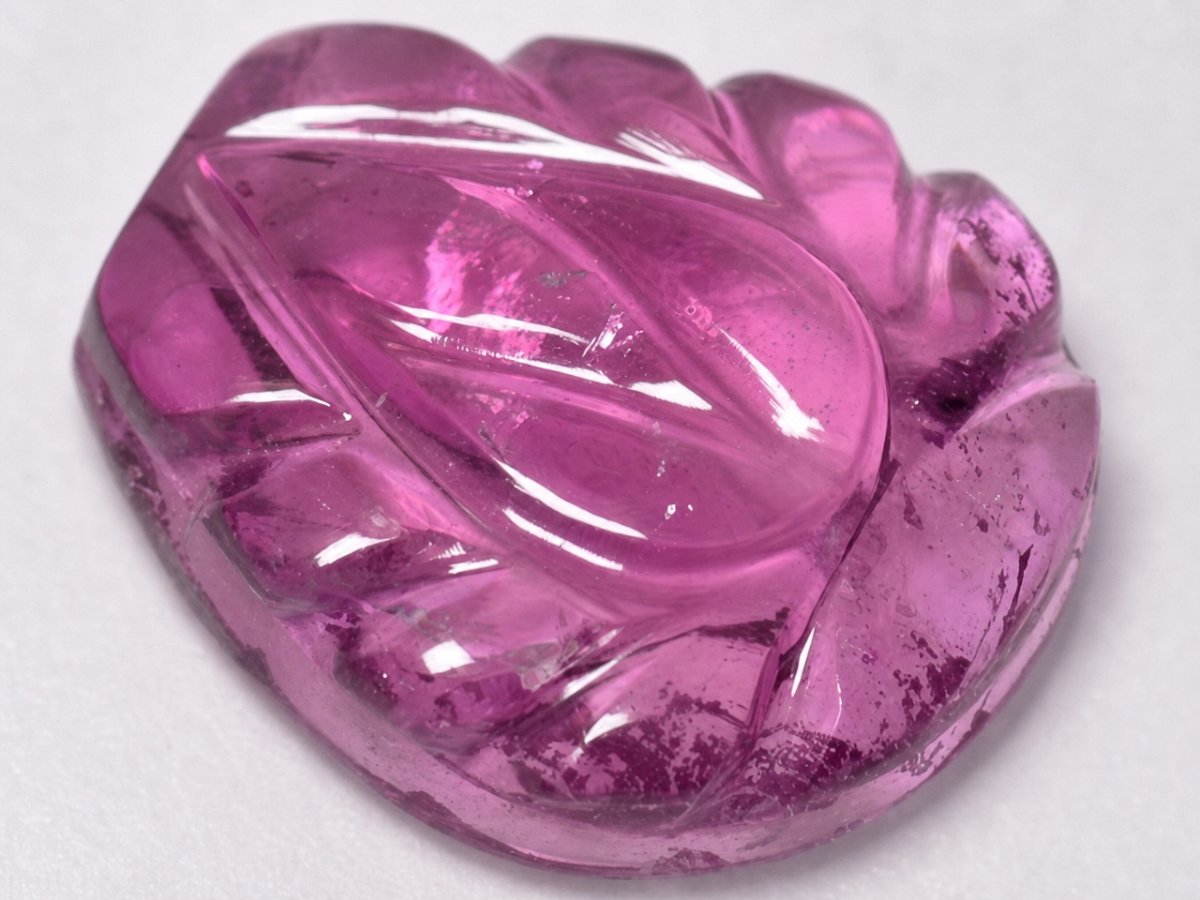


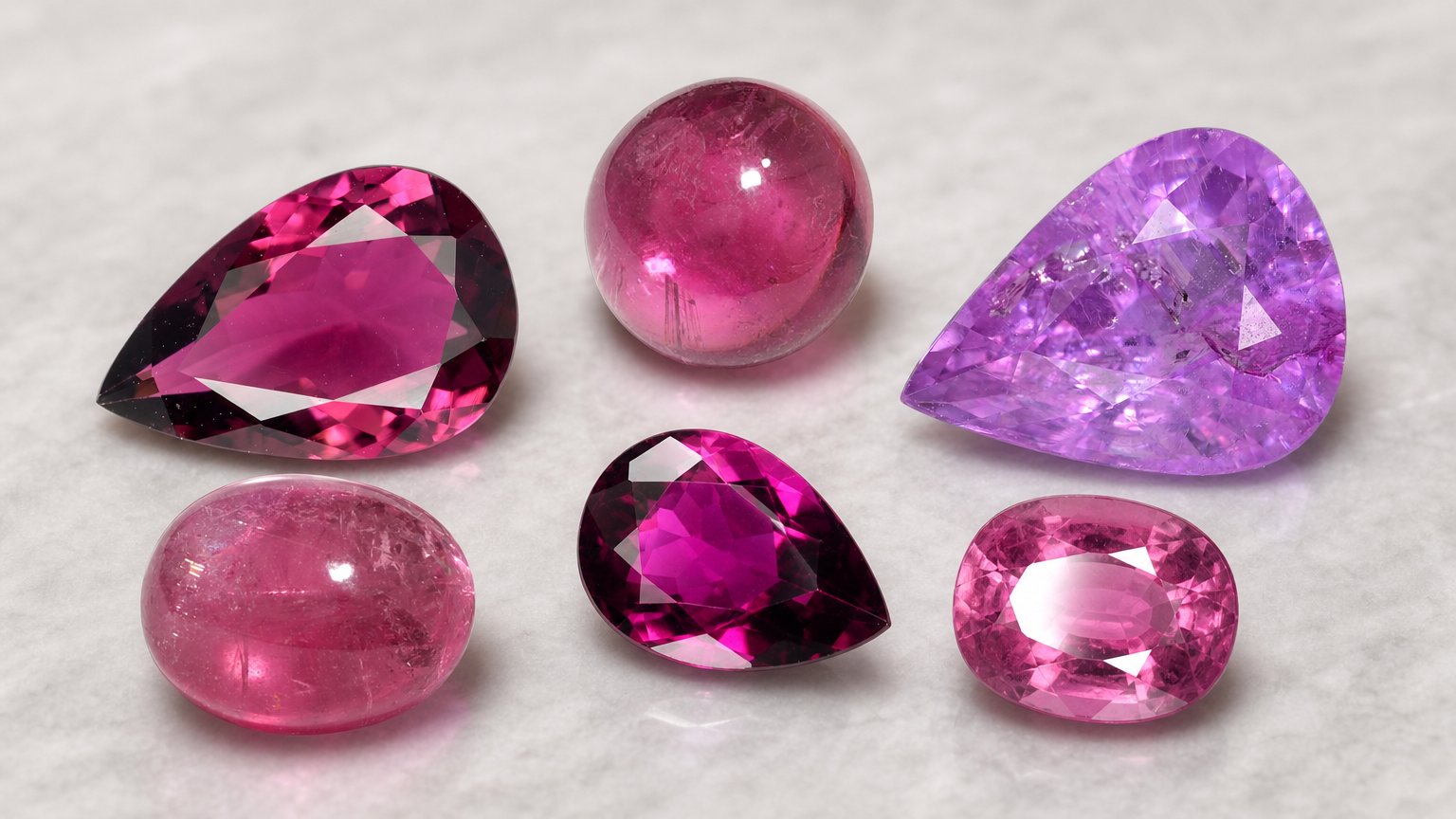
Purple tourmaline is a distinctive color variety of tourmaline, valued by buyers who want a gem with rich purple appearance and the practical durability needed for many jewelry designs. As an elbaite tourmaline, it combines attractive color with a Mohs hardness of 7 to 7.5, making it suitable for rings, earrings, pendants and other well-designed jewelry.
This guide focuses on the buying factors that matter most: color, cut, clarity, durability, treatments, origin and how the stone will be used in jewelry. Use it to compare loose purple tourmaline gems more confidently and choose the best stone for your design or collection.
What Is Purple Tourmaline?
Purple tourmaline is a purple member of the tourmaline gemstone family and is associated with the elbaite mineral species. Tourmaline is a complex borosilicate mineral with a trigonal crystal system. For buyers, the most important point is simple: purple tourmaline should be judged primarily by its visible beauty, cutting quality, clarity, size and suitability for the intended jewelry piece.
It is also part of the broader tourmaline birthstone tradition for October, which can make it a meaningful choice for birthstone jewelry when a purple gem is preferred.
Color: The Main Buying Factor
Color is usually the first thing buyers notice in purple tourmaline. Since the defining color is purple, compare stones based on how pleasing, even and lively the color appears to your eye. Some buyers prefer a deeper, more saturated purple, while others may want a softer or brighter purple that looks lighter in jewelry.
When comparing stones online, look at multiple images when available and pay attention to how the gem appears across the whole face. A well-chosen purple tourmaline should not look overly dark in normal viewing, especially if it will be set in a ring or pendant where light return is important.
Practical color tips
- Choose by personal preference: Purple gems can vary in mood from delicate to dramatic. Select the tone that suits the design.
- Consider the setting: A darker purple may look elegant in simple metal settings, while lighter stones can work well when the design needs brightness.
- Check face-up appearance: The face-up view is the view you will see most often in jewelry.
Clarity and Transparency
Clarity affects both beauty and buying confidence. As with most transparent faceted gemstones, the practical question is whether inclusions are distracting to the unaided eye. Small internal features may be acceptable if the stone still looks attractive, but visible fractures, dull areas or distracting inclusions should be considered carefully, especially for rings.
For a collector or high-visibility jewelry design, a cleaner-looking stone may be preferable. For earrings or a pendant, where the gem is viewed from a greater distance, slight inclusions may be less important if the color and cut are appealing.
Cut, Shape and Light Performance
Purple tourmaline is commonly available as faceted gems, with cabochons also seen. Step cuts are also used and can suit the crystal-like elegance of tourmaline. The best choice depends on the look you want and how the gem will be worn.
Faceted cuts are often chosen when brightness and sparkle are priorities. Cabochons offer a smoother, softer appearance and can be attractive in more understated or organic jewelry designs. Step cuts, including octagonal shapes, tend to emphasize clean lines, symmetry and color.
Common shapes to consider
Oval shapes are especially common and practical because they offer a classic outline and work well in rings, pendants and earrings. Cushion and octagon shapes are also popular choices, with pear, round, trillion and square shapes appearing as additional options. When choosing a shape, consider both appearance and setting availability.
Do not judge cut only by shape. A good cut should show balanced symmetry, an attractive outline, pleasing proportions and good face-up color. If a stone has a large window, meaning a see-through area in the center, it may look less lively once set.
Size and Carat Weight
When buying purple tourmaline, compare millimeter dimensions as well as carat weight. Carat weight tells you how much the gem weighs, but dimensions tell you how large it will appear in a setting. Two stones of the same carat weight can face up differently depending on cut depth and shape.
For jewelry projects, begin with the required dimensions if you already have a setting. If you are designing from the gemstone outward, choose the stone first and then build the setting around its exact measurements.
Durability and Everyday Wear
Purple tourmaline has a Mohs hardness of 7 to 7.5, which gives it good resistance to scratching compared with many softer gems. This makes it suitable for many jewelry styles, including rings, earrings and pendants.
For rings and bracelets, which receive more knocks than earrings or pendants, choose a secure setting and avoid exposing the gem to rough impact. Protective settings, careful wear and routine cleaning help preserve the stone's appearance. Earrings and pendants are lower-impact uses and are often excellent choices for showcasing purple tourmaline.
Treatments and Disclosure
Purple tourmaline is commonly offered as untreated. For buyers, treatment disclosure is important because it supports confidence and helps you compare stones fairly. Always review the seller's treatment information before purchase.
When shopping at GemSelect, check the individual gemstone listing for treatment details, measurements, photos and other identifying information. If you need documentation for a special purchase, collector stone or custom jewelry project, consider whether additional gemological reporting is appropriate.
Origin: Useful, but Appearance Comes First
Purple tourmaline is associated with several origins, including Brazil and Mozambique, with Madagascar also important. Other known sources include Afghanistan, Namibia and Russia. Origin can be interesting to collectors and may help tell the story of a gem, but for most jewelry buyers, the visible quality of the stone should come first.
Unless a stone is accompanied by reliable origin information, avoid making a purchase based only on claimed locality. Color, cut, clarity, dimensions and treatment disclosure are usually more practical buying factors than origin alone.
Gemological Properties at a Glance
| Gemstone family | Tourmaline |
| Associated species | Elbaite |
| Color | Purple |
| Mohs hardness | 7-7.5 |
| Refractive index | 1.614-1.666 |
| Specific gravity | 3.02-3.26 |
| Crystal system | Trigonal |
| Chemical formula | Complex borosilicate |
Best Jewelry Uses for Purple Tourmaline
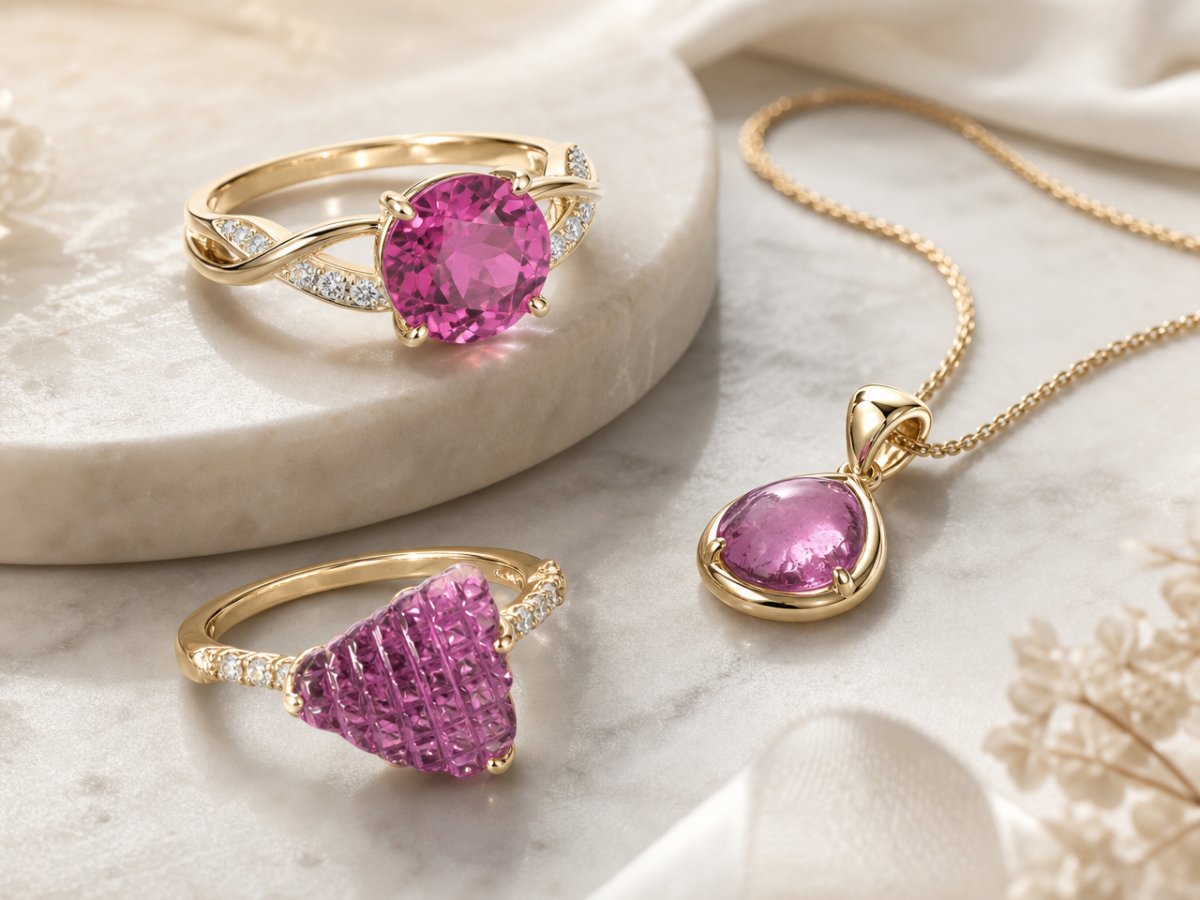
Purple tourmaline is versatile enough for many jewelry styles. Rings are a popular use, especially when the setting protects the gem and matches the wearer's lifestyle. Earrings and pendants are also excellent choices because they display the color well while reducing exposure to knocks.
Bracelets and necklaces can also feature purple tourmaline, but bracelets need more protection because they are more likely to hit hard surfaces. For any jewelry item, make sure the setting fits the stone's shape, dimensions and intended wear.
How to Choose the Right Purple Tourmaline
Start with the purpose of the purchase. A ring stone should be durable enough for the wearer's habits and should have a secure setting plan. An earring pair should match well in color, size and shape. A pendant can often showcase a larger or more dramatic gem because it is less exposed to daily impact.
Next, compare stones in this order: color, face-up appearance, clarity, cut, dimensions and treatment disclosure. Origin can be considered afterward if it matters to you. This approach keeps the decision focused on the qualities that most affect beauty and usability.
Buyer checklist
- Is the purple color attractive in the face-up view?
- Does the cut give the gem good life and balanced proportions?
- Are inclusions acceptable for the intended jewelry use?
- Do the millimeter dimensions fit the setting or design?
- Is treatment information clearly disclosed?
- Is the stone suitable for the expected amount of wear?
Care Tips
Clean purple tourmaline with warm water, mild soap and a soft brush or cloth. Rinse well and dry carefully. Store it separately from harder gems and jewelry that could scratch or damage it. Remove tourmaline jewelry before heavy work, sports or activities where the stone may be struck.
Summary
Purple tourmaline is an appealing choice for buyers who want a purple gemstone with good jewelry versatility. Focus first on color and overall appearance, then evaluate clarity, cut, size, durability and treatment disclosure. Origins such as Brazil, Mozambique and Madagascar may add interest, but the best purchase is the stone that fits your design, budget and expectations most clearly.