


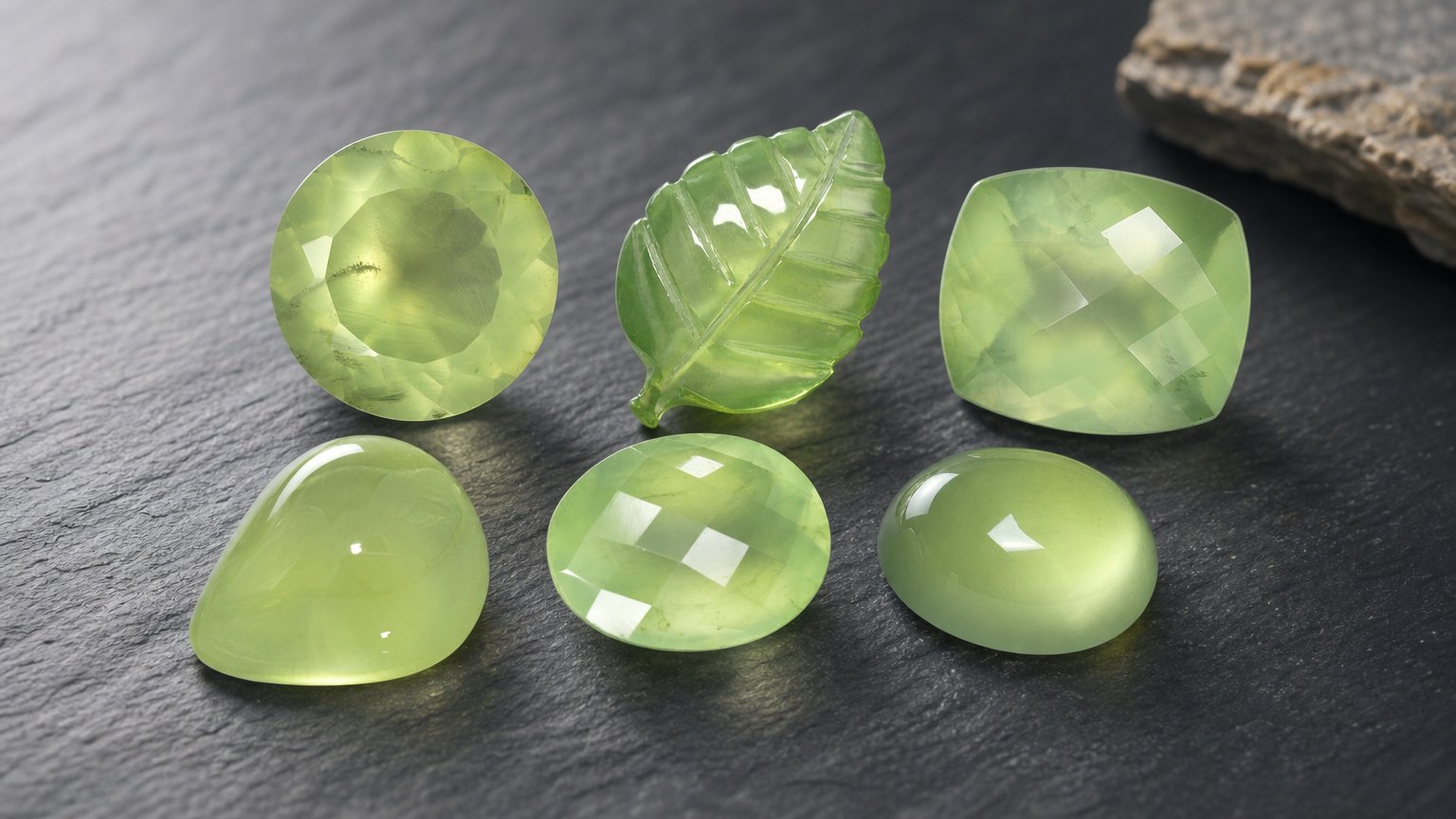
Prehnite is a distinctive silicate gemstone chosen by many buyers for its soft, appealing color palette and versatile jewelry potential. It is most closely associated with green, while white and yellow prehnite are also known. For shoppers, the key to choosing prehnite is not to look for a complicated grading system, but to compare individual gems carefully for color, cutting quality, size, durability needs and treatment disclosure.
This buying guide explains the main points to consider before purchasing prehnite, whether you are selecting a single loose gemstone, matching stones for earrings, or choosing a gem for a pendant, necklace, ring or bracelet design. GemSelect lists important details such as dimensions, weight and treatment information on individual gemstone pages, and these details should be considered together rather than in isolation.
What Is Prehnite?
Prehnite is a silicate mineral with the chemical formula Ca₂Al(AlSi₃O₁₀)(OH)₂. Its crystal system is orthorhombic, and its gemological properties place it among colored gemstones that require thoughtful but not overly complicated buying decisions.
For buyers, the most useful technical properties are its hardness, refractive index and specific gravity. Prehnite has a Mohs hardness of 6 to 6.5, a refractive index of 1.611 to 1.669, and a specific gravity of 2.80 to 2.95. These figures help gemologists identify the material and help jewelry buyers understand how the stone may perform in different types of jewelry.
Prehnite Color: What to Look For
Color is usually the first feature buyers notice in prehnite. Green is the most important and most strongly associated color for this gemstone. If you are shopping for a classic prehnite look, begin by comparing green stones and paying attention to how pleasant, even and attractive the color appears to your eye.
Prehnite can also be found in white and yellow. These colors may suit buyers looking for a softer or less traditional appearance. White prehnite can work well in understated designs, while yellow prehnite may appeal to those who prefer warmer tones. Because personal preference plays a large role in colored gemstone buying, the best choice is the stone whose color works with your design, metal choice and intended style.
Color Evenness and Personal Preference
When comparing prehnite gemstones, look at the overall color impression rather than relying on a single label. Two stones may both be described as green, yet one may appear lighter, deeper, warmer or cooler than the other. If you are buying for a pair of earrings or a multi-stone necklace, matching color becomes especially important. For a pendant or statement piece, you may prefer the individual stone with the most attractive face-up appearance.
View product images carefully and compare measurements as well as weight. A gemstone’s face-up size and cut can influence how its color is perceived. Larger stones, deeper stones and different cutting styles may show color differently, so it is wise to evaluate the whole gemstone rather than color name alone.
Clarity and Appearance
Prehnite buying is usually based on overall beauty and suitability rather than a formal clarity grade. When reviewing a stone, consider whether any visible internal features, surface-reaching marks or cutting characteristics affect the appearance in a way that matters to you. Some buyers prefer the cleanest-looking gem available, while others are more focused on color, shape or size.
For jewelry use, examine how the stone looks face-up, since that is the view most people will see when it is set. If a stone is intended for a pendant or necklace, small characteristics may be less noticeable in wear than they would be under magnification. For a ring, where the gemstone is often viewed at close range and exposed to more contact, appearance and condition deserve closer attention.
Prehnite Cuts and Shapes
Cut is one of the most important practical considerations when buying prehnite. The most common cut style for prehnite is the cabochon. A cabochon has a smooth, polished, domed surface rather than a faceted crown and pavilion. This style can emphasize the gemstone’s color and overall surface appearance, making it a popular choice for pendants, rings and other jewelry designs.
Checkerboard cuts are also commonly seen in prehnite. A checkerboard cut uses a pattern of small facets across the top of the stone, giving the surface a lively geometric look. This can be attractive for buyers who want more visual texture than a plain cabochon while still keeping a broad face-up appearance.
Faceted prehnite is also available, though it is less strongly associated with the gemstone than cabochon cutting. Faceted gems may appeal to buyers who prefer a more traditional gemstone style, but cutting precision still matters. Check that facets are symmetrical, the outline is pleasing, and the stone sits well for the intended setting.
Popular Shapes
Oval prehnite is especially common and practical. The oval shape works well in pendants, rings and earrings because it is balanced, elegant and easy to incorporate into many settings. Cushion and round shapes are also useful choices, particularly for classic jewelry designs or matched layouts.
Freeform and pear shapes may appeal to designers looking for a more individual appearance. Freeform stones can be especially useful in custom jewelry where the shape itself becomes part of the design. Pear shapes are often attractive in pendants and earrings because they create a sense of direction and movement.
Size and Measurements
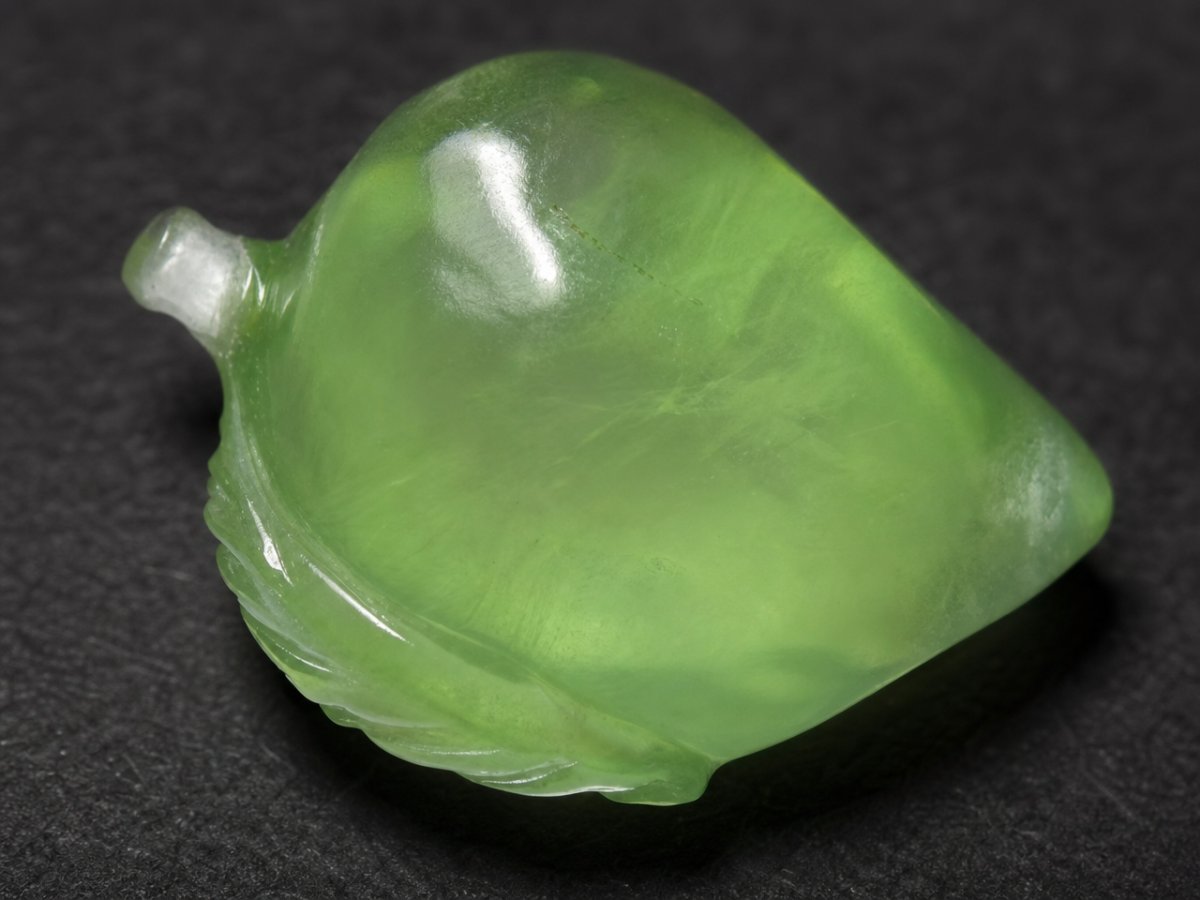
When buying prehnite, do not judge size by carat weight alone. Carat weight tells you how much the stone weighs, while millimeter measurements tell you how large it will appear and whether it will fit a setting. This is especially important when comparing cabochons, checkerboard cuts and faceted stones, because different cutting styles distribute weight differently.
If you are replacing a stone in an existing setting, measurements are more important than weight. If you are designing a new piece, use dimensions to plan the jewelry proportions. For earrings, close matching in diameter, length, width and depth can make the finished pair look more balanced. For pendants and necklaces, the ideal size depends on the design and how prominently you want the stone to be displayed.
Prehnite Origins
Prehnite is associated with several origins, with South Africa being especially important. Other known origins include Australia, China, India, Mali and Namibia. For many buyers, origin can add interest to a gemstone, but it should be considered alongside visible quality and suitability for the intended use.
Unless a buyer has a specific collecting goal, the most practical approach is to choose prehnite based on the stone itself: color, cut, size, condition, treatment disclosure and how it will be used in jewelry. Origin information can be a welcome detail, but it does not replace careful visual comparison.
Gemological Properties Buyers Should Understand
Prehnite’s gemological properties help explain how it should be handled and used. Its Mohs hardness of 6 to 6.5 means it has moderate resistance to scratching. It is harder than some ornamental materials, but it is not as hard as gems such as sapphire or diamond. This makes setting choice and wearing habits important.
The refractive index range of 1.611 to 1.669 is an identification property used in gemology. For buyers, it is enough to understand that refractive index relates to how light behaves inside a gem. Cut and polish still play a major role in how attractive an individual prehnite appears.
Specific gravity, listed for prehnite as 2.80 to 2.95, describes relative density. This is more useful for identification than for everyday buying, but it is one reason two gemstones of the same dimensions may not have exactly the same carat weight.
Durability and Everyday Wear
Durability is a practical buying issue, especially if you are choosing prehnite for a ring or bracelet. With a hardness of 6 to 6.5, prehnite can be used in jewelry, but it should be worn with reasonable care. Pendants, earrings and necklaces are generally safer choices because they are less exposed to knocks and abrasion during daily activity.
Rings are possible, but the setting should help protect the gemstone. A design with a secure bezel or protective prongs may be preferable to an exposed setting, particularly for regular wear. Bracelets receive more contact than pendants and earrings, so buyers should be especially careful with bracelet designs and wearing habits.
General care is straightforward: store prehnite separately from harder gemstones, avoid rough handling, and clean it gently. As with many colored gemstones, avoid exposing jewelry to unnecessary impact or harsh conditions. If in doubt, remove rings and bracelets before physical work, sports or activities where the stone could be struck.
Treatments and Disclosure
Prehnite is commonly offered as untreated. Treatment disclosure is still important when buying any gemstone, because it helps you understand exactly what you are purchasing. An untreated gemstone has not been enhanced by a treatment process, and many buyers appreciate clear disclosure for confidence and comparison.
When shopping with GemSelect, review the treatment information provided for the specific stone you are considering. Do not assume that all gemstones are the same simply because they share the same gem name. Always check the individual listing details before making a final decision.
Best Jewelry Uses for Prehnite
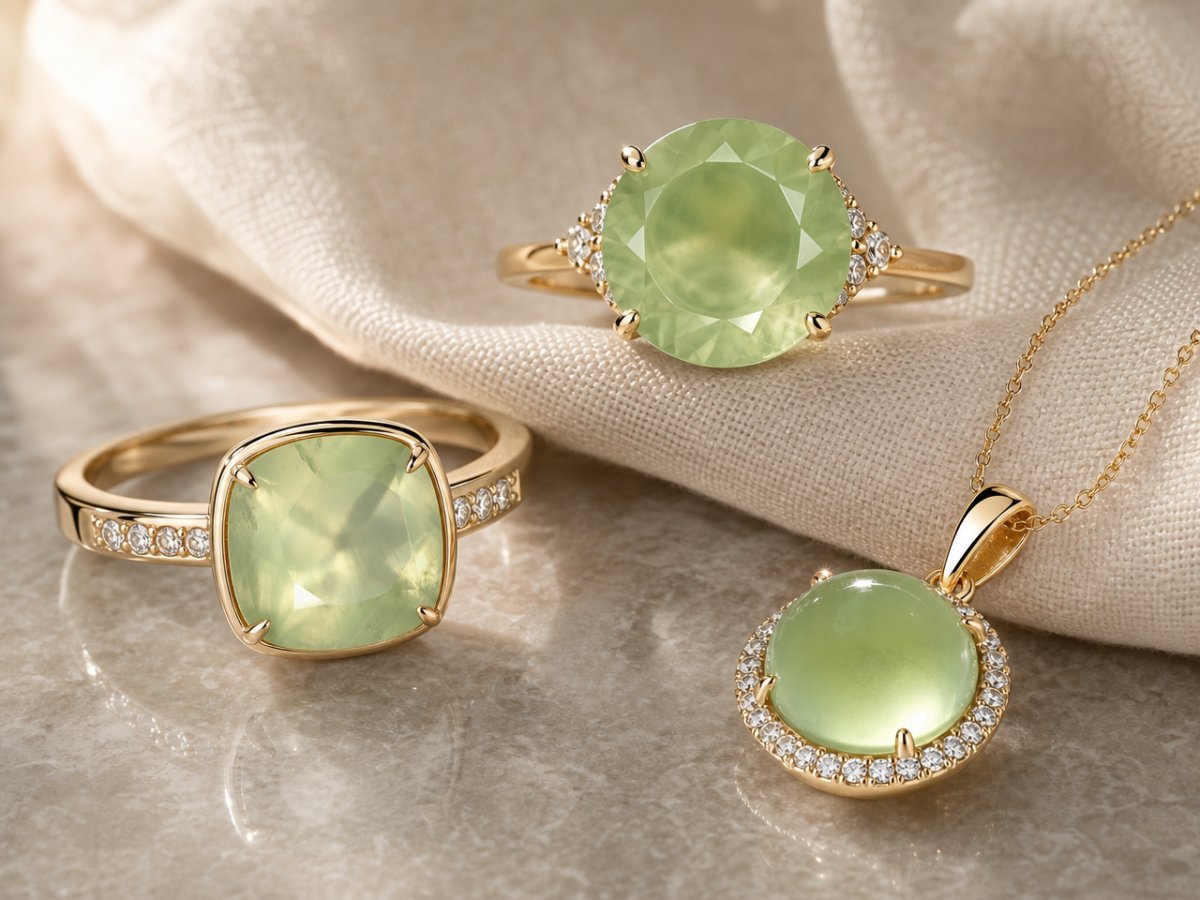
Prehnite is well suited to pendants, where its color and shape can be displayed prominently with reduced risk of impact. Oval cabochons and checkerboard stones can make attractive pendant centerpieces, while pear shapes can create elegant drop designs.
Earrings and necklaces are also strong uses for prehnite. Earrings benefit from matched pairs in similar color, shape and size. Necklaces may use one featured gemstone or several coordinated stones, depending on the design. In both cases, prehnite is protected better than it would be in jewelry exposed to frequent knocks.
Rings can be beautiful, but they require more thought. Choose a setting that protects the stone and consider whether the ring will be worn daily or occasionally. For occasional wear, a prehnite ring may be easier to maintain. For daily wear, buyers should be mindful of the gemstone’s moderate hardness and avoid harsh use.
Bracelets are possible, but they are the most vulnerable of the common jewelry options because they are more likely to hit hard surfaces. If you choose prehnite for a bracelet, select a secure design and wear it with care.
Practical Prehnite Buying Checklist
1. Start with Color
Decide whether you prefer the classic green look or a white or yellow option. Compare stones visually, not just by color name. Look for a color that appears attractive and suitable for the jewelry design you have in mind.
2. Choose the Right Cut
If you like a smooth, polished look, consider a cabochon. If you want more surface pattern and light play, a checkerboard cut may be appealing. If you prefer a more traditional gemstone style, compare faceted prehnite options carefully for symmetry and overall appearance.
3. Check Measurements
Use millimeter dimensions to judge face-up size and setting compatibility. This is especially important for calibrated jewelry designs, matched pairs and replacement stones.
4. Match the Stone to the Jewelry Type
For pendants, earrings and necklaces, you have broad design flexibility. For rings and bracelets, prioritize protective settings and careful wear.
5. Review Treatment Information
Prehnite is commonly untreated, but always confirm the treatment status of the individual gemstone before purchase.
6. Consider Origin as Supporting Information
Origins such as South Africa, Australia, China, India, Mali and Namibia may interest collectors and enthusiasts. For most jewelry buyers, visible beauty and practical suitability should come first.
Summary
Buying prehnite is about balancing appearance with practical use. Green prehnite is the classic choice, while white and yellow stones offer alternative looks. Cabochons are especially common, with checkerboard and faceted cuts also available. Oval shapes are particularly versatile, while cushion, round, pear and freeform stones give designers additional options.
For jewelry, prehnite is often best suited to pendants, earrings and necklaces, though it can also be used in rings and bracelets with appropriate care. Its Mohs hardness of 6 to 6.5 means buyers should think carefully about setting protection and wearing habits. By comparing color, cut, size, treatment disclosure and intended use, you can choose a prehnite gemstone with confidence and a clear understanding of what makes it suitable for your design.
