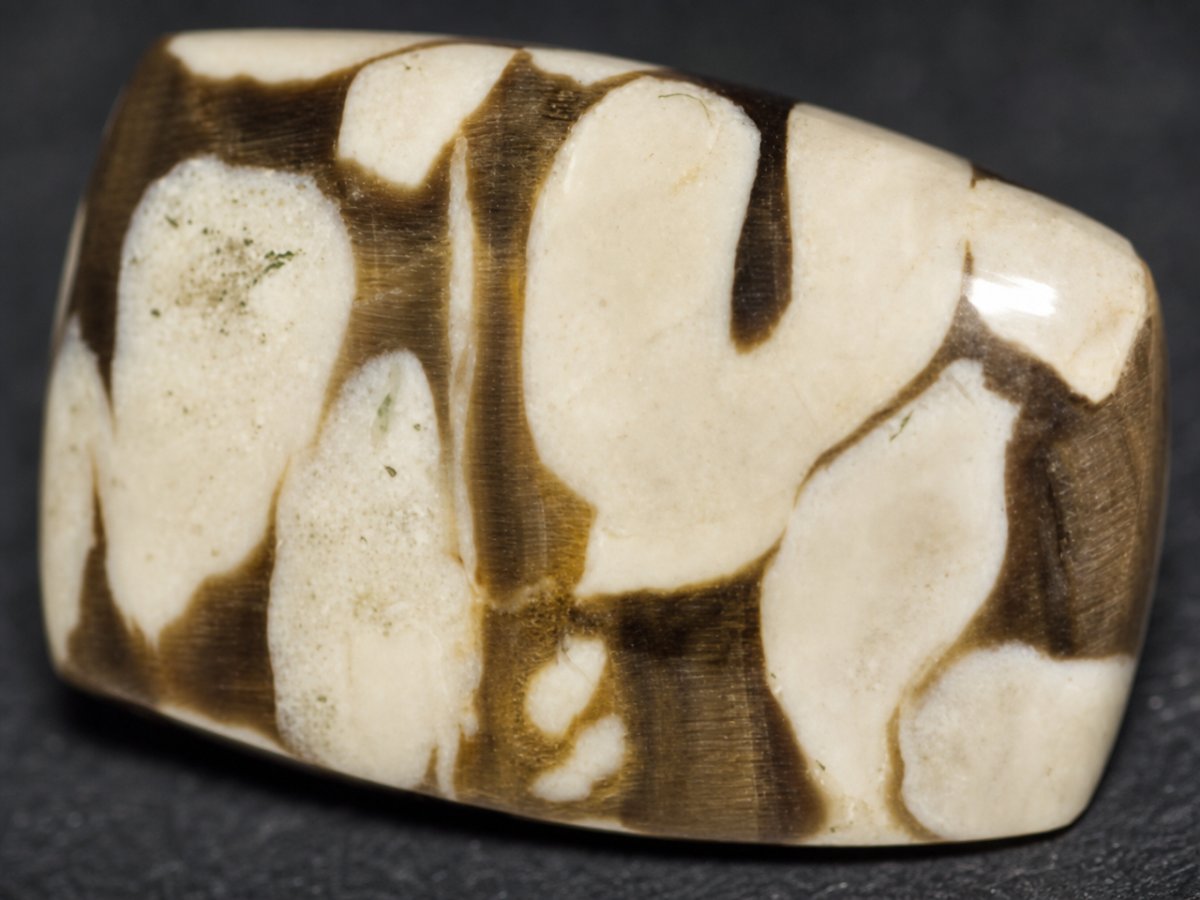


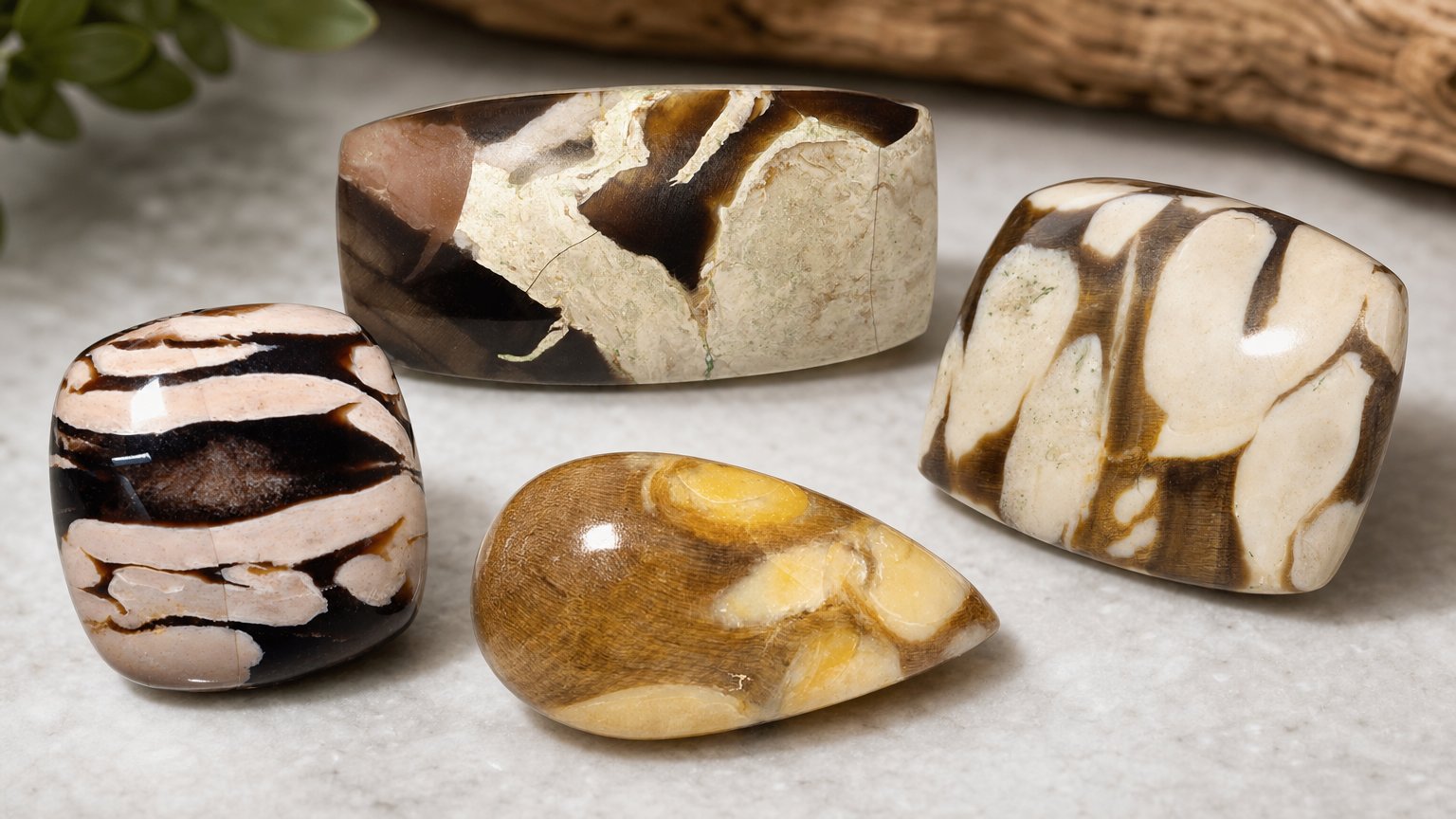
Peanut Wood is chosen by buyers who want a distinctive, natural-looking gemstone with earthy multicolor patterning rather than sparkle or transparency. Its appeal comes from the way black, brown and gray tones combine in individual stones, making each cabochon, slice or carving visually unique.
This guide explains the practical points that matter when buying Peanut Wood: appearance, cut quality, durability, treatments, origin and suitable jewelry use.
What Is Peanut Wood?
Peanut Wood is a silica-based gemstone material composed primarily of SiO2. Gemologically, it is amorphous to microcrystalline, meaning it does not show the large crystal structure seen in transparent faceted gems such as quartz or sapphire. Buyers usually select it for pattern, surface finish and overall character rather than brilliance.
Because Peanut Wood is generally used as an ornamental patterned gem, the best stones are those with an attractive face-up design, good polish and a shape that suits the intended jewelry or collection purpose.
Color and Pattern: The Main Buying Factor
Color is one of the most important considerations when choosing Peanut Wood. It is typically multicolor, with black, brown and gray tones often contributing to its appearance. Rather than looking for a single "best" color, buyers should look for pleasing contrast, balanced distribution and a pattern that remains attractive when viewed from normal jewelry distance.
For pendants and display pieces, larger stones can show more of the natural pattern. For rings or smaller jewelry, choose a cabochon with a clear, well-centered design so the character of the material is not lost in a small setting.
Cut and Shape
Cabochons are the most common and practical cut for Peanut Wood. A cabochon cut has a smooth domed top and flat or slightly curved base, which helps display the color and pattern across the surface. When evaluating a cabochon, check that the dome is even, the outline is symmetrical where intended and the polish is smooth.
Oval shapes are especially common and work well for pendants, necklaces and rings. Cushion and pear shapes are also attractive options when a softer or more decorative outline is preferred. Round and freeform pieces may appeal to buyers who want a more individual design. Peanut Wood may also be found as carvings or slices, which are best chosen for collectors, pendants or custom jewelry where the natural pattern is the central feature.
Durability and Wearability
Peanut Wood has a Mohs hardness of 6.5 to 7, giving it respectable scratch resistance for many jewelry uses. This makes it suitable for pendants, necklaces and brooches, where it is less exposed to knocks. It can also be used in rings, but ring settings should protect the edges and surface from hard impacts.
Bracelets are possible, but they experience more contact with desks, door handles and other hard surfaces. If choosing Peanut Wood for a bracelet, a secure setting and sensible wear are important. As with many patterned cabochon gems, the stone should be protected from sharp blows, rough handling and abrasive storage with harder gemstones.
Treatments and Authenticity
Peanut Wood is commonly offered as untreated. For buyers, this is helpful because the appearance is appreciated as a natural patterned material rather than the result of enhancement. When purchasing, check that the seller clearly discloses treatment status. GemSelect listings, for example, identify gemstone details so buyers can compare options with more confidence.
Because each piece can look different, photographs are especially important. Review the actual stone's color, pattern, polish and dimensions rather than relying only on the gemstone name.
Origin
Australia is an important origin for Peanut Wood. Origin can be meaningful for collectors and buyers who prefer stones with a known source, but it should be considered alongside appearance and cutting quality. A well-cut, attractive stone is usually more desirable for jewelry than a poorly finished stone chosen only for origin.
Jewelry Use: Where Peanut Wood Works Best
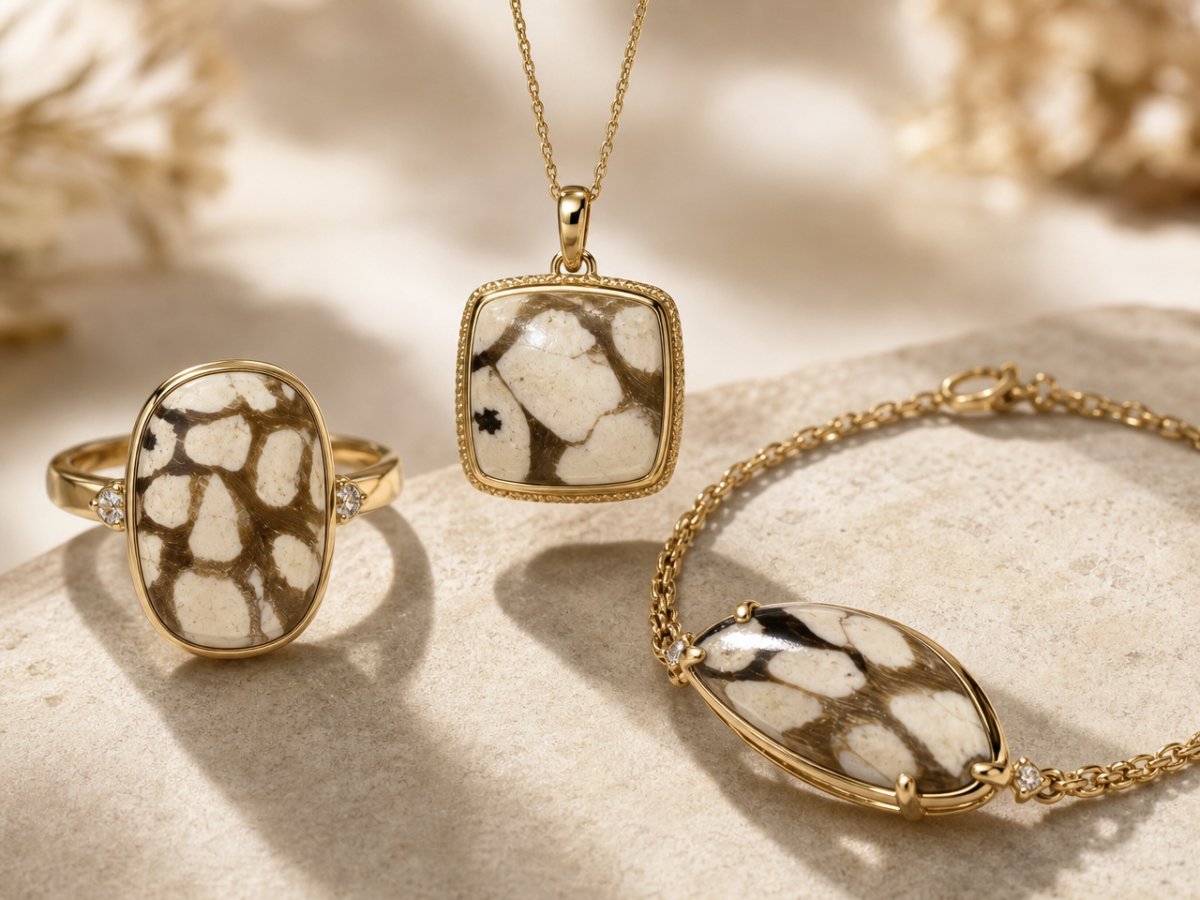
Peanut Wood is particularly well suited to necklaces and pendants because these designs allow the pattern to be seen clearly while keeping the stone away from heavy wear. A larger oval, pear or freeform cabochon can make an effective focal piece.
Rings can be attractive, especially with oval or cushion cabochons, but they should be worn with more care than very tough everyday ring stones. Brooches are also a good choice because they display the material well and are not usually exposed to much abrasion. Bracelets should be selected with durability in mind, especially if the design leaves the stone raised or exposed.
How to Choose Peanut Wood: Practical Buying Checklist
1. Choose the pattern first
Select a stone with a face-up design you genuinely like. Look for contrast between the multicolor areas and avoid stones where the pattern appears visually flat or poorly positioned for the intended setting.
2. Check polish and surface quality
A good polish improves the look of Peanut Wood and helps the colors appear clearer. Examine product photos for dull areas, uneven surfaces or chips along the edge.
3. Match size to jewelry use
For pendants and necklaces, larger stones can be very effective. For rings, choose a size that is comfortable and can be protected by the setting. For bracelets, lower-profile stones are usually more practical.
4. Consider shape and setting
Oval cabochons are versatile and easy to set. Pear and cushion shapes add design interest, while freeform stones are useful for one-of-a-kind jewelry. Slices and carvings should be evaluated for both artistry and structural soundness.
5. Confirm treatment and origin information
Look for clear disclosure that the stone is untreated and, when available, information confirming Australian origin. These details help with purchasing confidence, especially for collectors and custom jewelry buyers.
Care Tips for Peanut Wood Jewelry
Clean Peanut Wood with a soft cloth and mild soapy water when needed. Avoid harsh chemicals, rough abrasives and hard knocks. Store it separately from harder gemstones to reduce the chance of scratches or surface wear.
Summary
Peanut Wood is a distinctive choice for buyers who value natural-looking multicolor pattern, earthy tones and cabochon-style jewelry. The best purchase is usually the stone with the most appealing pattern, good polish, appropriate shape and suitable size for the planned design. With a hardness of 6.5 to 7 and common untreated status, it is practical for pendants, necklaces, brooches and carefully worn rings.