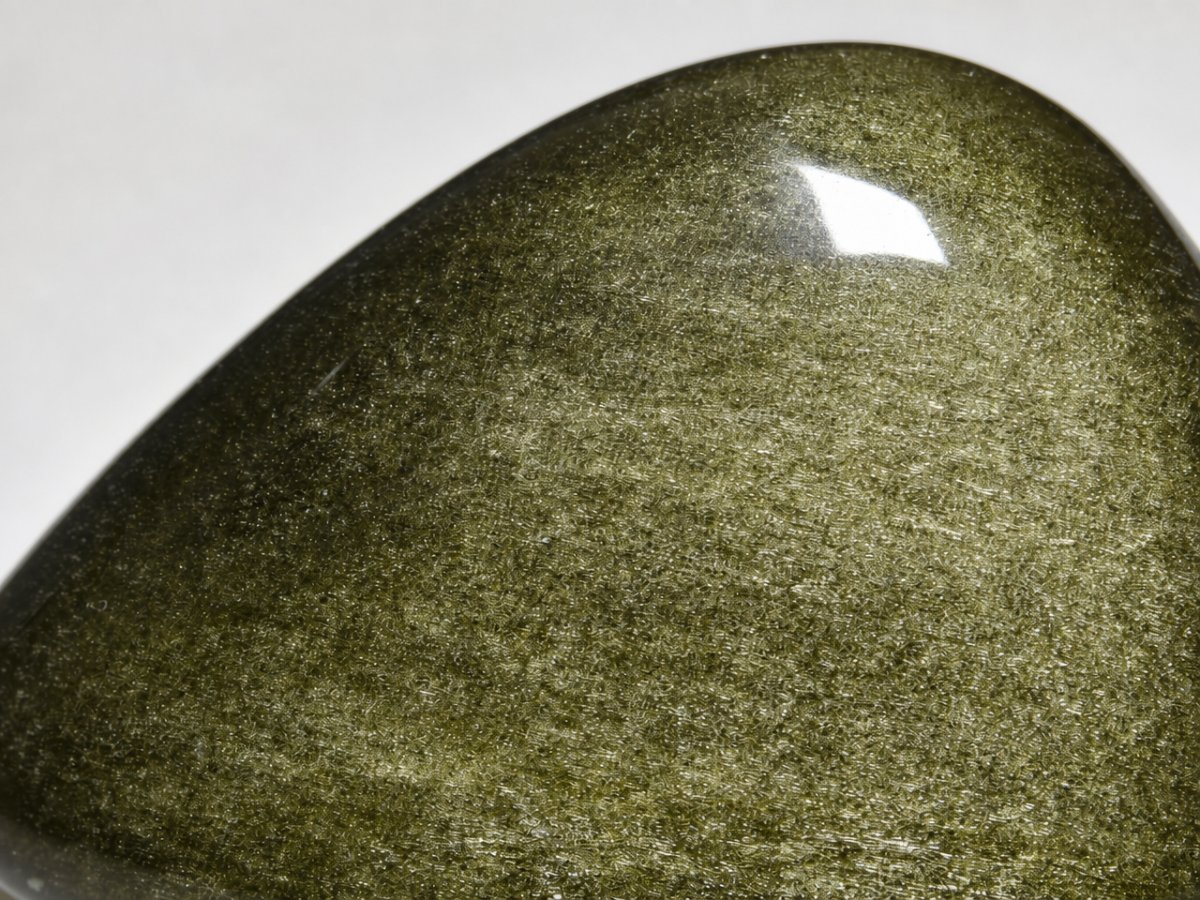


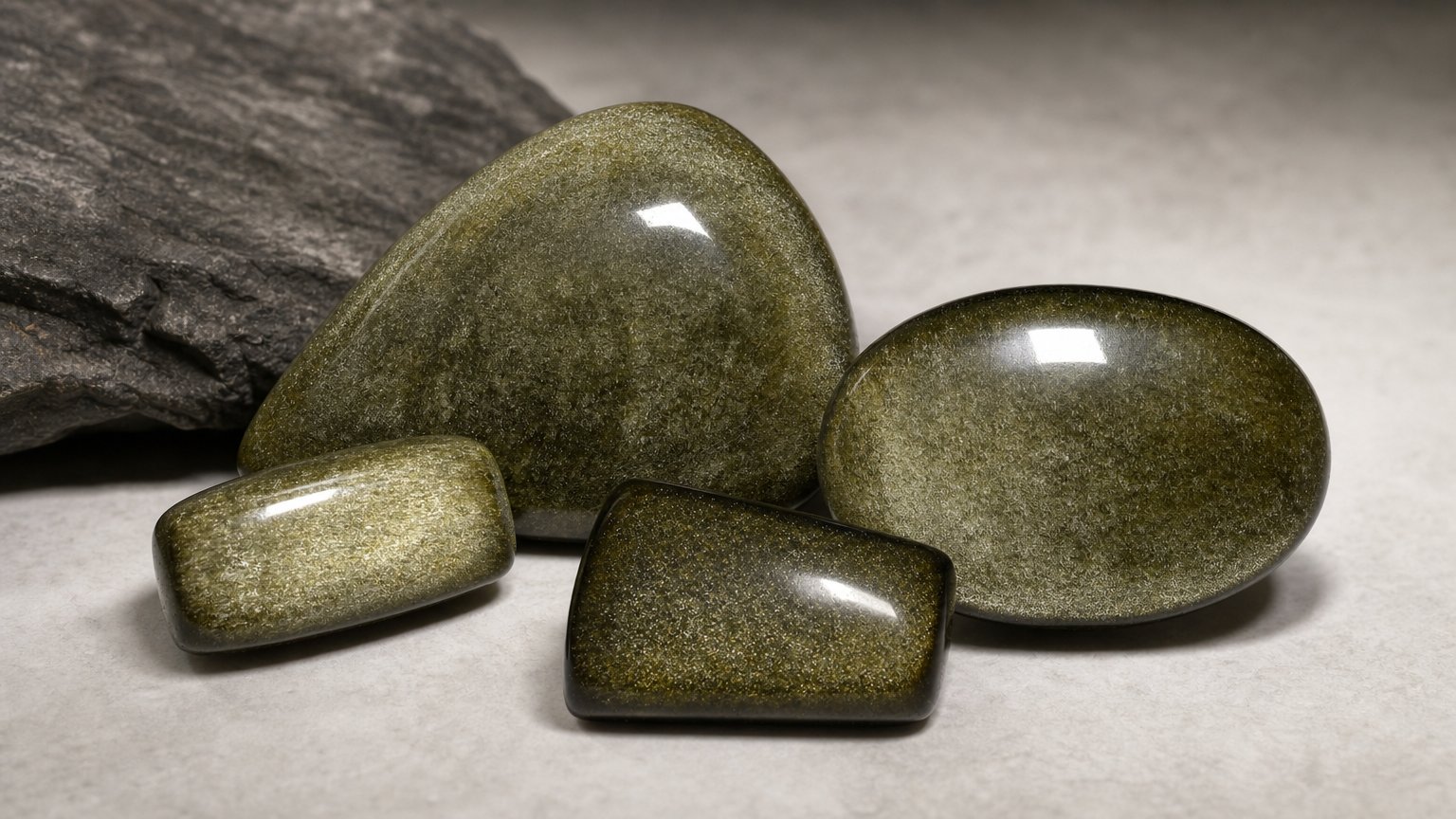
Obsidian is a gemstone with a strong visual identity. Its most familiar color is deep black, although gray, multicolor, brown, yellow and green examples are also known. Because of this dramatic appearance, obsidian is often chosen for jewelry and carved objects that feel bold, simple and expressive.
This guide focuses on obsidian meaning, symbolism and cultural interpretation. Where symbolism is discussed, it should be understood as tradition, design language or personal meaning rather than scientific fact. GemSelect presents obsidian as both a natural gem material and a stone with a distinctive emotional presence in modern jewelry.
What Does Obsidian Mean?
In contemporary gemstone symbolism, obsidian is most often associated with depth, stillness, strength and reflection. These meanings come largely from its appearance: black obsidian has a dark, polished surface that can look quiet, intense and mirror-like. For many wearers, that visual quality makes the stone feel protective, grounding or introspective.
These associations belong to folklore, personal symbolism and modern crystal traditions. They are not medical or scientific claims. A more practical way to understand obsidian meaning is to see it as a gemstone that communicates contrast, focus and natural simplicity.
The Identity Behind the Symbolism
Obsidian is an amorphous gemstone material, meaning it does not have a regular crystal structure like many crystalline gemstones. This glass-like identity helps explain why polished obsidian can have such a smooth, reflective appearance. Its gemological profile includes a Mohs hardness of 5 to 5.5, a refractive index of 1.45 to 1.55 and a specific gravity of 2.35 to 2.65.
For a meaning guide, these details matter because obsidian's symbolism is closely tied to how it looks and feels. Unlike gemstones admired mainly for brilliance or fire, obsidian is appreciated for surface, shadow, polish and form.
Color Symbolism in Obsidian
Black Obsidian
Black is the color most strongly connected with obsidian. In jewelry design, black gemstones often suggest elegance, restraint, mystery and strength. Black obsidian can appear especially direct and minimal, which is why it works well in symbolic jewelry where the stone itself is meant to carry the visual message.
Gray and Multicolor Obsidian
Gray and multicolor obsidian soften the stone's appearance and can add movement, contrast or a more organic character. In symbolic terms, these stones may feel less severe than pure black obsidian while still retaining the gem's quiet, reflective mood.
Brown, Yellow and Green Obsidian
Brown, yellow and green are also known obsidian colors, though they are less central to its popular identity than black. These colors can shift the feeling of the gem from stark and dramatic to warmer, earthier or more unusual.
Obsidian Origins and Cultural Context
Important present-day sources of obsidian include Mexico, the United States, Ethiopia and Turkey. Mexico is especially prominent in the current gemstone profile for obsidian, followed by the United States, with Ethiopia and Turkey also recognized sources.
Origin can add context to a gemstone's story, but it should not be used to imply unsupported historical or ceremonial associations. For buyers and collectors, knowing the source helps place obsidian within the wider world of gemstone materials while keeping the focus on verified information.
Traditional and Modern Symbolism
Obsidian is often discussed in modern symbolic language as a stone of protection, grounding and self-reflection. These ideas are best understood as cultural or personal associations. Many people choose obsidian because its dark surface feels calm, serious and centered, not because any symbolic meaning can be scientifically proven.
This distinction is important. Obsidian can be meaningful as a personal talisman, memorial stone, statement jewel or design element without requiring exaggerated claims. Its strength as a symbolic gemstone comes from its visual clarity and emotional simplicity.
Obsidian in Jewelry and Personal Expression
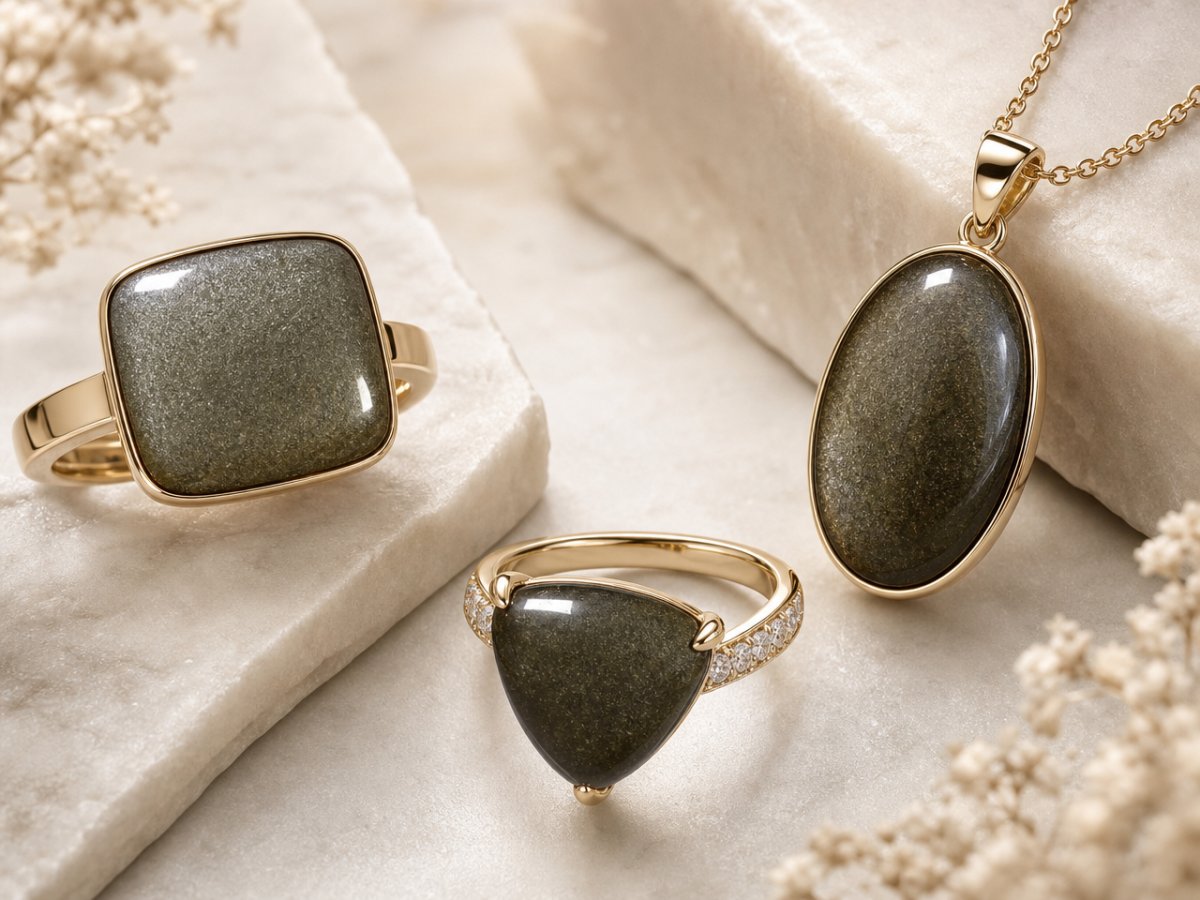
Obsidian is commonly seen in necklaces and pendants, where a polished cabochon, carving or slice can be displayed clearly. It is also used in rings, brooches and artisan jewelry. These uses support its modern symbolism: obsidian is often worn where its shape, polish and dark color can make a direct visual statement.
Cabochons are especially common because their smooth, domed surfaces emphasize the stone's polish and depth. Carvings and slices can give obsidian a more artistic or natural appearance, allowing designers to highlight form as much as color.
Is Obsidian a Birthstone or Zodiac Stone?
Obsidian is not presented here as a standard modern birthstone or official anniversary gemstone. Some people may connect it with zodiac or spiritual traditions in personal practice, but those associations should be treated as modern belief or individual symbolism rather than universally established gemological tradition.
Summary
Obsidian's meaning is rooted in its appearance: dark, smooth, reflective and visually powerful. Black obsidian is the best-known variety and is commonly associated with strength, depth, protection and reflection in modern symbolic traditions. Other colors add variety while keeping the gemstone's natural, expressive character.
Historically and culturally, obsidian should be discussed with care unless specific evidence is available. Today, its importance lies in the way collectors, designers and wearers use it as a bold gemstone of contrast, simplicity and personal meaning.