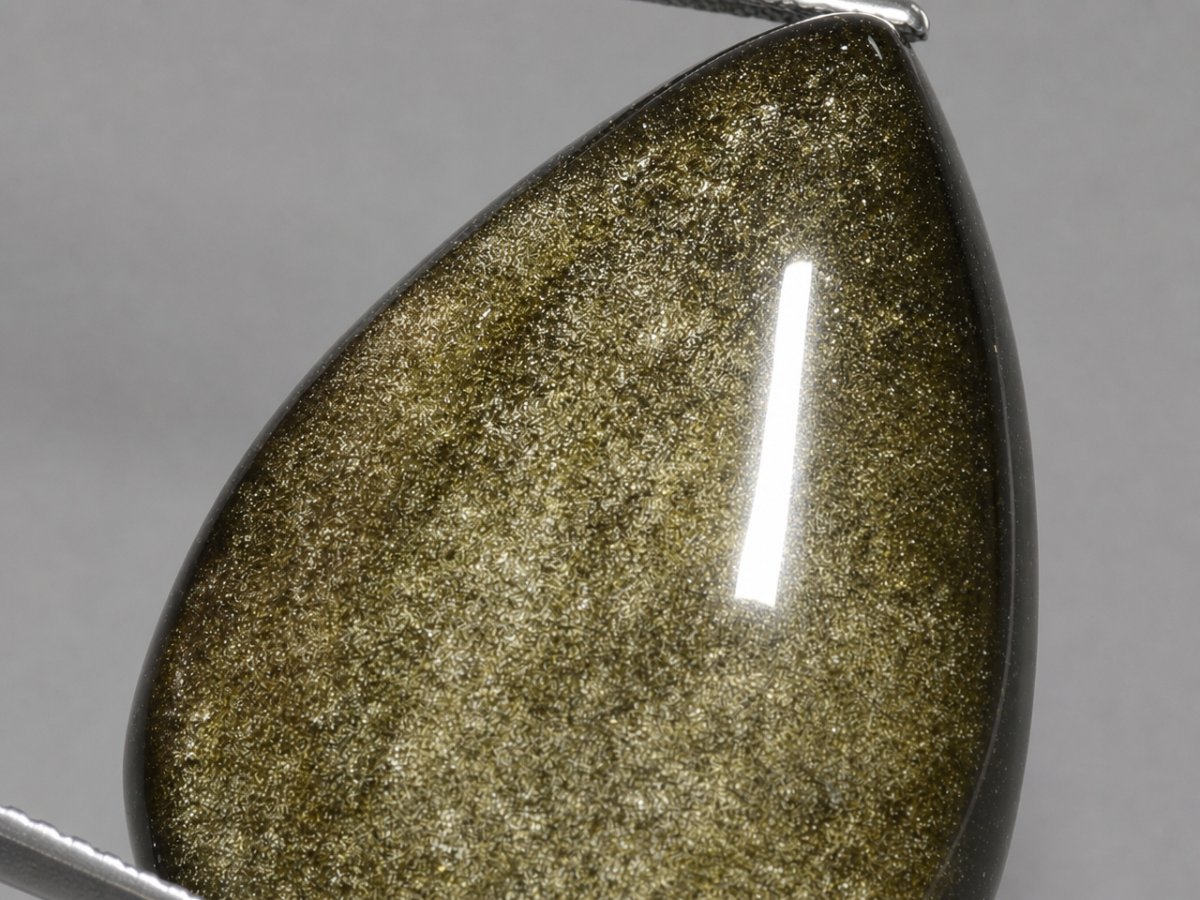


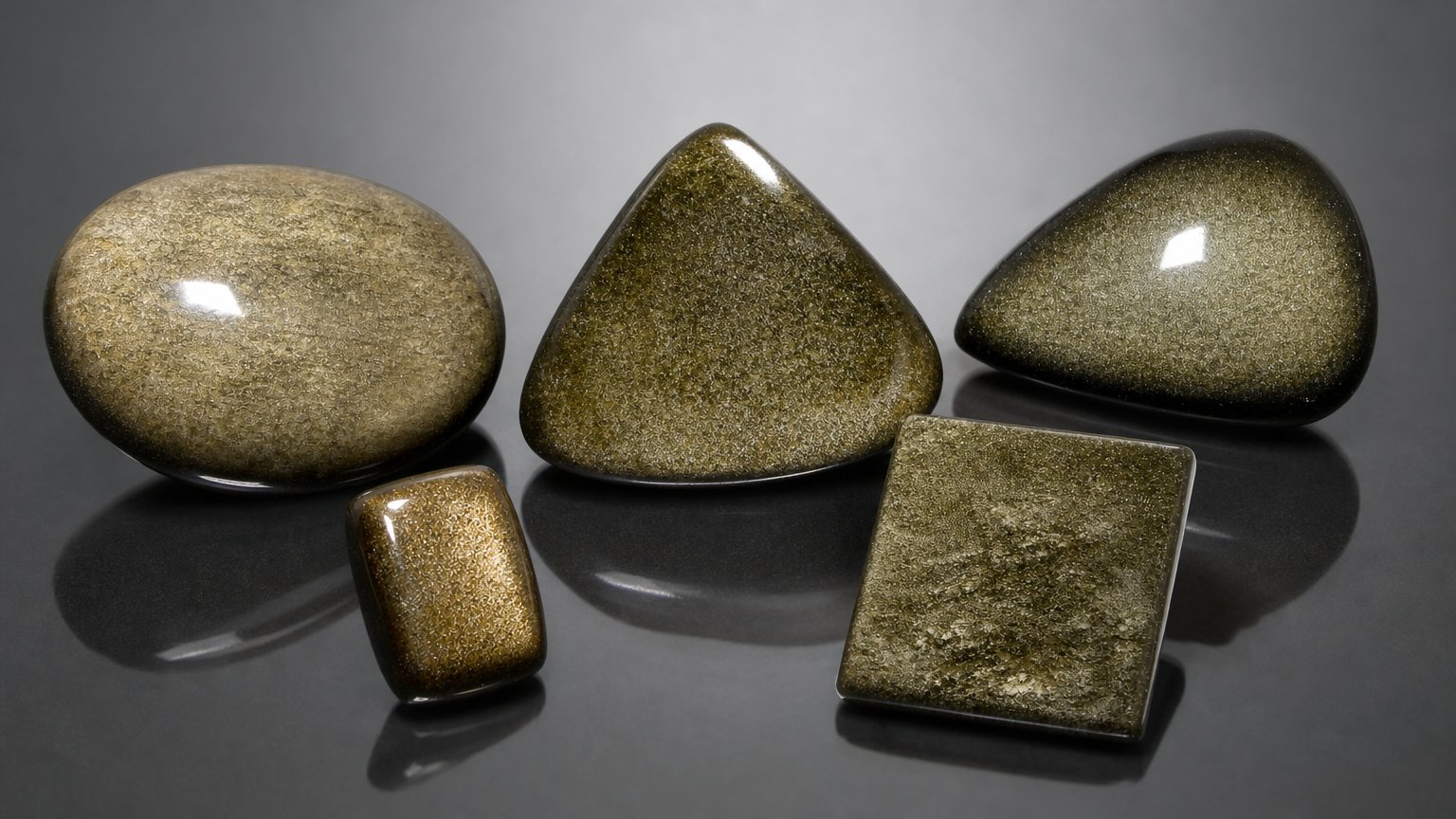
Obsidian is chosen for its bold appearance, smooth polish and strong design presence. For buyers, the most important decisions are usually color, cut style, surface quality, durability and how the stone will be used in jewelry.
This guide explains what to look for when comparing obsidian gemstones so you can choose a stone that suits your design, budget and wearing needs.
What Is Obsidian?
Obsidian is an amorphous gem material, meaning it does not have a regular crystal structure. Its chemical composition is recorded as SiO2+MgO, Fe3O4. For buying purposes, this matters because obsidian is generally selected for its body color, surface finish and shape rather than crystal form.
Key gemological properties include a Mohs hardness of 5 to 5.5, a refractive index of 1.45 to 1.55 and a specific gravity of 2.35 to 2.65. These numbers help identify obsidian and also give buyers practical clues about care and jewelry suitability.
Color and Appearance: What to Look For
Black is the classic and most important obsidian color for buyers. A fine black obsidian should have an attractive, even appearance and a well-polished surface. Because black gemstones can reveal scratches, dull polish or surface marks more readily under reflected light, inspect the stone from several angles before buying.
Gray and multicolor obsidian are also popular choices, especially when the design calls for more visual movement than solid black. Brown and yellow tones may also be found, while green is another known color option. When choosing multicolor material, look for a pattern or color distribution that works with the intended jewelry design; symmetry is less important than overall visual balance.
Unlike transparent gems where clarity grading can dominate value decisions, obsidian is usually judged more by color, polish, shape and visible surface condition. For cabochons and slices, check that the face-up appearance is pleasing and that any natural-looking variation enhances rather than distracts from the design.
Cut Styles and Shapes
Cabochon is the most common and practical cut for obsidian. A good cabochon should have a smooth dome, even outline and bright polish. The dome should not look lopsided unless the design is intentionally freeform.
Carvings and slice cuts are also used, particularly in artisan jewelry or larger decorative designs. These can be excellent choices when the stone's color pattern or outline is part of the appeal. Faceted obsidian is less common, but it can be used when the design calls for geometric surfaces rather than a smooth cabochon look.
Oval shapes are especially common and versatile. Cushion, pear and round shapes are also useful for jewelry layouts, while baguette, trillion and fancy shapes can suit more specific designs. When buying for a setting, confirm measurements carefully, especially for cabochons and non-standard shapes.
Durability and Wearability
Obsidian has a Mohs hardness of 5 to 5.5. This makes it suitable for many jewelry styles, but it should be treated with more care than harder gemstones. Harder materials can scratch it, so store obsidian separately from gems such as sapphire, ruby, spinel, topaz or quartz.
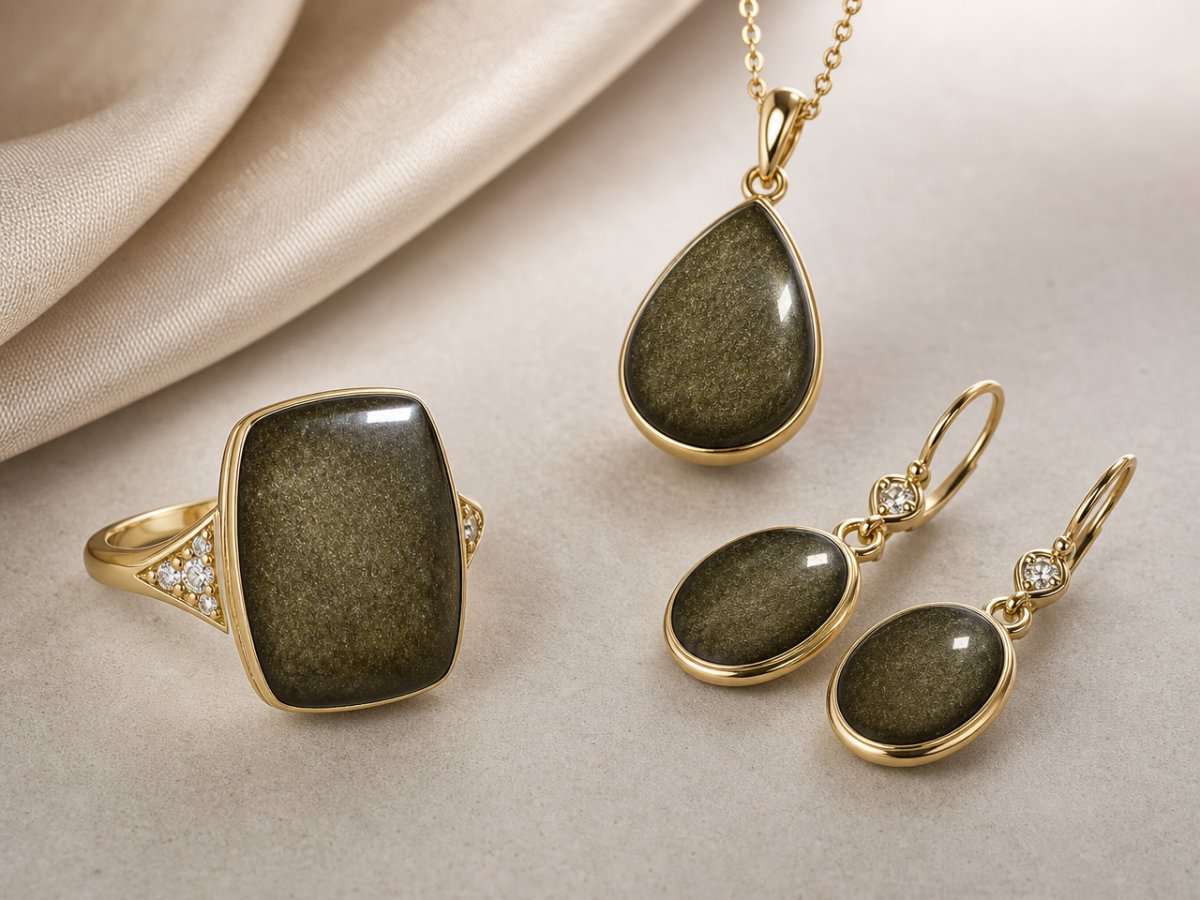
Necklaces and pendants are excellent uses for obsidian because they are less exposed to knocks and abrasion than rings. Brooches and artisan jewelry are also practical choices. Rings can be made with obsidian, but they are best for occasional wear or protective settings rather than daily heavy use.
For care, use a soft cloth and avoid harsh handling. As with many polished gemstones, remove obsidian jewelry before activities that may cause impact, abrasion or contact with chemicals.
Treatments and Disclosure
Obsidian is commonly associated with untreated material. For buyers, this is reassuring because the appearance is typically appreciated as it is. Even so, it is always good practice to buy from a seller who clearly discloses treatments and provides accurate gemstone descriptions.
When shopping at GemSelect or comparing stones elsewhere, review the product details for treatment information, dimensions, weight, shape and photos. These details are especially important when matching stones for earrings, sets or calibrated jewelry designs.
Origins: Should They Affect Your Choice?
Important obsidian sources include Mexico and the United States, with Ethiopia and Turkey also known origins. For most jewelry buyers, origin is secondary to appearance, cut quality, size and suitability for the intended design.
Origin may matter more to collectors or buyers who want a stone from a specific locality. If origin is important to you, choose a seller that provides clear origin information when available.
How to Choose the Right Obsidian
For pendants and necklaces
Choose the color and size that best support the design. Black cabochons are versatile, while gray or multicolor stones can make the piece feel more individual. A pendant can also accommodate larger cabochons, carvings or slices because it receives less wear than a ring.
For rings
Prioritize a smooth cabochon, secure setting and practical design. Because obsidian has moderate hardness, a ring should protect the stone from hard knocks and scratching. Consider wearing obsidian rings as statement or occasional pieces rather than everyday work jewelry.
For artisan jewelry
Carvings, slices and fancy shapes can be especially effective. Look for a stone with an outline, polish and color distribution that support the artistic design. Exact calibration may be less important than character and balance.
For matched designs
If buying pairs or groups, compare color tone, shape, measurements and surface finish. Black obsidian may look simple at first glance, but differences in polish, outline and depth of color can be noticeable when stones are set side by side.
Buyer's Checklist
- Color: Choose strong black for a classic look, or gray, multicolor, brown, yellow or green tones for a different visual effect.
- Cut: Cabochons are the main choice; carvings and slices suit artistic designs.
- Surface: Look for a clean polish and inspect under reflected light.
- Durability: Mohs 5 to 5.5 means reasonable care is needed, especially in rings.
- Use: Pendants and necklaces are especially suitable; rings should be protected.
- Treatment: Obsidian is commonly untreated, but disclosure is still important.
- Origin: Mexico and the United States are important sources, but appearance usually matters more for jewelry.
Summary
Obsidian is a practical and attractive choice for buyers who want a strong visual gemstone, especially in black, gray or multicolor designs. Focus on the stone's face-up appearance, polish, cut quality and intended jewelry use. Cabochons are the most common option, pendants and necklaces are especially suitable, and rings require a little more care because of obsidian's moderate hardness.