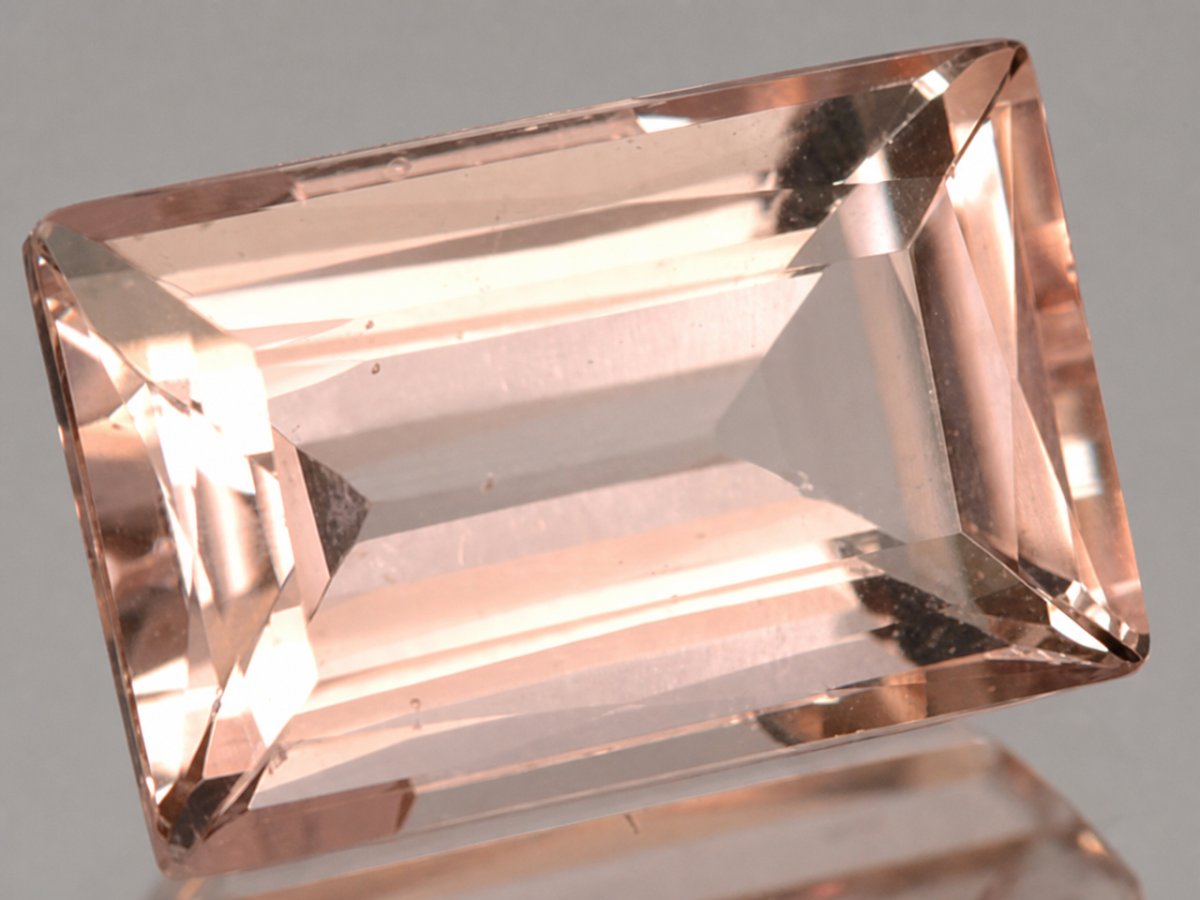


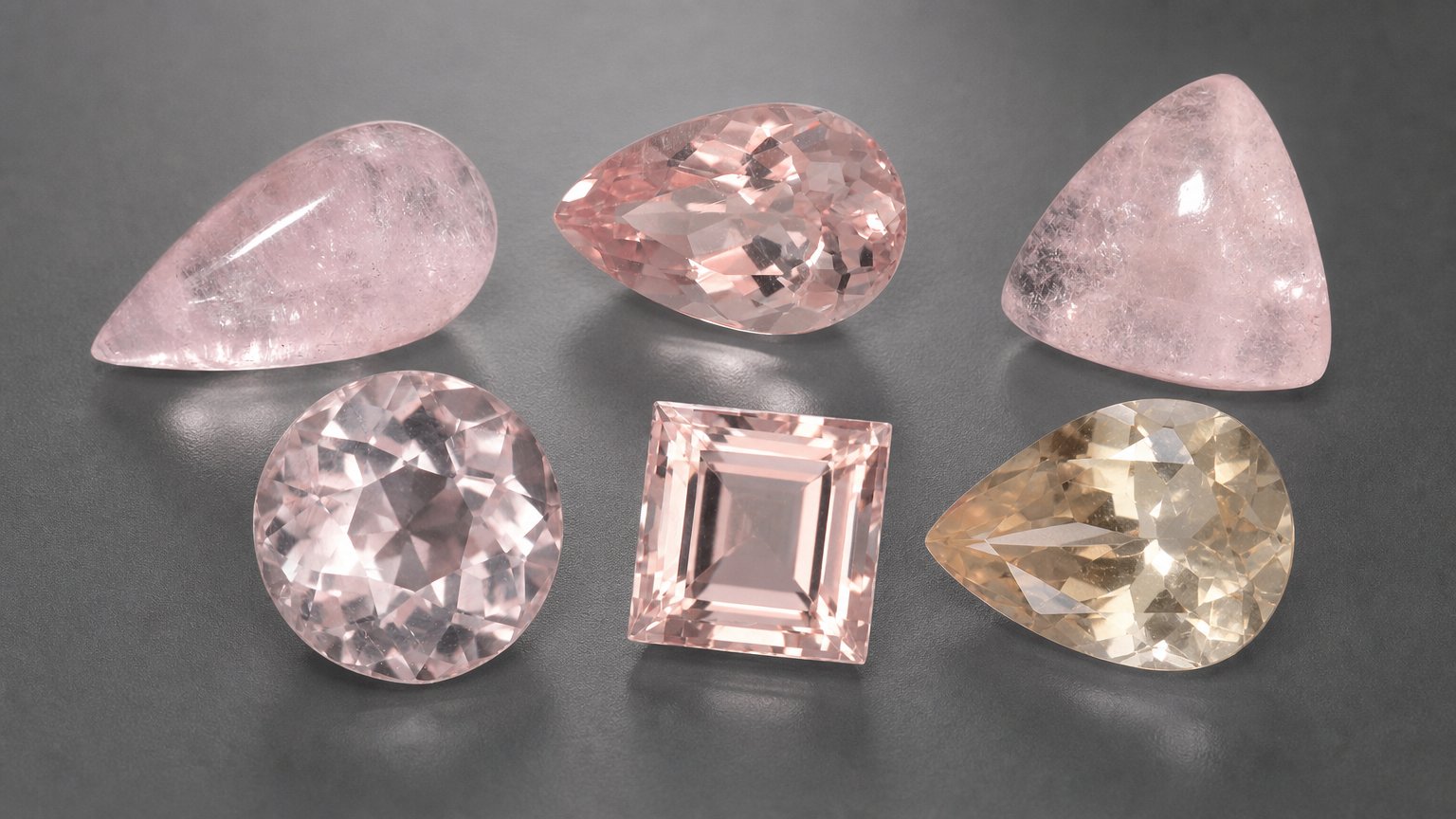
Morganite is a pink to orange variety of the mineral species beryl, appreciated by buyers who want a warm, delicate gemstone for rings, engagement rings, pendants, necklaces, earrings and other jewelry. Its appeal is easy to understand: morganite offers soft color, good hardness and a graceful appearance that works well in both classic and contemporary designs.
A good morganite purchase is not only about choosing the prettiest stone. Buyers should also consider color balance, cutting quality, visible clarity, size, treatment disclosure and the type of jewelry setting. This guide explains the key points to review before buying loose morganite or morganite jewelry so you can make a more confident, practical decision.
What Is Morganite?
Morganite is a member of the beryl family, the same mineral species identified by the chemical formula Be₃Al₂Si₆O₁₈. Beryl crystallizes in the hexagonal crystal system, and morganite is the variety known for pink and orange coloration. For shoppers, the important point is that morganite combines attractive pastel color with a Mohs hardness of 7.5 to 8, making it suitable for many jewelry styles when properly set and cared for.
Its gemological properties include a refractive index of 1.577 to 1.583 and a specific gravity of 2.71 to 2.90. Refractive index is a measure of how a gemstone bends light, which contributes to its brightness when well cut. Specific gravity relates to density and can help gemologists distinguish gem materials during identification. Buyers do not need to memorize these values, but they are useful when comparing morganite with other gemstones and when reviewing gemological information.
Morganite Color: What Buyers Should Look For
Color is one of the first qualities buyers notice in morganite. The recognized color range includes pink and orange, with many stones showing a gentle blend of warm tones. Some buyers prefer a clear pink look, while others are drawn to peachy or orangey shades. The best choice is partly personal, but there are practical points to consider.
Color Preference and Consistency
When comparing morganite gemstones, look at the overall face-up color first. A stone should have a pleasing color when viewed from the top, because that is how it will appear in jewelry. Check whether the color looks even across the gem or whether some areas appear noticeably lighter or darker. Natural gemstones can show variations, but strong unevenness may affect the overall look in a finished piece.
Lighting matters. Morganite can appear different under daylight, office lighting and warm indoor light. If possible, evaluate a gemstone under more than one light source. This is especially helpful when choosing a center stone for a ring or engagement ring, where the color will be seen every day in many environments.
Pink Versus Orange Morganite
Pink is the most prominent color associated with morganite, while orange tones are also part of its recognized appearance. A pink morganite can look soft and romantic, while an orange or peach-influenced stone may feel warmer. Neither option is automatically better for every buyer. The right choice depends on the design, metal color, matching side stones and personal taste.
For jewelry designers, the color of the setting can influence how the gem appears. A warm-colored metal may visually emphasize peach or orange tones, while cooler settings can make pink tones stand out differently. Buyers selecting loose morganite should think about the final setting before deciding on a specific shade.
Clarity and Transparency Checks
Clarity describes the presence or absence of internal inclusions and external surface features. The Knowledge Snapshot does not define a special clarity grading system for morganite, so buyers should avoid relying on vague labels alone. Instead, inspect the actual gemstone carefully.
For most jewelry purchases, the practical question is simple: do any inclusions distract from the beauty of the stone when viewed normally? Look at the gem face-up, then tilt it gently. Inclusions near the center may be more noticeable than those near the edge. Surface-reaching features, chips or abrasions can matter more in rings and bracelets because those jewelry types receive more contact during wear.
If purchasing online, review photographs and descriptions carefully. When browsing loose gemstones at GemSelect, compare stones by color, shape, size, treatment information and visible appearance rather than choosing by carat weight alone.
Cut, Shape and Overall Appearance
Morganite is commonly faceted, which means it is cut with flat polished surfaces designed to reflect light. Faceted morganite is a popular choice for rings, engagement rings, pendants and earrings because the cutting style can add brightness and visual depth. Cabochon morganite, with a smooth domed surface, is also seen, though faceted stones are more central to most buying decisions. Diamond-cut styles may appear in some designs, but the overall quality of the cut is more important than the name of the cutting style.
Popular Shapes
Common morganite shapes include cushion, oval and round. These shapes are versatile and work well in many jewelry settings. Cushion shapes often suit vintage-inspired and halo designs, ovals can make an elegant ring or pendant center, and rounds are easy to use in classic jewelry layouts.
Marquise and pear shapes are also attractive options, especially for buyers who want a longer outline or a more distinctive silhouette. Heart, trillion, octagon and other fancy shapes can be excellent for custom designs, provided the cutting is balanced and the shape suits the setting.
How to Judge Cut Quality
Because there is no universal consumer cut grade for morganite in the supplied facts, evaluate cut with your eyes. A well-cut stone should look balanced, with pleasing symmetry, clean facet junctions and good light return. Watch for a stone that looks overly dark in the center, overly shallow, or noticeably uneven in outline. In elongated shapes such as oval, pear and marquise, check that both sides are well matched and that the stone sits attractively in its intended setting.
Cut also affects perceived color. A deeper or more carefully proportioned cut may show color differently than a shallow stone of the same material. When choosing between two morganites, compare the face-up color and brightness rather than relying only on measurements.
Size, Carat Weight and Proportions
Carat weight tells you how much a gemstone weighs, not how large it will appear. Because shape and cutting proportions influence face-up size, two morganites of the same carat weight can look different when viewed from above. For rings and engagement rings, face-up dimensions are often more practical than carat weight alone. Check the length, width and depth to ensure the gem will fit the intended mounting.
Large morganite gemstones can be eye-catching in pendants and cocktail rings, while smaller stones may be better for earrings, side stones, bracelets or delicate stacking rings. If the jewelry will be worn daily, balance visual impact with comfort and protection. Very high-profile settings can catch on clothing or surfaces, especially in rings and bracelets.
Treatments: Untreated and Heat-Treated Morganite
Treatment disclosure is an important part of responsible gemstone buying. Morganite may be offered as untreated, and heat treatment is also associated with the gem. Heat treatment is a gemological process used for many gemstones to alter or improve appearance. The key buying principle is transparency: the seller should clearly disclose whether a stone is untreated or heat treated when that information is known.
Do not assume a stone is untreated unless it is stated. Likewise, do not reject a stone simply because treatment is disclosed; many buyers accept treated gemstones when the treatment is properly represented and the stone meets their color, cut and jewelry needs. If untreated status is important to you as a collector or designer, ask for clear documentation or confirmation before purchase.
Durability and Everyday Wear
Morganite has a Mohs hardness of 7.5 to 8. Mohs hardness measures resistance to scratching, not resistance to all damage. This hardness makes morganite suitable for many jewelry uses, including rings and engagement rings, but it should still be worn with reasonable care.
Rings and bracelets are more exposed to knocks, abrasion and contact with hard surfaces than pendants, necklaces or earrings. If you choose morganite for an engagement ring or everyday ring, consider a setting that protects the edges and corners of the stone. Prongs should be secure, and shapes with points, such as pear, marquise or heart, should be protected at the tips.
For cleaning, use gentle methods appropriate for fine jewelry and avoid harsh handling. Store morganite jewelry separately from harder gemstones and metals that may scratch it. Remove rings or bracelets before activities that could subject the stone to impact or abrasion.
Origins of Morganite
Morganite is associated with several important origins, including Afghanistan and Brazil, with material also known from Madagascar, Mozambique, Nigeria and Pakistan. Origin can be interesting to collectors and may be relevant when comparing individual stones, but it should not replace direct evaluation of the gem itself.
For most buyers, the practical priorities are color, cut, clarity, size, treatment disclosure and suitability for the intended jewelry. A beautiful morganite from any recognized source can be a good choice if it meets those criteria. If origin is important to you, ask whether the seller provides origin information and how that information is represented.
Morganite in Jewelry
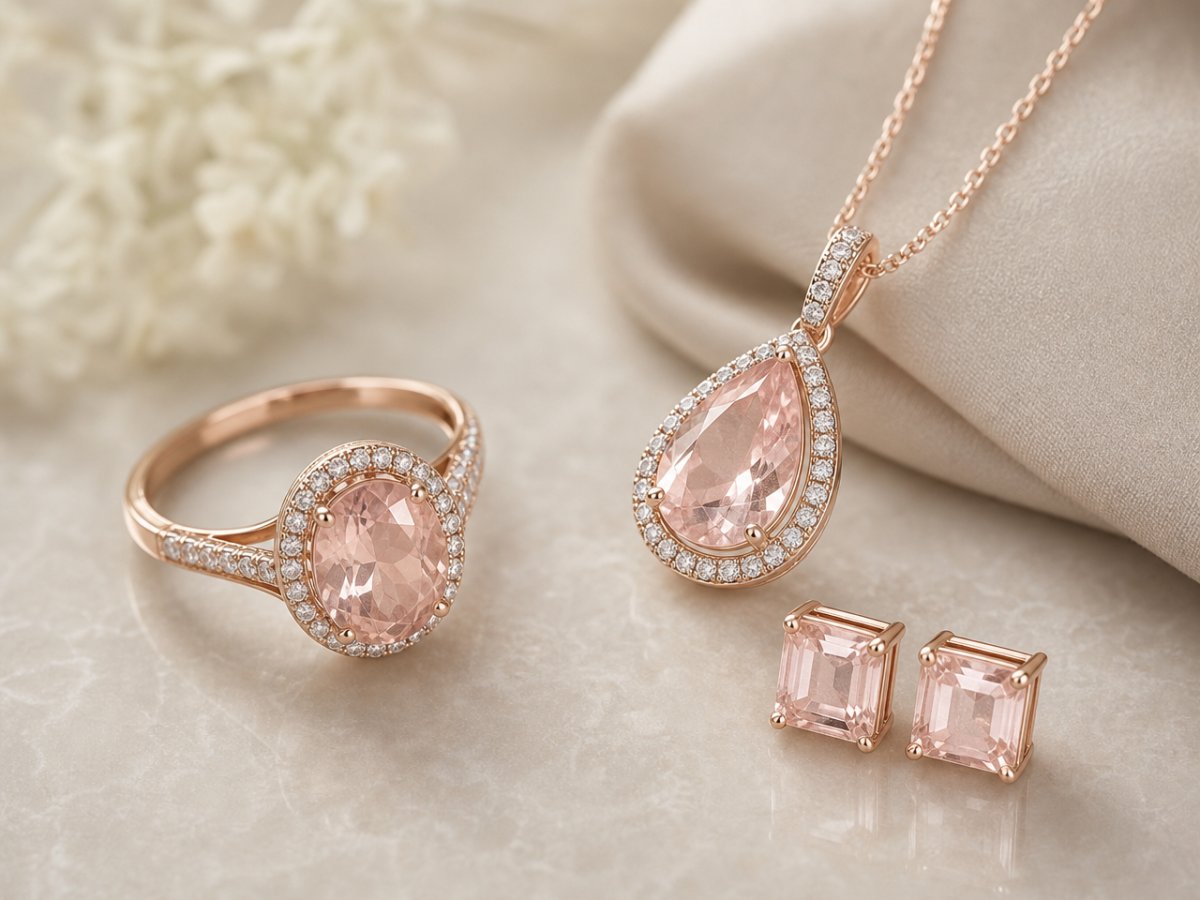
Morganite is widely chosen for rings and engagement rings, where its pink to orange color gives a soft alternative to more traditional center stones. Its hardness supports these uses, but the setting style matters. A secure ring setting with appropriate protection is especially important for daily wear.
Pendants and necklaces are excellent choices for morganite because they typically experience less impact than rings. This allows the color and shape of the stone to be displayed with less exposure to daily wear. Earrings are also a practical option, especially for matched pairs, because they are less likely to be knocked than hand jewelry.
Bracelets can feature morganite, but they require more caution because bracelets regularly contact desks, handles and other surfaces. For bracelet designs, secure settings and thoughtful placement help reduce risk.
Practical Morganite Buying Checklist
1. Choose the Color First
Decide whether you prefer a pink appearance, a warmer orange or peach influence, or a balance between the two. Compare stones under different lighting if possible.
2. Inspect the Face-Up Look
The top view is the view you will see in jewelry. Look for pleasing color, brightness and symmetry. Do not rely only on carat weight or the shape name.
3. Review Clarity Visually
Check for inclusions, chips or surface features that are distracting or may affect use. For engagement rings and daily rings, clarity and surface condition are especially important.
4. Match the Shape to the Setting
Cushion, oval and round shapes are very versatile. Pear, marquise, heart, trillion, octagon and other fancy shapes can be striking, but make sure points and corners are protected.
5. Confirm Treatment Information
Look for clear disclosure stating whether the morganite is untreated or heat treated. If untreated status is essential, request confirmation before buying.
6. Consider Jewelry Use
For rings and engagement rings, prioritize secure settings and durability-conscious design. For pendants, necklaces and earrings, you may have more flexibility with size and shape.
7. Compare Measurements, Not Just Carats
Length, width and depth influence how a gemstone looks and fits. This is especially important when replacing a stone or ordering a custom setting.
Summary
Morganite is a pink to orange beryl gemstone with a Mohs hardness of 7.5 to 8, making it a practical and attractive choice for many jewelry types. Buyers should focus on the visible qualities that matter most: appealing color, good cutting, suitable clarity, accurate dimensions, clear treatment disclosure and a setting appropriate for the intended use.
Whether you are choosing a morganite for an engagement ring, a pendant, earrings or a custom design, the best purchase is the stone that fits your style and performs well in its setting. By comparing color, cut, shape, treatment and durability factors carefully, you can select morganite with confidence.