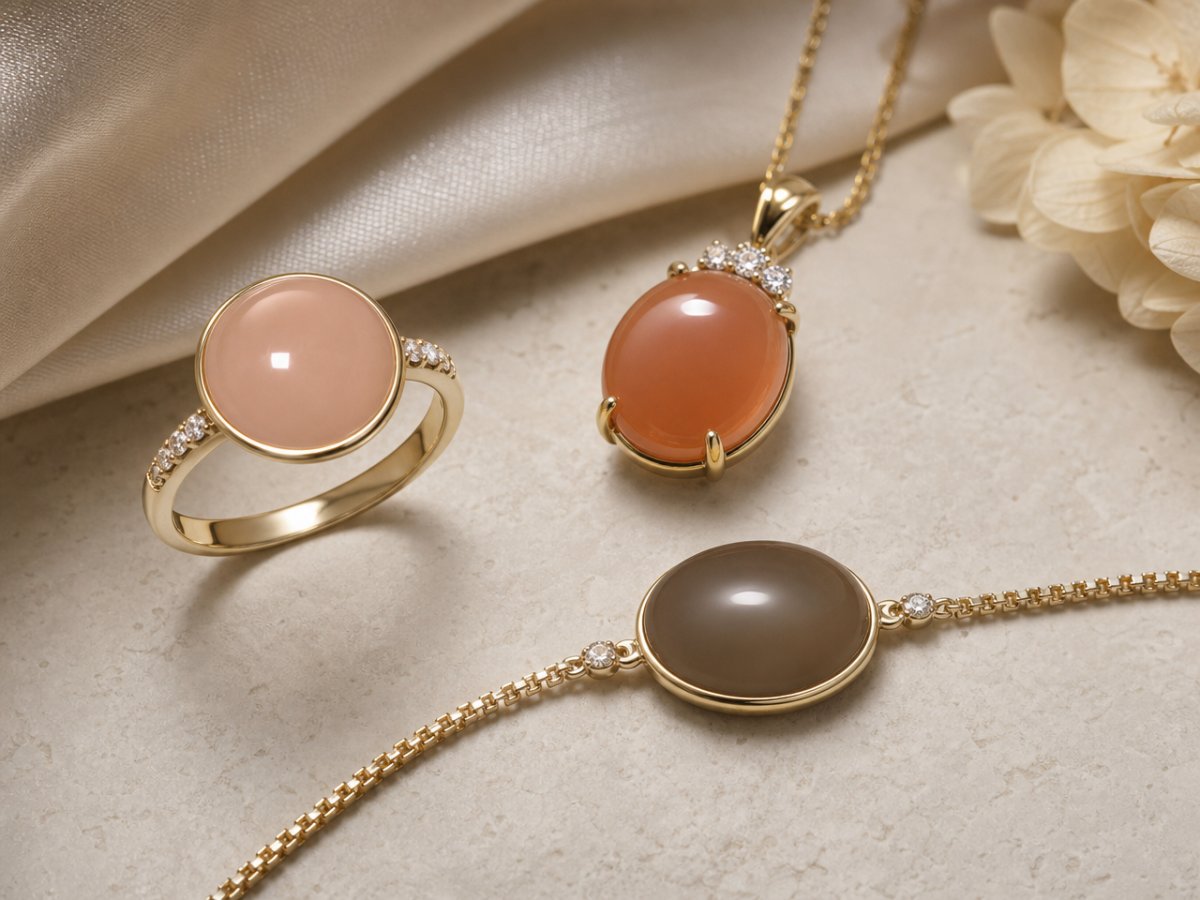


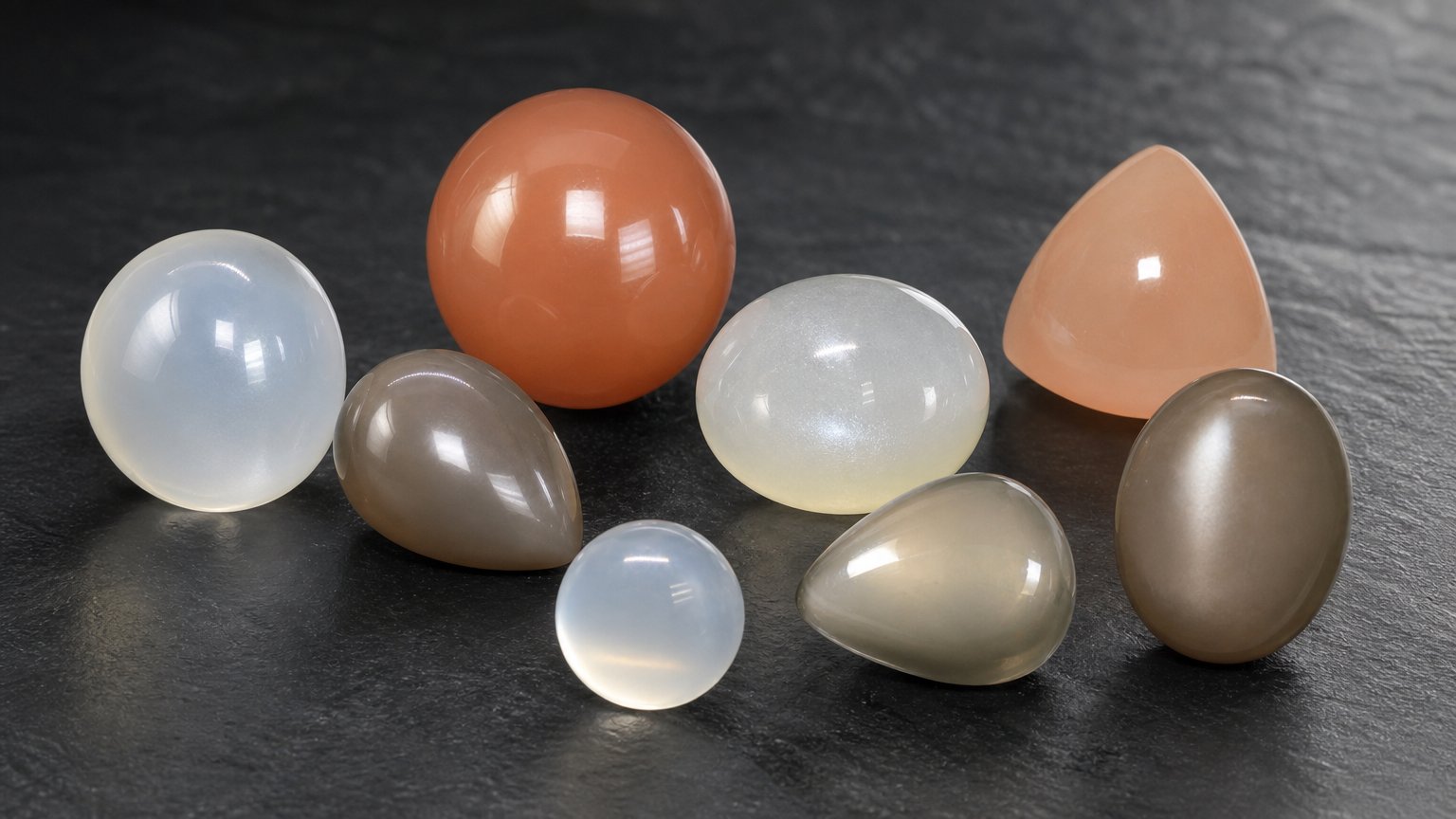
Moonstone is a feldspar gemstone appreciated by buyers who want a gem with soft color, attractive cabochon cutting and a distinctive alternative to more conventional jewelry stones. It is also associated with June as a birthstone, which makes it a meaningful choice for birthstone jewelry, gifts and personal collections.
This buying guide explains the practical points to consider before purchasing moonstone: color, cut, shape, clarity, size, durability, treatments, origins and jewelry use. The goal is to help you compare stones confidently, whether you are selecting a single loose gemstone, matching stones for a design, or choosing a moonstone for a ring, pendant, necklace, brooch or pair of earrings.
What Is Moonstone?
Moonstone is a gemstone associated with the feldspar mineral group. The gemological data for moonstone includes the chemical formula KAlSi₃O₈ for orthoclase, a monoclinic crystal system, a refractive index of 1.518–1.526 and a specific gravity of 2.55–2.63. For most buyers, the most important property to understand is its hardness: moonstone measures 6–6.5 on the Mohs scale.
The Mohs scale is a relative scale of scratch resistance. A gem with a hardness of 6–6.5 can be used in jewelry, but it is not as scratch-resistant as harder gems. This does not make moonstone unsuitable for jewelry; it simply means that the setting style and intended use matter. A moonstone in a pendant or necklace is usually less exposed to knocks than a moonstone in a daily-wear ring.
Color and Appearance: What to Look For
Moonstone is available in a range of body colors. Orange is especially common, and buyers may also encounter brown, multicolor, pink, white and yellow stones. Red and green moonstones are also known, though they are less central to the typical buying range.
Color preference is personal, so there is no single “best” color for every buyer. A warm orange or yellow moonstone may suit gold jewelry beautifully, while white, pink or multicolor stones can work well in more delicate or contemporary designs. Brown moonstone can have an earthy look that appeals to designers working with natural or rustic styles.
Evaluating Color in a Loose Moonstone
When comparing stones, consider the following practical points:
- Body color: Decide whether you prefer warm shades such as orange, yellow and brown, or lighter shades such as white and pink.
- Evenness: Look at whether the color is pleasing across the stone. Some buyers like subtle zoning or mixed colors; others prefer a more even appearance.
- Face-up appeal: View the stone from the top, as it will be seen in jewelry. The most important question is whether the gem looks attractive in its intended setting orientation.
- Lighting: Compare stones under more than one light source when possible. Gemstones can look different in daylight, indoor lighting and photography.
If you are buying online, use the listed measurements, photos and product details together. A close-up image can reveal surface features and color, while the dimensions help you understand how large the stone will appear in a design.
Cut and Shape: Why Cabochons Are So Common
Moonstone is most commonly cut as a cabochon. A cabochon has a smooth, polished, domed top rather than flat facets across the crown. This style is widely used for gems where the appeal is in body color, sheen, pattern or overall surface appearance rather than brilliance alone.
Cabochon cutting also gives moonstone a soft, classic look. It is especially suitable for rings, pendants and necklaces, where the smooth dome can become the focal point of the design. When judging a cabochon, look for a pleasing outline, a well-centered dome, a smooth polish and a base that will sit properly in a setting.
Other Cutting Styles
Although cabochons are the most typical choice, moonstone may also be found in carved cuts and faceted cuts. Carvings can add individuality and are useful for artistic jewelry, collector pieces and one-of-a-kind designs. Faceted moonstones are less traditional than cabochons but can be appealing when the cutter wants to emphasize shape, geometry or sparkle from the facet pattern.
For buyers, the best cut is the one that suits the intended jewelry design. A cabochon oval or round moonstone is versatile and easy to set. A carved stone may require a more customized design. A faceted moonstone may be best when you want a more structured look.
Popular Shapes
Moonstone is often available in oval and round shapes, both of which are practical choices for jewelry. Ovals can make efficient use of space in rings and pendants, while rounds are popular for balanced, symmetrical designs. Buyers may also find baguette, cushion, pear and fancy shapes, with marquise shapes appearing less often.
Shape affects both appearance and setting options. If you are buying a replacement stone or designing jewelry around a calibrated setting, check the millimeter dimensions carefully rather than relying on carat weight alone. Two moonstones of the same carat weight can look different in size depending on their depth and outline.
Clarity and Surface Quality
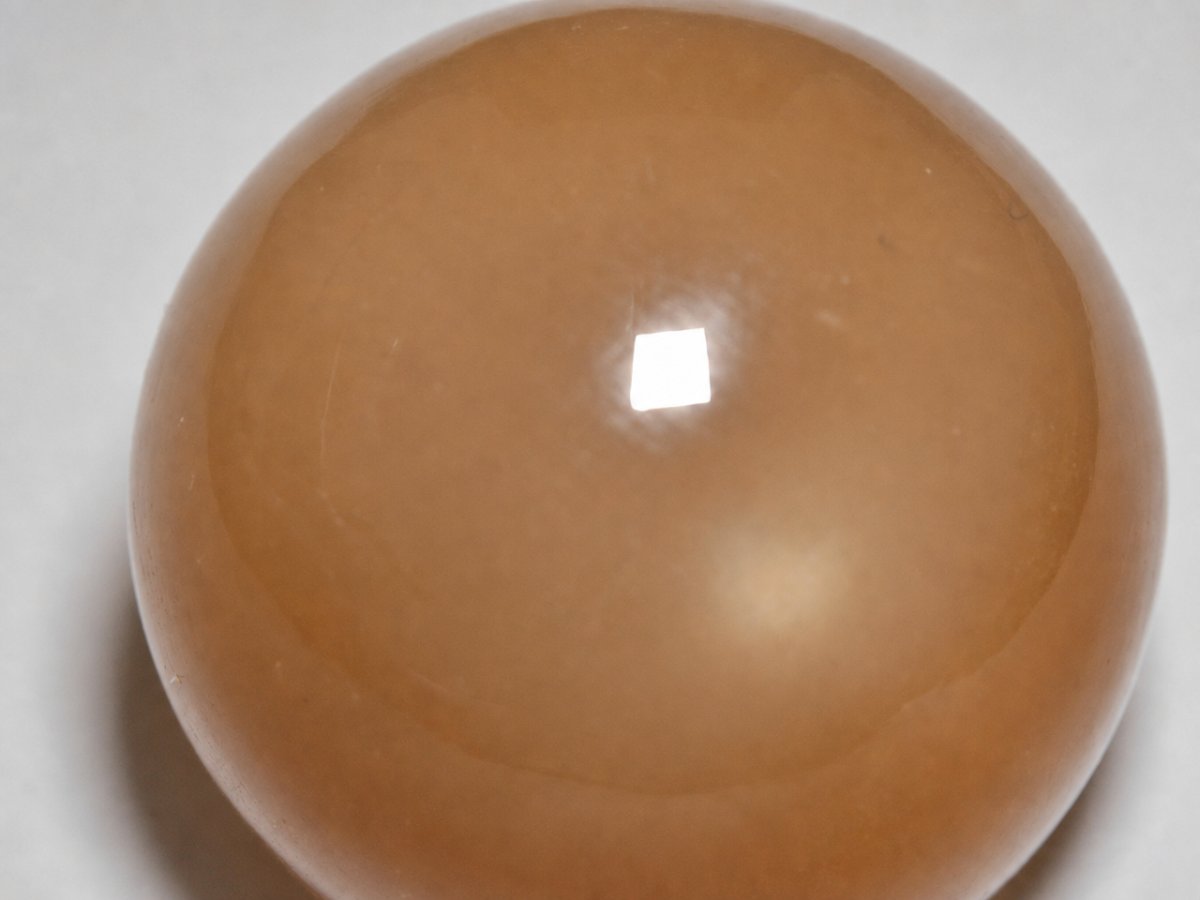
Moonstone is typically evaluated by overall visual appeal rather than by a formal clarity grading system used for diamonds. For buying purposes, clarity means how clean and attractive the stone looks to the eye, and whether any internal or surface features affect beauty or durability.
When inspecting a moonstone, look for obvious cracks, chips, deep scratches or surface-reaching fractures. Small natural features may be acceptable if they do not distract from the stone’s appearance or weaken it for the intended use. For a ring, where the gem may receive more wear, it is sensible to be more selective about surface condition and structural integrity. For earrings or a pendant, minor features may be less concerning if the stone looks beautiful face-up.
Polish quality is also important. A well-polished cabochon should have a smooth surface and a clean outline. Uneven polishing, flat spots on the dome or visible abrasion can reduce the finished look of the gem in jewelry.
Size and Carat Weight
Moonstone can be selected by carat weight, but buyers should pay close attention to millimeter dimensions. This is especially important for cabochons because depth can vary. A deeper stone may weigh more without appearing much larger from the top, while a shallower stone may have a larger face-up size for its weight.
If you are designing a ring, pendant or necklace, start with the design requirements. A ring may need a stone that fits a specific setting size and does not sit too high on the hand. A pendant or brooch can often accommodate a larger or more sculptural stone. Earrings usually require careful matching for size, shape, color and cut so the pair looks balanced.
Origins of Moonstone
Moonstone is associated with a number of origins. Important sources include India and the United States, and moonstone is also known from Madagascar, Sri Lanka and Tanzania. Australia, Brazil and Myanmar are additional origins buyers may encounter.
Origin can be interesting for collectors and for customers who prefer gemstones from particular regions, but it should not be the only deciding factor. For most jewelry buyers, the individual stone’s color, cut, size, condition and suitability for the design are more important than origin alone. If origin is important to you, review the seller’s description and ask for any available supporting information before purchasing.
Treatments and Disclosure
Moonstone is commonly offered untreated. For buyers, this is useful because many people prefer gems whose appearance has not been altered by enhancement processes. However, treatment disclosure should always be part of a responsible gemstone purchase.
When shopping, check the product details for treatment information. If a listing states that the moonstone is untreated, keep that information with your purchase records. If you are buying for resale or for a custom jewelry client, treatment disclosure is especially important because it helps maintain transparency throughout the supply chain.
Durability and Care
With a Mohs hardness of 6–6.5, moonstone requires thoughtful care. It can be worn in many types of jewelry, but it should be protected from hard knocks, rough surfaces and abrasive materials. The stone may be scratched by harder gems or everyday objects, so it is best stored separately from harder jewelry.
Moonstone in Rings
Moonstone rings are popular, but rings receive more impact than most other jewelry types. If you choose a moonstone ring, consider a protective setting, especially for regular wear. Bezel settings or designs that protect the edge of the cabochon can help reduce accidental damage. Avoid wearing a moonstone ring during activities such as gardening, sports, heavy cleaning or work where the stone may be knocked.
Moonstone in Necklaces and Pendants
Necklaces and pendants are excellent choices for moonstone because they usually experience less abrasion than rings. A cabochon moonstone pendant can show the stone clearly while keeping it relatively protected. Larger stones can also be more comfortable in pendants than in rings because the weight is distributed differently.
Moonstone in Earrings and Brooches
Earrings are a good use for moonstone, particularly when matching stones are available. Because earrings are less likely to be struck during wear, they are often practical for softer gems. Brooches can also work well, especially for carved or fancy-shaped moonstones, but the setting should still hold the stone securely.
Cleaning and Storage
Clean moonstone gently with mild soap, lukewarm water and a soft cloth or soft brush. Avoid harsh chemicals, abrasive cleaners and rough handling. After cleaning, dry the stone carefully before storage. Store moonstone separately in a soft pouch or lined jewelry box compartment to reduce scratching.
How to Buy Moonstone: A Practical Checklist
A confident moonstone purchase starts with a clear idea of how the gem will be used. A collector may prioritize color and unusual shape, while a jewelry designer may need exact dimensions, pairs or matching suites. A gift buyer may focus on a June birthstone connection and an easy-to-wear design.
1. Choose the Jewelry Use First
Before selecting a stone, decide whether it will be used in a ring, necklace, pendant, earrings or brooch. This affects ideal size, shape and setting style. For rings, durability and protection matter most. For pendants and necklaces, face-up beauty and shape may be the main priorities. For earrings, matching is essential.
2. Select the Color Family
Moonstone offers warm and soft color options, including orange, brown, pink, white and yellow, along with multicolor stones. Choose a body color that suits the metal, design and wearer. If the stone is for a client or gift recipient, consider whether they prefer subtle, neutral tones or warmer, more noticeable colors.
3. Compare Cut Quality
For cabochons, look at symmetry, dome height, polish and outline. A pleasing cabochon should look intentional and balanced. For carvings, inspect the workmanship and whether the carving suits the stone’s natural appearance. For faceted stones, check that the outline is attractive and that the facets are evenly arranged.
4. Check Measurements, Not Just Carat Weight
Millimeter size is critical for jewelry. If you are buying from GemSelect or another loose gemstone supplier, compare the listed length, width and depth with your setting requirements. Carat weight tells you the stone’s weight, but measurements tell you how it will fit and appear.
5. Inspect Condition
Review photos carefully for chips, scratches, cracks or areas that may affect setting. If the stone will be used in a ring, be more cautious about durability concerns. For less exposed jewelry, a stone with minor natural features may still be a good choice if it looks attractive and is structurally sound.
6. Review Treatment and Origin Information
Moonstone is commonly untreated, but disclosure still matters. Check the listing for treatment status and origin where available. Origin may add interest, but the beauty and suitability of the individual stone should guide the final decision.
Moonstone as a June Birthstone
Moonstone is associated with June, making it a thoughtful choice for birthstone jewelry. Because it is available in several colors and shapes, it can be adapted to many personal styles. A simple cabochon pendant, an oval ring or a pair of round earrings can all work as June birthstone gifts, provided the design matches the wearer’s lifestyle.
For someone who is active with their hands, a pendant or earrings may be a safer everyday choice than a ring. If a ring is preferred, choose a setting that offers protection and remind the wearer to remove it during rough activities.
Summary
Moonstone is a feldspar gemstone with appealing color variety, strong design versatility and a well-established place in birthstone jewelry for June. Buyers should focus on body color, cabochon quality, shape, millimeter size, surface condition, treatment disclosure and jewelry suitability. Cabochons, especially oval and round shapes, are the most common and practical choices, while carvings and faceted stones offer additional design possibilities.
Because moonstone has a Mohs hardness of 6–6.5, it should be worn and stored with care. It can be beautiful in rings, necklaces, pendants, earrings and brooches, but the best choice depends on how often the jewelry will be worn and how exposed the gem will be. With careful selection, moonstone can be a distinctive and wearable gemstone for collectors, designers and jewelry buyers.