

Kornerupine is a distinctive borosilicate gemstone valued by buyers who want something less conventional than mainstream gems. For purchasing, the most important points are color, cutting quality, clarity, size, treatment disclosure and whether the stone is suitable for the intended jewelry design.
This guide explains what to look for when choosing kornerupine, with practical advice for gemstone buyers, jewelers, designers and collectors.
What Is Kornerupine?
Kornerupine is a borosilicate mineral with the chemical formula (Mg,Fe)₉B₂Si₆O₂₇. It crystallizes in the orthorhombic crystal system and is known as a faceted collector and jewelry gemstone.
For buyers, kornerupine is best approached as a gem where individual appearance matters more than a standardized commercial grade. Compare stones visually and evaluate each gem by its color, brightness, transparency, cut and suitability for the planned setting.
Kornerupine Color and Appearance
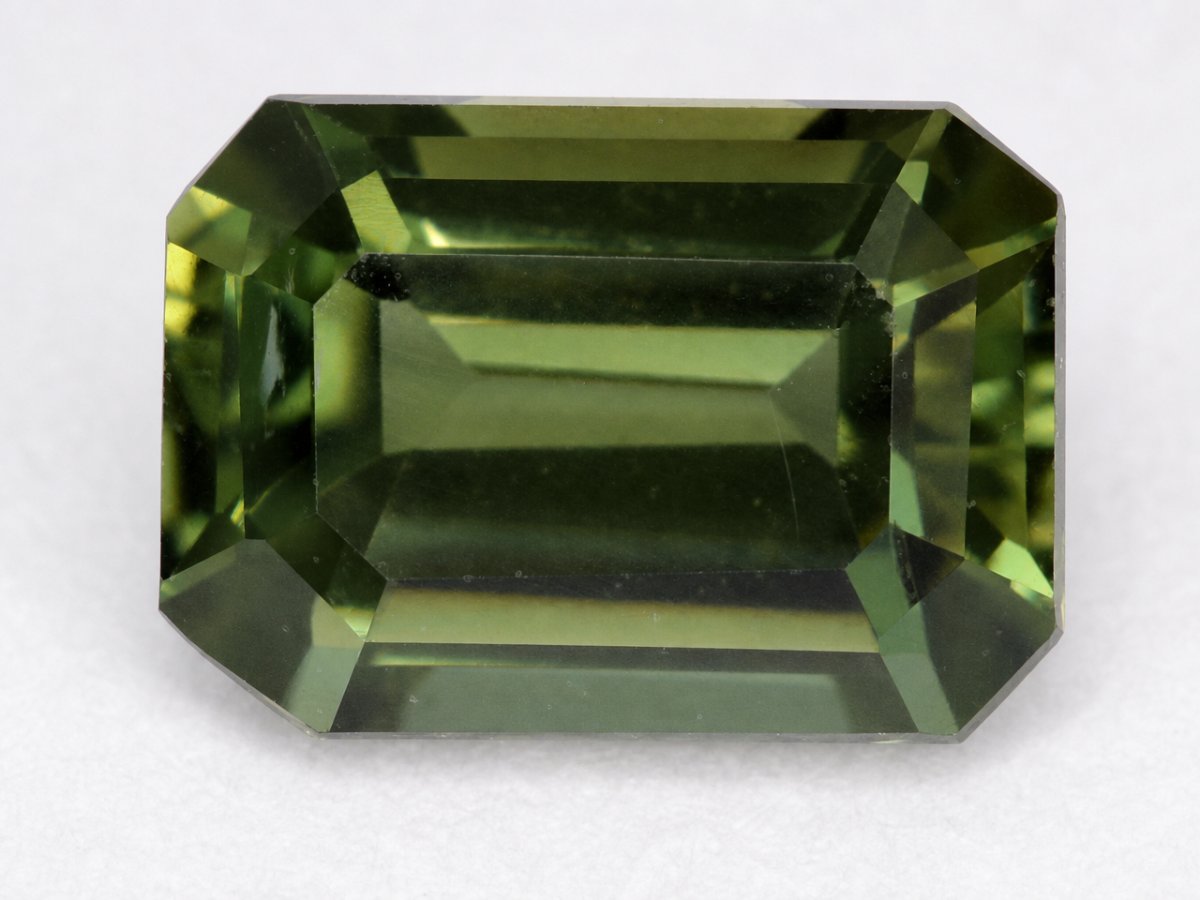
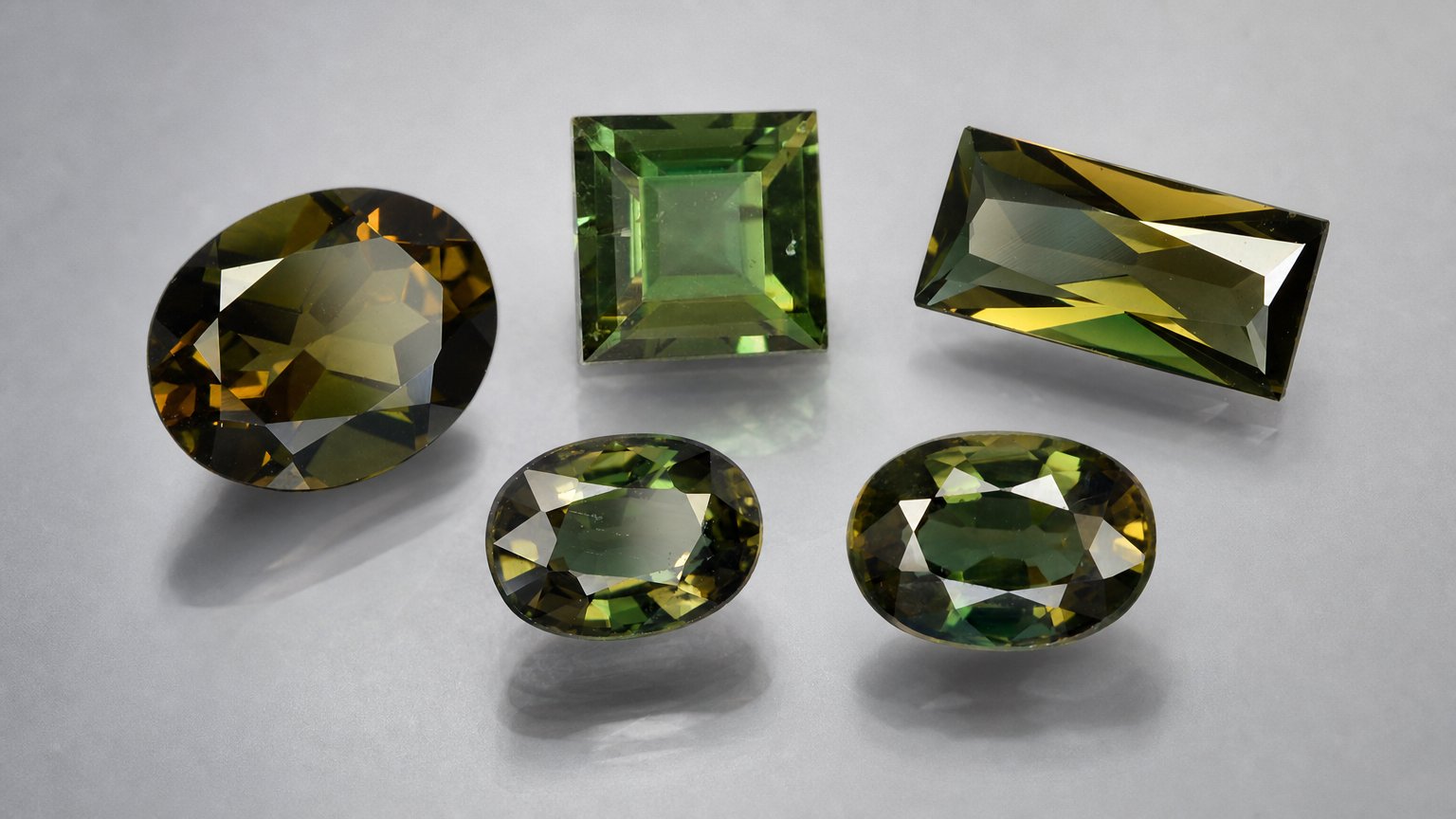
Green is the most important kornerupine color for buyers to consider, and many shoppers look first for attractive green tones with good brightness. Brown, gray and yellow kornerupine are also known, and these colors can appeal to buyers who prefer earthy or subtle gem colors.
When comparing kornerupine gemstones, look at the overall impression rather than color name alone. A well-cut stone with lively green, yellowish, brownish or grayish color may be more attractive than a stone with a preferred color description but weak brightness or poor proportions.
Color Buying Tips
- Prioritize face-up appeal: Judge the gem as it will appear in jewelry, not only from the side or back.
- Check color evenness: Uneven color may be acceptable if attractive, but it should not distract from the stone's overall beauty.
- View photos carefully: If buying online from GemSelect or another seller, compare images, dimensions and written descriptions to understand the stone's true appearance.
Clarity and Transparency
Clarity affects how bright and attractive a kornerupine appears. As with many colored gemstones, the best choice is not always the cleanest stone on paper, but the stone that looks lively and pleasing to the eye.
Visible inclusions can reduce transparency or interrupt the face-up appearance. Before buying, check whether inclusions are noticeable in normal viewing conditions and whether they affect the durability or placement of the stone in jewelry.
Cut, Shape and Proportions
Kornerupine is most commonly found as a faceted gemstone. Faceting is used to bring out brightness and make the color more lively. Cabochon kornerupine is also seen, while step cuts are another option, especially when a clean geometric appearance is desired.
Popular kornerupine shapes include oval and round, with baguette and pear shapes also available. Octagon, square and trillion shapes may suit more specialized designs.
When assessing cut, look for balanced proportions, good symmetry and a pleasing outline. A stone that is too deep may appear smaller than expected for its carat weight, while a shallow or poorly proportioned stone may lack brightness.
Size and Carat Weight
Carat weight should be considered together with dimensions. Two kornerupine gemstones of the same weight can look different in size depending on depth and cutting style. For jewelry planning, millimeter measurements are often more important than weight alone.
If the stone is intended for a ring, pendant or calibrated setting, confirm the exact length, width and depth before purchase. For earrings, matching size, shape and color is especially important.
Origins of Kornerupine
Kornerupine is associated with several important origins, including Madagascar and Sri Lanka. Other known sources include Kenya, Myanmar and Tanzania, with Australia and Canada also associated with the gem.
Origin can be interesting for collectors, but buyers should avoid assuming quality from origin alone. Color, clarity, cut and overall appearance are the practical factors that should guide most purchases.
Gemological Properties Buyers Should Know
| Gemstone type | Borosilicate |
| Chemical formula | (Mg,Fe)₉B₂Si₆O₂₇ |
| Crystal system | Orthorhombic |
| Mohs hardness | 6.5-7 |
| Refractive index | 1.66-1.69 |
| Specific gravity | 3.28-3.35 |
These properties are useful for identification, durability expectations and jewelry planning. For most buyers, the hardness rating and treatment status are the most practical details.
Durability and Jewelry Suitability
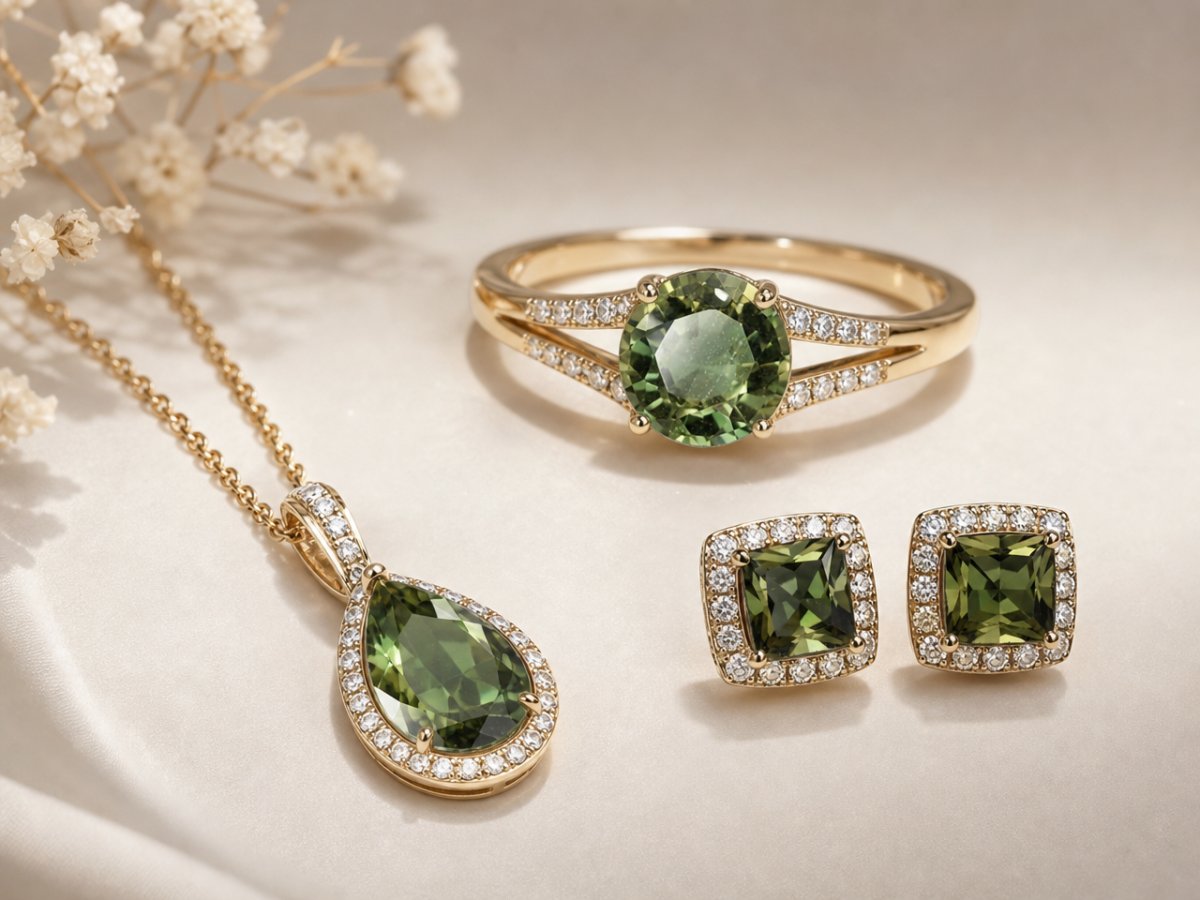
With a Mohs hardness of 6.5-7, kornerupine has reasonable durability for many jewelry uses, but it should still be worn with care. It can be used in rings, earrings, pendants, necklaces, bracelets and collector jewelry, provided the design matches the wear level.
Earrings and pendants are generally safer choices because they receive less impact during wear. Rings can be suitable when set thoughtfully and worn with reasonable care. Bracelets are more exposed to knocks and abrasion, so protective settings and careful use are recommended.
Best Jewelry Uses
- Rings: Suitable for buyers who will wear the ring with care and choose an appropriate setting.
- Earrings: A good option for showing color with reduced risk of impact.
- Pendants and necklaces: Practical choices for displaying a single attractive stone.
- Bracelets: Possible, but better for occasional wear or protective designs.
- Collector jewelry: Well suited for buyers who appreciate individual gem character.
Treatments and Disclosure
Kornerupine is commonly offered untreated. For buyers, this is a straightforward advantage because the stone's appearance is generally being evaluated as natural rather than the result of routine enhancement.
Even so, treatment disclosure should always be confirmed before purchase. A trustworthy seller should clearly state the treatment status and provide accurate gemstone details such as size, weight, cut, color and origin when available.
How to Choose a Kornerupine Gemstone
Start with the intended use. A stone for a ring should be chosen with durability and setting style in mind, while a pendant or collector piece can place greater emphasis on color, shape and visual character.
Next, compare color and brightness. Green kornerupine is especially important, but brown, gray and yellow stones can be attractive when well cut and appealing in person or in clear photographs.
Then review the cut. Faceted kornerupine should show good life across the crown, with proportions that support brightness. For cabochons, look for a smooth surface, attractive shape and a pleasing face-up appearance.
Finally, buy from a seller that provides clear photos, measurements, treatment disclosure and return terms. GemSelect lists individual gemstones with specific details, which helps buyers compare real stones rather than relying only on generic descriptions.
Conclusion
Kornerupine is a practical choice for buyers who want a distinctive colored gemstone, especially in green, brown, gray or yellow tones. The best purchase is the stone that combines attractive color, good cutting, suitable clarity and the right durability for the jewelry design.
Focus on the gem's face-up beauty, confirm that it is untreated when stated, and choose a setting appropriate to its 6.5-7 Mohs hardness. With careful selection, kornerupine can make an appealing gemstone for rings, earrings, pendants and collector jewelry.