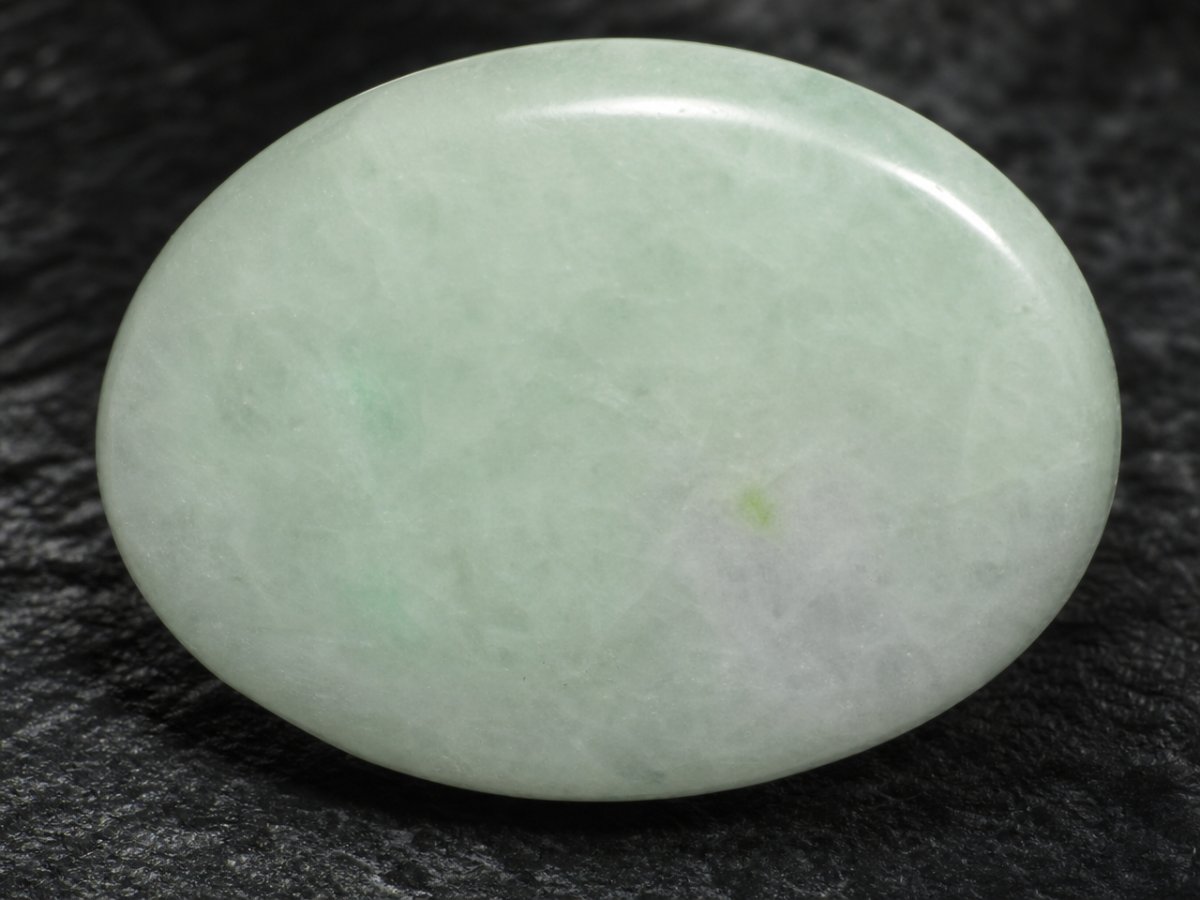


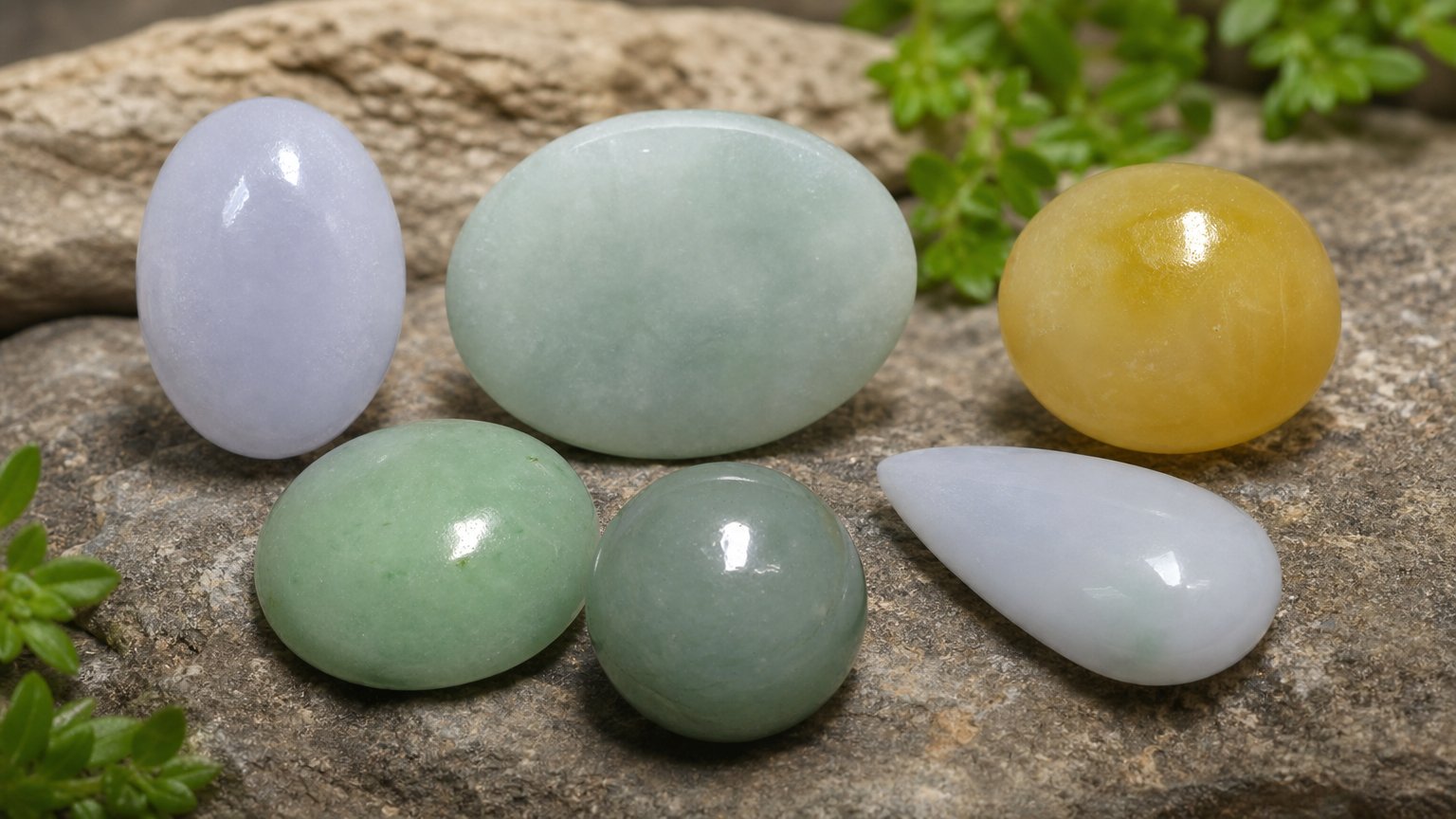
Jadeite is one of the most recognized forms of jade and is valued by buyers for its smooth polish, pleasing color and suitability for both gemstones and carved jewelry. Choosing jadeite is not just a matter of selecting a green stone; color, transparency, cut style, treatment disclosure and intended jewelry use all affect whether a piece is right for you.
This guide explains the main points to check before buying jadeite, with practical advice for collectors, jewelry designers and anyone comparing loose stones or finished jadeite jewelry.
What Is Jadeite?
Jadeite is a variety of jade and belongs to the pyroxene mineral group. Its chemical formula is NaAlSi₂O₆, and it crystallizes in the monoclinic crystal system. In gem buying, the name matters because jadeite is a distinct jade material with its own gemological properties, appearance and treatment considerations.
For buyers, the most useful identification details include a refractive index of 1.652-1.688, a specific gravity of 3.30-3.38 and a Mohs hardness of 6-7. These measurements are typically used by gemologists and sellers to help confirm identity and separate jadeite from other green or jade-like materials.
Color and Appearance: The First Buying Decision
Green is the best-known and most prominent color for jadeite, but it is not the only option. Jadeite can also be gray, black, purple, violet, white, yellow and, less commonly, blue. Because jadeite is often appreciated for body color rather than brilliance, buyers should look closely at the tone, saturation and evenness of color across the stone.
When comparing pieces, view the jadeite under good neutral lighting. Some stones show color that is evenly distributed, while others have mottled or patchy areas. Neither appearance is automatically wrong; the right choice depends on whether you prefer a uniform look, a natural pattern or a carved piece where color variation enhances the design.
Cut, Shape and Carving
Jadeite is most commonly fashioned as a cabochon. A cabochon has a smooth domed top and no facets, which suits jadeite because it highlights color, surface polish and internal texture. Oval cabochons are especially common, while round, freeform, cushion and marquise shapes are also seen.
Carving is another important jadeite style. Buyers may encounter carved jadeite forms, including animal and flower designs. With carved jadeite, evaluate the quality of the polish, the balance of the design and whether the carving makes good use of the stone's color pattern. Freeform shapes can be attractive when the cutter has followed the natural outline or color distribution of the material.
Understanding Jadeite Treatments
Treatment disclosure is one of the most important parts of buying jadeite. Jadeite may be untreated, coated or dyed. Untreated jadeite has not received the listed color or surface enhancements, while coating and dyeing are used to modify appearance.
Before buying, ask whether the jadeite is untreated or treated, and make sure the description matches the seller's invoice or certificate if one is supplied. Coatings affect the surface appearance, so inspect the stone carefully for uneven shine or wear-prone areas, especially on jewelry that will contact skin or clothing. Dyed jadeite should be bought with full awareness that its color has been altered.
There is nothing automatically wrong with a treated stone if it is clearly disclosed and priced accordingly, but undisclosed treatment is a major reason for buyer confusion. GemSelect clearly lists gemstone information where available so buyers can compare options more confidently.
Origin: Useful, But Not the Whole Story
Jadeite is associated with several origins, with Myanmar being especially important. Other known sources include Russia, China and the United States. Origin can be interesting to collectors and may be part of a stone's description, but it should not replace direct evaluation of color, cut, treatment status and overall appearance.
If origin is important to your purchase, look for clear seller disclosure and supporting documentation when appropriate. For most jewelry buyers, the individual stone's beauty and suitability for the intended design will be more relevant than origin alone.
Durability and Everyday Wear
Jadeite has a Mohs hardness of 6-7. This means it is suitable for many jewelry uses, but it can still be scratched by harder materials such as sapphire, ruby, topaz or diamond. Store jadeite separately from harder gemstones and avoid tossing it into a jewelry box with faceted gems or metal settings that may abrade the surface.
For rings and bangles, consider how often the piece will be worn and how much impact it may receive. A jadeite ring used daily should have a protective setting and should be removed during heavy work. Pendants, necklaces, earrings and brooches are generally less exposed to knocks, making them good choices for carved or larger jadeite pieces.
Best Jewelry Uses for Jadeite
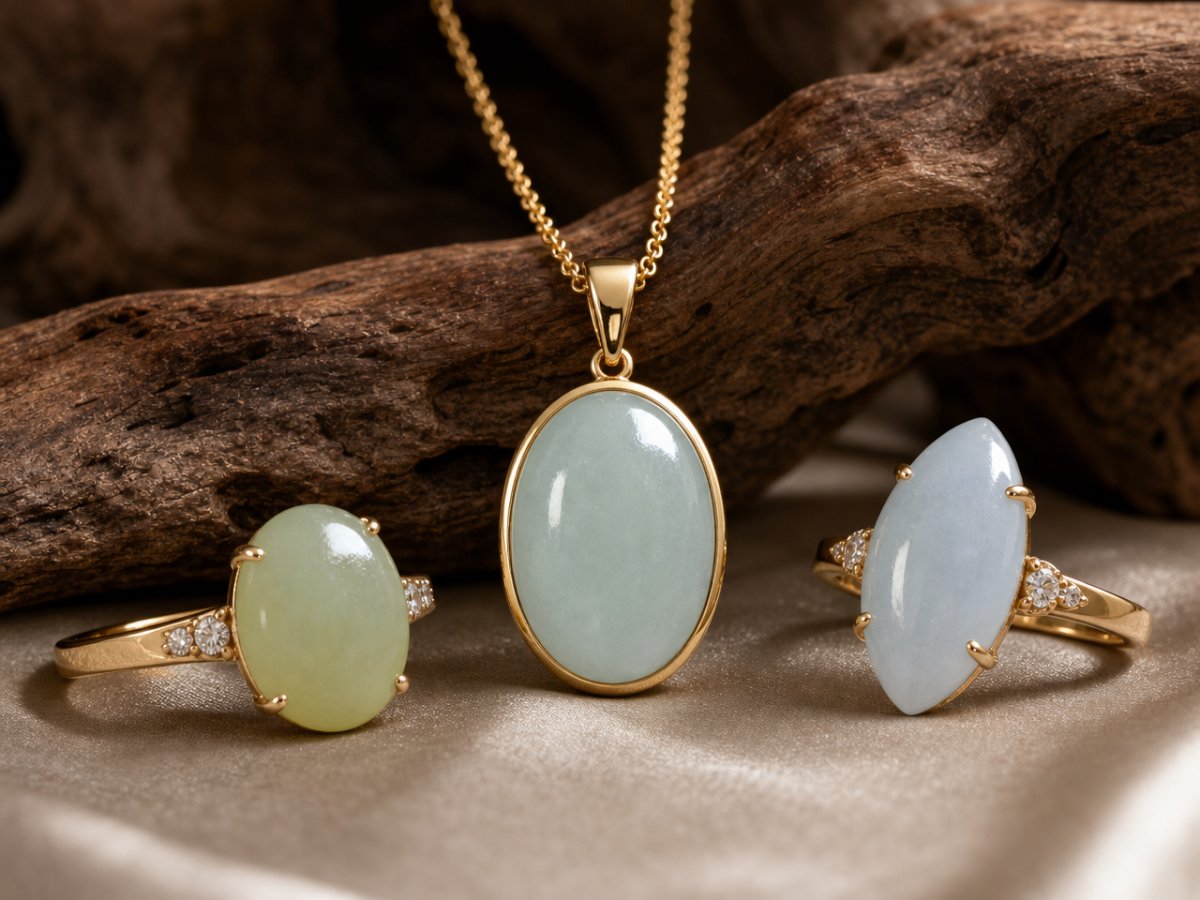
Jadeite is strongly associated with bangles and rings, two forms where color and polish are easy to appreciate. Bangles require careful attention to fit, thickness and surface condition because they are worn directly on the wrist and may receive regular contact. Rings should be checked for secure setting and practical design, especially if the jadeite is a cabochon.
Jadeite also works well in bracelets, necklaces and pendants, where cabochons and carvings can be displayed prominently. Earrings and brooches are good options when you want visible color without the same exposure to impact as a ring or bangle.
Practical Jadeite Buying Checklist
1. Choose the color you actually want
Do not buy by name alone. Compare green, gray, black, purple, violet, white, yellow or blue jadeite by eye and choose the color character that best suits your jewelry design or collection.
2. Check treatment disclosure
Confirm whether the jadeite is untreated, coated or dyed. Treatment status should be clear before purchase, especially for higher-value or collector-oriented pieces.
3. Inspect polish and surface condition
Because jadeite is often cut as a cabochon or carving, the polish is a major part of its appeal. Look for a smooth surface, attractive luster and no obvious chips or worn areas.
4. Match the cut to the jewelry use
Oval cabochons are practical for rings and pendants. Freeform and carved jadeite can be excellent for pendants, necklaces, brooches and statement pieces. Bangles should be chosen with special attention to comfort and fit.
5. Consider size and weight in context
Jadeite is often appreciated in larger polished surfaces or carved forms, but bigger is not always better. A smaller stone with pleasing color, good polish and proper disclosure may be a better purchase than a larger piece with uncertain treatment or poor finish.
6. Buy from a seller who provides clear information
Look for transparent descriptions covering gemstone name, color, size, treatment status and, where relevant, origin. Clear information helps you compare jadeite fairly and avoid confusing it with other jade-like stones.
Summary
The best jadeite purchase is the one that balances appearance, treatment disclosure, durability and intended use. Start with color, then evaluate the cut or carving, confirm whether the stone is untreated or treated, and choose a jewelry style that protects the gem while showing its polish and color. With careful comparison and honest seller information, jadeite can be a rewarding gemstone for both jewelry and collecting.