

Buying jade is easiest when you focus on what you can clearly evaluate: appearance, craftsmanship, disclosure and suitability for the jewelry you want to make or wear. Jade is often chosen for its smooth, polished look and distinctive natural character, so personal preference plays an important role.
This guide explains the practical points that help buyers compare jade more confidently, including color, clarity, cut, size, treatments, authenticity and jewelry use.
What to Look for When Buying Jade
Start by deciding whether you are buying jade for jewelry, collecting, carving, replacement, or design work. A gemstone that looks attractive in a display tray may not be the best choice for a ring, pendant or matched jewelry layout. Consider the final use before comparing individual stones.
For most buyers, the most important questions are simple: Does the color appeal to you? Is the surface attractive? Is the shape suitable for your design? Has the seller clearly disclosed any important information? Can you inspect the gemstone under good lighting?
Jade Color and Appearance
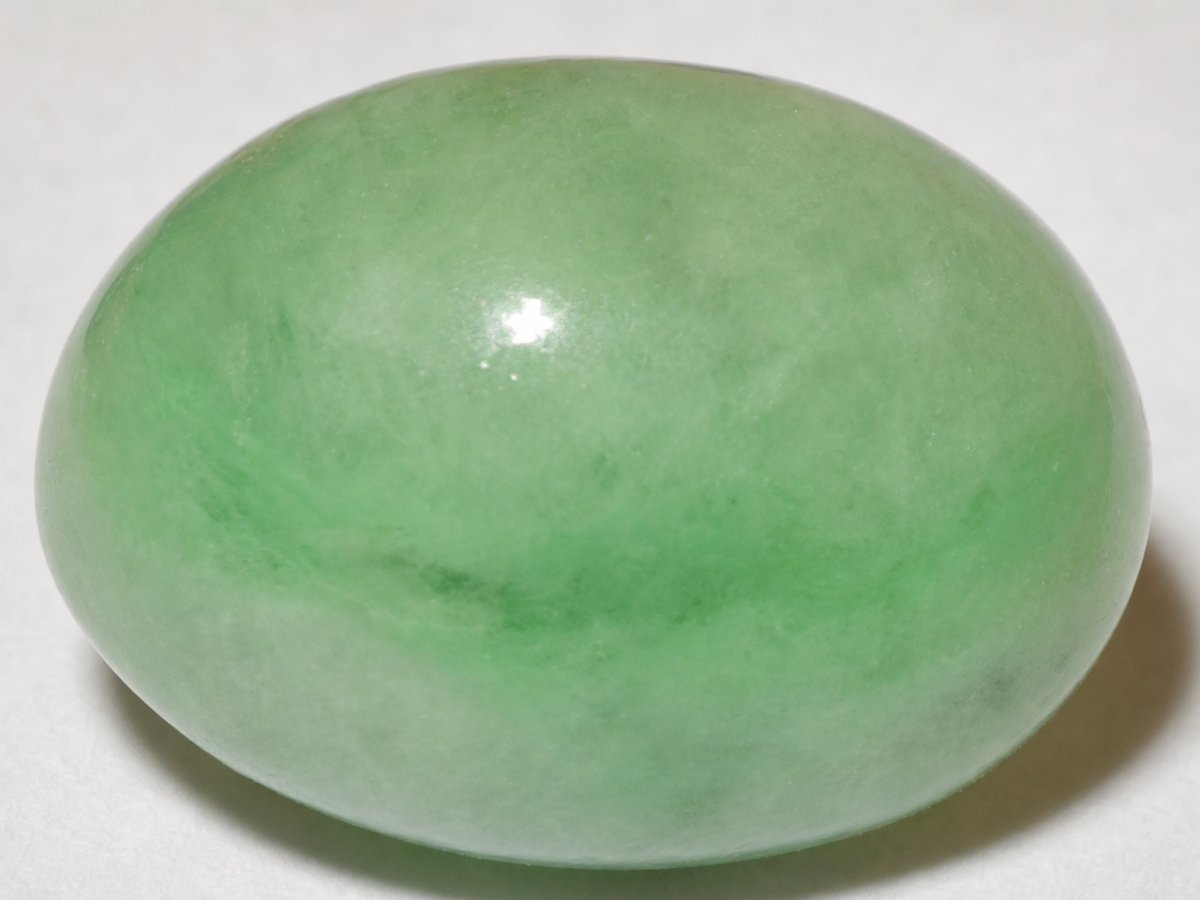
Jade is known in brown tones, which can give it an earthy, organic appearance. When comparing brown jade, look for a color that appears pleasing and balanced to your eye. Some buyers prefer an even, consistent look, while others enjoy natural variation, mottling or patterning.
View jade under neutral lighting whenever possible. Very warm or dim lighting can change the way brown gemstones appear, making them look richer, darker or less detailed than they may look in daylight. If you are matching stones for earrings, bracelets or multi-stone designs, compare them side by side rather than judging each stone separately.
Clarity, Texture and Surface Quality
Unlike transparent faceted gems, jade is often appreciated for body color, polish and overall surface appearance. When inspecting a piece, look closely at the polish, edges and visible surface features. A smooth, well-finished surface usually improves the finished look of the gem.
Natural-looking internal or surface variation may be part of jade's appeal, but cracks, chips, pits or poorly polished areas can affect beauty and usability. For jewelry, pay special attention to areas near drill holes, edges, corners and setting points, as these are more likely to show wear or damage over time.
Cut, Shape and Craftsmanship
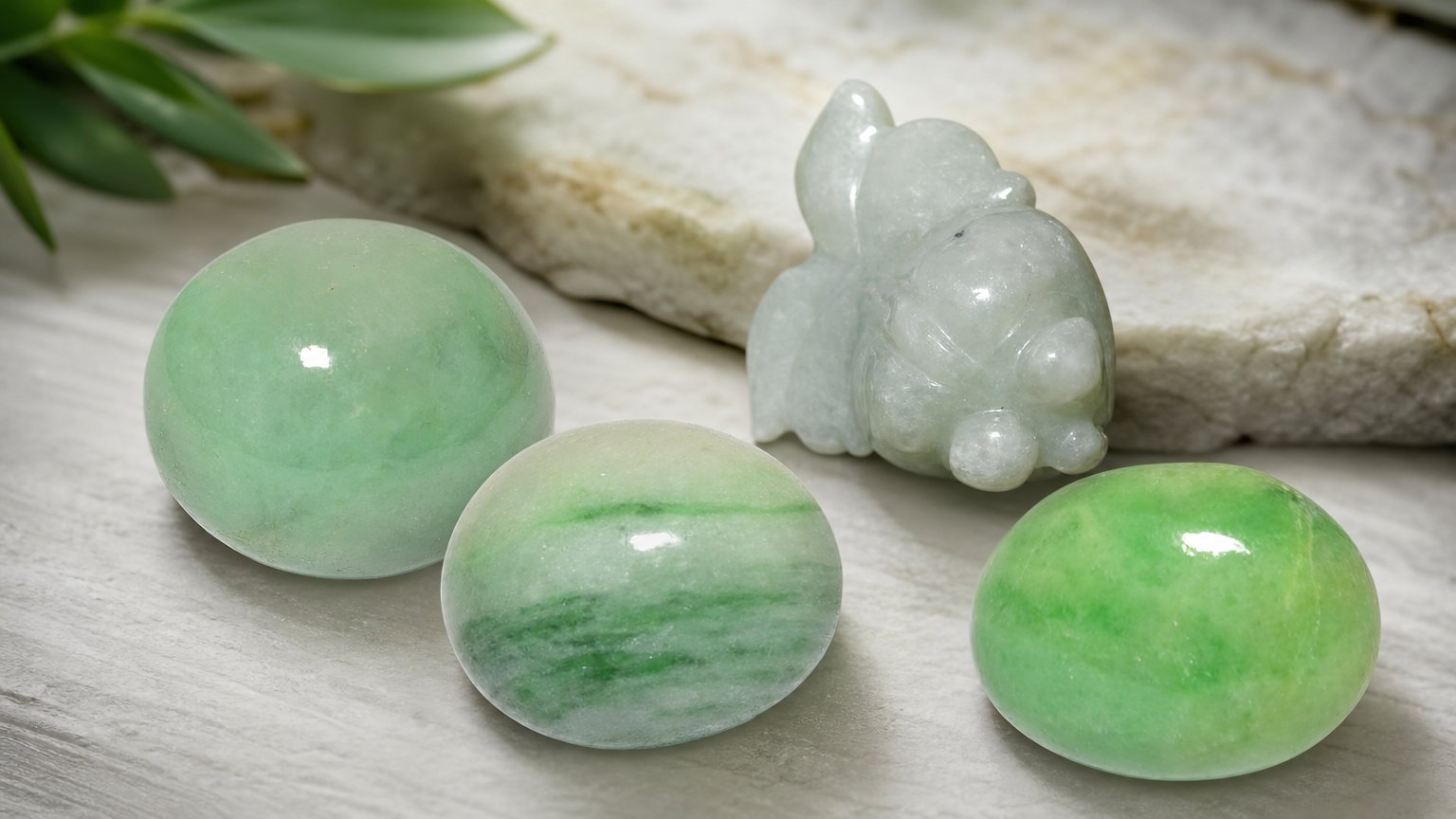
Cutting style has a major effect on how jade presents itself. Cabochons, beads, carvings and polished forms should be judged by symmetry, finish and proportion. A well-shaped cabochon should sit properly in a setting, while beads should have neat drill holes and consistent sizing if they are intended for a strand or bracelet.
For carved jade, craftsmanship becomes especially important. Look for clean details, balanced design and a polish that suits the carving. Avoid pieces where the design hides obvious damage or where thin projecting areas may be vulnerable in everyday wear.
Size and Jewelry Suitability
Larger jade pieces can show more color and pattern, while smaller pieces may be easier to use in delicate jewelry. Size should be considered together with shape and intended setting. A large cabochon may work beautifully in a pendant but feel bulky in a ring. Small calibrated pieces may be more practical for earrings, accent settings or repeatable jewelry designs.
If you are buying jade for a custom setting, confirm measurements carefully. Millimeter dimensions are often more useful than weight alone because the jeweler needs to know whether the stone will physically fit the design.
Treatments, Disclosure and Authenticity
Clear disclosure is one of the most important parts of buying jade. Ask the seller whether the gemstone has been treated, enhanced or stabilized, and make sure the description is written clearly enough for you to understand before purchasing.
If authenticity is important for your purchase, buy from a reputable seller and consider an independent gemological report for higher-value items. A report can help confirm identity and provide useful information that is difficult to judge by appearance alone.
When shopping online, review the photos, measurements and return policy carefully. GemSelect provides gemstone listings with practical information so buyers can compare options before ordering.
How to Choose Jade for Jewelry
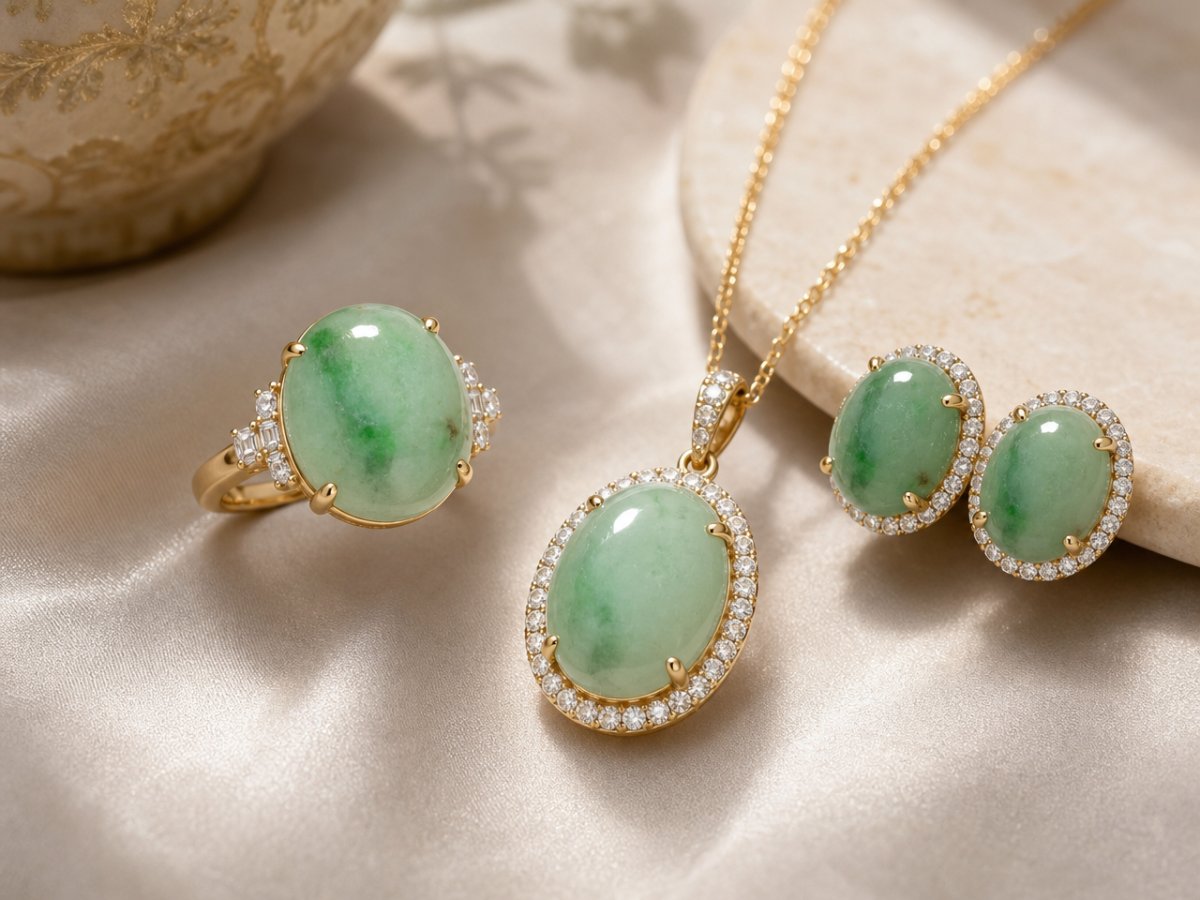
For rings, choose pieces with good polish, sound edges and a shape that can be securely set. For pendants and earrings, visual appeal and matching may be more important than exposure to wear. For bracelets and beads, inspect drill holes, consistency and surface finish, since these pieces may rub against skin, clothing or other beads.
Jade with attractive brown coloring can pair well with warm metals, neutral designs and natural-style jewelry. If you are designing a set, order enough matching material at the same time, because color and pattern can vary from one piece to another.
Care and Handling
Use sensible gemstone care practices with jade. Store pieces separately to prevent rubbing against harder jewelry, and clean with mild soap, lukewarm water and a soft cloth unless the seller gives different care instructions. Avoid harsh chemicals, ultrasonic cleaning or steam cleaning unless a qualified jeweler confirms they are safe for that specific item.
Buying Summary
The best jade purchase is one that matches your preferred appearance, intended jewelry use and confidence level. Compare color, polish, craftsmanship and seller disclosure before deciding. For brown jade, choose a tone and pattern that suit your design, and make sure the piece is well finished and clearly described.