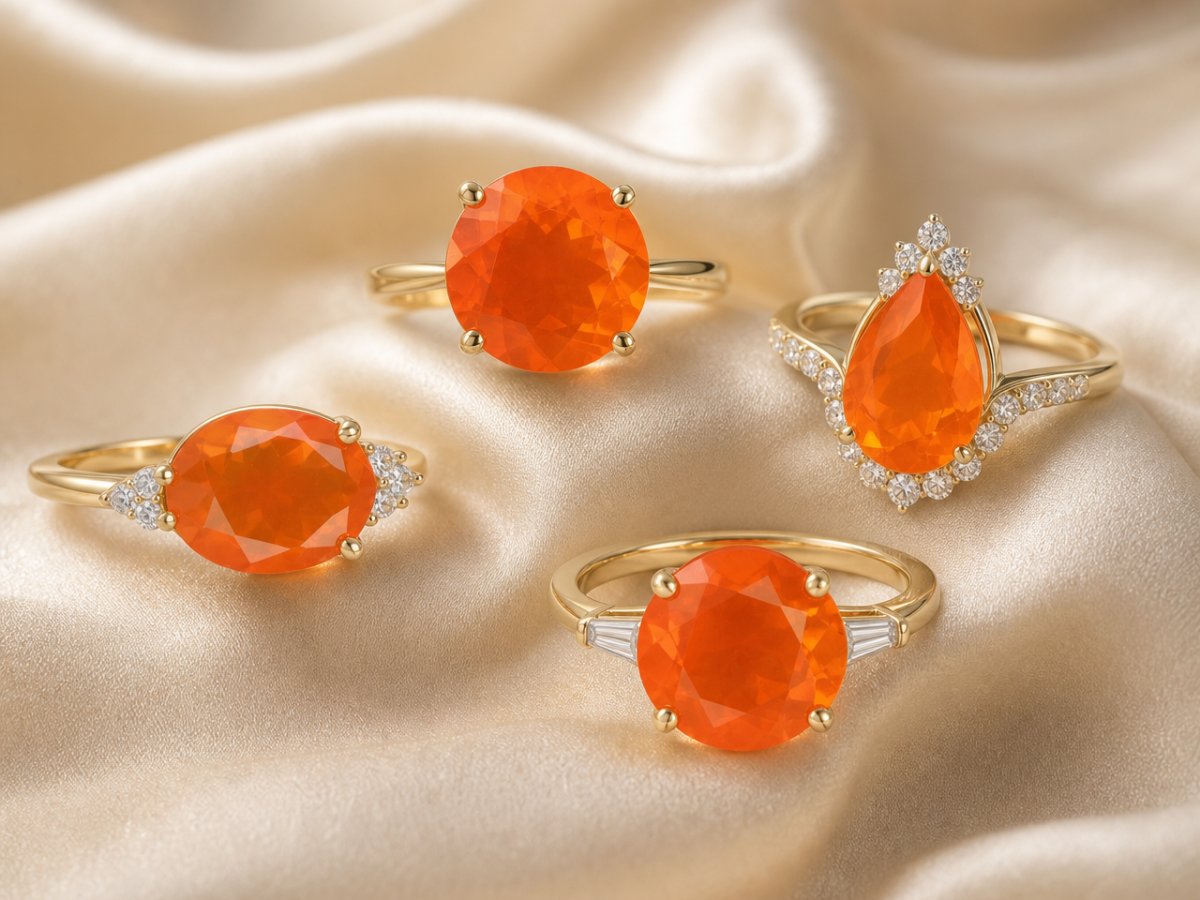


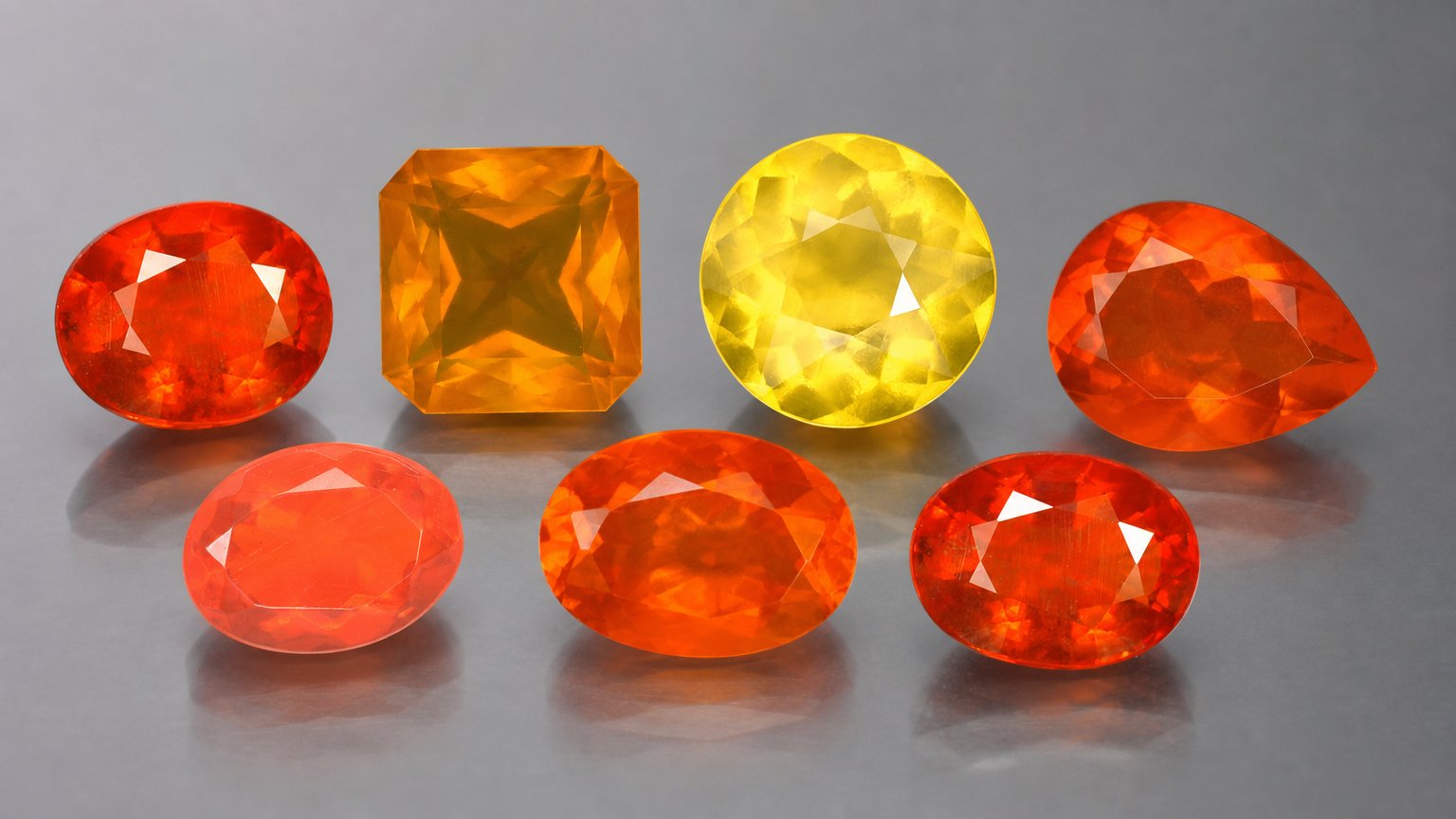
Fire opal is one of the most visually distinctive members of the opal family, prized by buyers for its warm orange, yellow and red body colors. Unlike many gemstones where brilliance or deep saturation alone drives the first impression, fire opal is usually chosen for the character of its color: glowing orange, sunny yellow, vivid reddish orange or stronger red tones. For jewelry designers, collectors and buyers looking for an October birthstone, it offers a bright alternative to more traditional opal appearances.
A good fire opal purchase starts with understanding what you are actually seeing. Color, cut style, shape, treatment disclosure and intended jewelry use all matter. A loose gemstone for a pendant can be selected differently from a stone intended for a ring, and a faceted oval fire opal will present light differently from a cabochon. This guide explains the main points to check before buying so you can compare stones with confidence and choose the fire opal that best fits your design, budget and expectations.
What Is Fire Opal?
Fire opal is a variety of opal known for its fiery body color. In practical buying terms, the name refers to opal gems showing warm yellow, orange or red coloration. Orange is the most strongly associated color and is often what buyers picture first when they hear the term fire opal. Yellow and red fire opals are also encountered, with red being a less central but still important color possibility.
Because fire opal belongs to the opal family, it should be evaluated as an individual gemstone rather than by relying only on the variety name. Two stones both sold as fire opal can differ noticeably in color strength, transparency, cut, proportions and overall appearance. When purchasing online, clear photos, videos where available, accurate measurements and treatment information are especially helpful.
Color: The First Quality to Consider
Color is the most important visual factor for many fire opal buyers. The strongest buying question is simple: does the stone have the color you want for your jewelry or collection? Fire opal is best known for orange, but buyers may prefer a golden yellow look, a rich reddish orange, or a more intense red impression depending on the design.
Orange Fire Opal
Orange is the classic fire opal color and should be considered the main reference point when comparing stones. Some orange fire opals appear bright and lively, while others may lean toward softer apricot or deeper reddish orange. If the gem will be set in yellow gold, rose gold or a warm-toned design, compare the gem color against the metal color before deciding. The right combination can make the stone appear warmer and more cohesive.
Yellow and Red Fire Opal
Yellow fire opal can be appealing for buyers who want a sunny, lighter look. It may suit earrings, pendants and necklaces where a bright but not overly saturated color is desired. Red fire opal is also part of the fire opal color range. When considering red or reddish stones, pay close attention to the actual photos rather than the color name alone, since descriptions can vary and the visual impression may shift under different lighting.
Color Consistency and Lighting
Always evaluate fire opal color under more than one lighting condition when possible. Studio lighting, daylight and indoor light can make warm-colored gems look different. For loose stones, ask yourself whether the color remains attractive from several angles. A gemstone that looks good only in one photo angle may not perform as well in a finished piece that moves with the wearer.
Cut Styles: Faceted Fire Opal and Cabochon Fire Opal
Fire opal is commonly found as faceted gems and also as cabochons. The cut style has a major effect on the appearance of the finished stone, so buyers should decide which look best suits the intended jewelry.
Faceted Fire Opal
Faceted fire opal is especially popular because facets can give the gem a lively, bright appearance. A faceted cut uses flat polished surfaces arranged to reflect light. For transparent to translucent colored stones, faceting can make the color appear more dynamic and can help the gem look refined in rings, earrings and pendants.
When inspecting a faceted fire opal, look for symmetry, even outline and a pleasing face-up appearance. The stone should not appear overly deep or overly shallow unless the design specifically benefits from that shape. Check that the color is attractive across the face of the gem and that the cut does not create distracting dark or washed-out areas.
Cabochon Fire Opal
Cabochon fire opal has a smooth, domed surface rather than facets. This style gives a softer, more classic gemstone appearance. Cabochons can be an excellent choice for buyers who prefer a smooth glow of color over sparkle. They are also useful in designs where a rounded surface, bezel setting or organic shape is desired.
For cabochons, inspect the dome shape, polish and outline. A well-made cabochon should look balanced and intentional. The top should not appear flat unless that is part of the design, and the base should suit the planned setting.
Shapes to Compare Before Buying
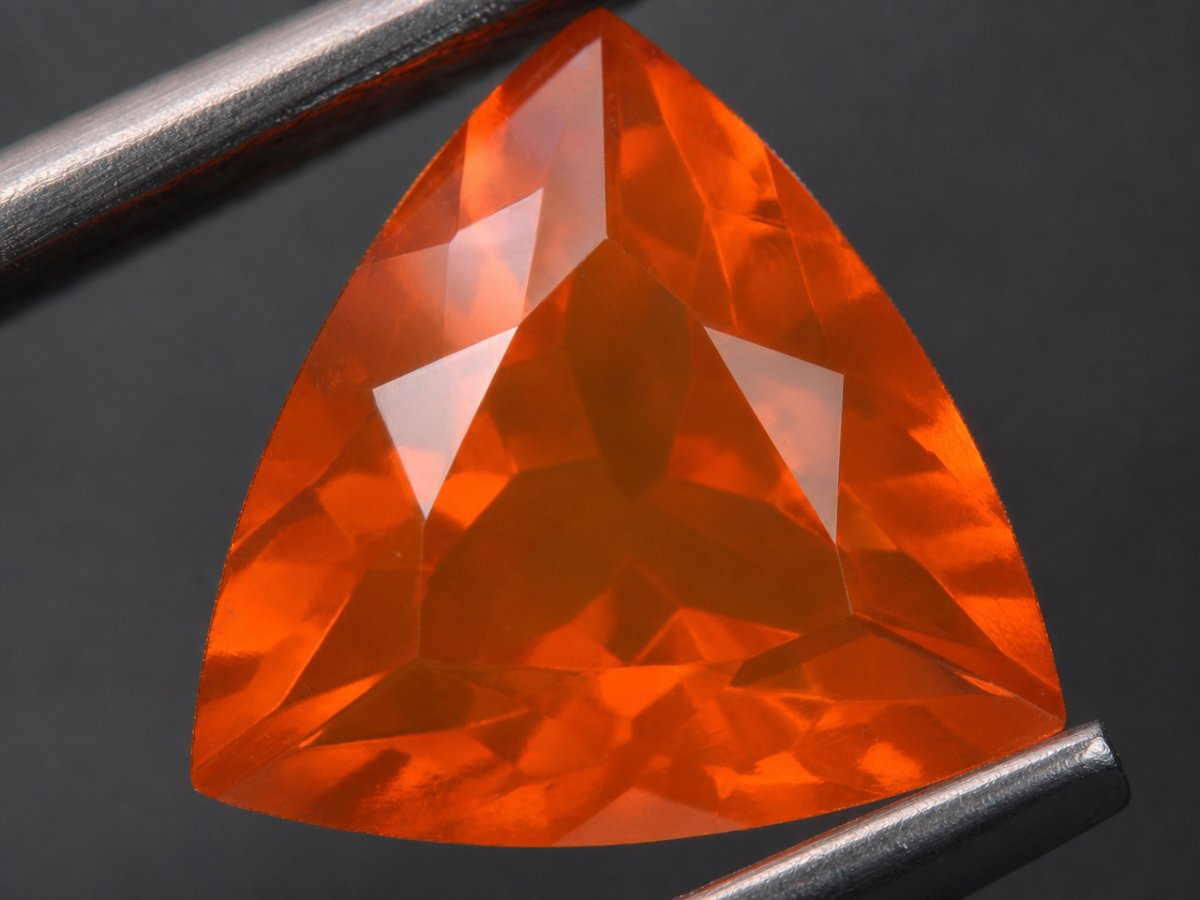
Oval is one of the most common and practical shapes for fire opal. Ovals are easy to use in rings, pendants and earrings, and they often provide a pleasing balance between size appearance and elegance. If you are buying a single stone and want maximum design flexibility, an oval fire opal is a sensible place to start.
Cushion and pear shapes are also common choices. Cushion shapes can look soft and substantial, making them suitable for rings and pendants. Pear shapes add direction and movement, which can be attractive in drop earrings and pendant designs. Marquise, octagon and round fire opals may also be available and can work well when the jewelry design calls for a specific outline.
When choosing shape, think beyond the loose stone. A pear-shaped fire opal may need a setting that protects the pointed end, while an oval or cushion may be easier to mount in a wide range of standard designs. If you are buying matched stones for earrings, make sure the pair is close in shape, size and color.
Clarity, Transparency and Surface Condition
Clarity describes how clean a gemstone appears, including visible inclusions, internal features or surface-reaching marks. Fire opal should be judged by its overall beauty and usability rather than by a rigid clarity grade. Some internal features may be acceptable if they do not distract from the color or affect durability. However, buyers should be cautious with stones that show obvious cracks, chips or surface-reaching fractures.
Transparency also influences appearance. Some fire opals may appear more transparent, while others may look more translucent. A transparent faceted fire opal may show more depth and light return, while a more translucent stone may emphasize body color. Neither look is automatically better; the right choice depends on the jewelry style and the buyer’s preference.
For online purchases, enlarge the photos and examine the stone at normal viewing size as well. Magnified images are useful for disclosure, but they can make minor features look more noticeable than they will appear in jewelry. Conversely, do not ignore visible damage just because the color is attractive.
Origin: Mexico, Ethiopia and Brazil
Origin can be interesting to collectors and may influence buyer preference, but it should not replace careful evaluation of the individual gem. Fire opal is strongly associated with Mexico, and Mexican fire opal is especially well known in the gemstone trade. Buyers looking for the classic fire opal identity often pay close attention to Mexican material.
Ethiopia is also an important origin for fire opal, and Brazil is another recognized source. Each stone should still be assessed by its appearance, treatment disclosure, cut and suitability for the intended use. A country name alone does not guarantee that a fire opal will be more beautiful or more appropriate for a specific piece of jewelry.
If origin matters to you, buy from a seller that clearly states the origin when it is known. When origin is not essential, focus on the stone’s color, condition and measurements. For many jewelry projects, the best fire opal is simply the one with the right look and reliable disclosure.
Treatments and Disclosure
Treatment disclosure is an essential part of buying any gemstone. Fire opal is commonly offered as untreated, and untreated stones are straightforward for buyers who want the gem as it naturally appears after cutting and polishing. Always check the listing details rather than assuming a stone is untreated.
Smoked treatment is also associated with fire opal. In general buying terms, a smoked treatment means that smoke has been used to influence the gem’s appearance. If a fire opal has received this treatment, it should be disclosed clearly by the seller. Treatment does not automatically make a gemstone unsuitable, but it should be reflected in your expectations and care decisions.
Before purchasing, confirm whether the stone is untreated or treated, and keep that information with your records. This is especially important for jewelers and designers who may later sell the finished piece and need to disclose the gemstone accurately to their customers.
Durability and Everyday Wear
Durability is not only about hardness. It also includes toughness, stability, setting protection and how the wearer treats the jewelry. Since fire opal is an opal variety, buyers should take a thoughtful approach to jewelry use. It can be used successfully in rings, earrings, pendants and necklaces, but the design should match the wearer’s lifestyle.
For rings, protection is particularly important because rings receive more impact and abrasion than most other jewelry types. A fire opal ring can be beautiful, but it is better suited to careful wear than to rough daily activity. Consider protective settings, lower profiles and designs that reduce the chance of knocking the stone against hard surfaces. Remove fire opal rings before activities that could expose them to impact, chemicals or harsh cleaning.
Earrings, pendants and necklaces are often easier ways to wear fire opal because they usually experience less direct contact. These uses allow the stone’s color to stand out while reducing the likelihood of accidental knocks. For larger or more delicate stones, a pendant can be a practical and attractive choice.
Choosing Fire Opal for Jewelry
Fire Opal Rings
Rings are a popular use for fire opal, but they require the most careful planning. Choose a stone with a shape and size that can be set securely. Oval and cushion fire opals are especially practical for ring designs. If selecting a pear or marquise shape, ensure the setting protects any pointed ends. Bezel or partial-bezel styles can be useful when the design allows them.
Fire Opal Earrings
Earrings are an excellent choice for fire opal because they showcase color without exposing the gems to as much wear as rings. When buying pairs, focus on matching color, size, shape and cut style. Perfectly identical natural gemstones are not always necessary, but the pair should look harmonious when worn together.
Fire Opal Pendants and Necklaces
Pendants and necklaces let fire opal serve as a warm focal point. A larger oval, pear or cushion can work well as a center stone, while smaller stones can be used as accents or in station-style necklaces. Since pendants move with the wearer, check that the stone looks attractive from the front and at slight angles.
Size, Measurements and Carat Weight
When buying fire opal, do not rely on carat weight alone. Gemstones of the same weight can have different face-up sizes depending on depth and cut proportions. Always compare millimeter measurements, especially if the stone must fit an existing setting or design plan.
For jewelry designers, the length, width and depth are all important. A deep stone may need a custom setting, while a shallow stone may require careful mounting to sit securely. If you are replacing a stone in an existing piece, exact measurements matter more than a general shape description.
For earrings, small differences in size may be noticeable when the stones are worn close to the face. For rings and pendants, proportions should support the design. A well-proportioned fire opal that looks lively and balanced is often more satisfying than a stone chosen only because it has a higher carat weight.
Practical Fire Opal Buying Checklist
Before completing a purchase, review the stone as a whole rather than isolating a single feature. A vivid orange fire opal with an awkward cut may be less useful than a slightly softer colored stone with better proportions for your setting. Likewise, a rare-looking color is not enough if the stone has damage or unclear treatment information.
- Color: Choose the orange, yellow or red tone that best fits your taste and jewelry design.
- Cut style: Decide between the brightness of a faceted gem and the smooth look of a cabochon.
- Shape: Oval is highly versatile, while cushion, pear, round, marquise and octagon shapes suit specific designs.
- Condition: Check photos for chips, cracks, surface-reaching fractures or distracting inclusions.
- Treatment: Confirm whether the fire opal is untreated or has received smoked treatment.
- Origin: Consider Mexico, Ethiopia or Brazil if origin is important, but judge the individual stone first.
- Jewelry use: Match the stone to the setting type and the wearer’s lifestyle.
- Measurements: Use millimeter dimensions, not only carat weight, when planning jewelry.
Buying Fire Opal Online
Online buying works best when the listing provides enough information to evaluate the stone before it arrives. At GemSelect, buyers can compare individual loose gemstones by photo, shape, size, weight and treatment disclosure. This is useful for fire opal because each gem’s color and cut can look different, even within the same variety.
When comparing listings, keep your intended use in mind. A bright faceted oval may be ideal for a ring, while a pear-shaped cabochon may be better for a pendant. If you are purchasing multiple stones for a jewelry suite, compare them together for color harmony rather than choosing each stone in isolation.
Also consider return policies, setting plans and whether you need documentation for resale or customer disclosure. Professional jewelers should keep treatment and origin information with their design records.
Summary
Fire opal is a warm-colored opal variety most strongly associated with orange, with yellow and red also important to the buying range. The best choice depends on the combination of color, cut, shape, condition, treatment disclosure and intended jewelry use. Faceted stones offer a lively appearance, while cabochons provide a smoother, softer look. Mexico is the most prominent origin, with Ethiopia and Brazil also recognized, but each stone should be judged on its own merits.
For rings, choose protective settings and encourage careful wear. For earrings, pendants and necklaces, fire opal can be an expressive and practical color choice. By checking photos, measurements and treatment information carefully, buyers can select a fire opal that is both beautiful and appropriate for the finished jewelry.