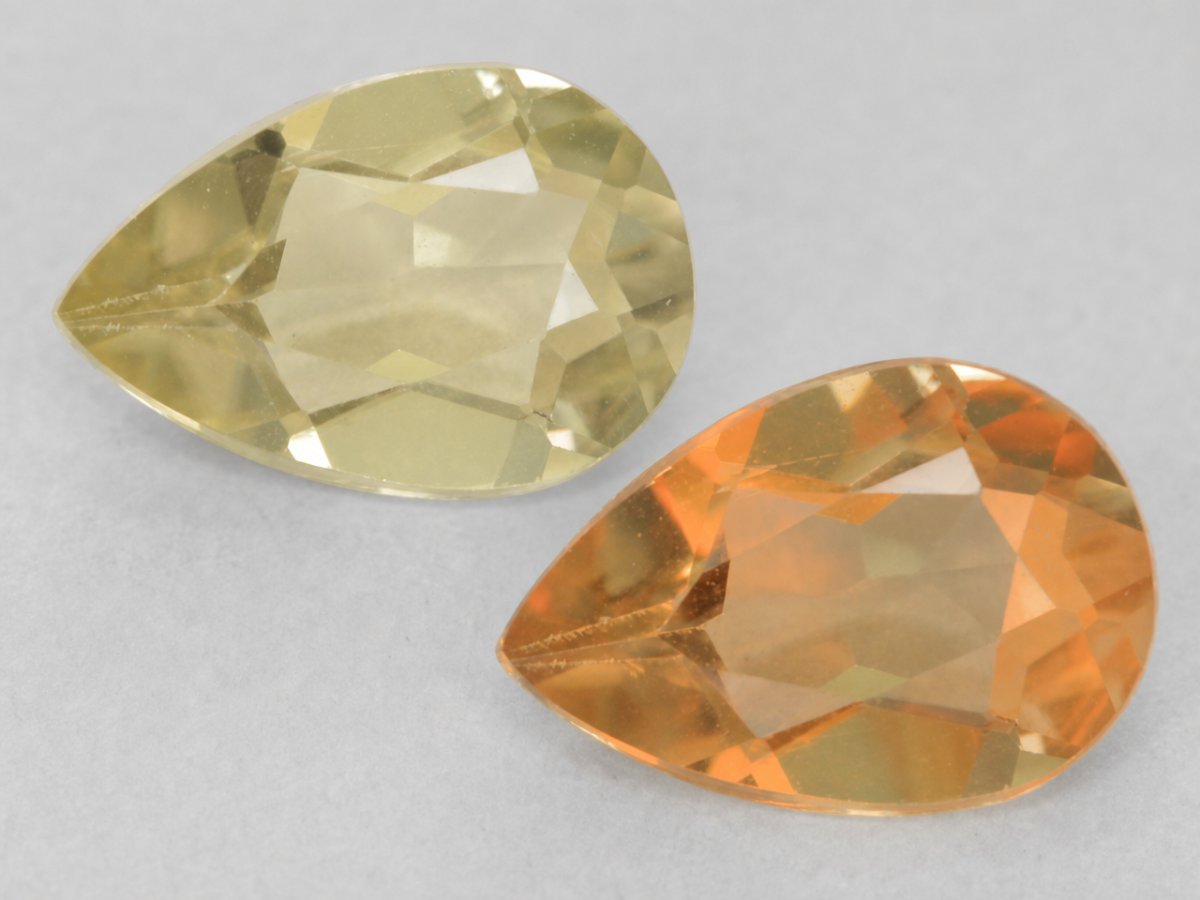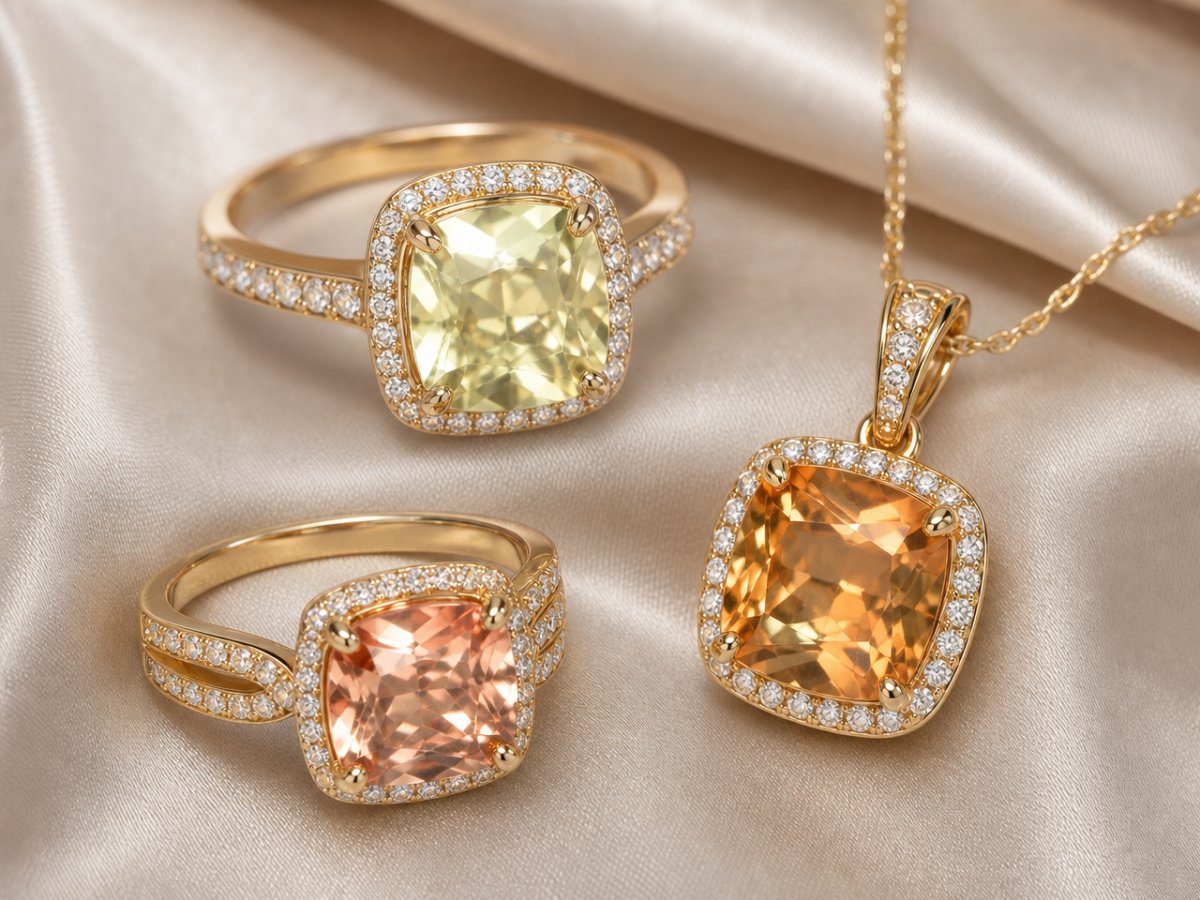


Color-change diaspore is chosen for its shifting appearance, elegant earthy colors and naturally untreated character. For buyers, the most important questions are simple: how strong is the color change, how attractive is the base color, is the cut lively, and will the gem suit the intended jewelry design?
This guide focuses on the practical points that matter when comparing loose color-change diaspore gemstones for rings, pendants, earrings and necklaces.
What Is Color-Change Diaspore?
Color-change diaspore is a gemstone variety of aluminum oxide hydroxide with the chemical formula AlO(OH). It crystallizes in the orthorhombic crystal system and is valued for its ability to show different color impressions under different lighting conditions.
The key buying appeal is not just one fixed body color, but the way the gem responds to light. When comparing stones, view each gem in more than one light source if possible, because a stone that looks appealing in one environment may appear warmer, softer or more subdued in another.
Color and Appearance: What to Look For
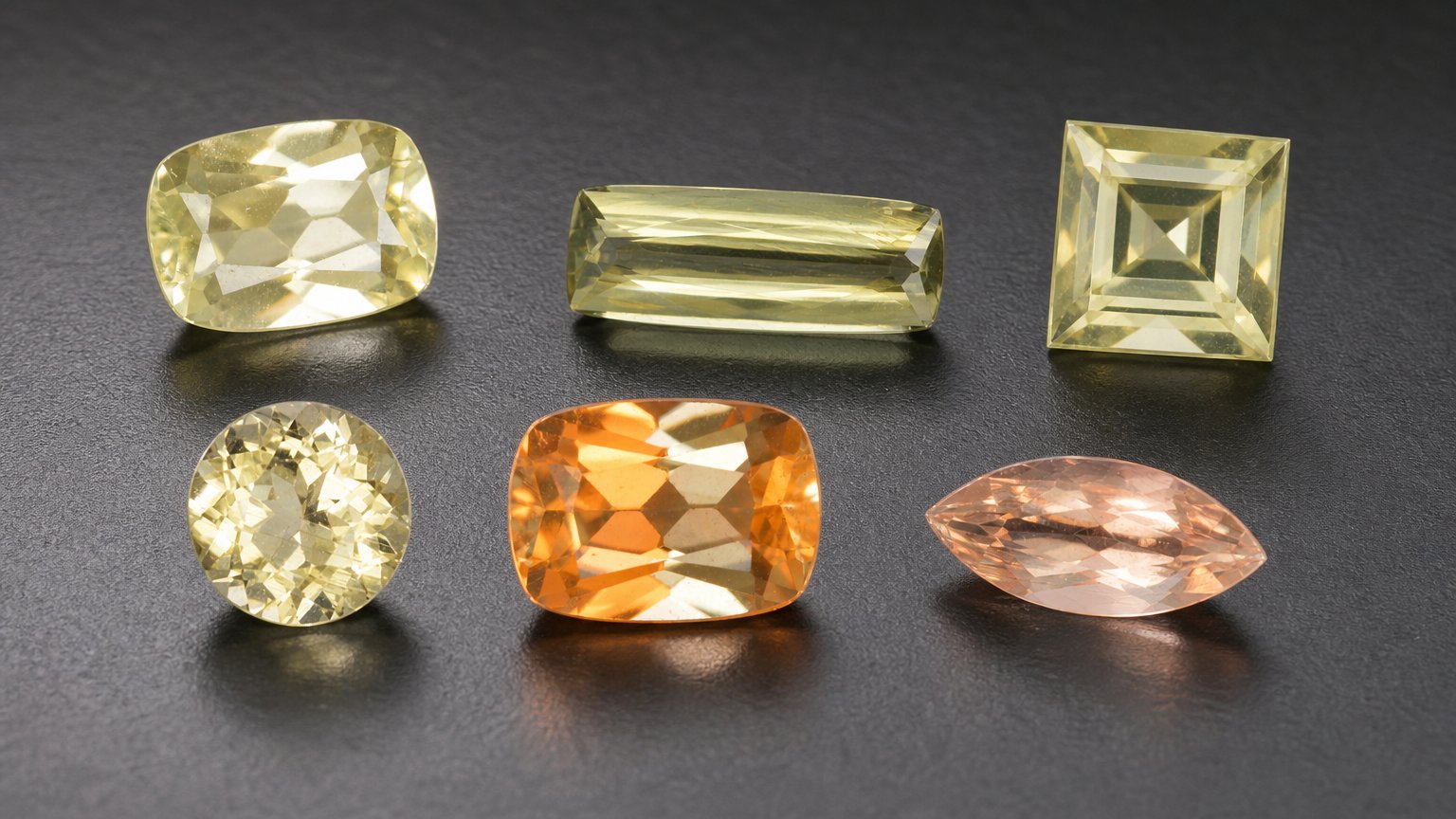
The best choice depends on personal taste, but color is the main visual factor in color-change diaspore. Common color impressions include green, yellow, brown and champagne tones. Green is especially important to the gem's typical appearance, while yellow, champagne and brown tones can add warmth and individuality.
When buying, consider three color-related points:
- Base color: Decide whether you prefer a greener appearance, a golden-yellow look, or a softer champagne to brown tone.
- Color-change effect: Look for a noticeable difference in appearance between lighting conditions. A stronger, more attractive change is generally more desirable to buyers.
- Tone and saturation: Very dark stones can hide brilliance, while very pale stones may show a weaker visual impact. Choose a balance that looks lively to your eye.
Because color-change gems can be difficult to judge from a single image, detailed photos, videos or lighting descriptions can be helpful when buying online. At GemSelect, compare the listed images and measurements carefully before choosing the stone that best fits your design.
Cut, Shape and Brilliance
Color-change diaspore is most commonly found as faceted gemstones. Faceting helps display brightness and makes the color shift more visible across the crown of the stone. Step cuts are also common and can give the gem a clean, architectural look, especially in octagon or rectangular-style designs.
Popular shapes include cushion and oval, both of which work well for rings and pendants. Octagon and pear shapes are also seen, while marquise, round and square stones may appeal to buyers looking for a more specific design style.
Checkerboard and Portuguese cuts may be available and can create extra surface sparkle. When comparing cuts, look for symmetry, even brightness and a pleasing face-up outline. A well-cut stone should not look lifeless in the center or overly shallow at the edges.
Clarity and Transparency
For a faceted color-change diaspore, the practical clarity question is whether inclusions distract from the beauty of the stone. Small natural inclusions may be acceptable if the gem still looks bright and attractive face-up.
Buyers should focus on eye-visible appearance rather than expecting a laboratory-style clarity grade. Check whether inclusions are obvious in the center of the stone, whether they reduce transparency, or whether they interfere with the color-change effect.
Origin Considerations
Turkey is the most important origin associated with color-change diaspore. Material is also associated with China and Russia, but these origins are less central in the market discussion.
For most buyers, origin is secondary to beauty, cut quality, size, clarity and suitability for the intended jewelry. If origin matters to you, review the product details and any available documentation, but do not choose origin over a stone that is visibly better for your design.
Treatments and Buying Confidence
Color-change diaspore is commonly offered untreated. This is an important buying point for customers who prefer natural gems without enhancement.
When purchasing, check the treatment information on the listing. A clear statement that the stone is untreated helps buyers understand exactly what they are selecting and supports long-term confidence in the purchase.
Durability and Everyday Wear
Color-change diaspore has a Mohs hardness of 6.5 to 7. This gives it reasonable scratch resistance for jewelry, but it should still be worn and stored with care. It is suitable for many jewelry styles, especially when the setting protects the stone from hard knocks.
For rings, including fashion rings, consider protective settings and avoid wearing the gem during activities that may expose it to impact or abrasion. Pendants, earrings and necklaces are often practical choices because they usually receive less direct wear than rings.
Basic care is straightforward: clean with mild soap, warm water and a soft cloth or soft brush. Store separately from harder gemstones to reduce the chance of scratches.
Gemological Properties
The following properties help identify and describe color-change diaspore:
- Mineral species: Aluminum oxide hydroxide
- Chemical formula: AlO(OH)
- Crystal system: Orthorhombic
- Mohs hardness: 6.5-7
- Refractive index: 1.702-1.750
- Specific gravity: 3.30-3.39
The refractive index range indicates that a well-cut stone can show attractive brightness, while the hardness range gives useful guidance for jewelry wear and care.
How to Choose the Right Color-Change Diaspore
Start with the look you want. If the color-change effect is your priority, compare stones under different lighting and choose the one with the most appealing shift. If the jewelry design is more important, begin with the shape and dimensions that fit the setting.
For rings, cushions, ovals and octagons are practical and attractive choices. For pendants and earrings, pear, oval and cushion shapes can create graceful designs with good visual presence. Match the cut style to the finished jewelry: step cuts for a refined geometric appearance, Portuguese or checkerboard cuts for a more sparkling look, and classic faceted cuts for versatility.
Finally, review size, measurements, treatment status and return options before purchasing. Carat weight is useful, but millimeter dimensions are often more important for jewelers and designers because they determine how the gem will fit into a setting.
Conclusion
A good color-change diaspore should offer an attractive base color, a pleasing shift in different lighting, a well-executed cut and enough durability for the intended jewelry. Choose by appearance first, then confirm the practical details: shape, dimensions, clarity, untreated status and setting style. With careful comparison, color-change diaspore can be a distinctive choice for buyers who want a natural gemstone with a changing personality.