

Cinnabar is a distinctive gemstone material best known for red to multicolor appearances and its strong visual character in cabochons, pendants, necklaces and carved pieces. For buyers, the most important points are not complex grading terms, but practical suitability: cinnabar is very soft, should be chosen for low-impact jewelry or display, and is commonly offered untreated.
This guide explains what to look for when buying cinnabar, how to judge appearance, which jewelry styles are most appropriate, and how to care for it responsibly.
What is cinnabar?
Cinnabar is mercury sulfide with the chemical formula HgS. It crystallizes in the trigonal crystal system and has a notably high specific gravity of 8.0 to 8.2, meaning it can feel heavy for its size compared with many other gem materials.
As a gem, cinnabar is usually appreciated for color and surface appearance rather than brilliance. It is not typically bought for sparkle in the way faceted transparent gems are; instead, buyers often choose it for cabochons, carvings and decorative jewelry designs where the material's color and pattern can be shown clearly.
Color and appearance: what buyers should look for
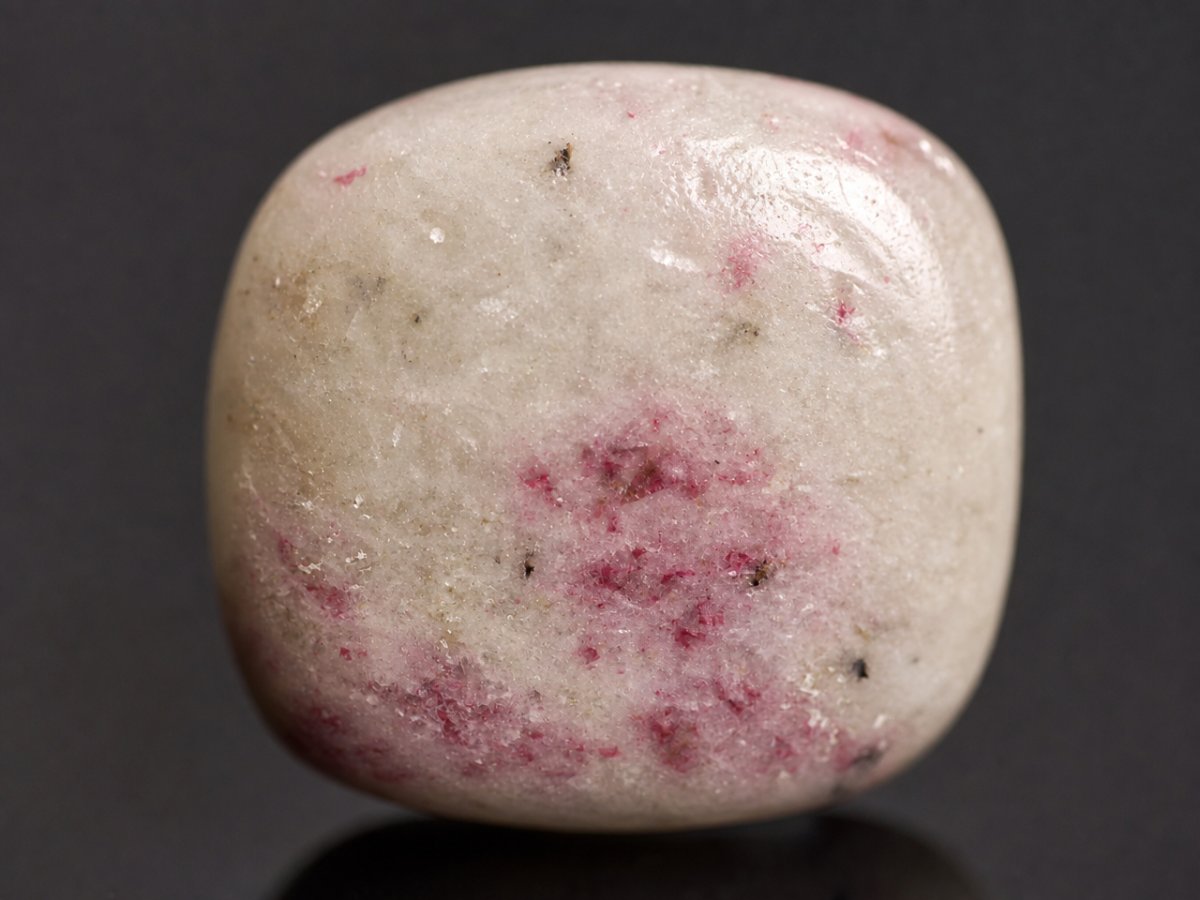
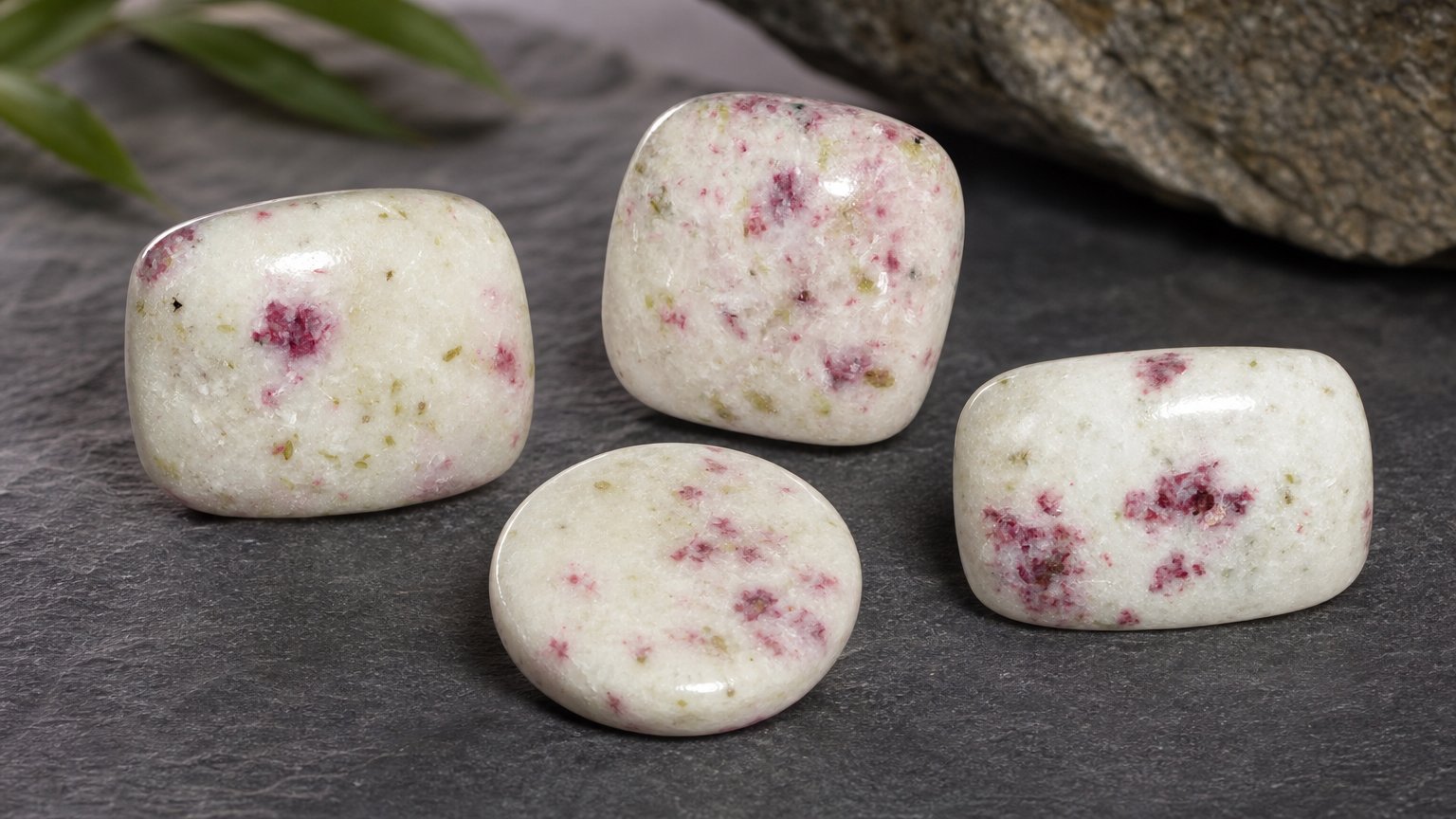
Cinnabar is known for red and multicolor appearances. Rich red material is especially associated with the gem, while multicolor stones can show attractive variation that gives each piece a more individual look.
When comparing cinnabar gemstones, focus on the overall face-up appearance. Look for a color arrangement you find pleasing, a clean polish, and a shape that suits the intended design. Because cinnabar is commonly cut as cabochons or carvings, surface quality is more important than faceting precision.
Cabochons and carvings
The most common cut style for cinnabar is the cabochon, a smooth domed cut that displays color well and avoids the sharp facet edges that would be vulnerable on a soft material. Carving is also seen and can be appealing for collectors or jewelry designers who want a more decorative centerpiece.
Common shapes include oval, round, cushion and pear. Baguette, square and freeform shapes may also be encountered. For jewelry, oval and round cabochons are often easy to set, while freeform or carved pieces can be useful for one-of-a-kind pendants and brooches.
Durability and suitability for jewelry
Durability is the key buying consideration for cinnabar. With a Mohs hardness of 2 to 2.5, it is very soft compared with many jewelry gemstones. It can scratch more easily, and it is not suitable for high-wear jewelry that receives knocks, abrasion or frequent contact with hard surfaces.
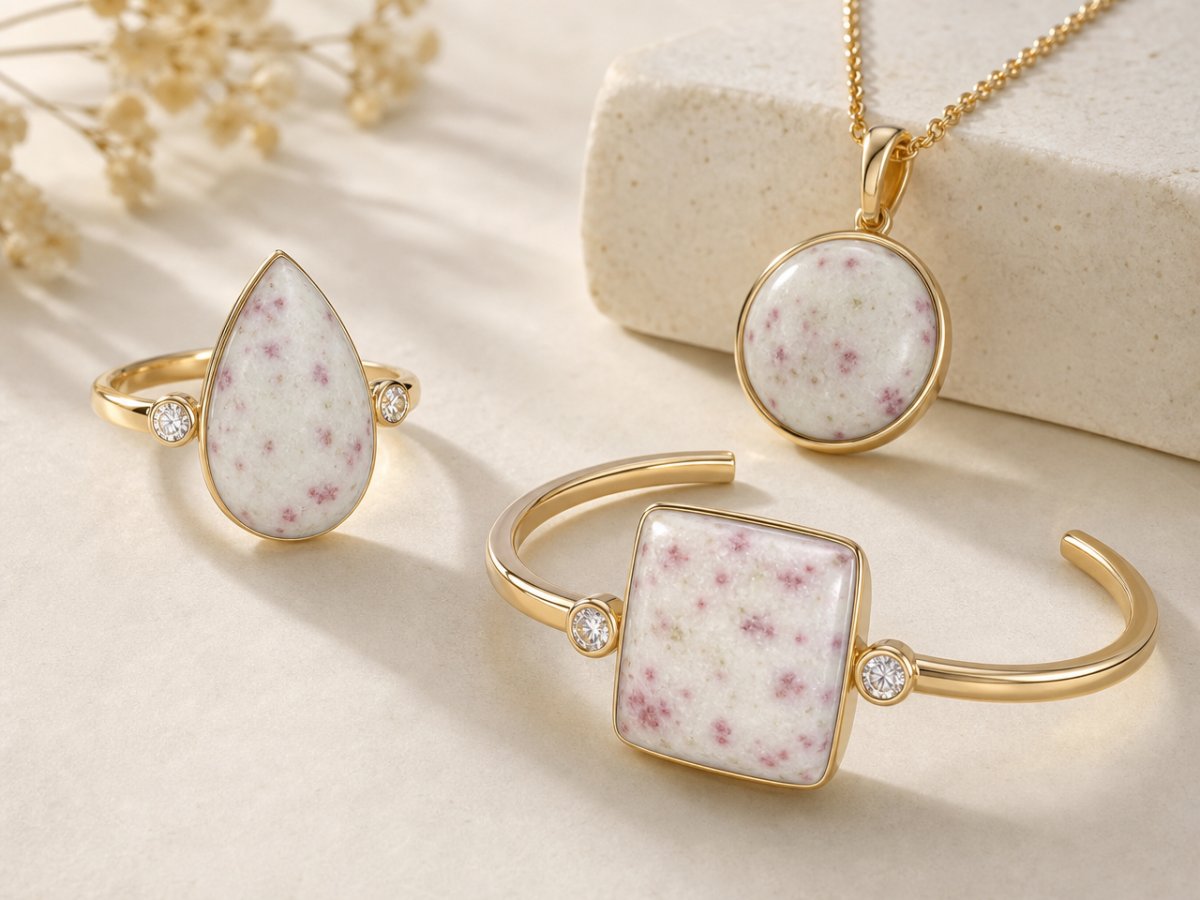
Cinnabar is best reserved for pendants, necklaces and brooches, where the stone is less exposed to impact. Earrings can also be suitable if the design protects the stone and the piece is handled carefully. Rings and bracelets are generally poor choices because they are exposed to more wear during daily use.
Buyers should choose settings that protect edges and exposed high points. Bezel-style settings, secure frames and designs that avoid sharp contact with other gems or metal surfaces are generally more practical than open, exposed settings.
Treatments and authenticity
Cinnabar is commonly offered as untreated. When buying, it is still wise to review the product details and ask for treatment disclosure if it is not clearly stated. Treatment information matters because it helps buyers understand exactly what they are purchasing and how to care for it.
For an online purchase, clear photos, accurate dimensions and transparent descriptions are especially important. Since cinnabar is valued visually, the image should show the actual color, pattern and cut style of the stone whenever possible. GemSelect provides individual gemstone details so buyers can compare appearance, size and suitability before ordering.
Origins
Important cinnabar origins include Spain, China, Mexico, Peru and the United States. Origin can be interesting for collectors, but for most jewelry buyers, appearance, condition, cut quality and intended use are more important than locality alone.
If origin is important to you, look for stones where the source is stated in the product information. Avoid assuming origin from color alone, as color appearance should not be used as a definitive source indicator.
Gemological properties useful to buyers
Cinnabar has a refractive index of 2.85 to 3.20 and a specific gravity of 8.0 to 8.2. These values are mainly useful for gemological identification rather than day-to-day buying decisions. For most buyers, hardness is the property that matters most because it directly affects jewelry suitability and care.
Because cinnabar is mercury sulfide, buyers should treat the material with sensible care. Avoid grinding, drilling or sanding finished stones, as creating dust from gem materials is not appropriate without professional equipment and safety controls. Keep pieces intact, clean them gently and store them away from children or pets if there is any risk of damage or ingestion.
How to choose cinnabar: practical buying checklist
1. Choose the right jewelry type
For wearable jewelry, prioritize pendants, necklaces and brooches. Earrings can work for careful wear. Avoid designs that expose the stone to repeated knocks, abrasion or pressure.
2. Inspect the surface
Look for a smooth polish and an attractive face-up appearance. Because cinnabar is soft, surface condition is important. Scratches, chips or worn high points may be more noticeable and may affect long-term enjoyment.
3. Pick a cut that protects the stone
Cabochons are the most practical choice. Carvings can be beautiful, but raised details may be more vulnerable to wear, so they are best for pendants, brooches or collector pieces rather than daily-use jewelry.
4. Consider size and setting together
Larger cinnabar pieces can make striking pendants or brooches, but size should be balanced with protection. A large stone in an exposed setting is more vulnerable than a smaller stone in a secure frame.
5. Confirm treatment disclosure
Cinnabar is commonly untreated, but buyers should still check the listing or ask the seller. Clear disclosure is a sign of a trustworthy purchase.
Care and cleaning
Clean cinnabar gently with a soft, dry or slightly damp cloth. Avoid ultrasonic cleaners, steam cleaners, harsh chemicals and abrasive cloths. Do not soak the stone for long periods, and dry it carefully after cleaning.
Store cinnabar separately from harder gemstones and jewelry metals that could scratch it. A soft pouch or lined box compartment is a practical choice. Put cinnabar jewelry on after perfumes, cosmetics and hair products have dried, and remove it before physical activity.
Summary
Cinnabar is a visually distinctive gemstone material for buyers who appreciate red to multicolor cabochons and carved pieces. Its main limitation is durability: at 2 to 2.5 on the Mohs scale, it requires gentle use and protective settings. For pendants, necklaces, brooches and carefully worn earrings, cinnabar can be an appealing choice when selected with realistic expectations and proper care.