


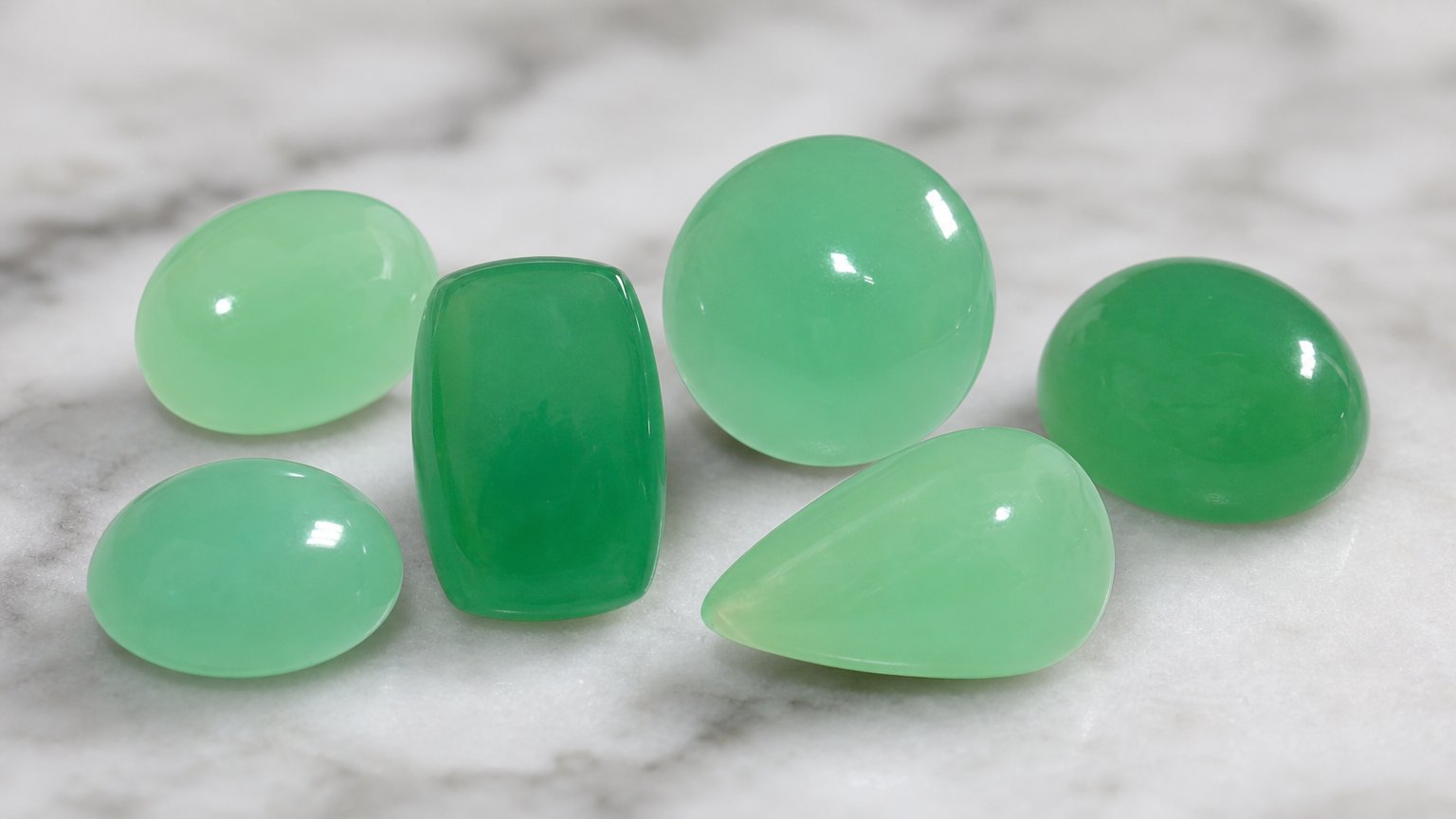
Chrysoprase is a green chalcedony gemstone valued by buyers who want a fresh, colorful gem with practical wearability and a distinctive look. It is often chosen for rings, pendants, necklaces and artisan jewelry because its green color works well in both simple and creative designs. For anyone buying chrysoprase online or selecting stones for custom jewelry, the most important factors are color, overall appearance, cut quality, size, durability and disclosure of treatment.
This buying guide explains what to look for before purchasing chrysoprase, how its gemological properties affect jewelry use, and how to compare stones in a practical way. The goal is not to force chrysoprase into a complicated grading system, but to help you judge the features that matter most for your project and personal taste.
What Is Chrysoprase?
Chrysoprase is associated with the chalcedony mineral group. Chalcedony is a form of silica with the chemical formula SiO₂, and chrysoprase is recognized for its green color. It has a trigonal crystal system and gemological properties that make it suitable for a wide range of jewelry designs when handled and set properly.
For buyers, the most useful point is that chrysoprase is usually appreciated as a colored gemstone rather than for brilliance in the way a transparent faceted gem might be. Its visual appeal comes mainly from the quality of its green body color, the smoothness and polish of the surface, the attractiveness of the cut and the overall harmony of the stone in a setting.
Chrysoprase Color: The First Feature to Judge
Green is the defining color of chrysoprase, and color should be the first feature you compare when buying. Since chrysoprase is selected primarily for its body color, look at the stone as a whole rather than focusing only on a small area. A pleasing green appearance, good face-up color and an attractive match to your design are usually more important than technical language.
When comparing stones, consider three simple color questions: Is the green attractive to you? Does the color look balanced across the face of the stone? Does the tone suit the jewelry style you have in mind? A softer green may be ideal for delicate or understated jewelry, while a stronger green may stand out better in a ring, pendant or artisan design.
Photographs should be examined carefully. If buying online, compare stones under similar viewing conditions where possible. Gemstone photos can look different depending on lighting, background and screen settings, so it is helpful to read the product description as well as view the images. At GemSelect, buyers can compare individual stones by shape, size and appearance, which is especially useful for color-focused gems such as chrysoprase.
Clarity and Overall Appearance
Chrysoprase is commonly cut in styles that emphasize surface appearance and color rather than internal sparkle. Because of this, buyers should think of clarity in practical visual terms. Look for a stone that appears clean and attractive from the face-up view, with no distracting fractures, chips or surface issues that would interfere with the design.
Minor natural features may be acceptable if they do not reduce beauty or durability. However, obvious cracks, sharp pits or poorly polished areas can affect both appearance and wearability. This is particularly important for rings and bracelets, where the gemstone may receive more contact during normal use.
For pairs or sets, such as earrings or matched necklace stones, appearance matching becomes more important. The green color, shape, size and general surface quality should be harmonious when the stones are viewed together. Exact matching can be difficult with natural gemstones, so buyers should decide whether they prefer a closely matched pair or a more organic artisan look.
Common Chrysoprase Cuts and Shapes
Cabochons
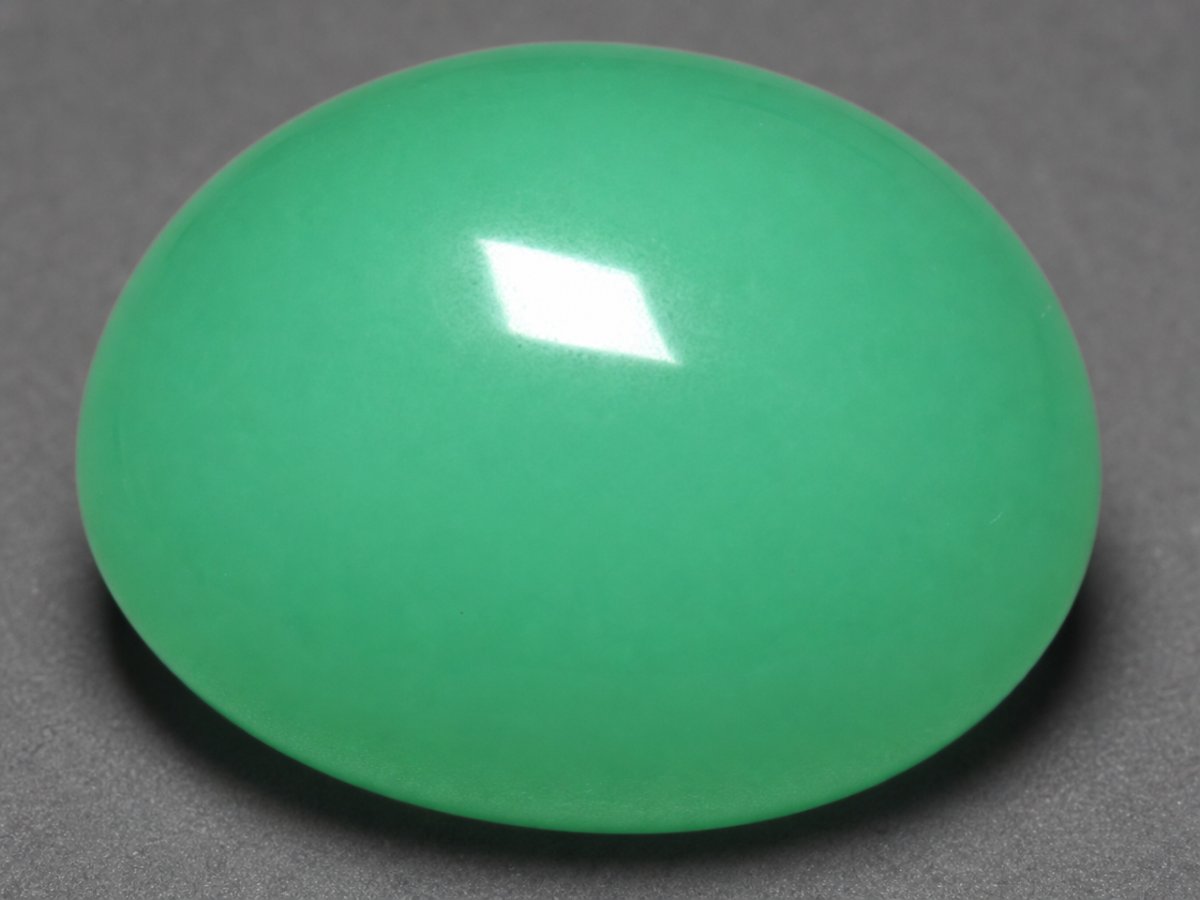
The cabochon is the most common and important cut style for chrysoprase. A cabochon has a smooth, domed top rather than facets. This style suits chrysoprase because it displays the green body color clearly and gives the stone a soft, polished appearance. When buying a chrysoprase cabochon, examine the dome, outline and polish. A well-made cabochon should look balanced, with a pleasing profile and no awkward flat spots that distract from the face-up view.
Cabochons are especially practical for rings, pendants, necklaces and artisan jewelry. They can be set in bezels, prongs or other designs depending on the intended style and protection needs. For rings, a cabochon with a secure setting is usually a sensible choice because the smooth shape is comfortable and visually strong.
Buff Tops, Carvings and Faceted Stones
Buff top chrysoprase combines a smooth domed top with a different treatment of the lower portion of the stone. This can give designers another way to use chrysoprase while still emphasizing its color. Carved chrysoprase is also used when the design calls for a more decorative or artistic form. Carvings can be appealing in pendants, statement pieces and artisan jewelry.
Faceted chrysoprase is less common than cabochon material. When faceted, the cut adds geometry and surface reflections, but buyers should still judge the stone mainly by its green appearance and overall attractiveness rather than expecting the brilliance associated with some transparent gems.
Popular Shapes
Oval and cushion shapes are especially common choices for chrysoprase and are versatile in jewelry. Ovals work well in rings, pendants and earrings because they offer a classic outline and can make efficient use of the gem material. Cushion shapes provide a softer square or rectangular look that suits both modern and vintage-inspired designs.
Round shapes are also available and are useful for earrings, simple pendants and balanced ring designs. Pear shapes can add direction and elegance, especially in pendants or drop earrings. Freeform chrysoprase is often chosen for artisan jewelry, where the natural outline or unusual shape becomes part of the design concept.
Size and Measurements: What Buyers Should Consider
When purchasing chrysoprase, do not rely on carat weight alone. Different shapes and cut proportions can make stones with the same weight look quite different in size. For jewelry design, millimeter measurements are often the most important information because they determine whether the stone will fit a setting or design plan.
For rings, consider both the face-up dimensions and the height of the stone. A large or high-domed cabochon may create a bold look, but it may also sit higher on the hand. For pendants and necklaces, larger stones can be easier to wear because they are less exposed to impact than ring stones. For earrings, weight and balance matter; a pair should be comfortable and visually matched.
If you are buying chrysoprase for custom jewelry, share the stone measurements with your jeweler before finalizing the design. The same outline can feel very different depending on the dome height, setting style and metal choice.
Origins of Chrysoprase
Chrysoprase is known from several origins. Australia is an important source and is especially associated with chrysoprase in the gemstone trade. Other known origins include Brazil, Madagascar, Tanzania and Russia.
Origin can be interesting to collectors and may be relevant when a seller provides reliable disclosure. However, for most jewelry buyers, the appearance and suitability of the individual stone should come first. A beautiful green chrysoprase with good cut and condition can be a better choice than a less attractive stone selected only because of origin. If origin matters to you, look for clear seller information and keep the focus on the actual gem in front of you.
Gemological Properties That Affect Buying
Chrysoprase has a Mohs hardness of 6.5 to 7. The Mohs scale measures relative resistance to scratching, not toughness or resistance to breaking. This hardness range gives chrysoprase reasonable wearability for many jewelry types, but it should still be protected from hard knocks and rough handling.
Its refractive index is 1.530 to 1.540, and its specific gravity is 2.58 to 2.64. These properties are mainly useful for gemological identification and comparison rather than everyday buying decisions. Still, they help place chrysoprase within the broader chalcedony family and explain why it is usually appreciated for color and polish rather than high optical dispersion.
For buyers, the key gemological takeaway is simple: chrysoprase is durable enough for many jewelry applications, but it should be set and cared for thoughtfully, especially in rings and bracelets.
Durability and Everyday Wear
Because chrysoprase has a Mohs hardness of 6.5 to 7, it can be used in rings, pendants, necklaces, bracelets and earrings. Rings are a common and attractive use, but they require the most care because they are more exposed to knocks, abrasion and contact with hard surfaces.
If you want chrysoprase for a ring, consider a protective setting, especially if the ring will be worn frequently. A bezel or a design that protects the edge of the cabochon can help reduce the risk of chipping. Prong settings can also be used, but the stone should be secure and the edges should not be overly exposed.
Pendants and necklaces are generally easier wearing options because they are less likely to strike hard surfaces. Earrings are also a practical choice, particularly when weight is considered. Bracelets can be beautiful, but they are more likely to experience impact, so they should be worn with care.
Treatments and Disclosure
Chrysoprase is commonly offered as untreated. For buyers, this is an important point because treatment disclosure helps you understand exactly what you are purchasing. If a gemstone is described as untreated, it means no treatment has been stated for the stone by the seller.
When buying any gemstone, always read the treatment information carefully. Treatment status should be clearly presented, particularly for buyers who prefer natural, untreated stones. If you are uncertain, ask the seller for clarification before purchase. Clear disclosure is part of responsible gemstone buying and is especially important when comparing stones from different sources.
Jewelry Uses for Chrysoprase
Rings
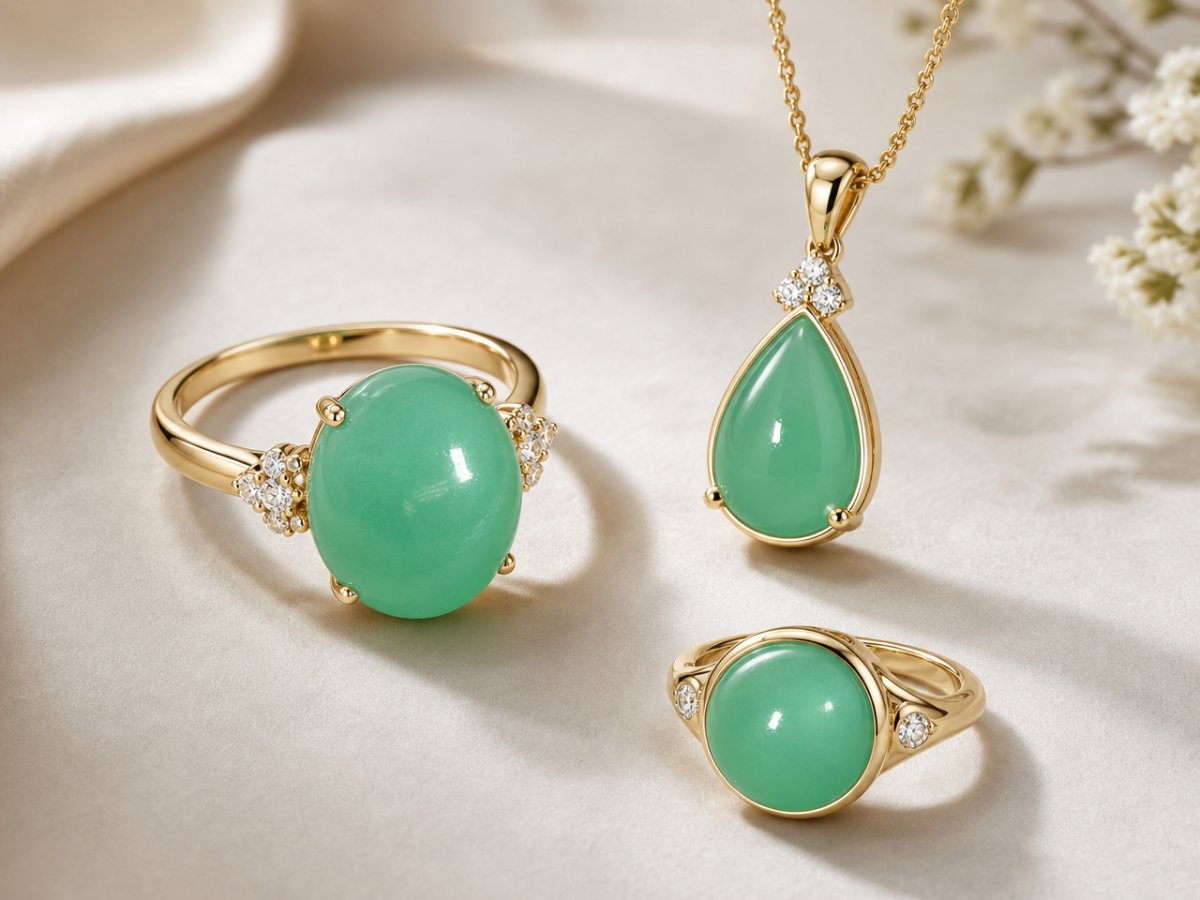
Chrysoprase rings are popular because the green color makes a strong visual statement. Cabochons in oval or cushion shapes are especially suitable for ring designs. Buyers should consider setting protection, stone height and lifestyle. A chrysoprase ring intended for occasional wear can be more open and decorative, while a ring for frequent wear should prioritize security and protection.
Pendants and Necklaces
Pendants and necklaces are excellent choices for chrysoprase because they display color clearly while keeping the gem away from much of the impact that rings and bracelets can receive. Larger cabochons, pear shapes and freeform stones can work especially well in pendant designs. A simple setting can highlight the green color, while an artisan setting can make the shape and cut part of the design.
Artisan Jewelry
Chrysoprase is well suited to artisan jewelry. Freeform shapes, carvings, cabochons and unusual outlines allow designers to create pieces with individuality. When buying for artisan work, pay close attention to dimensions, outline and how the stone will sit in the final design. A stone that is slightly irregular may be ideal for a creative setting if the color and polish are appealing.
Bracelets and Earrings
Chrysoprase can also be used in bracelets and earrings. For bracelets, choose secure settings and remember that wrist jewelry can experience more contact with hard surfaces. For earrings, matching is often the main concern. Look for stones that have compatible shape, size and green color so the pair looks balanced when worn.
Practical Chrysoprase Buying Checklist
Before buying chrysoprase, start with the intended jewelry use. A pendant stone can be larger or more dramatic, while a ring stone should be selected with durability and setting protection in mind. For earrings, matching and comfort matter. For artisan jewelry, shape and personality may be just as important as symmetry.
Next, compare color. Choose the green that appeals to you and suits your design. Then examine the face-up appearance for distracting cracks, chips or polish issues. Review the cut: a cabochon should have a pleasing dome and outline, while carved, buff top or faceted stones should look deliberate and well finished.
Check the measurements, not just the carat weight. Confirm that the shape, size and height fit your setting or design plan. Review the treatment information and confirm whether the stone is described as untreated. Finally, consider origin if it matters to you, but do not let origin outweigh the beauty and practicality of the individual gemstone.
Care Tips After Purchase
Chrysoprase should be treated with the same practical care given to many colored gemstones. Store it separately from harder gems and jewelry items that could scratch it. Remove chrysoprase rings or bracelets before activities that may involve impact, abrasion or pressure. Clean gently with mild soap, warm water and a soft cloth or soft brush, then dry carefully.
Avoid harsh cleaning methods unless a qualified jeweler confirms they are safe for your specific piece. Settings should be checked periodically, especially on rings and bracelets. Good care helps preserve the polish, appearance and security of the gemstone over time.
Conclusion: How to Choose Chrysoprase with Confidence
The best chrysoprase for you is the stone that combines appealing green color, a pleasing cut, sound condition and the right size for your jewelry design. Cabochons are the classic choice, especially in oval and cushion shapes, while freeform stones, carvings and buff tops offer creative options for artisan jewelry. With a Mohs hardness of 6.5 to 7, chrysoprase is practical for many jewelry uses when set and worn with suitable care.
Buyers should focus on the individual gemstone rather than relying on broad assumptions. Review photos, dimensions, treatment disclosure and overall appearance. Whether you are choosing a ring stone, pendant centerpiece, matched earrings or a custom design gem, a thoughtful comparison will help you select chrysoprase confidently.
