


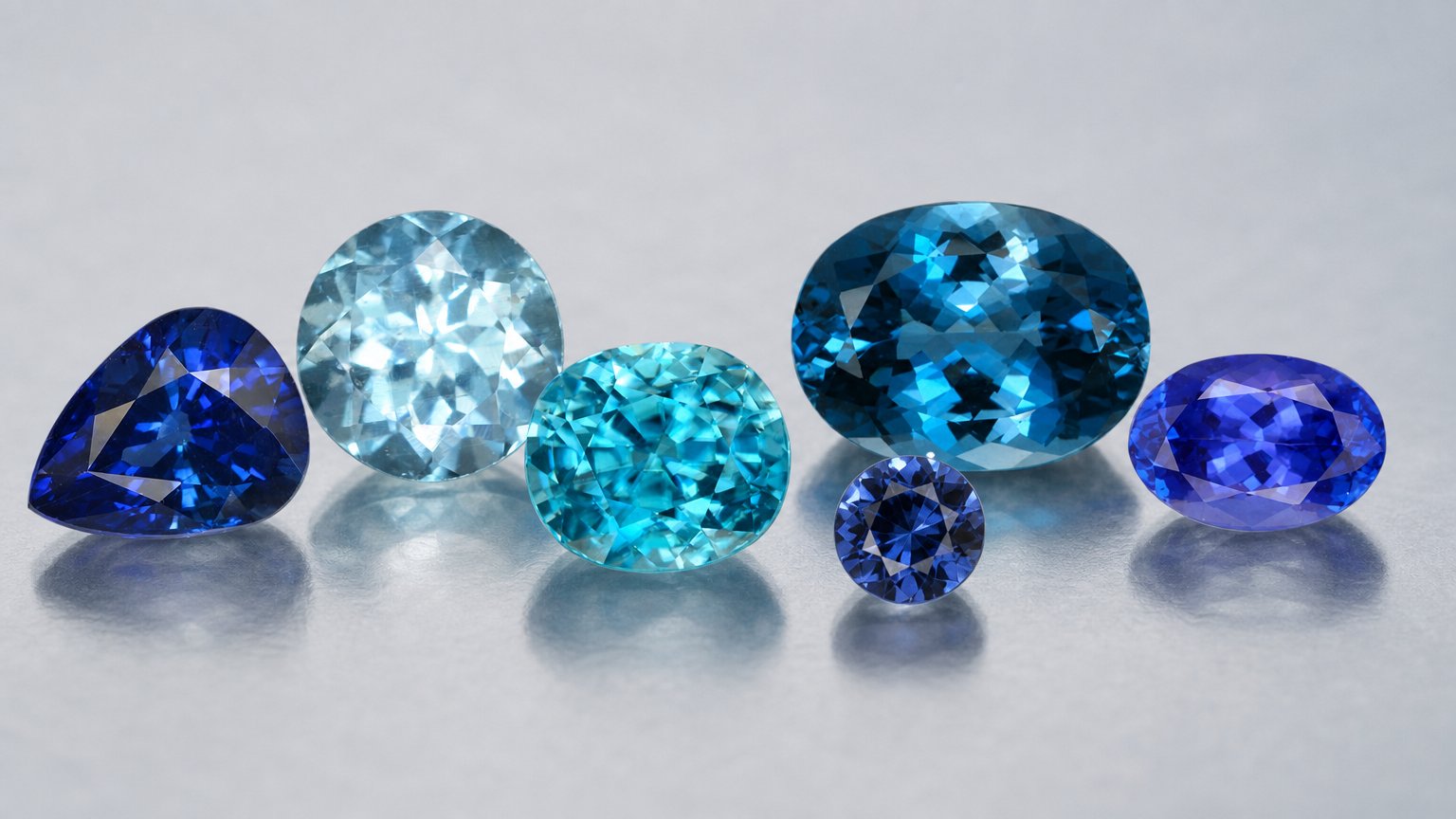
Blue is one of the most popular gemstone colors for engagement rings because it can feel classic, modern, soft or dramatic depending on the stone. A blue engagement ring may show pale sky blue, crisp icy blue, vivid electric blue, teal-blue, violet-blue or deep royal blue. That range gives jewelers and buyers many design possibilities, but it also makes durability and gemstone selection especially important.
An engagement ring is usually worn often, sometimes every day. For that reason, the best blue gemstone choice is not only about color. Hardness, toughness, cleavage, cut, setting style, treatment disclosure and the wearer's lifestyle all affect how well a gemstone will perform over time.
GemSelect offers natural loose gemstones that can be selected for custom engagement rings, including blue sapphire, aquamarine, spinel, zircon, topaz, tanzanite and blue tourmaline. The guide below focuses on how these stones compare for real ring use.
Hardness is not the same as durability
The Mohs scale measures resistance to scratching. A gemstone with higher Mohs hardness is generally less likely to be scratched by everyday materials. However, hardness does not tell the whole story for engagement rings.
Overall durability also depends on toughness, cleavage, brittleness, inclusions, cut proportions and how the gem is mounted. A stone can be hard but still vulnerable to a sharp knock if it has cleavage or brittle facet edges. This is why blue topaz, for example, is hard at Mohs 8 but needs thoughtful setting because of its cleavage, while sapphire combines high hardness with strong overall durability.
Blue sapphire: the traditional benchmark
Blue sapphire is the reference point for most blue engagement-ring gemstones. It has a Mohs hardness of 9, very good durability for ring wear and a long history in fine jewelry. Sapphire does not have cleavage, which helps it tolerate normal ring use better than many softer or more cleavable blue stones.
Color ranges from light cornflower and medium blue to deep royal blue, with some stones showing violetish or greenish modifiers. Buyers should pay attention to tone as well as saturation. A very dark sapphire may look nearly black in low light, while a lighter stone may show more sparkle and color detail.
Heat treatment is common for sapphire and should be disclosed when known. Unheated sapphires with fine color are generally rarer and positioned higher in value than comparable heated stones, though beauty, size, cut and clarity still matter. Sapphire is available in many shapes and sizes, making it practical for solitaire rings, three-stone designs, halos and custom settings.
For everyday engagement rings, sapphire is one of the strongest natural blue choices. Standard prong settings can work well when the stone is well cut and securely mounted, while bezels and halo designs add extra protection for active wearers.
Aquamarine: pale blue elegance with moderate care needs
Aquamarine is the blue to blue-green variety of beryl. Its typical engagement-ring appeal is a fresh, light to medium blue color, often softer and more transparent-looking than sapphire. Many aquamarines have a calm pastel appearance rather than intense royal blue.
Aquamarine has a Mohs hardness of 7.5 to 8, which gives it reasonable scratch resistance. It is generally suitable for rings when worn with care, but it is not as tough as sapphire. As with many transparent gems, exposed corners, very thin girdles or hard impacts can cause damage.
Heat treatment is common to reduce greenish or yellowish tones and produce a purer blue. Aquamarine is often available in larger sizes than many rarer blue gems, making it attractive for statement engagement rings. Strongly saturated blue aquamarine is more valued than very pale material.
Protective settings are wise for daily wear. Bezel, partial bezel, low-profile prong and halo settings can help shield the stone. Oval, cushion, emerald-cut and round aquamarines are popular choices, but step cuts should be chosen with good clarity because inclusions may be easier to see.
Blue spinel: attractive color and strong wearability
Blue spinel is an excellent alternative for buyers who want a natural blue gemstone with good durability and a different identity from sapphire. It has Mohs hardness of 8 and no cleavage, giving it practical advantages for rings.
Blue spinel may show grayish blue, violet-blue, steely blue or more vivid blue colors. Fine blue spinel can be rare, especially in stronger saturation. Many spinels are valued for being untreated, although buyers should still ask for treatment disclosure where available.
Compared with sapphire, blue spinel can offer a distinctive, sometimes cooler or more subdued color character. Its relative rarity in fine blue colors may appeal to collectors and custom jewelers. It works well in classic prong settings when protected by good design, and it is also suitable for bezels, halos and three-stone rings.
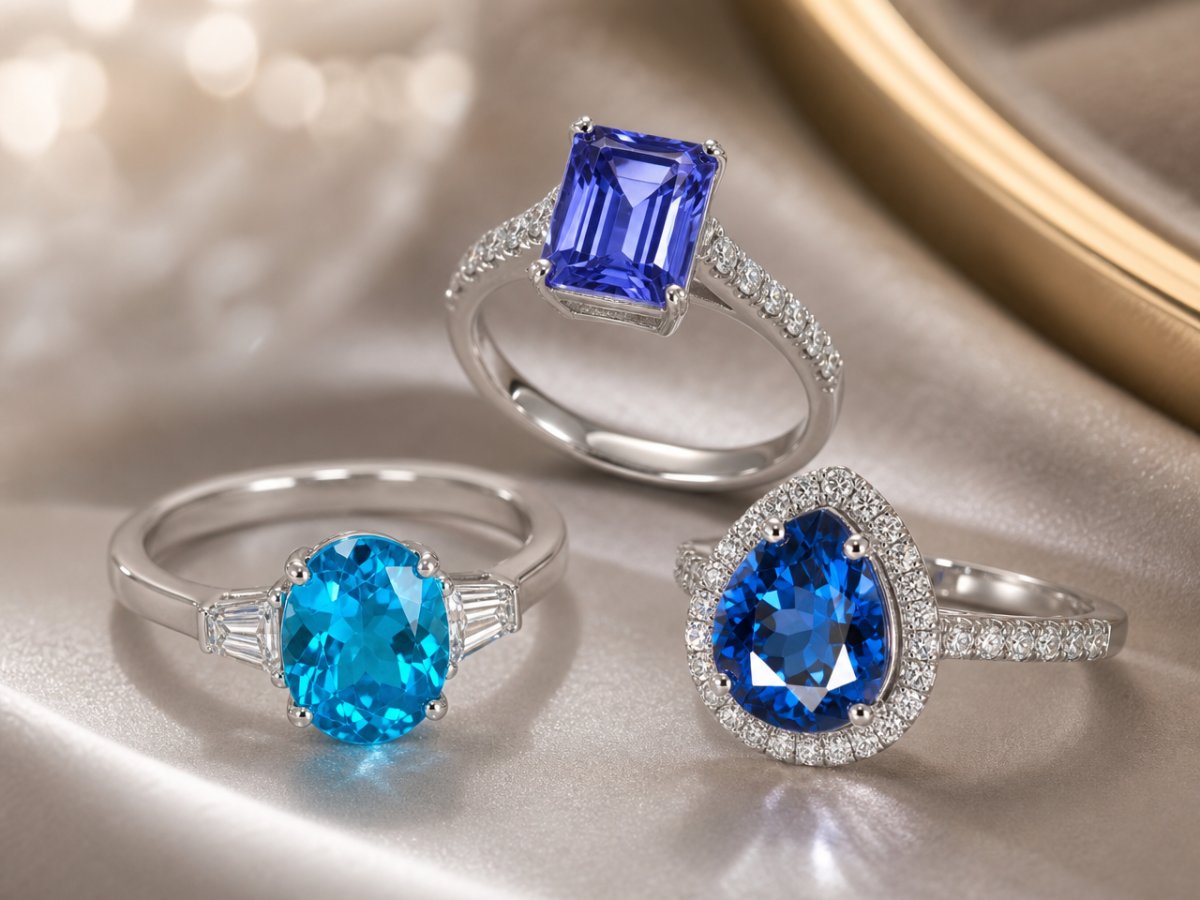
Blue zircon: brilliant, natural and often misunderstood
Blue zircon is a natural gemstone and should not be confused with cubic zirconia, which is a man-made diamond simulant. Natural zircon is a different mineral with its own beauty, history and gemological properties.
Blue zircon is admired for strong brilliance and dispersion, often giving it lively sparkle. Its color may range from light blue to vivid greenish blue or teal-blue. Much blue zircon obtains its color through heat treatment, and this should be disclosed when known.
Zircon has Mohs hardness of about 6.5 to 7.5, depending on the material, but it can be more susceptible to abrasion, facet-edge wear and chipping than sapphire. This is especially relevant for rings worn every day. A zircon engagement ring is possible, but it is better for someone who will wear it carefully or choose a protective design.
Round, oval and cushion shapes can show zircon's brilliance well. For engagement rings, avoid highly exposed mountings and consider bezels, halos or settings that protect the girdle and corners. Periodic inspection is sensible if the ring is worn frequently.
Blue topaz: accessible color with treatment and cleavage considerations
Blue topaz is widely recognized for its bright, clean blue appearance. Colors can include pale sky blue, medium Swiss blue and deeper London blue tones. Most strongly colored blue topaz in the market receives its blue color through irradiation followed by heat treatment; this is normal for the gem type and should be understood by buyers.
Topaz has Mohs hardness of 8, so it resists scratching fairly well. However, it has perfect cleavage, meaning it can split or break along a structural direction if struck in the wrong way. This makes setting style and wear habits important for engagement rings.
Blue topaz is often more accessible than sapphire, fine spinel or rare indicolite, and it is available in many sizes and shapes. It can be a practical choice for a budget-conscious custom ring, provided the wearer accepts the need for care. Bezel settings, protective halos and low-profile designs are preferable to high, exposed prong settings, especially for larger stones.
Tanzanite: distinctive violet-blue beauty for careful wear
Tanzanite is prized for its blue to violet-blue color, often showing a shifting character depending on lighting and viewing angle. It has a look that is different from sapphire, aquamarine or topaz, making it appealing for buyers who want a more unusual engagement-ring stone.
For everyday durability, tanzanite requires caution. It has Mohs hardness around 6 to 7 and has cleavage, so it is more vulnerable to scratches, knocks and damage than sapphire or spinel. Heat treatment is common for tanzanite and is part of the normal market for this gemstone.
Tanzanite can be used in an engagement ring, but it is best for careful wearers, occasional wear, or designs that protect the stone. A bezel or partial bezel, a protective halo, rounded shapes and a lower profile setting are better choices than exposed corners or tall solitaire settings. Ultrasonic cleaning and harsh handling should be avoided.
Blue tourmaline and indicolite: rare color with thoughtful setting needs
Blue tourmaline, often called indicolite, ranges from greenish blue and teal-blue to deeper blue tones. It is less common than many mainstream blue gems, and fine blue tourmaline can be collector-oriented. Its color can be especially attractive for buyers who want a natural blue stone with a slightly green or ocean-like character.
Tourmaline has Mohs hardness of about 7 to 7.5. It generally has no prominent cleavage, but it can be brittle, so sharp impacts and exposed corners should be avoided. Some tourmalines may receive treatment, but treatment practices vary, so disclosure is important.
Indicolite can make a beautiful engagement-ring gemstone for someone who values unusual color and accepts moderate care requirements. Oval, cushion, emerald and elongated cuts are common in tourmaline, but long shapes should be well protected at the ends. Bezel or protective prong designs are useful for daily wear.
Comparison of popular natural blue engagement-ring gemstones
| Gemstone | Color character | Mohs hardness | Durability notes | Treatment notes | General positioning | Everyday-wear suitability |
|---|---|---|---|---|---|---|
| Blue sapphire | Light to deep royal blue, sometimes violetish or greenish | 9 | Very good durability; no cleavage | Heat treatment is common | Classic and often premium, especially fine color or unheated stones | Excellent when well set |
| Aquamarine | Pale to medium blue, often soft or slightly greenish | 7.5-8 | Reasonably durable but less tough than sapphire | Heat treatment is common | Often accessible, with stronger blue more valued | Good with care and protective setting |
| Blue spinel | Grayish blue, violet-blue, steely blue to vivid blue | 8 | Good wearability; no cleavage | Often untreated, but disclosure still matters | Fine blue can be rare and valuable | Very good when well set |
| Blue zircon | Bright blue, greenish blue or teal-blue with high brilliance | 6.5-7.5 | Can show abrasion or edge wear; more brittle than sapphire | Blue color is commonly heat treated | Valued for brilliance; often more accessible than premium sapphire | Moderate; best with protective setting |
| Blue topaz | Sky, Swiss and London blue shades | 8 | Perfect cleavage requires care | Most strong blue color is treated | Accessible and available in many sizes | Moderate; protective setting recommended |
| Tanzanite | Blue to violet-blue | 6-7 | Cleavage and lower hardness require careful wear | Heat treatment is common | Distinctive and valued for color | Careful or occasional wear; protect strongly |
| Blue tourmaline / indicolite | Teal-blue, greenish blue to deep blue | 7-7.5 | Moderate durability; can be brittle | Treatment varies; ask for disclosure | Fine blue material can be rare and collector-oriented | Good to moderate with protective design |
Choosing by buyer priority
Maximum durability
Blue sapphire is the strongest mainstream choice for frequent everyday wear because it combines Mohs 9 hardness, good toughness and no cleavage. Blue spinel is also a strong candidate with Mohs 8 hardness and no cleavage, especially for buyers who want something less traditional.
Classic deep blue
Blue sapphire is the natural starting point for classic deep blue engagement rings. Look for a stone that remains visibly blue in different lighting rather than becoming overly dark. Some blue spinels may also satisfy this preference, though fine saturated blue spinel is less commonly encountered.
Pale or pastel blue
Aquamarine is the leading choice for soft sky-blue or pastel engagement rings. Pale blue sapphire and light blue topaz may also be considered, but aquamarine has a distinctive fresh appearance that many buyers specifically seek.
Bright or highly brilliant appearance
Blue zircon is notable for brilliance and dispersion, giving it lively sparkle. It requires more care than sapphire, so it suits buyers who prioritize brightness and are willing to choose a protective setting and maintain the ring thoughtfully.
Unusual blue or violet-blue color
Tanzanite offers a recognizable blue-violet look, while indicolite can provide teal, greenish blue or ocean-blue tones. These are appealing for distinctive custom rings, but both require more thoughtful wear than sapphire.
More budget-conscious choices
Blue topaz is often selected when buyers want a larger blue gemstone or strong blue color at a more accessible value position. Treated blue topaz should be understood as a natural gemstone whose color is normally treatment-produced. Aquamarine and blue zircon may also be attractive depending on size, color and quality.
Rare or collector-oriented choices
Fine blue spinel and fine indicolite can appeal to collectors and buyers who want a less common natural blue gemstone. Untreated fine blue sapphire also has collector appeal, particularly when color, clarity and cut are strong.
Shape, size and cutting quality
Shape affects both appearance and durability. Round, oval and cushion cuts usually have fewer vulnerable points than marquise, pear or sharp-cornered shapes. Emerald cuts can look elegant in aquamarine, sapphire and tourmaline, but their open facets make clarity and cutting symmetry more noticeable.
Larger stones are more exposed to knocks, especially in high settings. If choosing a large aquamarine, topaz, zircon, tanzanite or tourmaline, consider a lower profile and more protective mounting. For softer or more brittle gems, the quality of the girdle and the security of the setting are especially important.
Color saturation and tone should be judged in normal lighting, not only under strong display lights. A well-cut medium-tone blue gem can look more lively than a darker stone with poor light return. Inclusions should also be considered practically: some are only visual, while surface-reaching fractures or poorly placed inclusions may affect durability.
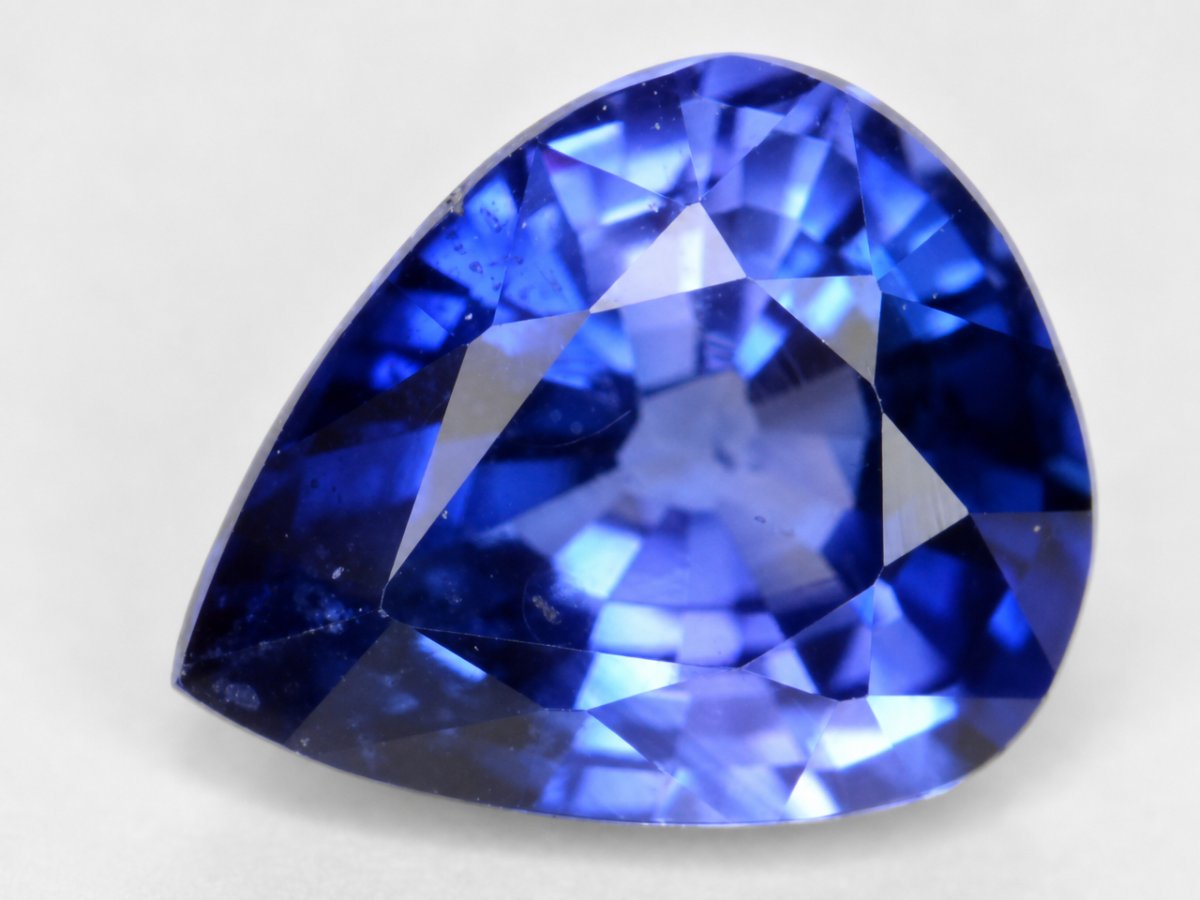
Setting styles for blue gemstone engagement rings
A simple prong solitaire can work well for sapphire and many spinels, provided the stone is secure and the girdle is not overly exposed. For aquamarine, zircon, topaz, tanzanite and indicolite, a little extra protection is often worthwhile.
Bezel settings surround the gem with metal and are among the most protective options. Partial bezels protect vulnerable areas while allowing more light. Halo settings can help shield the center stone from side impacts. Low-profile designs are usually safer for daily wear than tall settings that catch on clothing or surfaces.
For pear, marquise and princess cuts, protect points and corners with V-prongs, bezels or a halo. This is especially important for stones with cleavage or brittleness, including topaz, tanzanite and zircon.
How metal color changes the look of blue gemstones
White gold and platinum emphasize a cool, crisp appearance. They pair especially well with icy blue aquamarine, bright blue zircon, vivid blue topaz and deep blue sapphire when the goal is a clean modern look.
Yellow gold adds warmth and contrast. It can make pale blue stones appear warmer or slightly greener, and it creates a rich traditional contrast with deep blue sapphire or teal-blue tourmaline.
Rose gold softens blue gemstones and can highlight violet or lavender notes in tanzanite and violet-blue spinel. With pale aquamarine, rose gold creates a gentle romantic contrast; with deep royal blue, it gives a warmer, less formal impression than platinum or white gold.
Cleaning and maintenance
Most blue gemstone engagement rings should be cleaned with lukewarm water, mild soap and a soft brush. Rinse carefully and dry with a soft cloth. Avoid harsh chemicals, sudden temperature changes and abrasive cleaners.
Ultrasonic and steam cleaning are not appropriate for every gemstone. Tanzanite, topaz, zircon and stones with significant inclusions or fractures should be treated cautiously. When in doubt, use gentle hand cleaning and have the ring inspected by a jeweler periodically.
Engagement rings should be removed for heavy work, gym activities, gardening, climbing, cleaning with chemicals and situations where the ring may receive hard knocks. This advice applies even to durable gemstones such as sapphire.
Conclusion
Natural blue gemstones offer many excellent engagement-ring possibilities, from durable blue sapphire and distinctive blue spinel to soft aquamarine, brilliant zircon, accessible blue topaz, violet-blue tanzanite and rare indicolite. The right choice depends on how the ring will be worn, the preferred shade of blue, tolerance for maintenance, setting style and budget.
For everyday wear with the least concern, sapphire remains the benchmark. For a different look, aquamarine, spinel, zircon, topaz, tanzanite and tourmaline can all be considered when their durability limits and treatment profiles are understood. Choosing a natural loose gemstone first allows the ring design to be built around the stone's beauty and practical needs.
